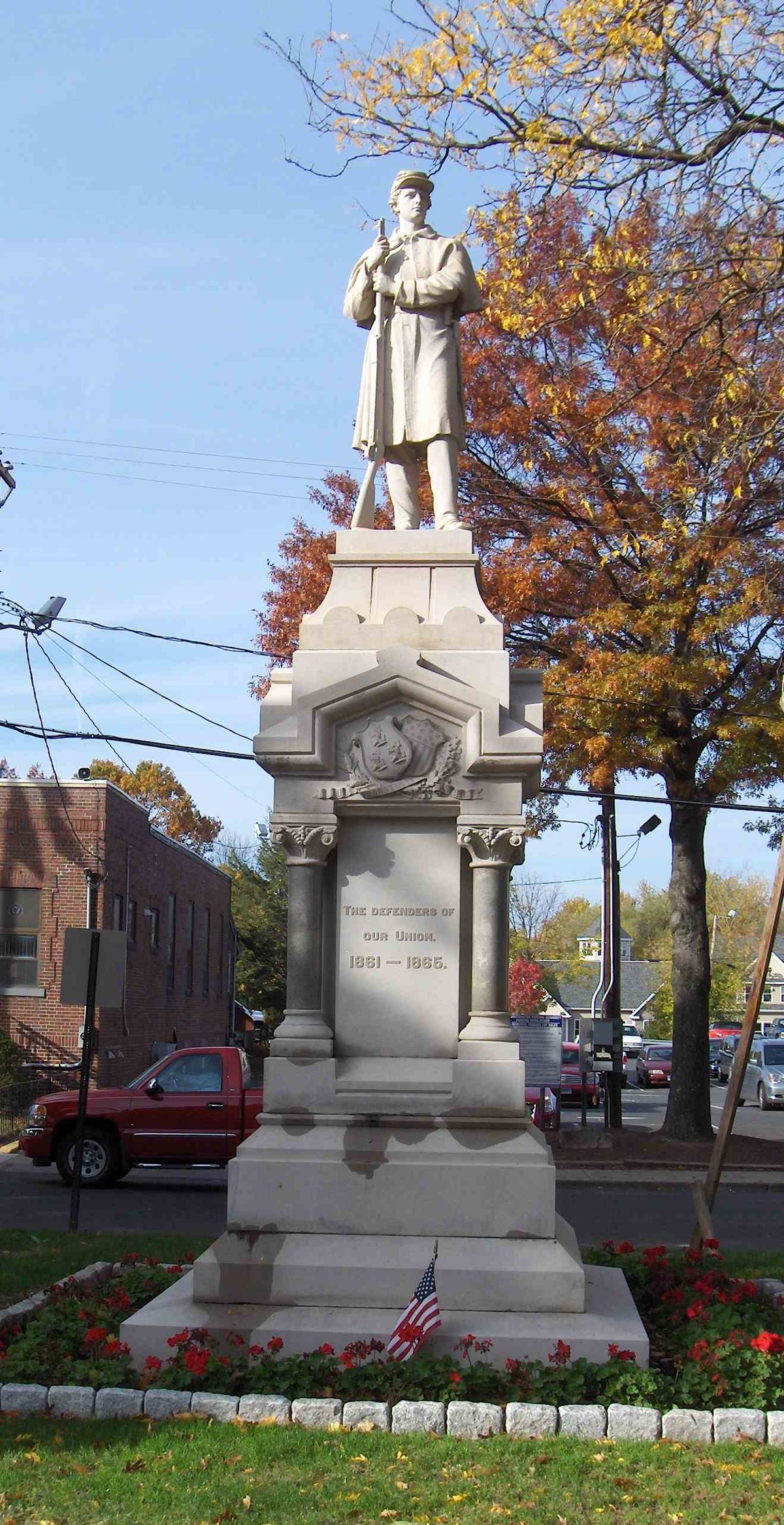

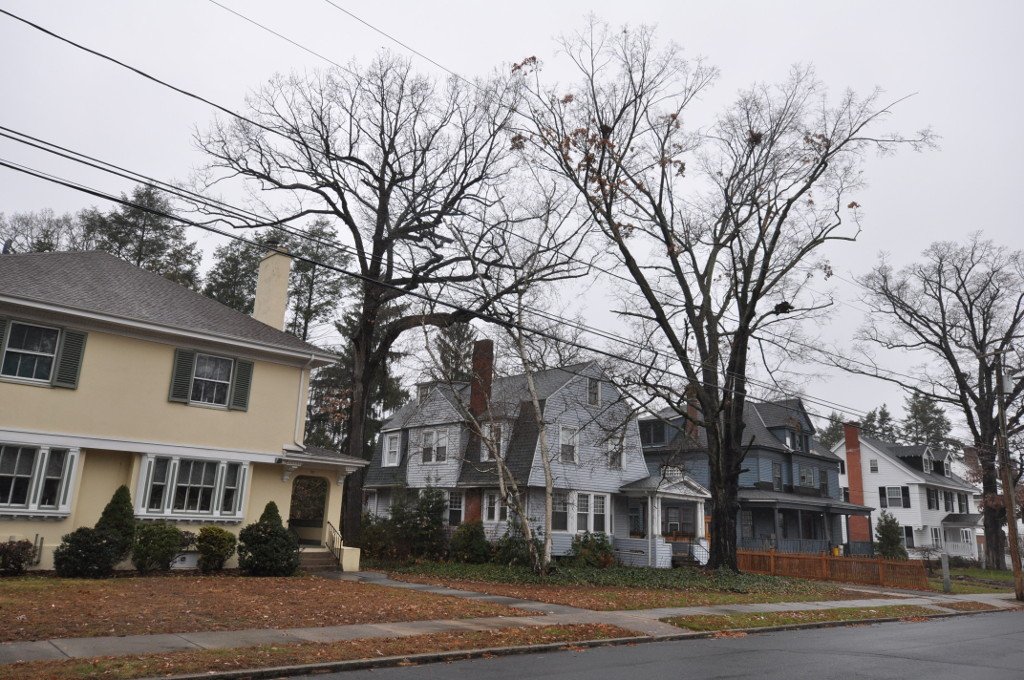
The Southington Center Historic District covers a major portion of the center of Southington, Connecticut. Added to the National Register of Historic Places in 1989, the area includes a considerable number of buildings - including commercial, governmental, religious and residential structures - as well as the town green. While Southington became a town in 1779, European settlers first arrived in the area in 1698.
The district includes four monuments located on the town green in the center of town. These consist of a Civil War monument, a World War I monument, a World War II-Korea-Vietnam monument, and a granite fountain commemorating 19th-century industrialist Amon Bradley. Many of the buildings in the district date to Colonial times, with many commercial, religious and government buildings situated along Main or North Main streets.
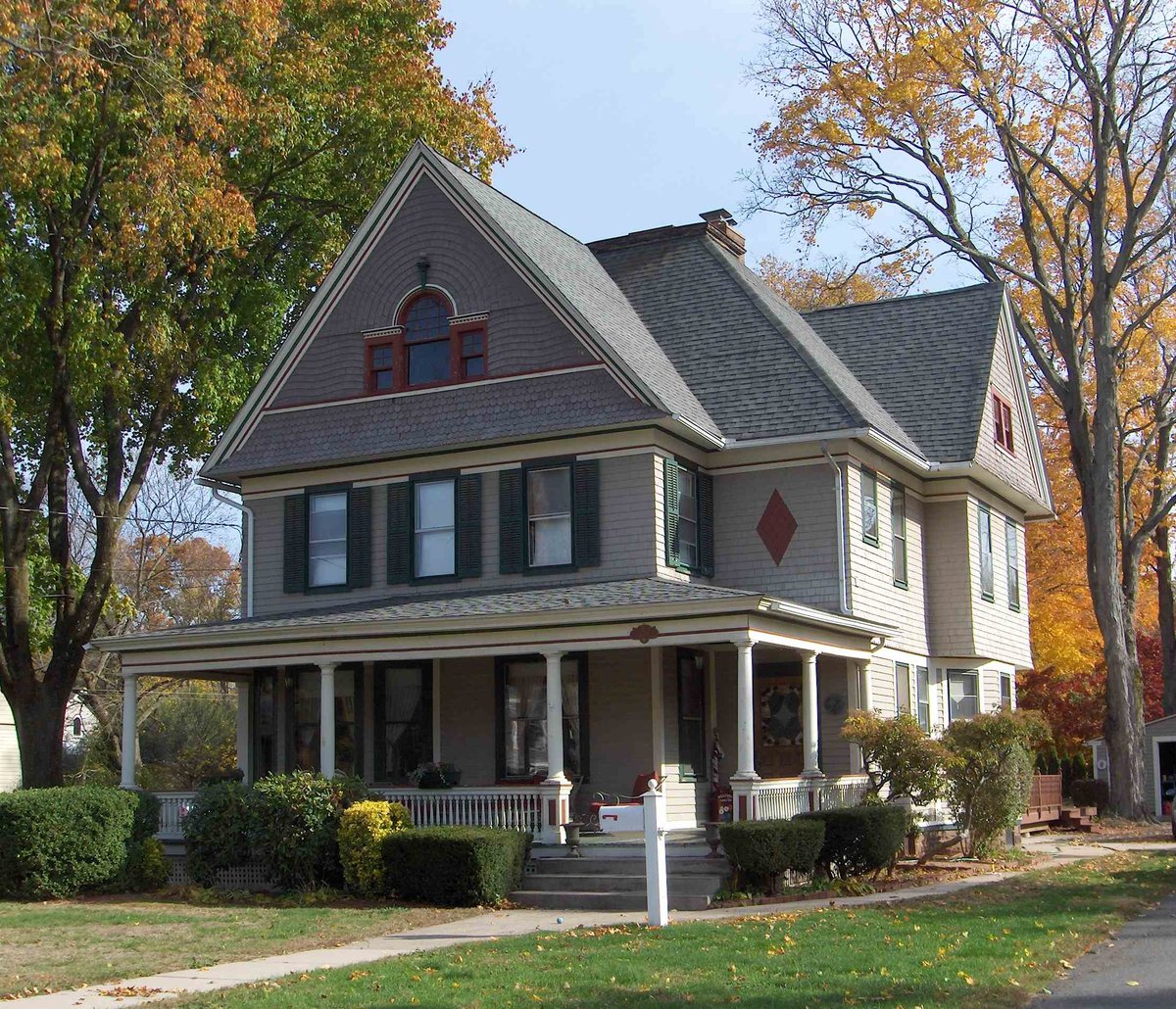
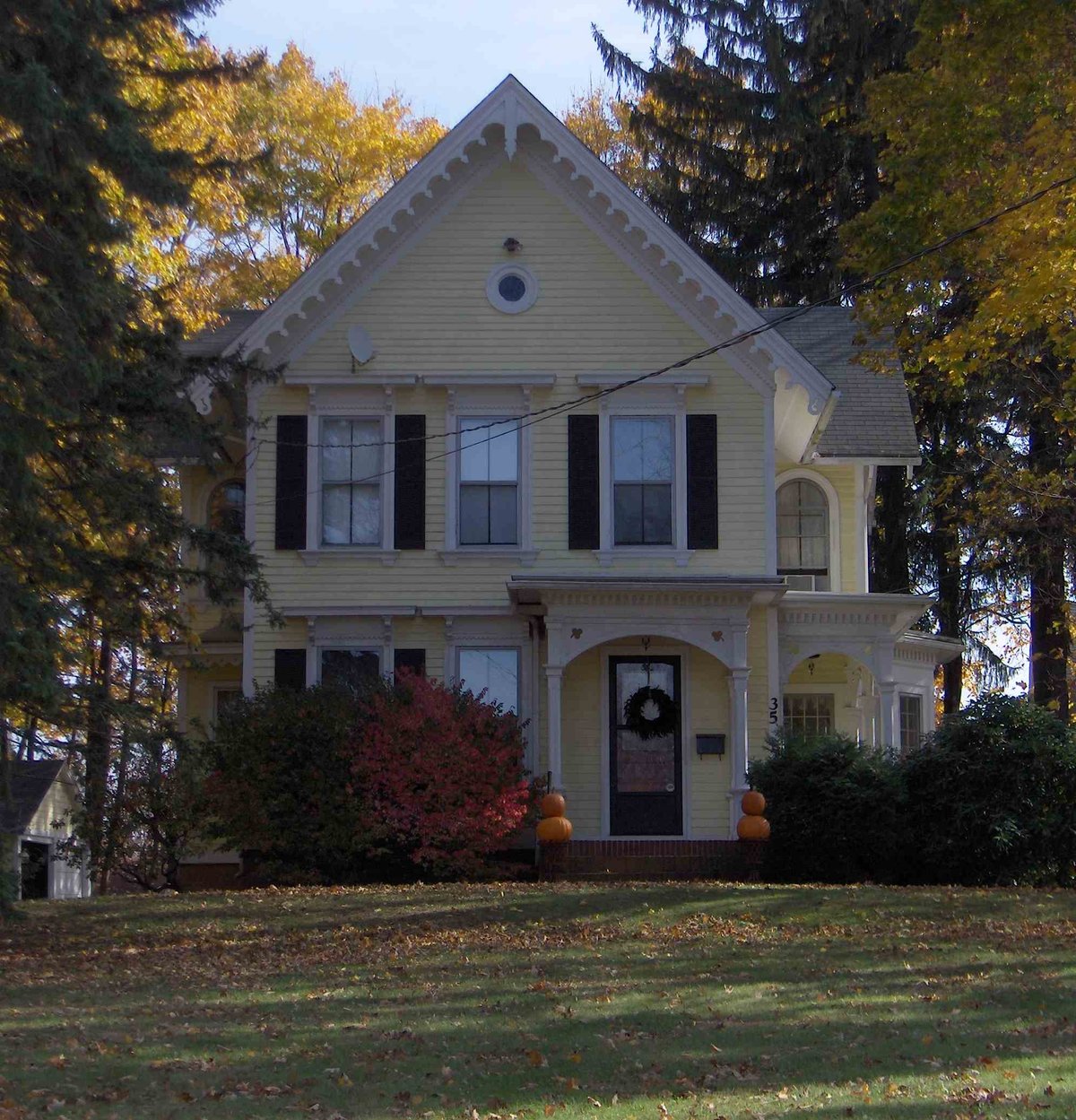
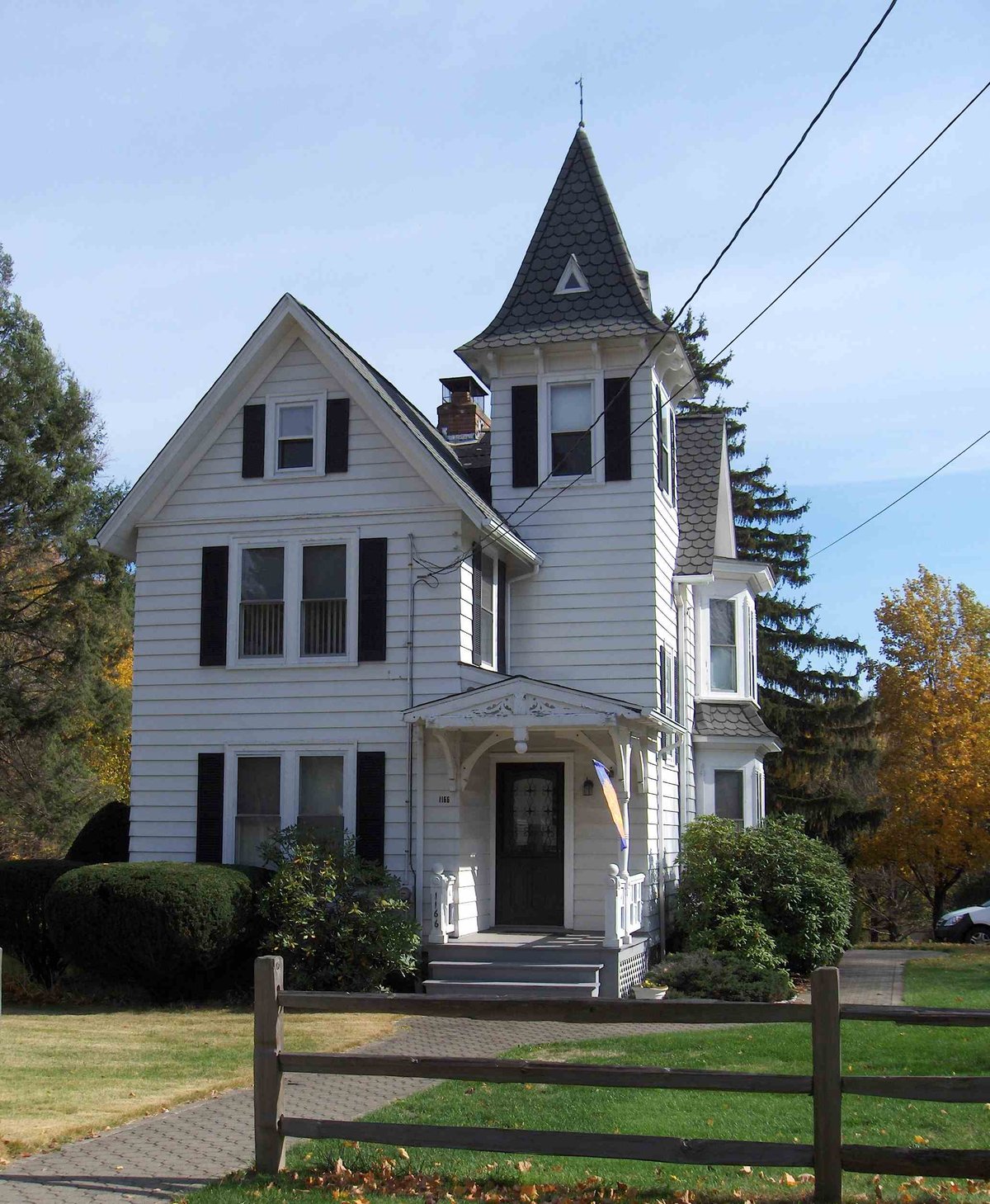
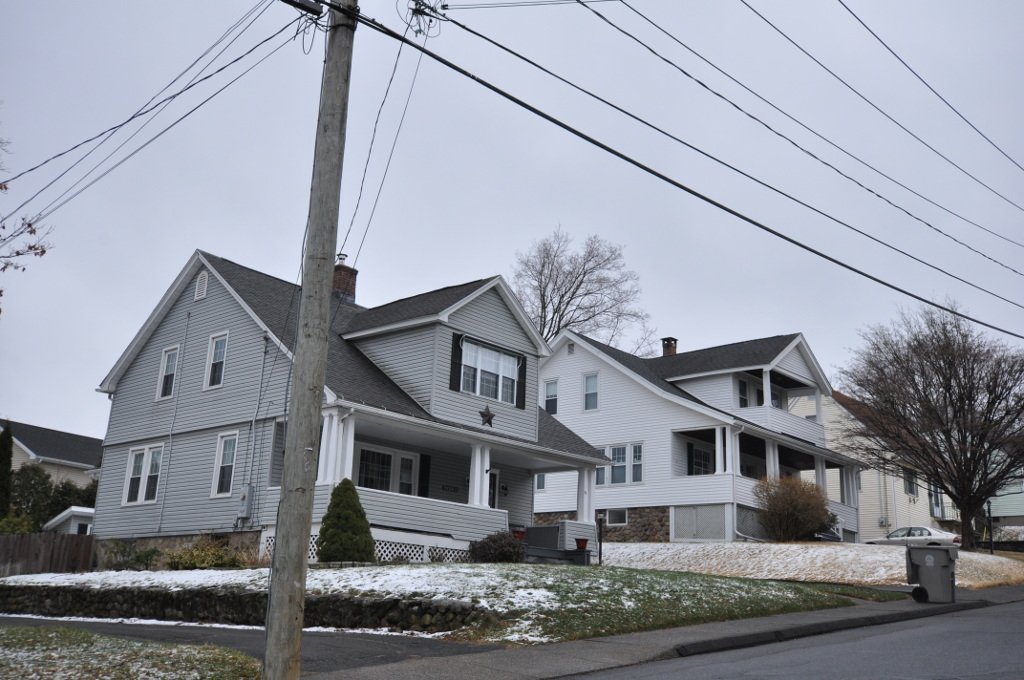
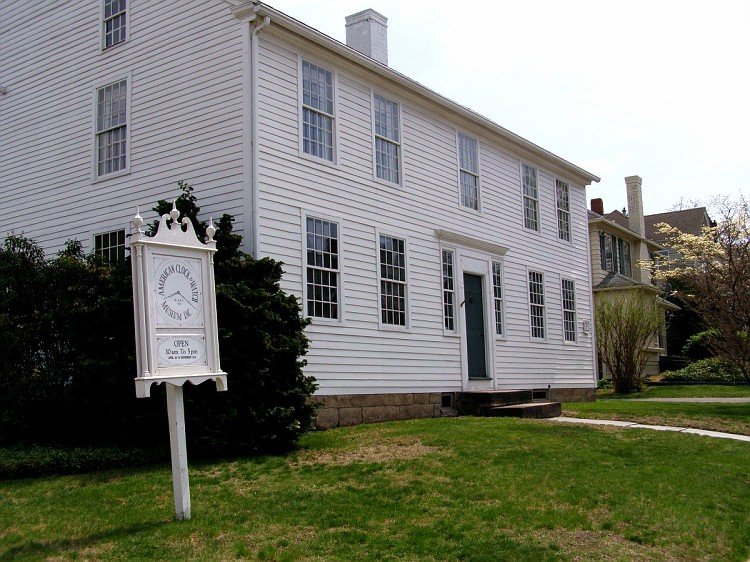
Several notable residences are located within the district. The Cyrus C. Chamberlain House at 114 Main Street was built in 1823 in the Federal style. Additionally, the house of Jonathan Root, which was used as both a dwelling and a tavern, is within the district and is also separately listed on the National Register of Historic Places. The Congregational Church at 37 Main Street was built between 1828 and 1832 in the Federal style, while the 1939 Federal Post Office at 125 Main Street was built in the Georgian Revival style.
Sources: Wikipedia, OpenStreetMap, Wikidata, Wikimedia Commons
Written by Friendly Jane
Discuss this with the author and others
No comments yet. Be the first to start the conversation.