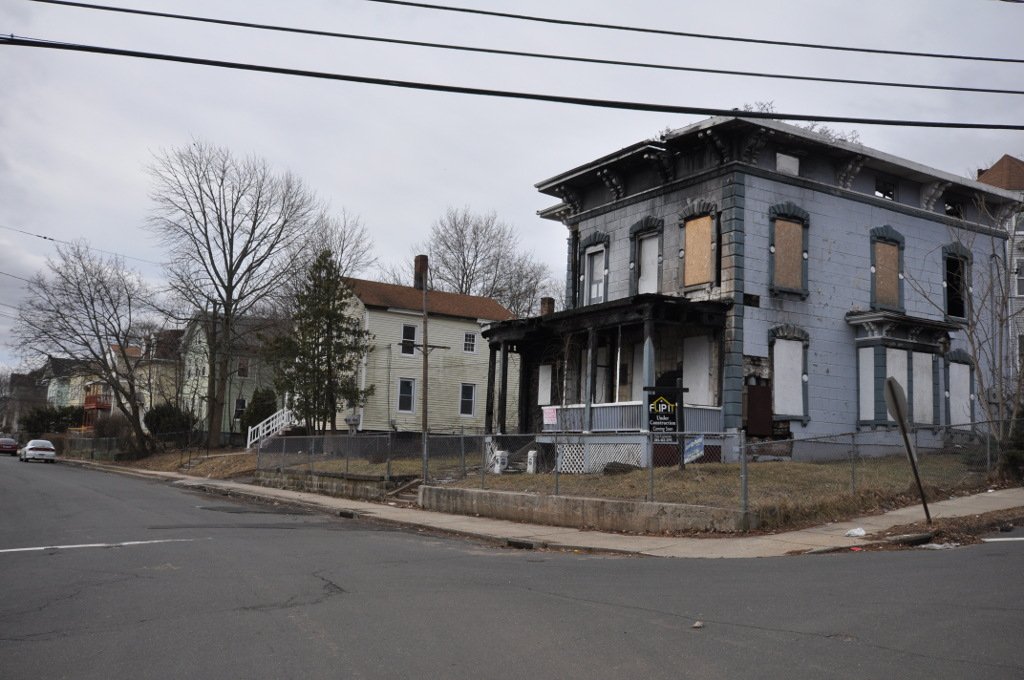

If you visit the Walnut Hill neighborhood in New Britain, you can see exactly what happens when a farming town suddenly finds its rhythm. Things shifted toward metalworking and tool production right around 1850. This massive industrial surge brought in plenty of people who were eager to join the city's growth as a leading center of tool manufacture.
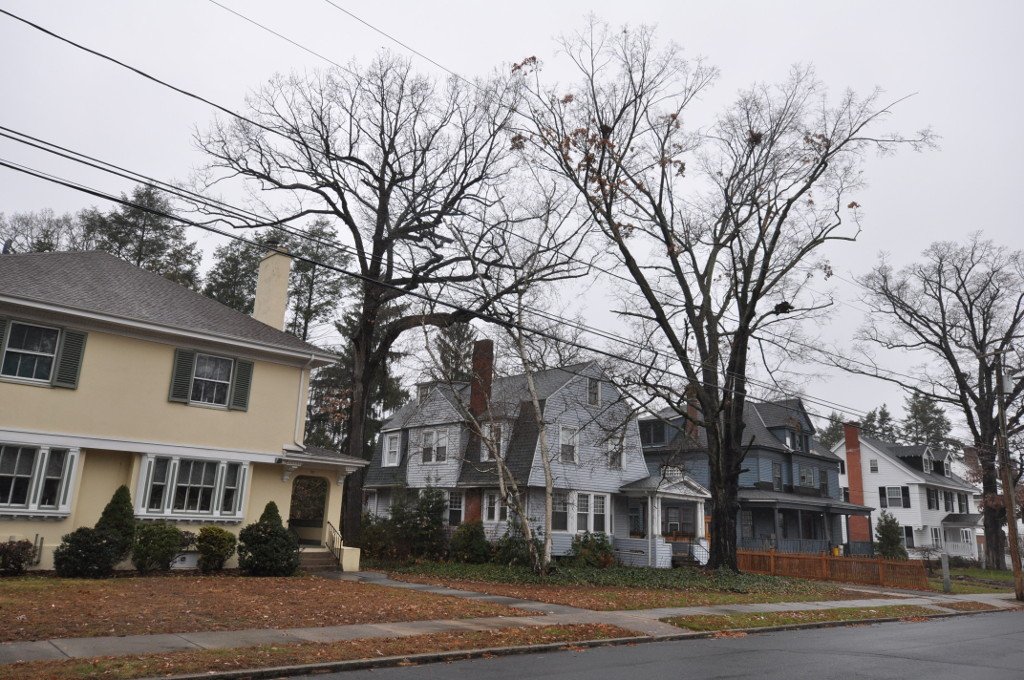
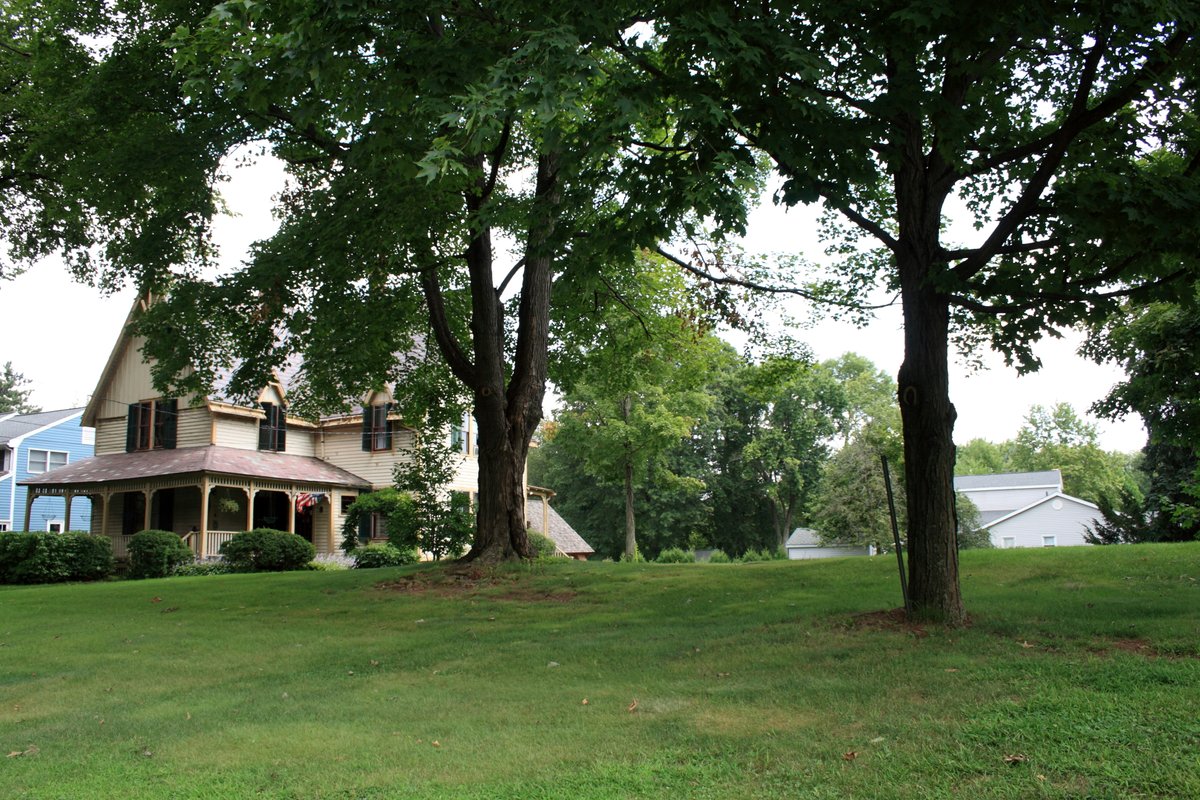
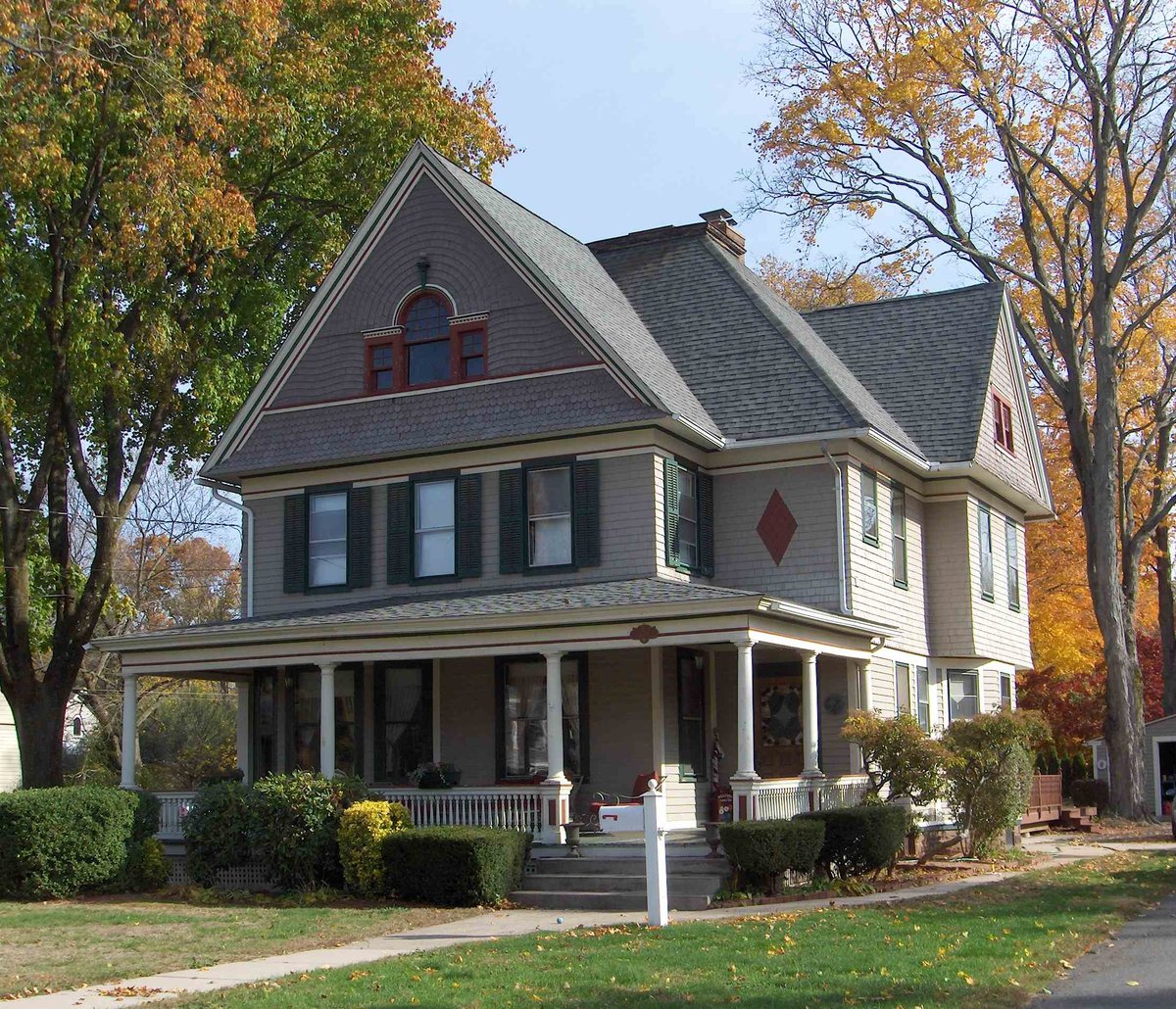
Walking around, the area feels pretty tight and cozy because most houses were built with similar vibes and materials between 1840 and 1930. You will spot the Italianate style all over the place, which was the aesthetic of choice during the 1850s and 1860s. The David Nelson Camp House on Camp Street stands out as a prime example of this look.
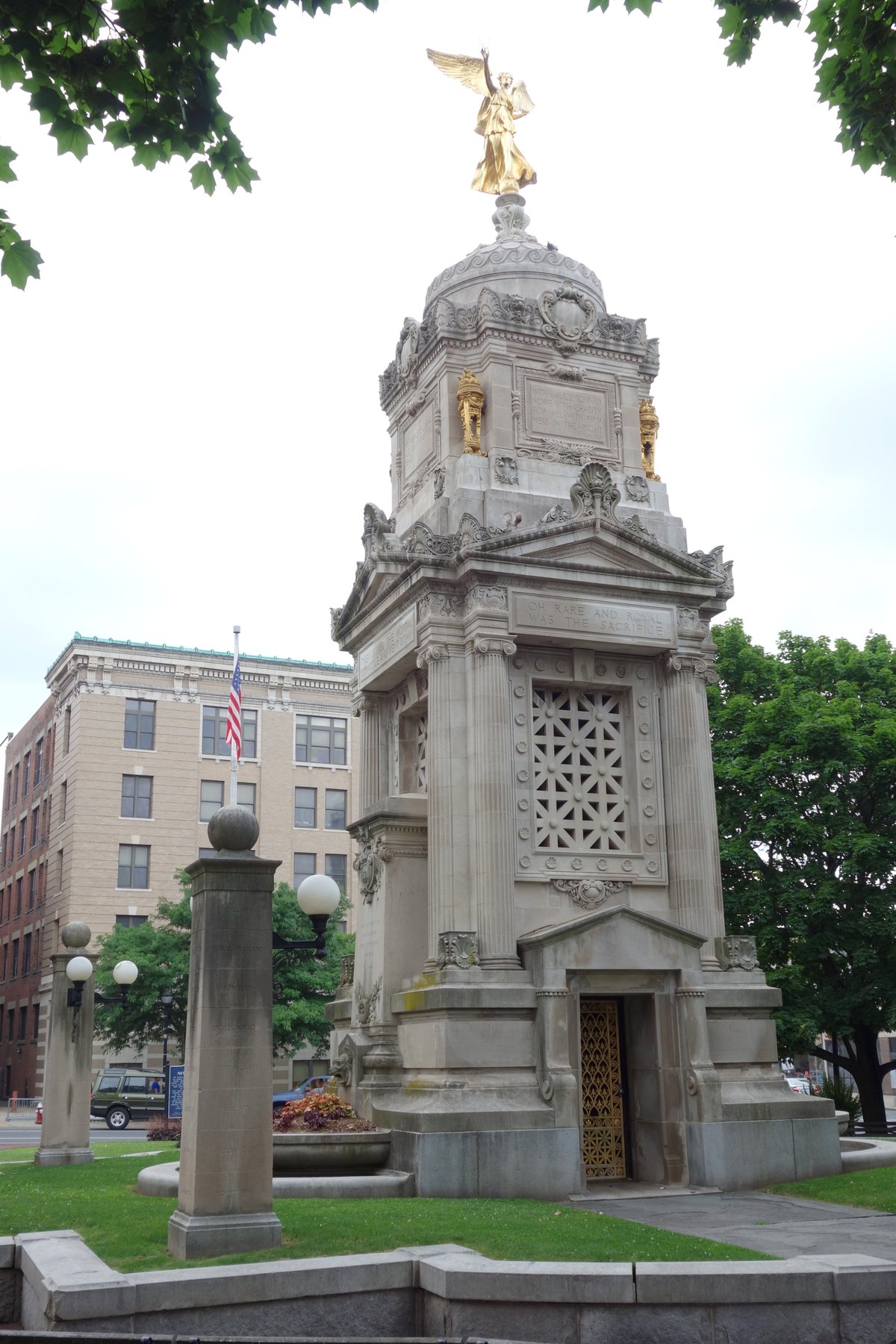
The layout is actually pretty interesting because it sits tucked between the downtown area and a park that used to be a water supply reservoir before the public took it over in the 1860s. It manages to keep its residential identity by staying away from the commercial strips. Still, you can find some big landmarks like the state armory and the Lutheran Church nearby.
There are still about 145 historic structures left today. It is a great spot to wander if you want to see how a 19th-century industrial hub influenced daily life. It shows where people actually lived rather than just where they went to work.
Sources: Wikipedia, OpenStreetMap, Wikidata, Wikimedia Commons
Written by Friendly Jane
Discuss this with the author and others
No comments yet. Be the first to start the conversation.