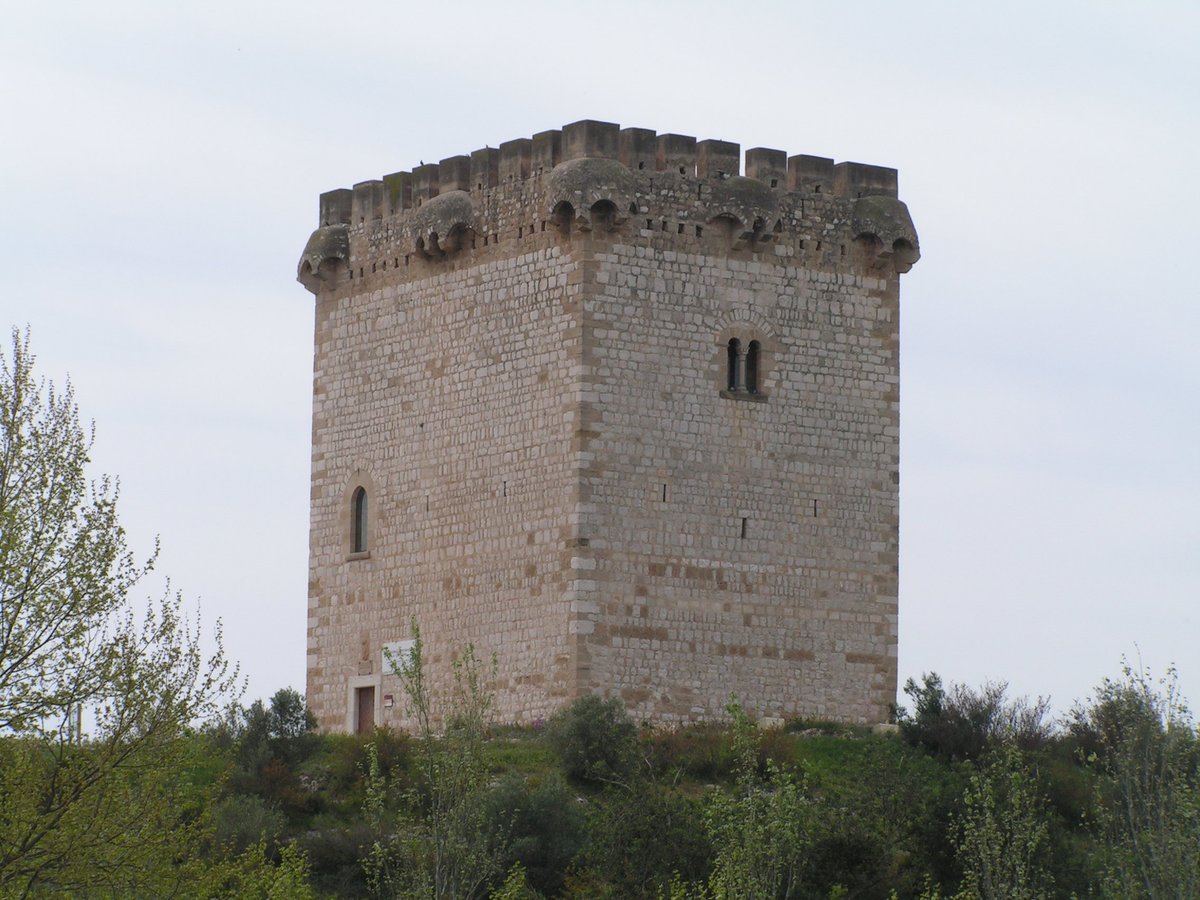

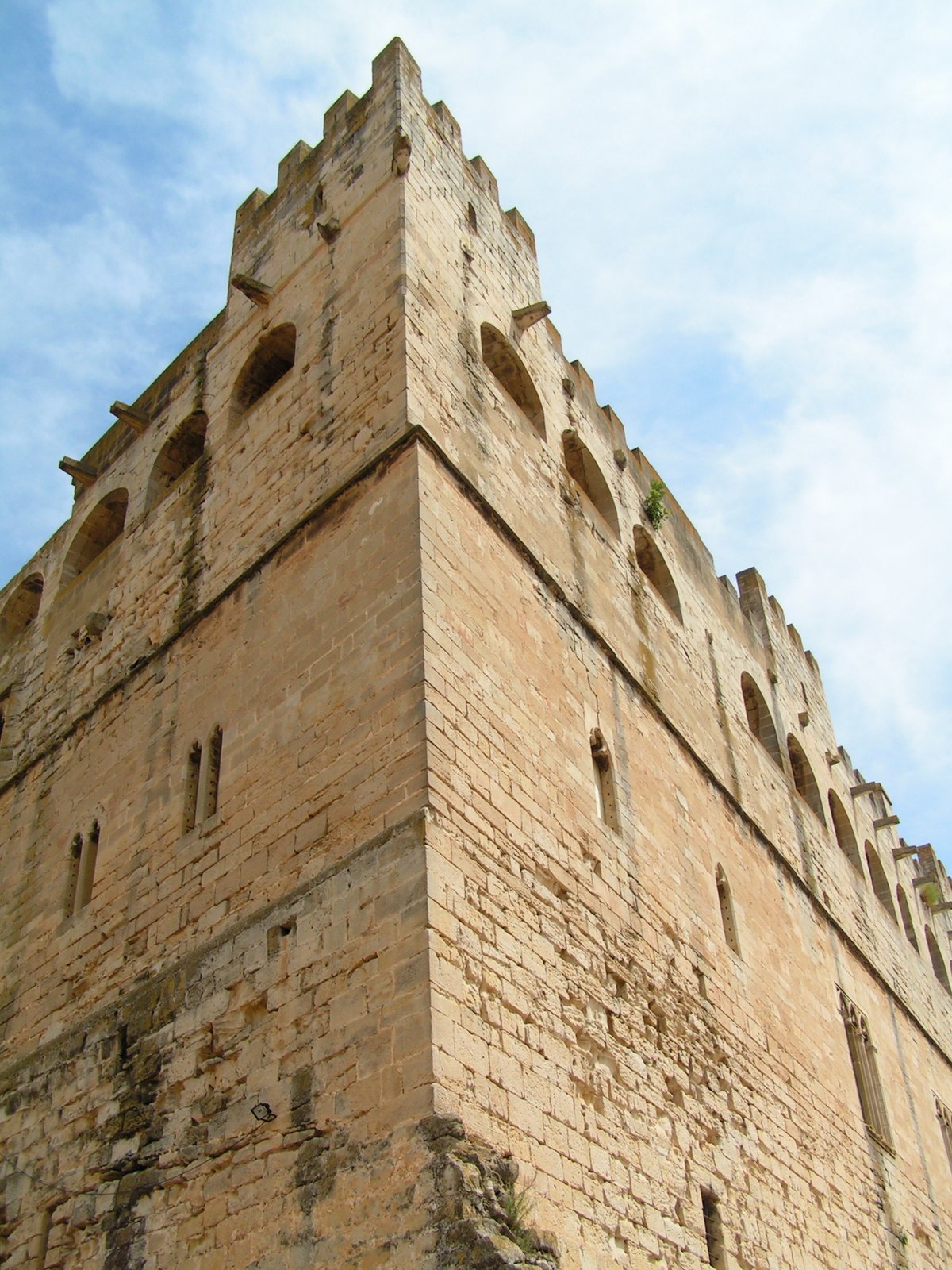
Torre de la Carrova stands as a resolute survivor of a medieval defensive network. It served as a strategic component of a system of towers and bastides guarding the Ebro river and the coast between the Coll de Balaguer and Alcanar. Working alongside its neighbor on the opposite bank, it maintained control over a vital stretch of the river's estuary.
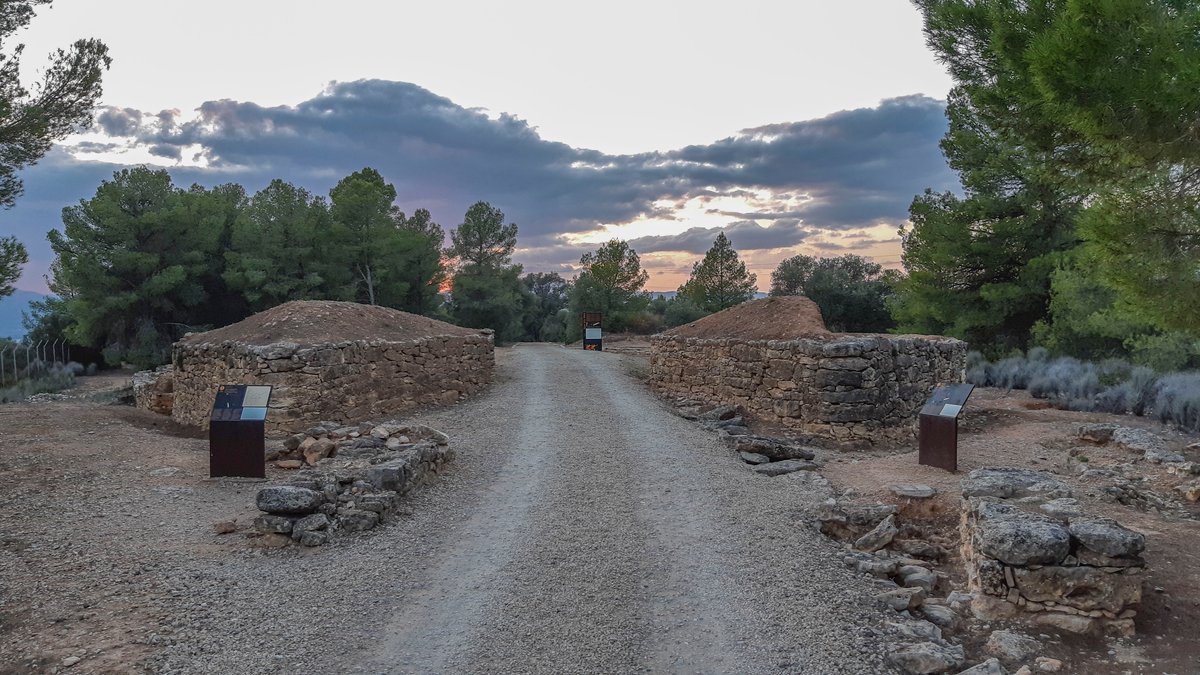
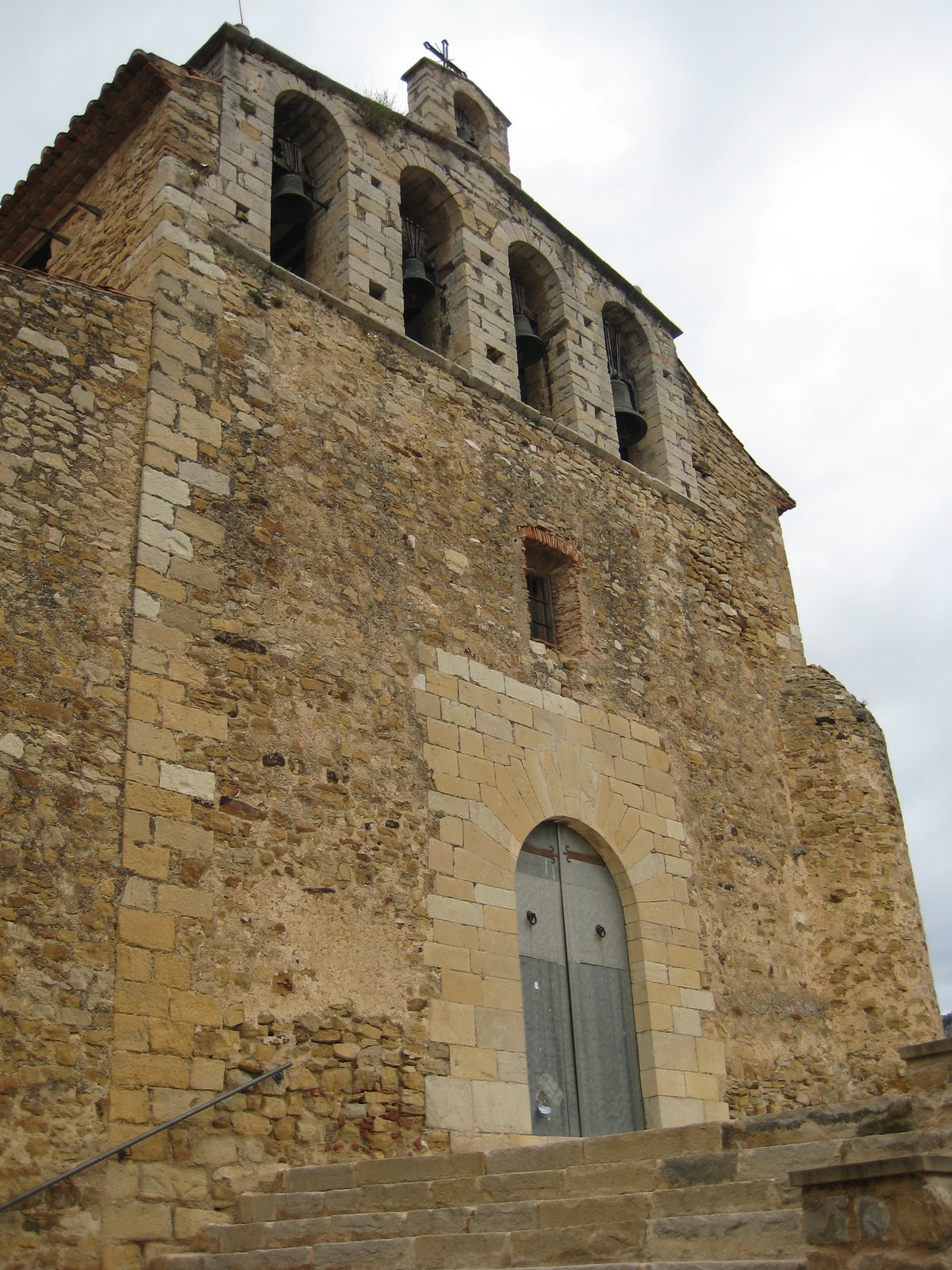
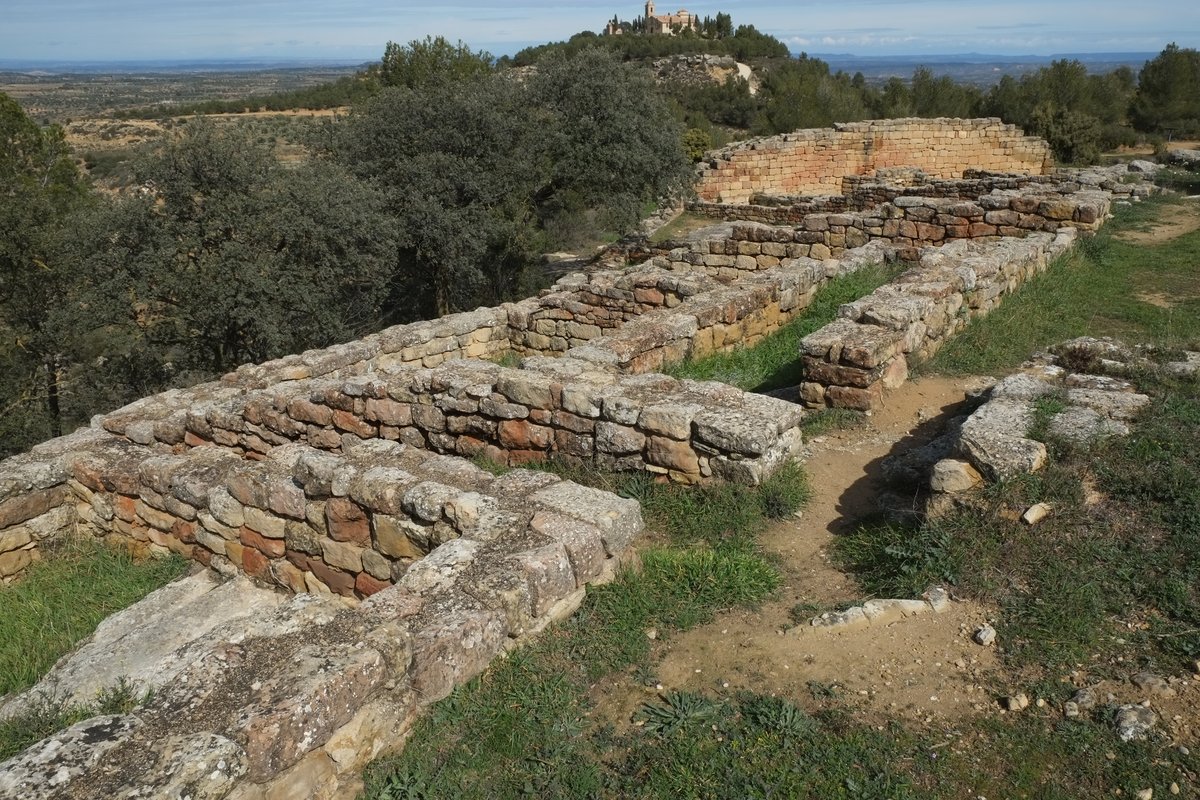
While the site holds archaeological remains dating before the 1148 conquest of Tortosa, the current stone structure originates from the 13th century. It remains the best-preserved tower in the region. Records from 1313 show Arnau de Pont purchased the tower, the surrounding lands, and a mill. It later passed to the Cistercian monastery of Benifassà, where the abbot resided for a time.
The interior architecture invites us to explore centuries of use. The ground floor served as a stable and features a pointed stone vault. The first floor contains a well-preserved bread oven and a fireplace, while the second floor is finished with a different vaulted style. Although many windows were later opened to let in light, they contributed to the building's gradual decay.
Today, the tower is owned by the Amposta Council and managed by the Museu Comarcal del Montsià. Following a careful restoration in the 1990s, it serves as a cultural hub. It stands as a primary site for those seeking to learn more about the evolution of the Ebro's medieval fortifications.
Sources: Wikipedia, OpenStreetMap, Wikidata, Wikimedia Commons
Written by Nik Frost
Discuss this with the author and others
No comments yet. Be the first to start the conversation.