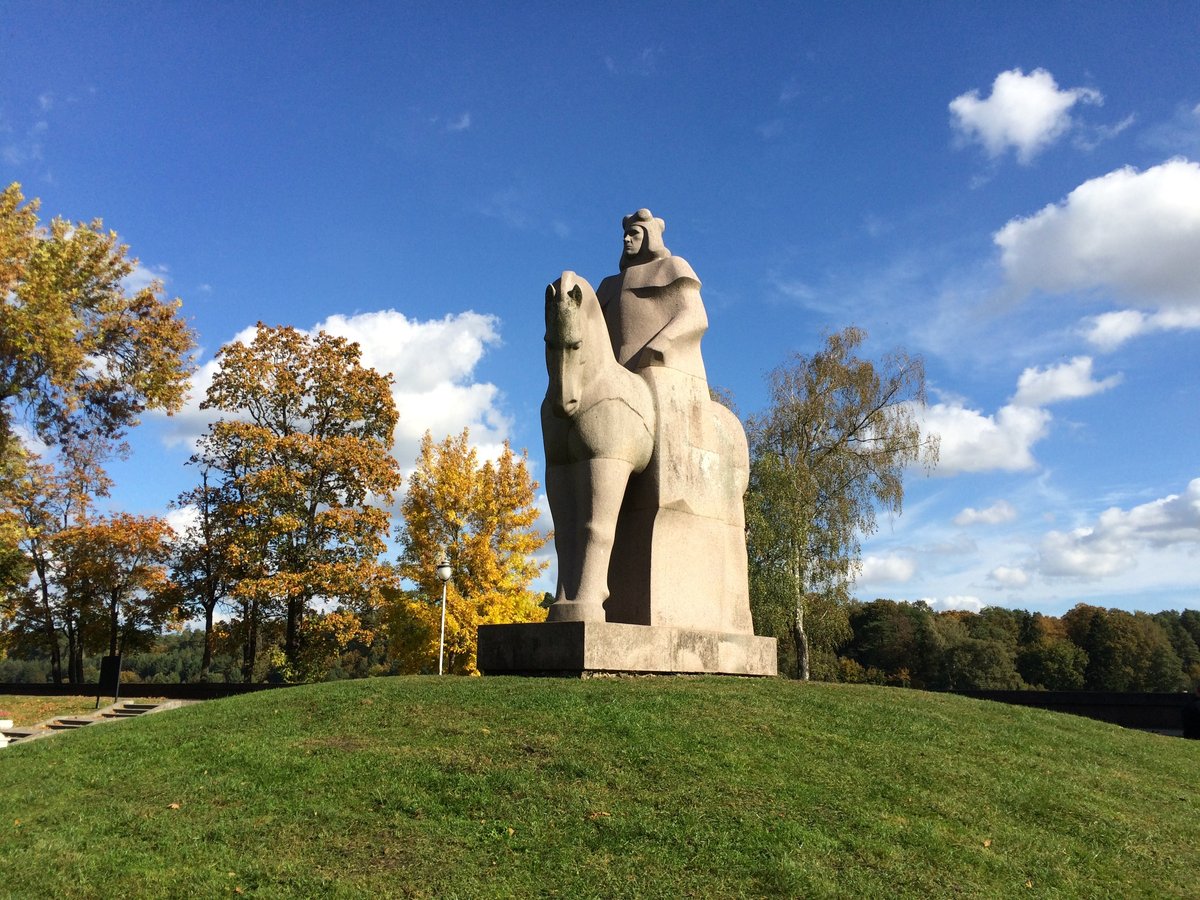

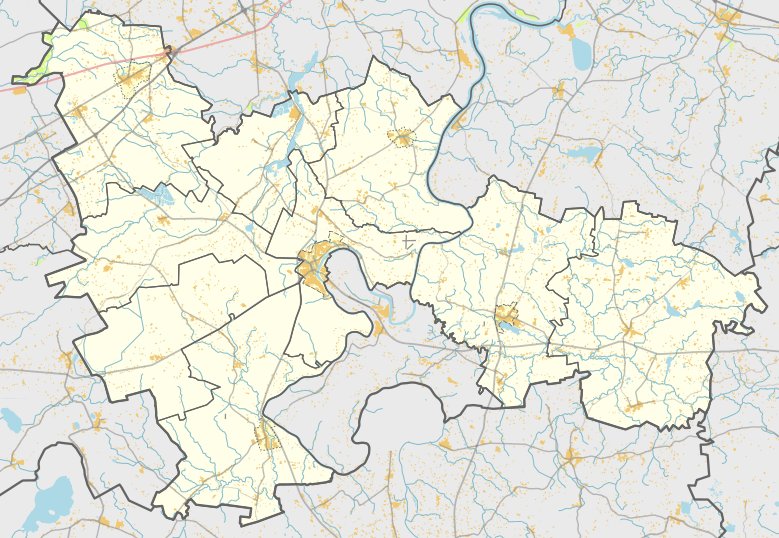
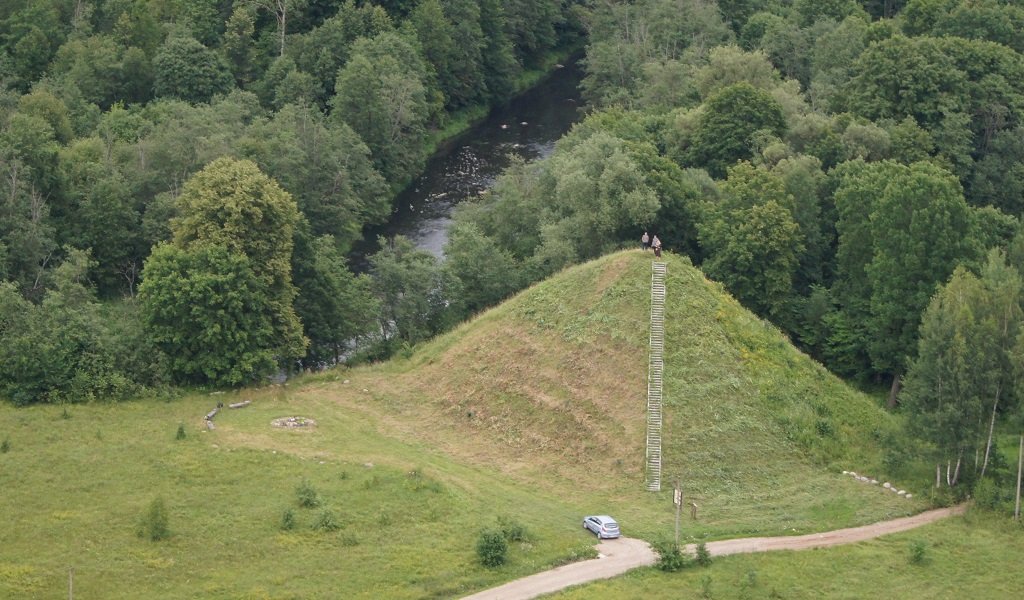
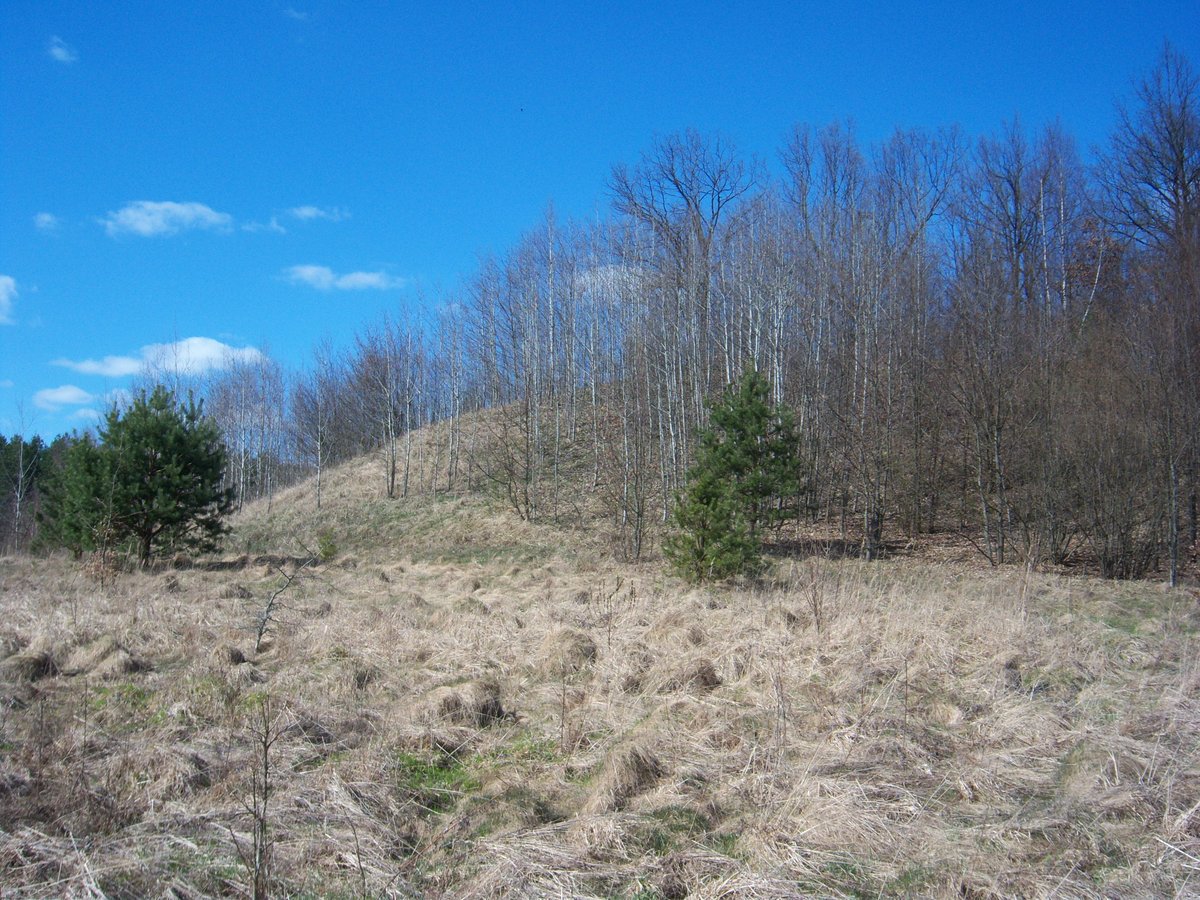
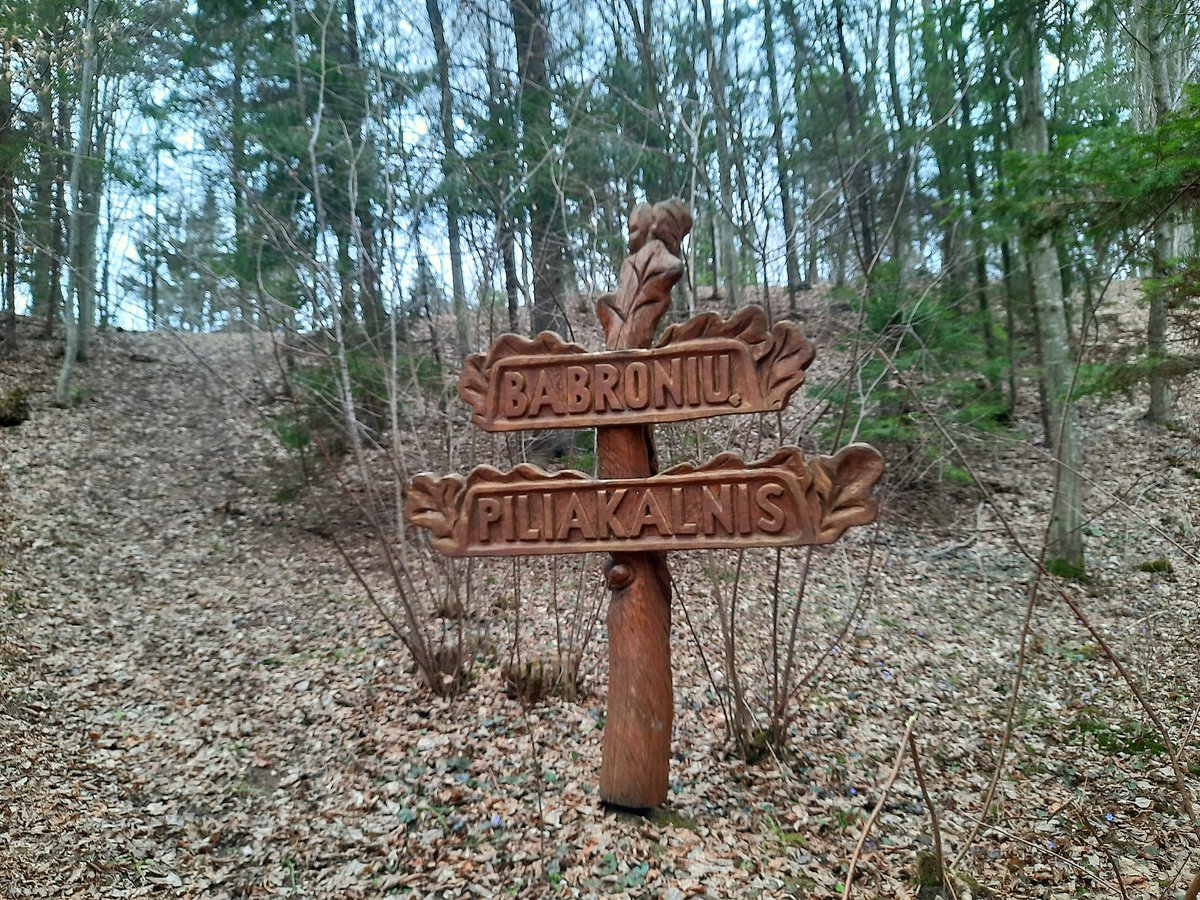
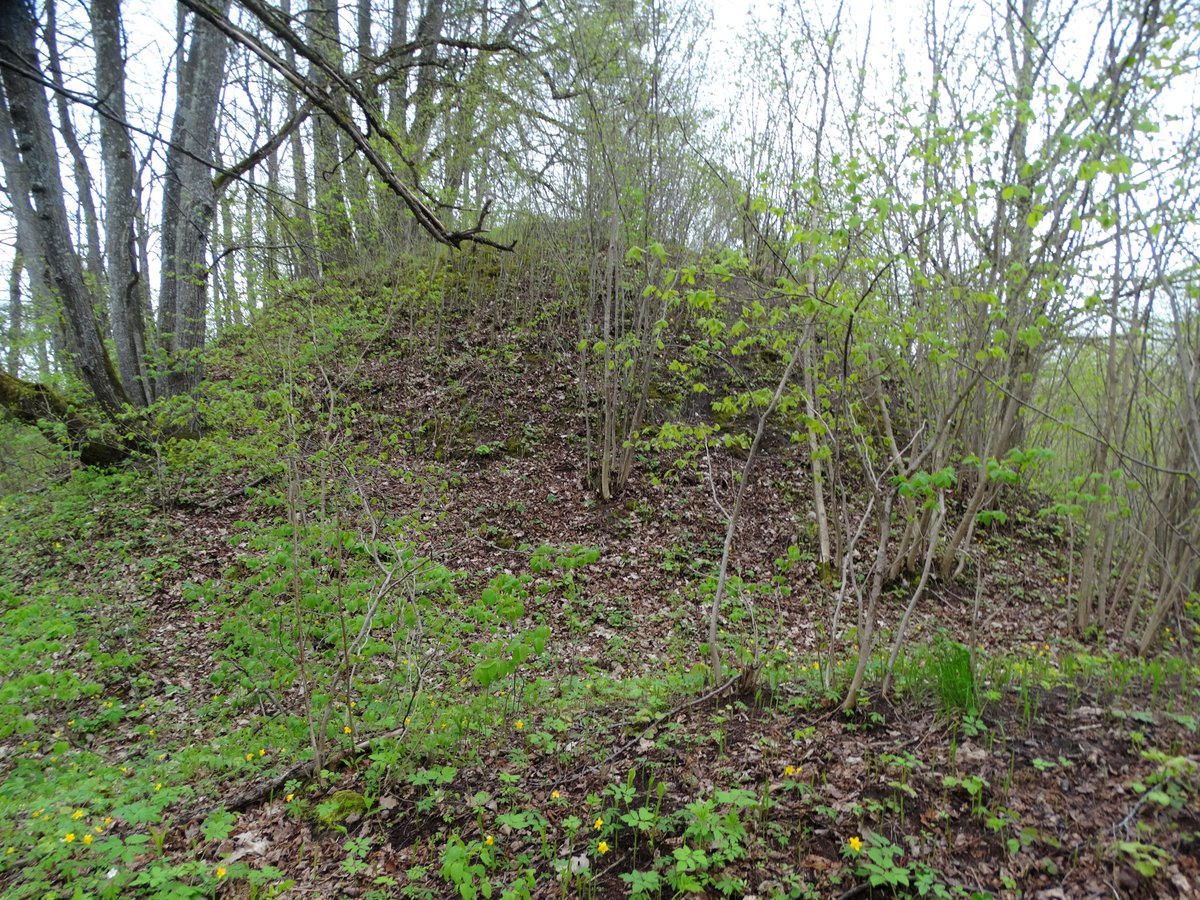
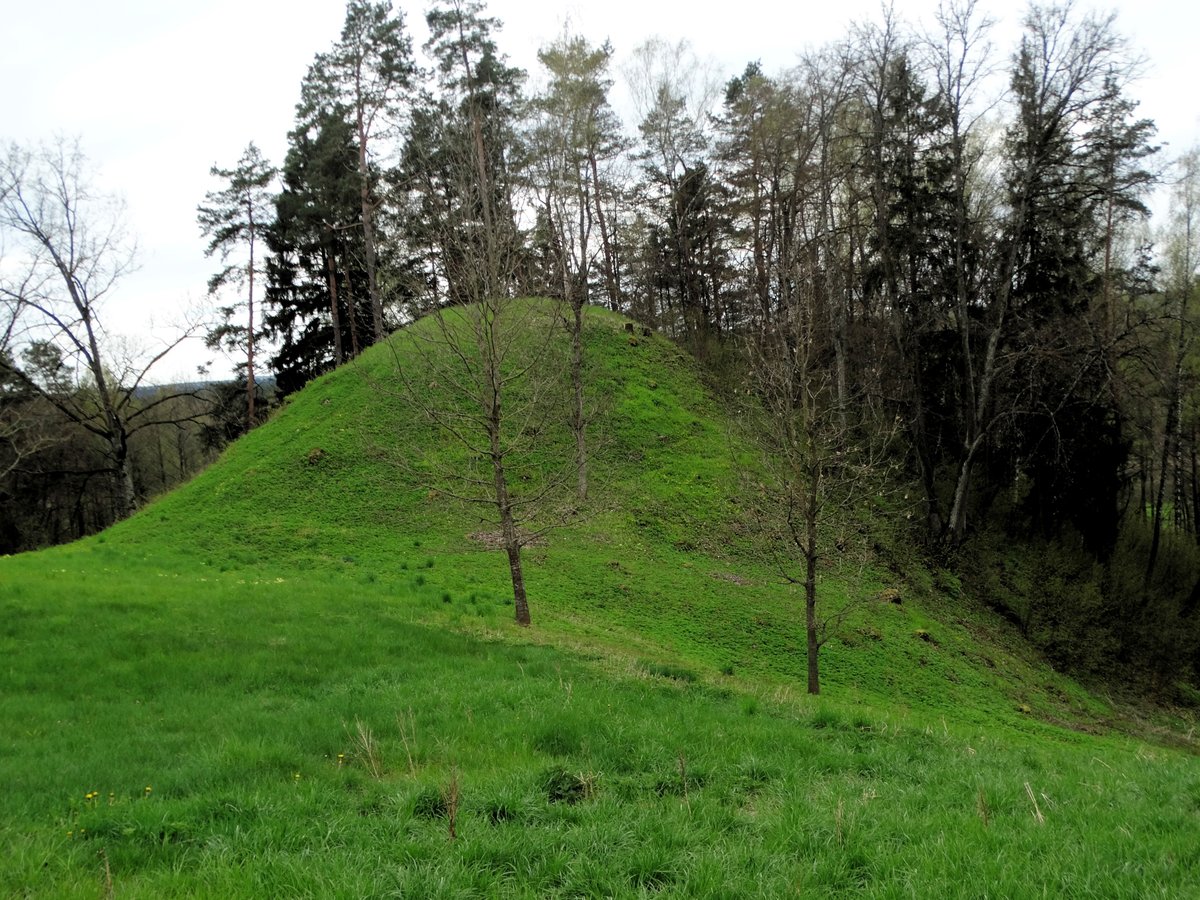
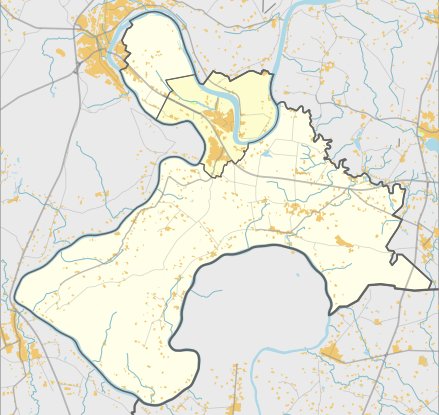
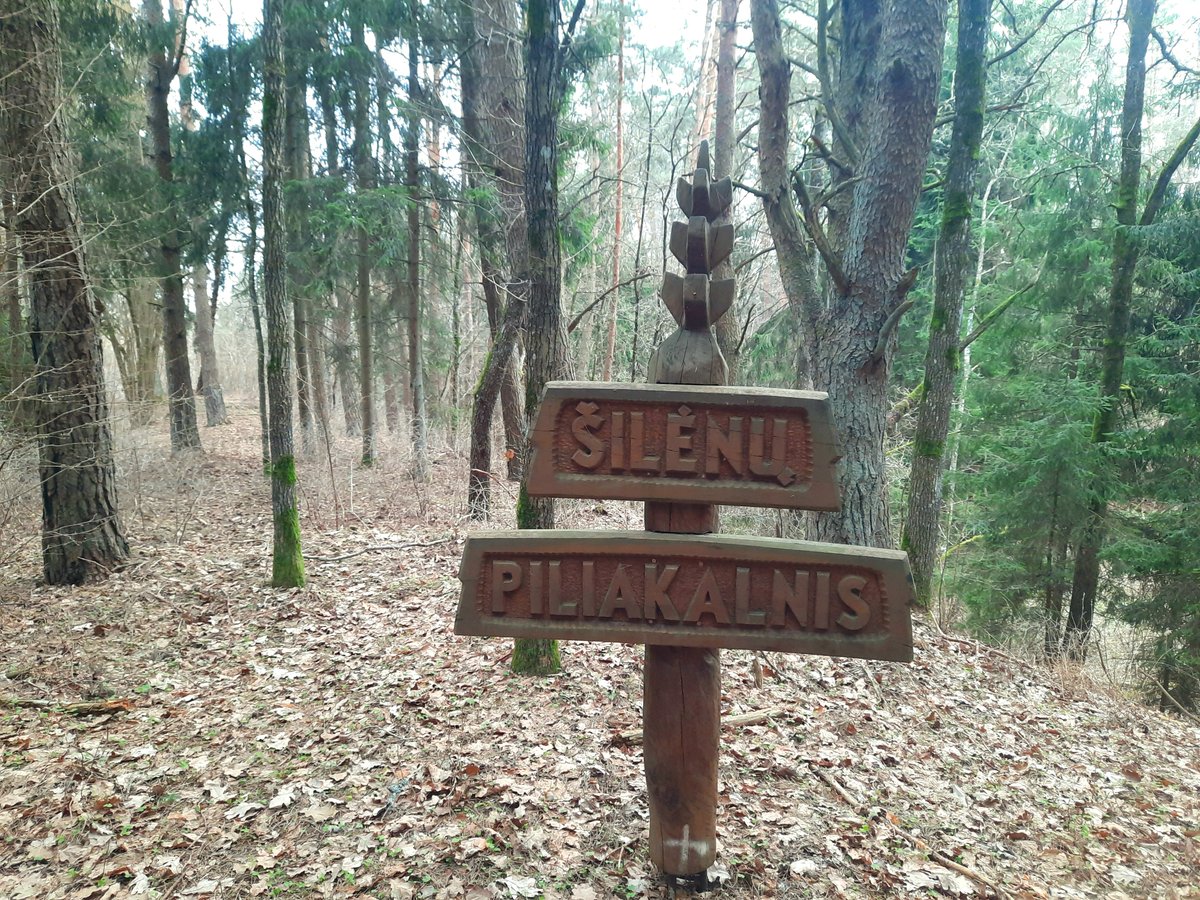
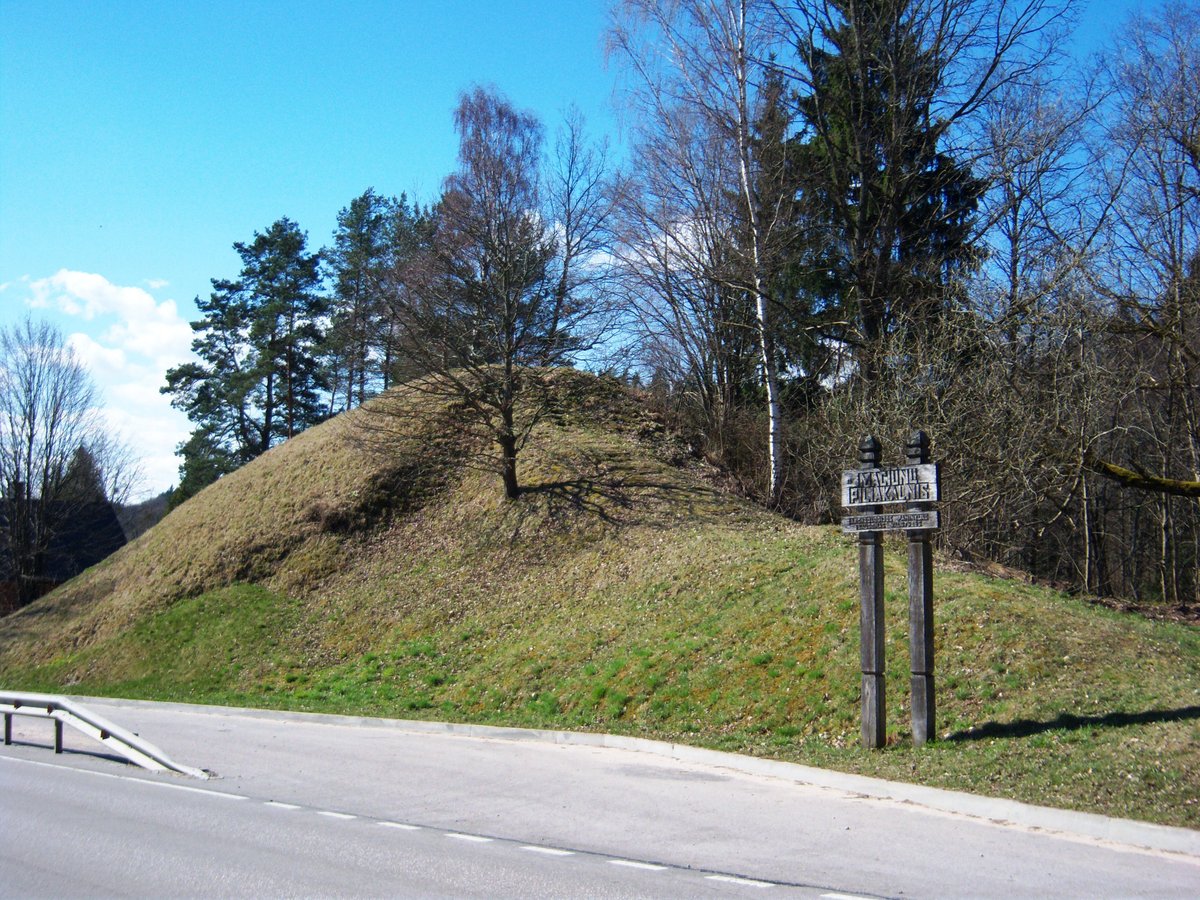
Birštono piliakalnis, also known as Vytauto kalnas (AR24), is a hillfort located in the Birštonas municipality, 0.35 km south of the Birštono Šv. Antano Paduviečio bažnyčios. The site is characterized by embankments and slopes reaching 13–20 meters in height. Its oval courtyard measures approximately 70 x 35 meters, with a portion of the northwestern side featuring pits from an excavated water reservoir. The southern slope contains remains of an ancient settlement, and the hillfort is surrounded by woods and bushes.
In 1953, the Institute of Lithuanian History conducted exploratory archaeological research on the site, discovering ceramics with rough surfaces and glazed finishes. These findings are preserved in the Lithuanian National Museum, and the specific territory of the hillfort was officially established by archaeologists in 1968. The site is also connected to a neighboring hill by a ravine and a set of stairs.
Local lore suggests that Grand Duke Vytautas used to rest here after hunting. In the late 14th century, a wooden castle reportedly stood on the site, which was defended by deep, cold moats and a fortified settlement. During the 14th–16th centuries, the castle served as a residence for grand dukes and nobles who came to the area for hunting, and it occasionally provided refuge for local residents fleeing enemy armies. In 1473, Grand Duke Kazimieras Jogailaitis hid in the castle with his family to escape the Polish crown. The castle lost its defensive significance and fell into ruin between the 15th and 16th centuries.
Sources: Wikipedia, OpenStreetMap, Wikidata, Wikimedia Commons
Written by Nicolo Ciampini
Discuss this with the author and others
No comments yet. Be the first to start the conversation.