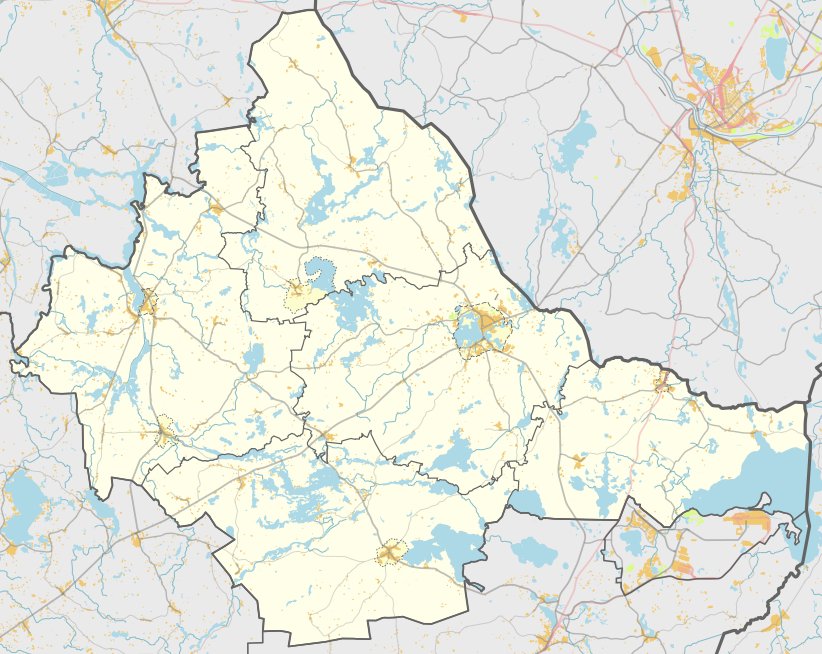
Antaniškių piliakalnis, the stone hill fort in Zaras Region's Imbrada parish, is a mystery wrapped in stone. Its walls date back to the 1st century BC, and its oval shape dominates a rural landscape near Antaniškių village. But it is not just any fort. Look closely, and you will find an inscription etched on a stone, a sign that the story of Antaniškių piliakalnis goes deeper than its stone walls suggest. The inscription, over 2000 years old, remains undeciphered; archaeologists have not yet determined what it says.
The fort, once home to people who lived between the 1st century BC and the 1st century AD, was excavated in the 1940s. Today, you can see remnants of ancient pottery and clay statues, but the fort's secrets still lie hidden beneath the soil. Antaniškių piliakalnis is listed among Lithuania's cultural treasures, and it is open to visitors. But to truly appreciate the stone fort and the secrets it holds, you need to look past its walls and be willing to uncover the mysteries hidden within its ancient inscription.
Sources: Wikipedia, OpenStreetMap, Wikidata, Wikimedia Commons
Written by Nicolo Ciampini
Discuss this with the author and others
No comments yet. Be the first to start the conversation.