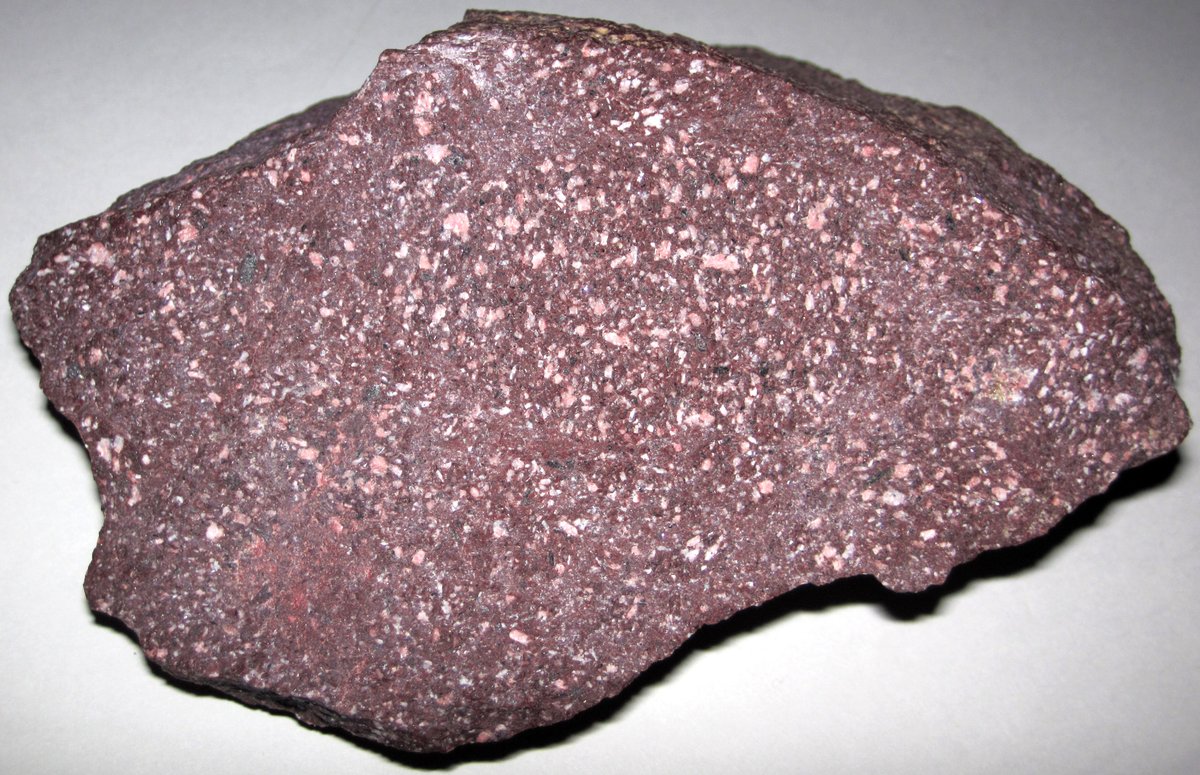

In the heart of the Red Sea, beneath the sands of Egypt’s Eastern Desert, lies Mons Porphyrites. Known today as Gebel Dokhan, it was the only known source of the purple 'imperial' variety of porphyry during the Roman Empire. This stone was used in Rome and Constantinople for decorative purposes, especially in imperial sarcophagi.
The site was discovered by Caius Cominus Leugas in AD 18, and its exploitation can be traced by hundreds of ostraca from not long after until the 430s. It was accessible only by means of a circuitous branch of the road between Caene on the Nile and the Roman fort on the Red Sea coast, with the small fort of Deir el-Atrash lying along the route.
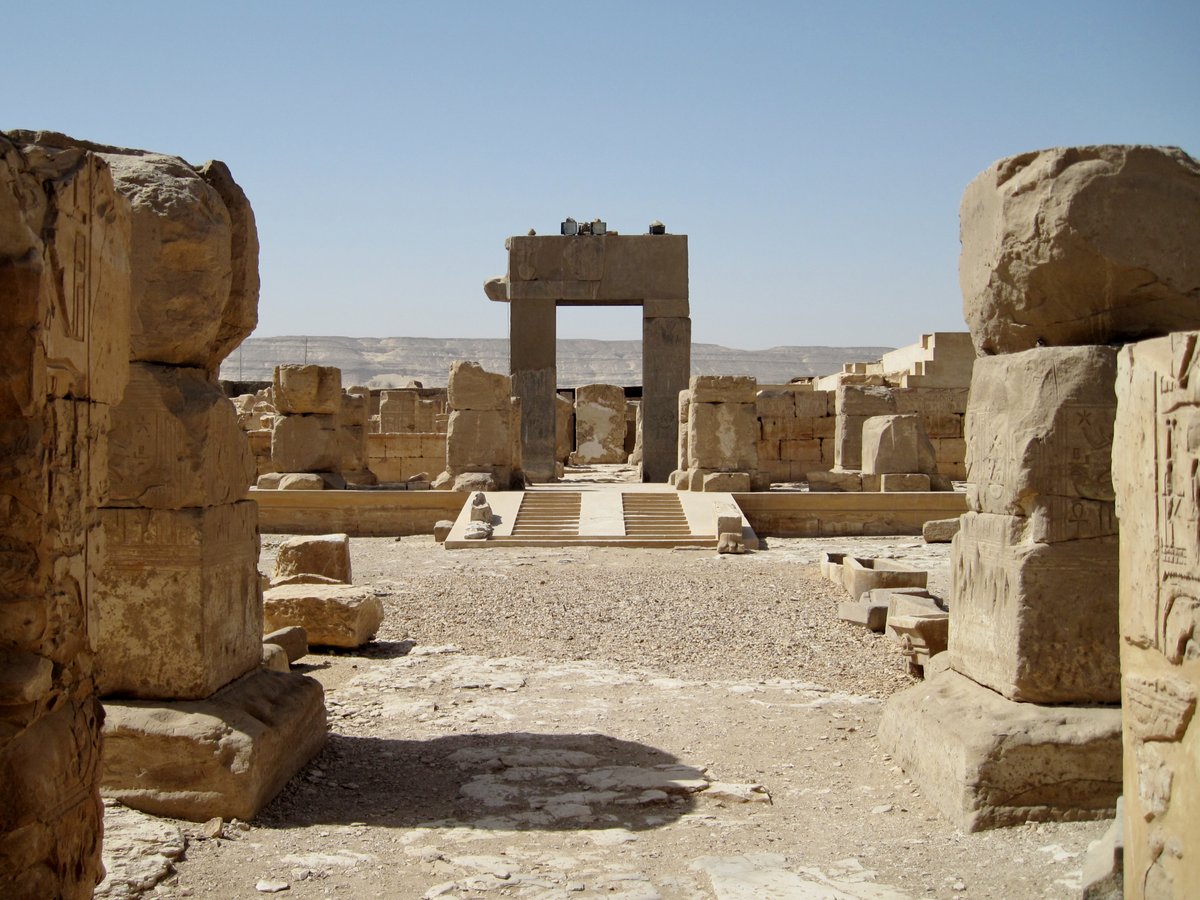
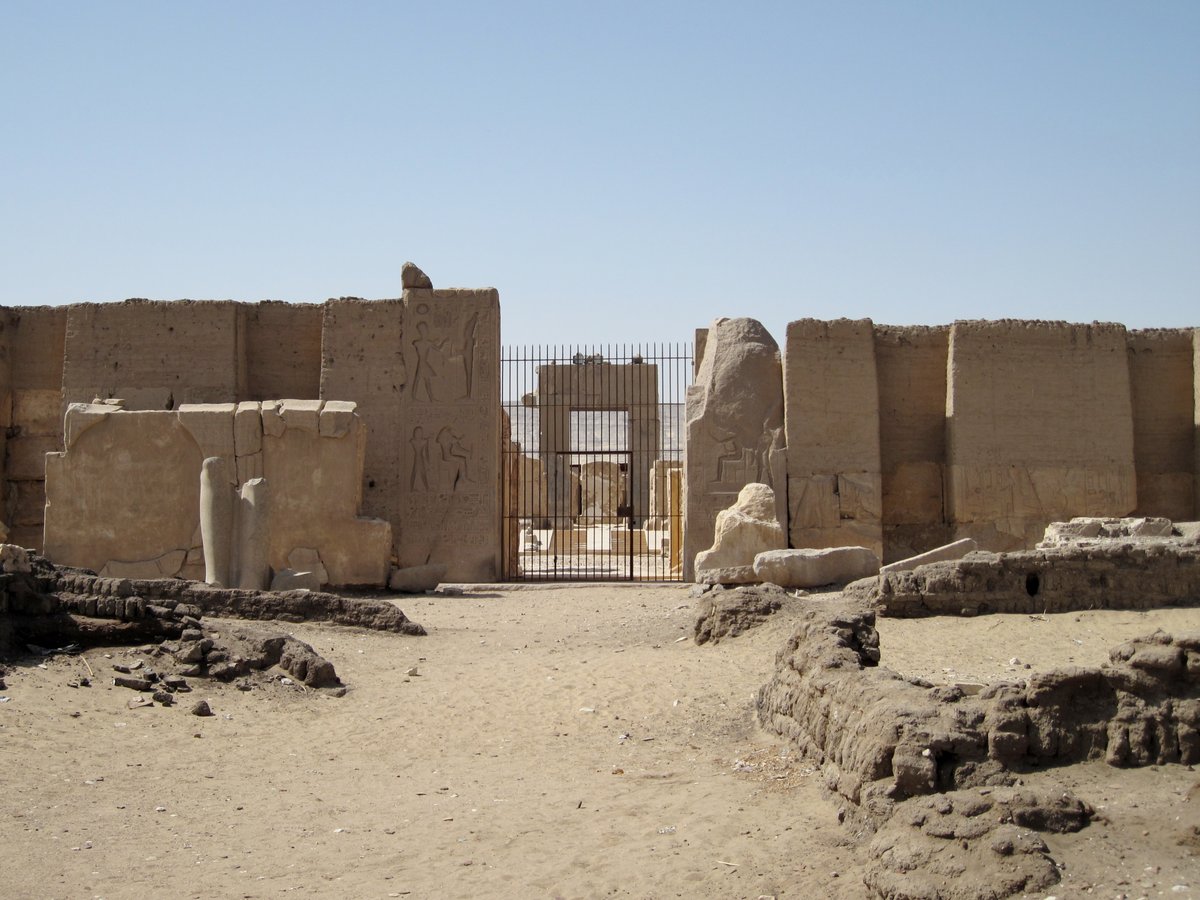
The actual quarries were spread out over 9 square kilometres. There were five dispersed villages for workers and a central complex at Wadi Abu Ma'amel 630 metres above sea level. The highest quarries were at Rammius at 1,438 metres. Quarried stone had to be dropped down slipways to the wadi below. The central complex had a workers' settlement, a fort, temples to Sarapis and Isis Megiste, a bath with a hypocaust, and a cemetery. The temple of Isis can be dated to 113 and that of Sarapis to 117–119.
Evidence for blacksmithing exists in the workers' area. A second temple to Isis Myrionyma, dating to 137–138, lay on the other side of the wadi. The central complex had two wells and a large cistern for water storage in the fort. The earliest settlement, where an inscription of Cominus Leugas is found, contains a temple to Pan. Several of the villages were only occupied into the 2nd century, but there are later tombstones, pottery, and coins from the higher quarries.
Sources: Wikipedia, OpenStreetMap, Wikidata, Wikimedia Commons
Written by Mutabor
Discuss this with the author and others
No comments yet. Be the first to start the conversation.