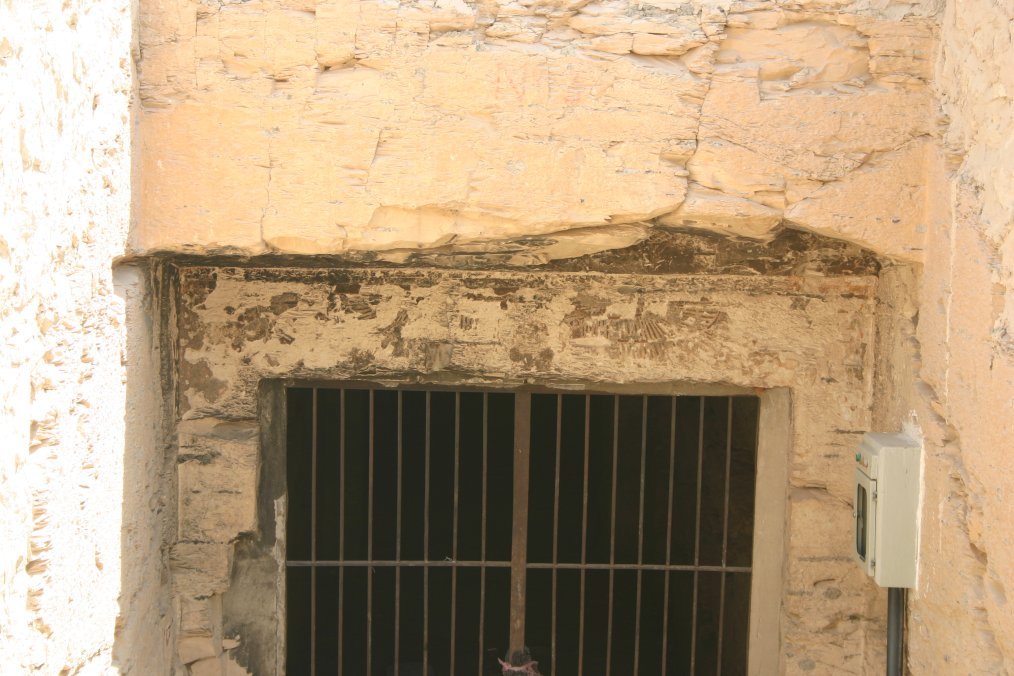

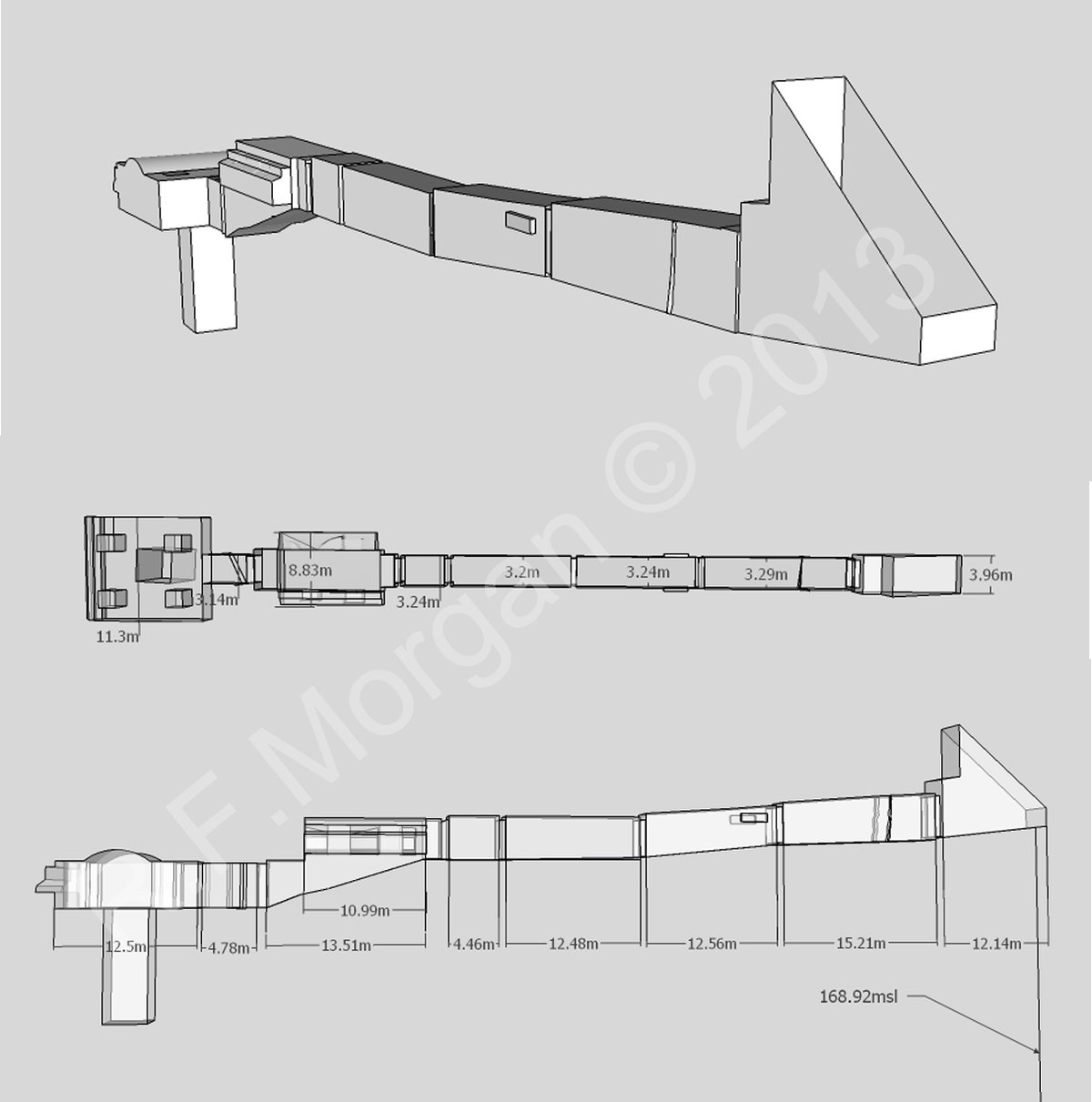
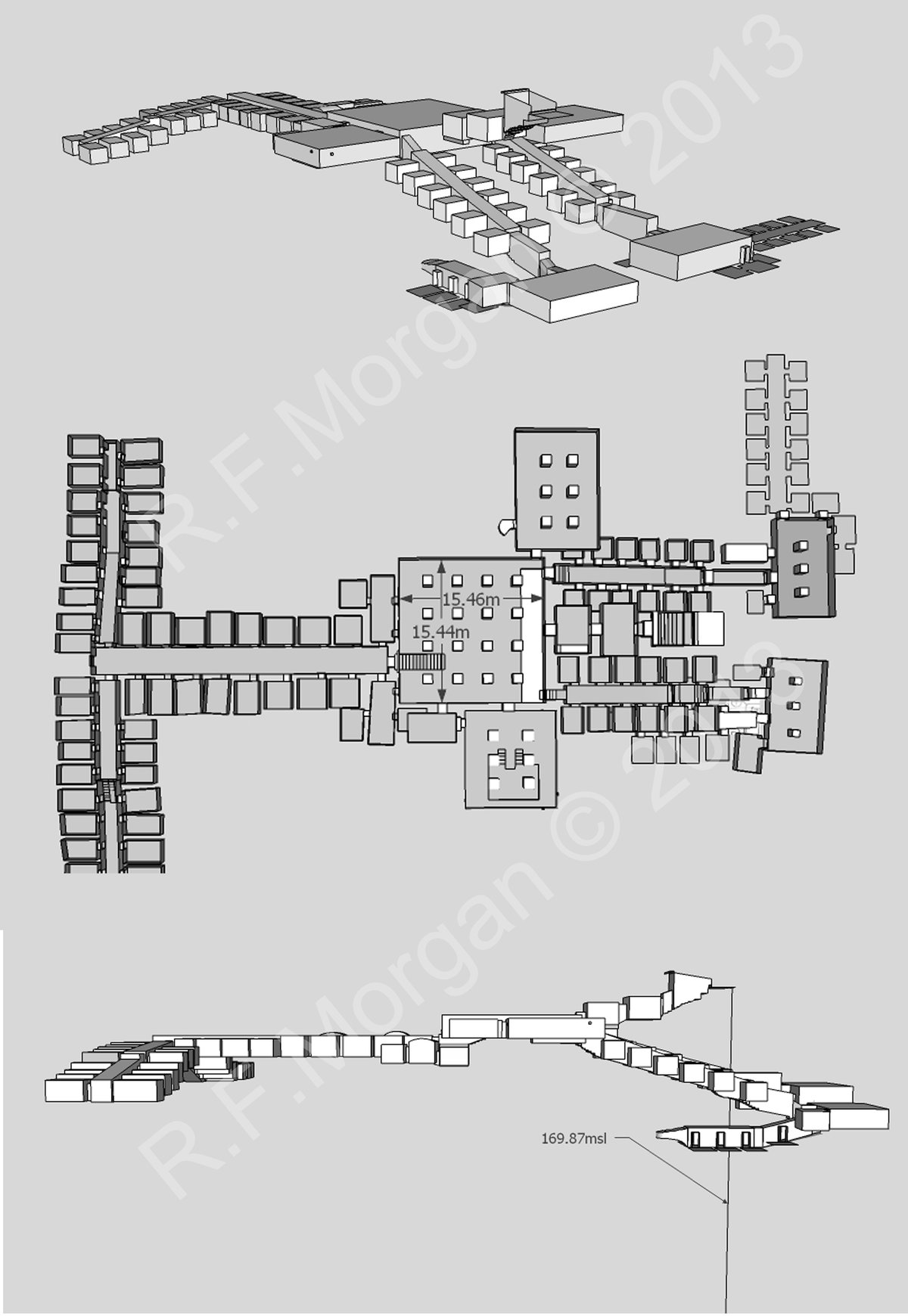
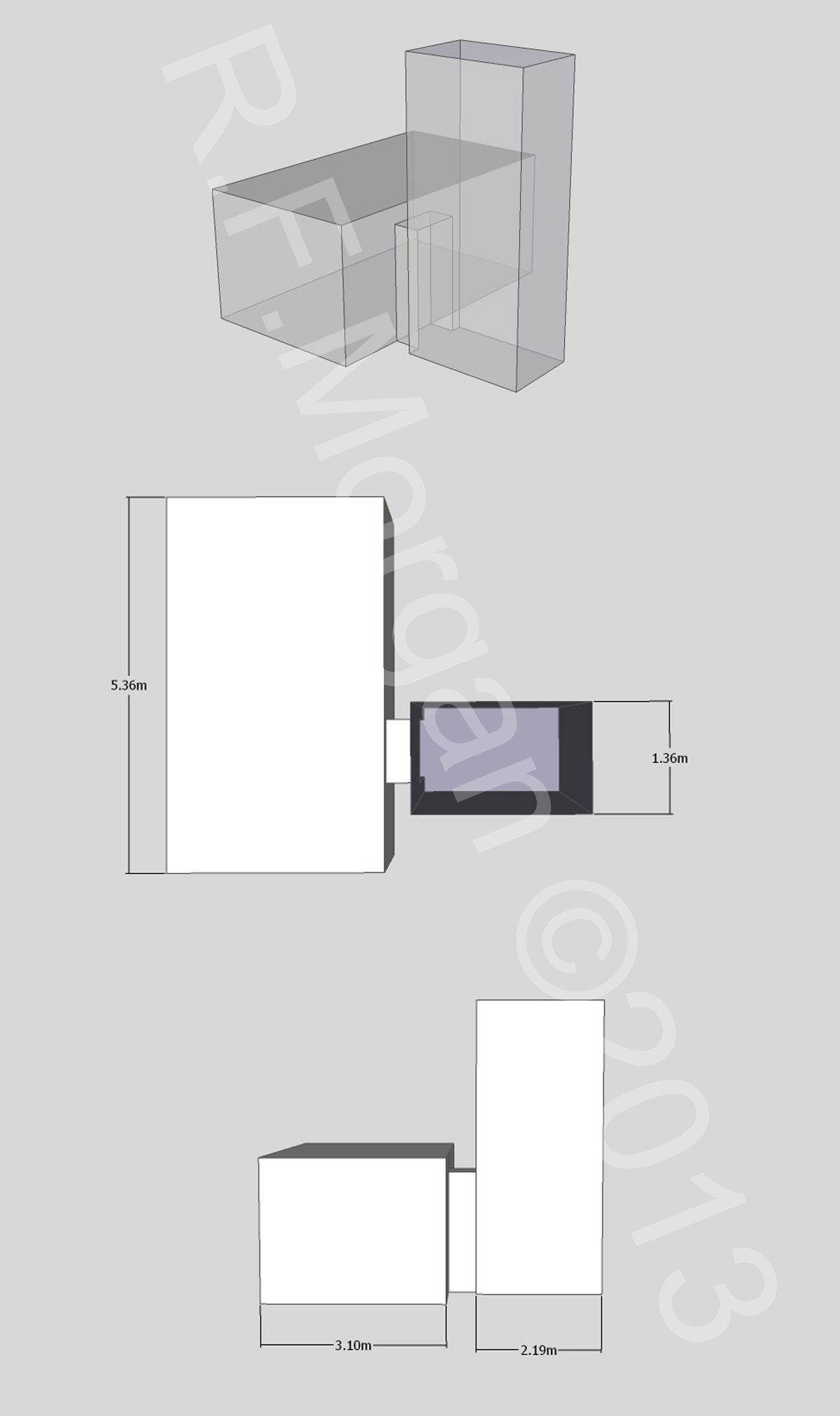
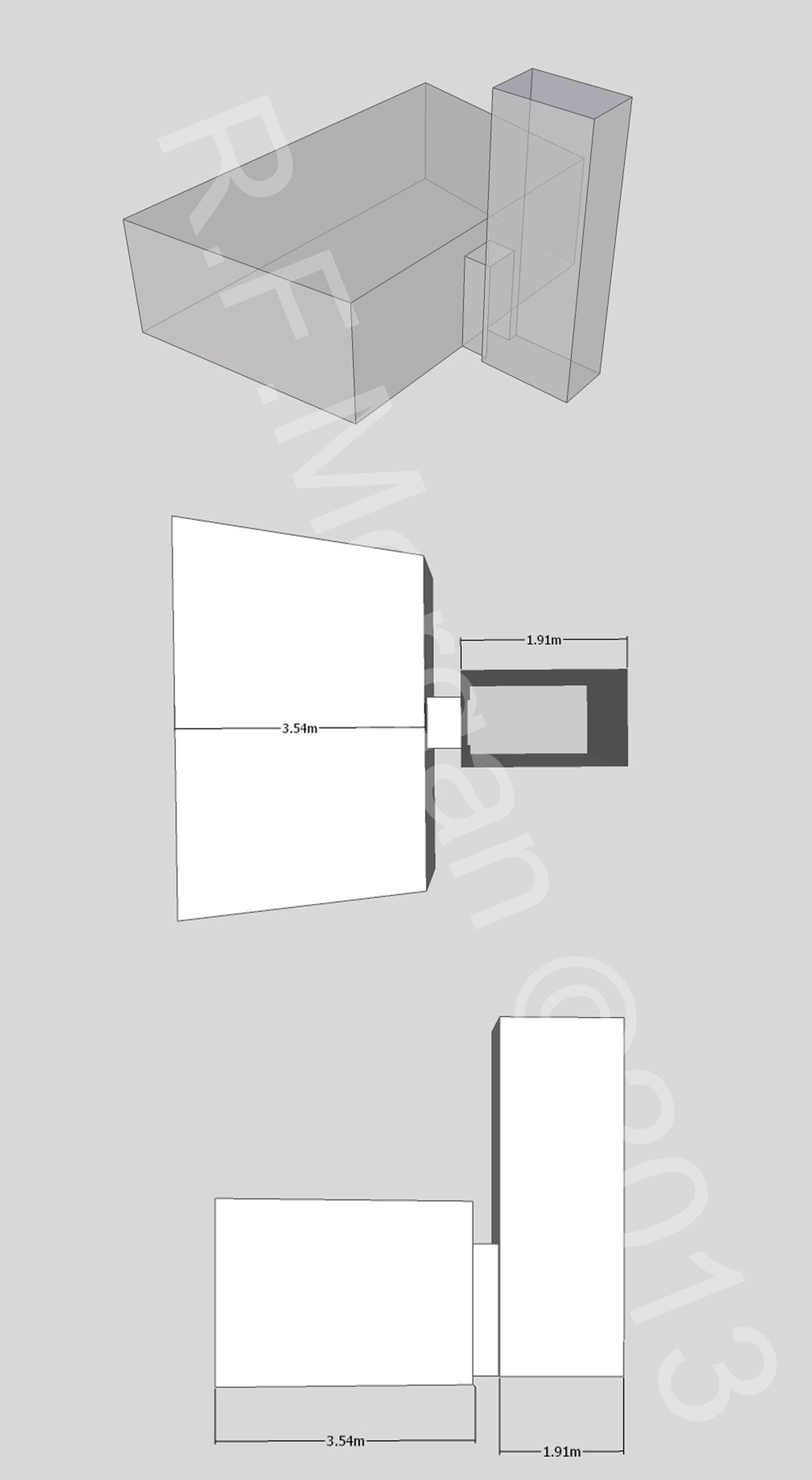
During the Twentieth Dynasty, a tomb was begun for an unidentified son of Pharaoh Ramesses III. The design follows the straight axis style typical of the dynasty, mimicking the layout used in the Valley of the Queens. Workers carved corridors and chambers, including a larger room with four pillars and rooms with vaulted ceilings, intended to house a member of the royal family.
However, the construction was halted, leaving the tomb in an unfinished state. While some areas like the south-facing chamber 'Bb' and the northern chamber 'Fa' were completed, other rooms like 'Ba' and 'Fb' were only just begun. Scant archaeological evidence suggests the tomb was never used, though some believe it may have been intended for the prince regent who eventually became Ramesses IV.
Decoration survives only along corridor B, showing Rameses III and an unnamed prince attended by gods and goddesses. Karl Lepsius noted traces of paint on the vaulted chambers and mentioned cartouches and images of Rameses III in the first corridor when he visited in the 1840s. There is also evidence that the tomb was used as a Christian chapel during the Byzantine period.
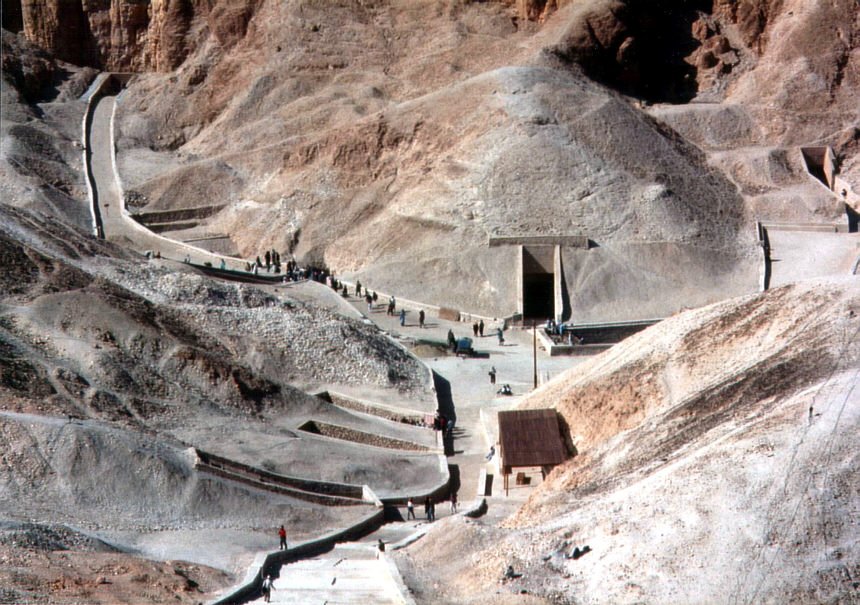
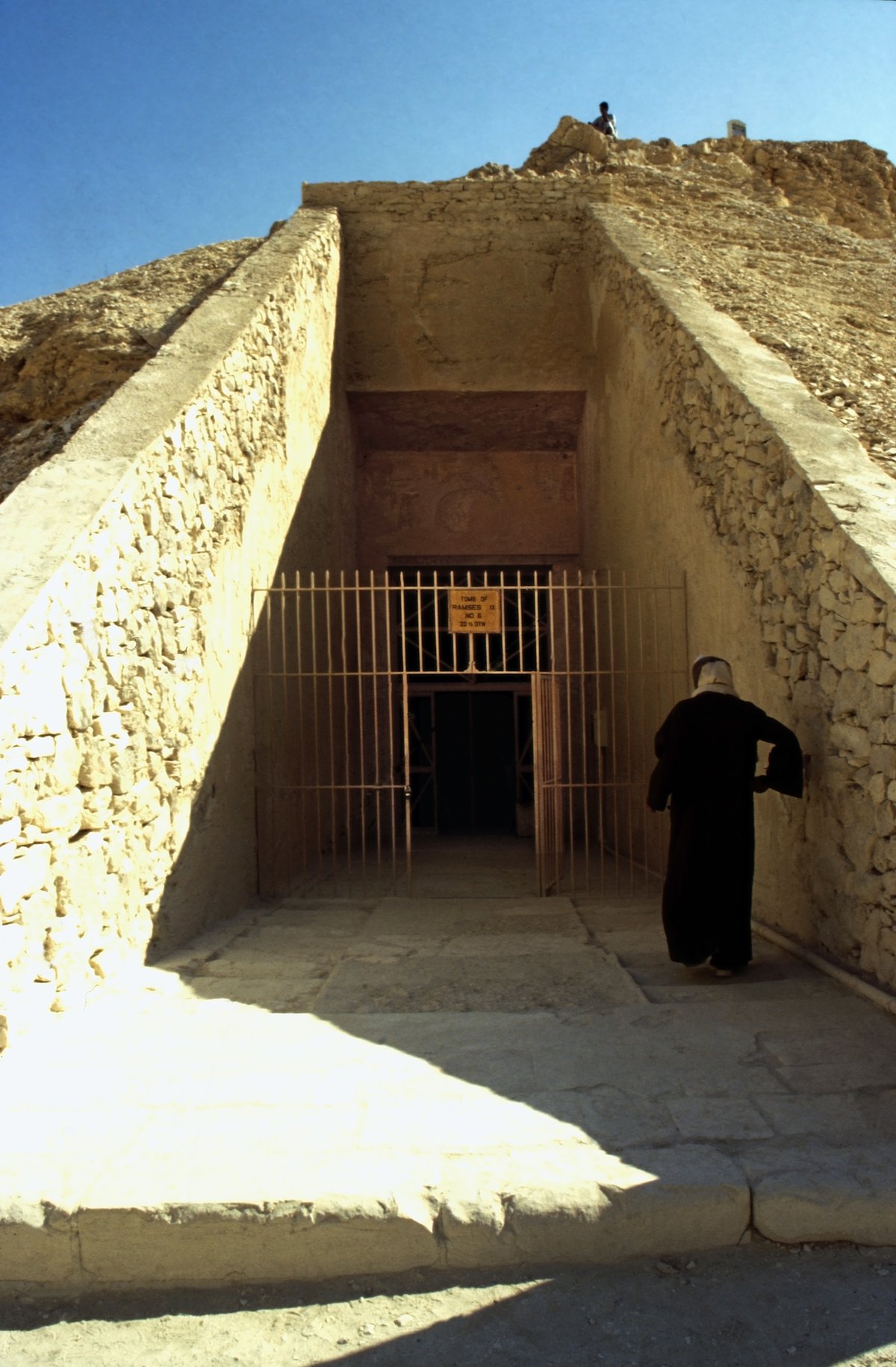
Located on the main path of the valley, the tomb was properly excavated in 1912 by Harry Burton. The excavation was funded by Theodore M. Davis, a wealthy American lawyer, though no official report of the work was ever published. It remains a silent monument to a royal burial that never took place.
Sources: Wikipedia, OpenStreetMap, Wikidata, Wikimedia Commons
Written by Mutabor
Discuss this with the author and others
No comments yet. Be the first to start the conversation.