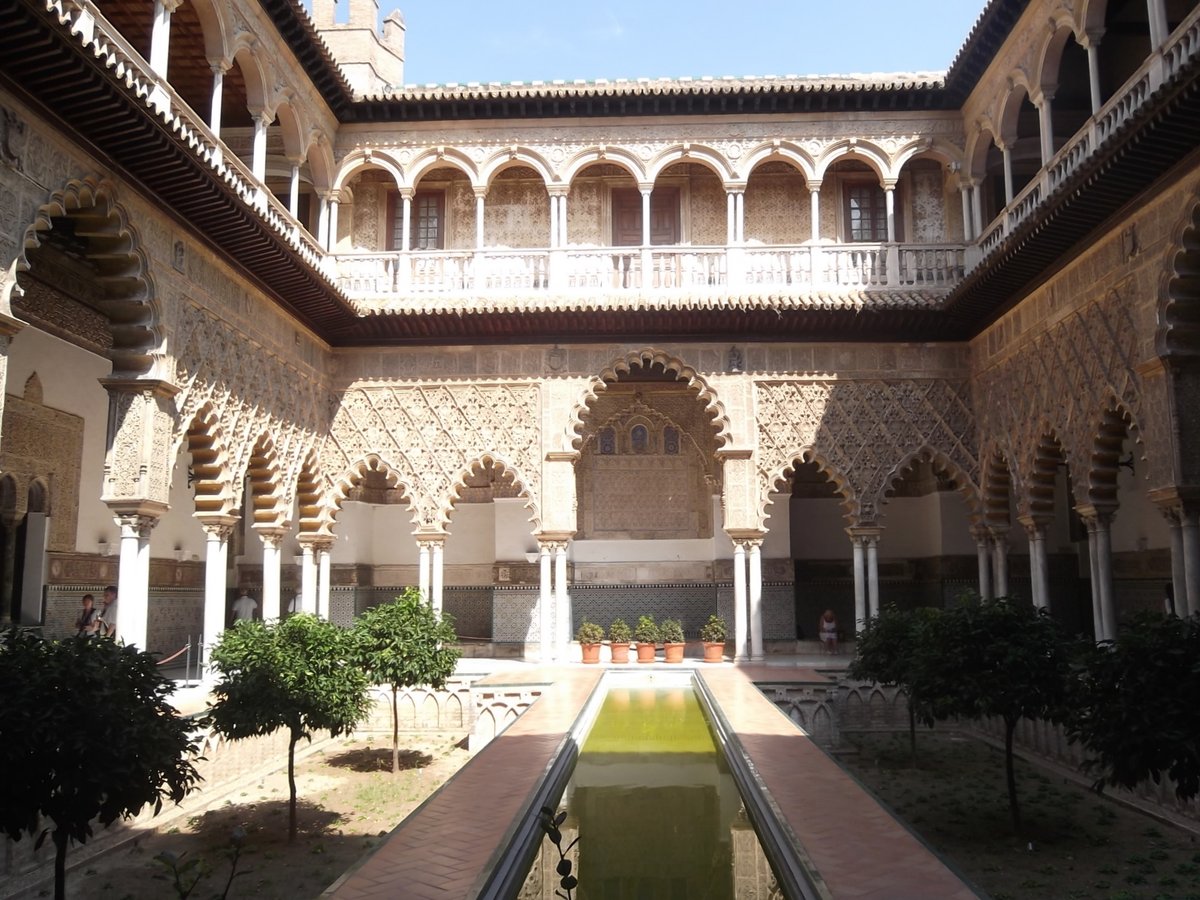

We begin our journey in the 10th century, where the Umayyads established a fortified construction on this site. By the 11th century, the Abbadid dynasty expanded the complex further south and east. They added a southern enclosure named al-Mubarak, which means the Blessed. The complex included various additions such as stables and warehouses.
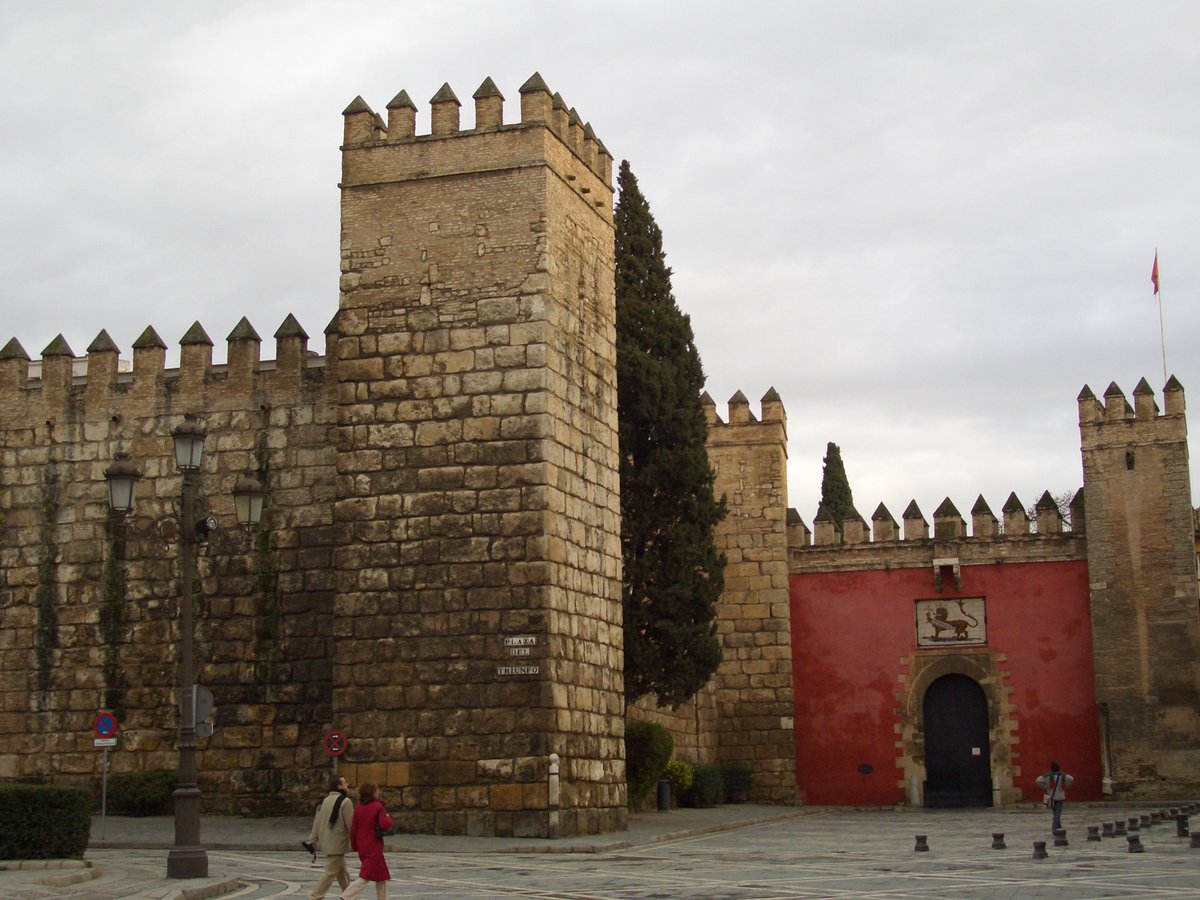
Change arrived in 1248 following the Castilian conquest. While many Islamic-era buildings were removed, certain features survived to tell their story. The current Patio del Crucero preserves an Almohad-era layout of a garden divided into quadrants by intersecting paths. Later, in the 1360s, much of the complex was rebuilt in a rich Mudéjar style. This era produced a monumental façade, the Patio de las Doncellas, and the domed Hall of the Ambassadors, where Arabic and Latin inscriptions sit side by side.
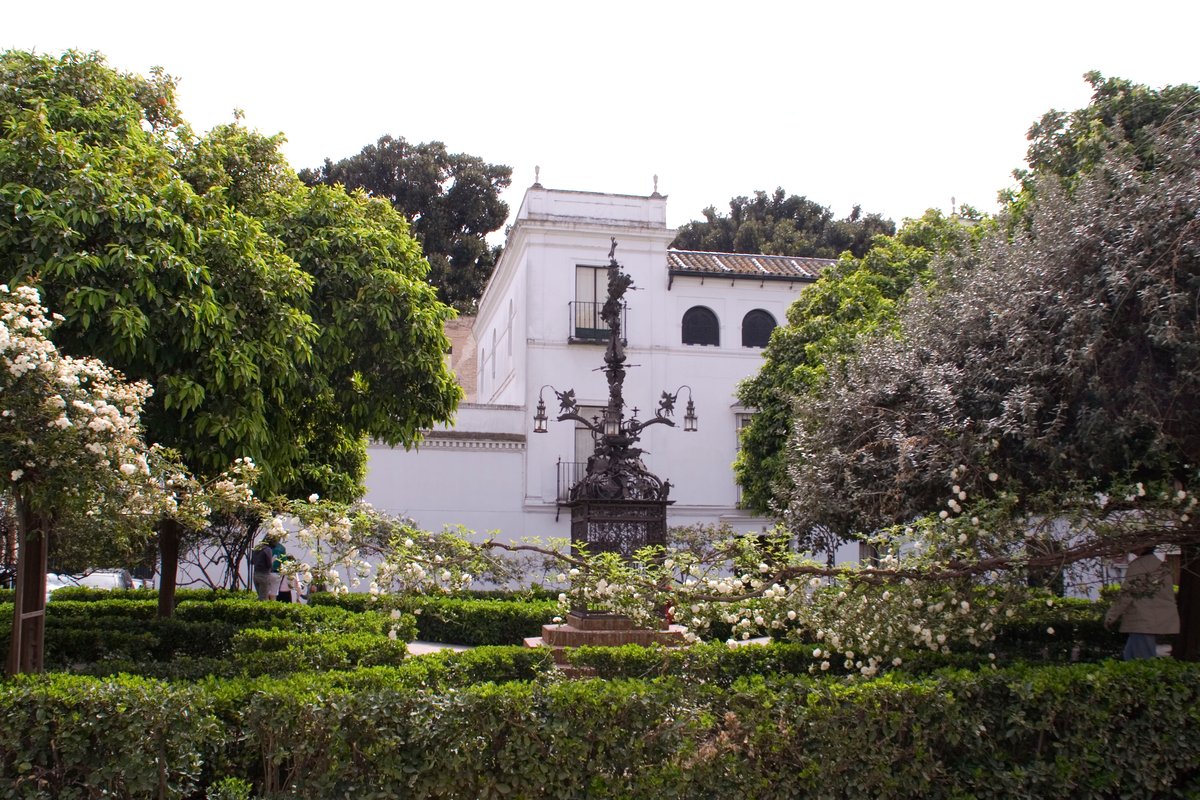
Today, the Alcázar stands as a living royal residence that invites us to explore its many layers. While the lower levels are open to the public, the upper storeys remain occupied by the Spanish royal family during their visits to Seville. You are invited to explore the Mudéjar courtyards, the Gothic vaults of the Baños de María de Padilla, and the sprawling gardens to discover what else lies within these walls.
Sources: Wikipedia, OpenStreetMap, Wikidata, Wikimedia Commons
Written by Nik Frost
Discuss this with the author and others
No comments yet. Be the first to start the conversation.