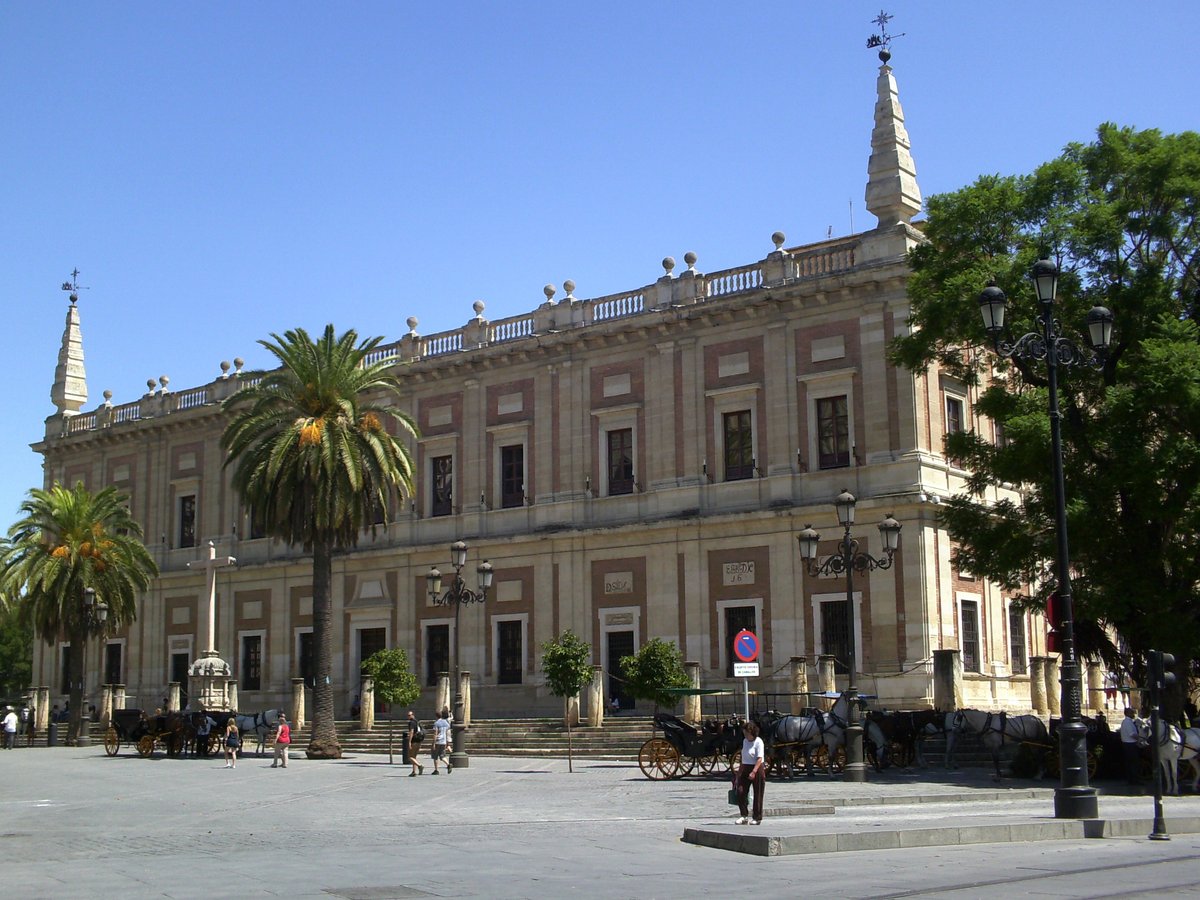

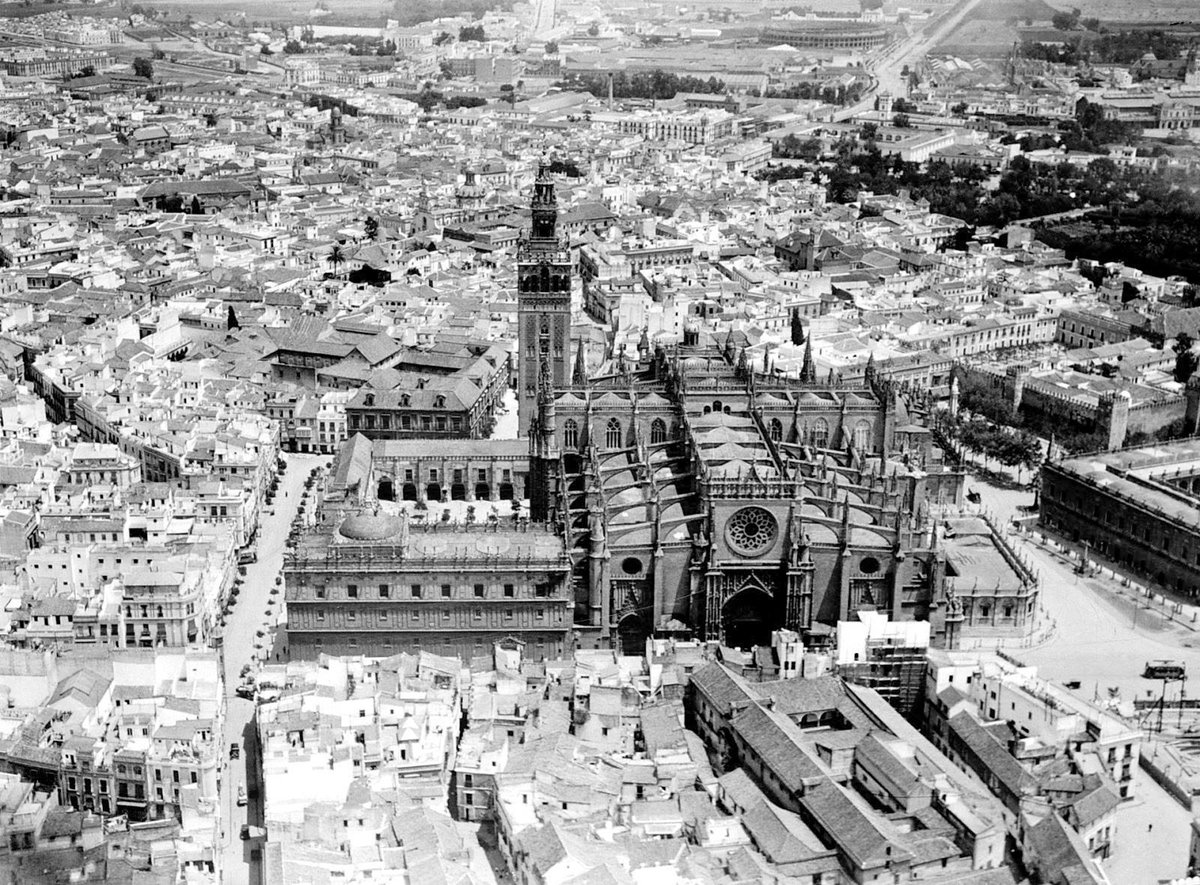
In the heart of Seville, Spain, you'll find the General Archive of the Indies (AGI), a testament to history. Initially erected between 1584 and 1646, it started life as the Lonja, a building designed by Juan de Herrera and built to house the Consulado de mercaderes of Seville. Until this building was commissioned in 1572, the merchants of Seville had been in the habit of retreating to the cool recesses of the cathedral to transact business.
The building served various official functions, including the Consulados de Sevilla y Cádiz and the Secretarías de Estado y Despacho Universal de Indias, de Estado, Gracia y Justicia, Hacienda y Guerra. In 1787, a grand marble staircase was added to the structure as part of its conversion into the archive. This transformation was approved by monarch Charles III to bring together documentation regarding the overseas empire under one roof.
Today, visitors can stroll through the extensive archive, filled with autograph material that dates back to the time of the first Conquistadores, including a request for an official post from Miguel de Cervantes. The archive houses an impressive 43,000 volumes and some 80 million pages produced by administrators in the Americas and the Philippines. It remains a historical treasure chest of the Spanish Empire.
Sources: Wikipedia, OpenStreetMap, Wikidata, Wikimedia Commons
Written by Nicolo Ciampini
Discuss this with the author and others
No comments yet. Be the first to start the conversation.