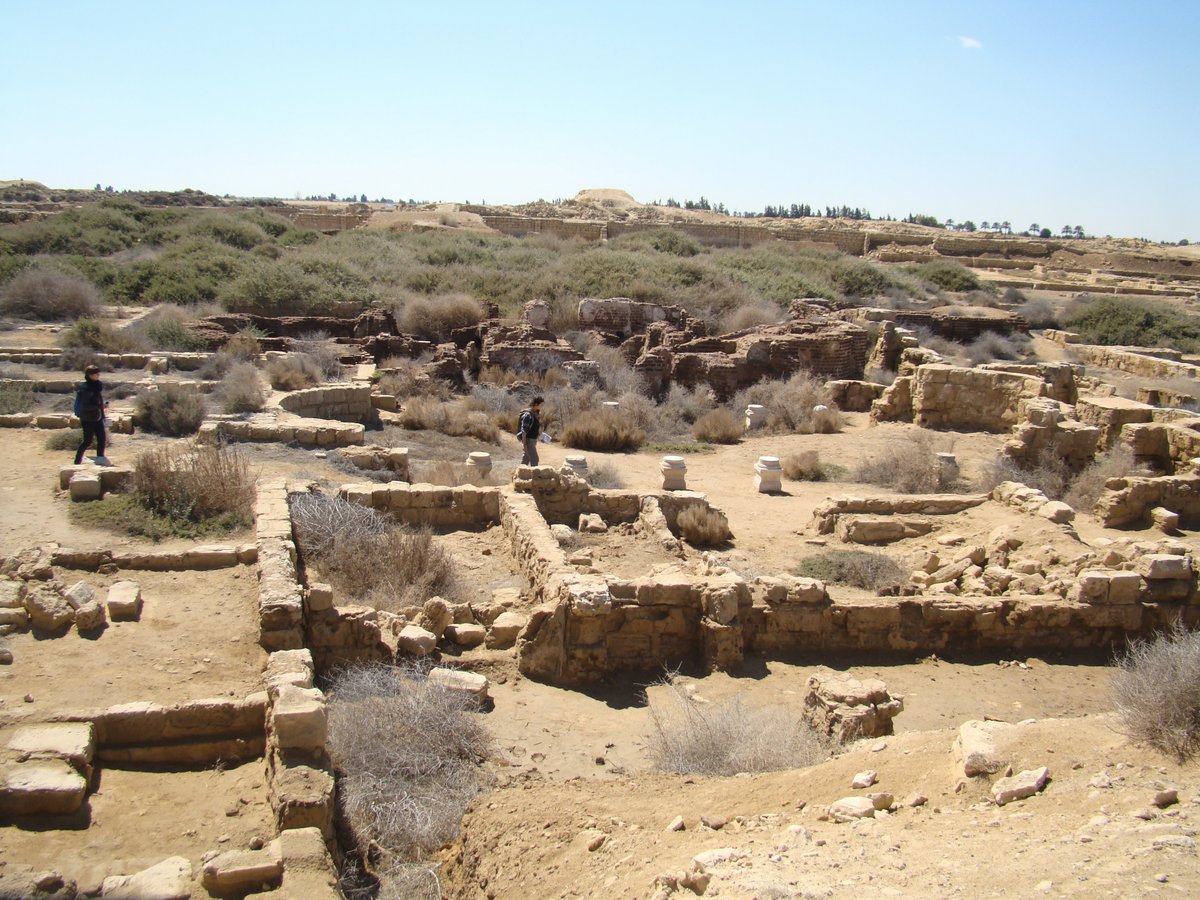

In the land of Egypt, a camel carried the body of the martyr Menas of Alexandria. His body was taken from Alexandria on a camel, which was led into the desert beyond Lake Mareotis. At some point, the camel refused to continue walking, despite all efforts to goad it. This was taken as a sign of divine will, and the body's attendants buried it on that spot. This site would later become the significant pilgrimage site named Martyroupolis.
A local shepherd later stumbled upon the shrine. After a sheep was healed by a spring of water near the site, the shepherd discovered he could heal other sick sheep by mixing dust from the shrine with water. Word of these healing powers spread rapidly. The site's importance grew, and it was eventually designated a World Heritage Site in 1979. It was added to the List of World Heritage in Danger in 2001 due to a rising water table caused by agricultural development, but it was finally removed from the list in 2025.
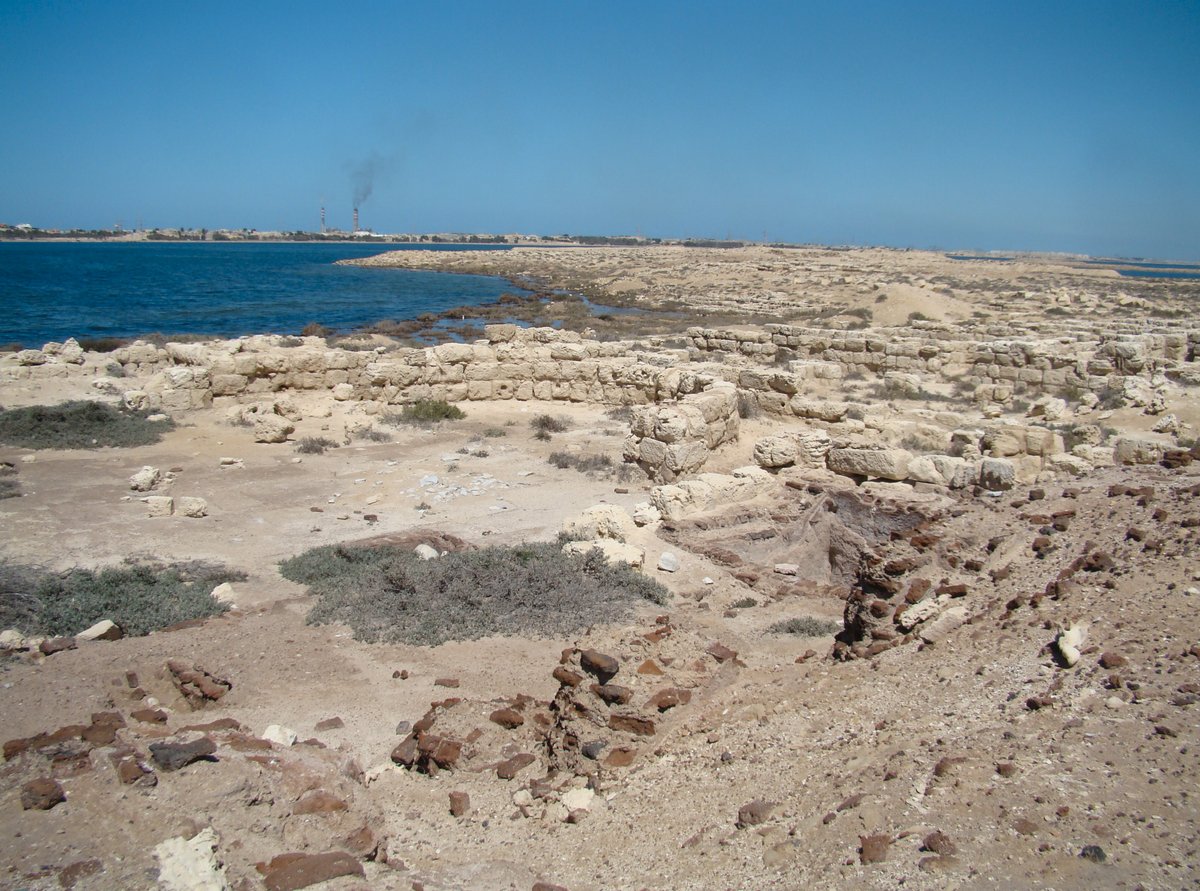
By the end of Late Antiquity, Abu Mena had become the leading pilgrimage site in Egypt. During the reign of Arcadius, the local archbishop observed that crowds were overwhelming the small church, leading the eastern emperor to order a major expansion. The site remains a testament to its history as a center for those seeking miracles and healing. Today, the foundations of the great basilica and other major buildings are still discernible among the ruins.
Sources: Wikipedia, OpenStreetMap, Wikidata, Wikimedia Commons



Written by Mutabor
Discuss this with the author and others
No comments yet. Be the first to start the conversation.