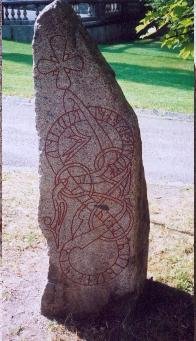

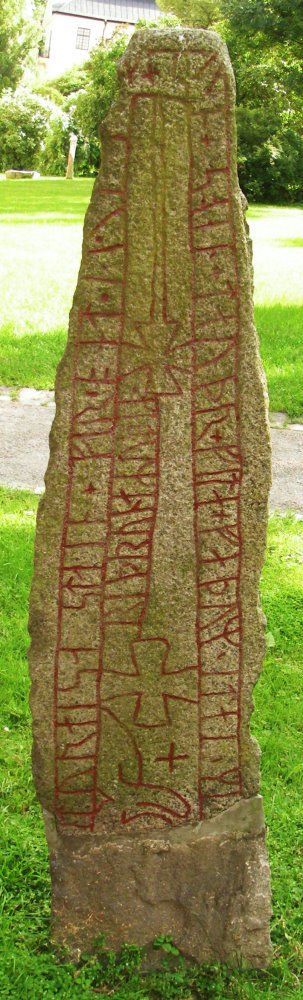
While many runestones serve as monuments to the departed, this particular artifact tells a different story. Vigmund commissioned this work to celebrate his own life, making it one of over twenty cases where a patron prioritized personal recognition over a memorial for a relative.
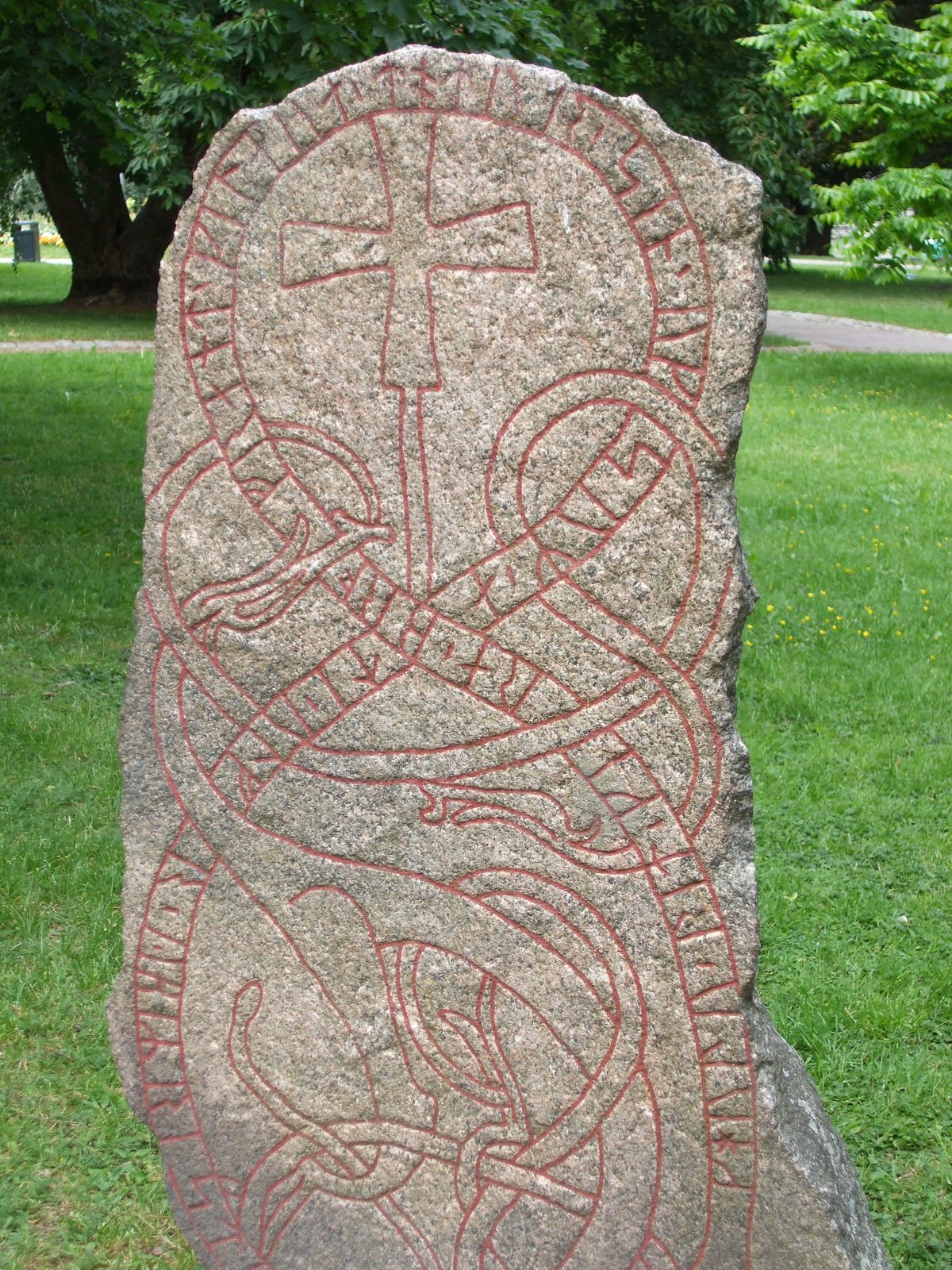
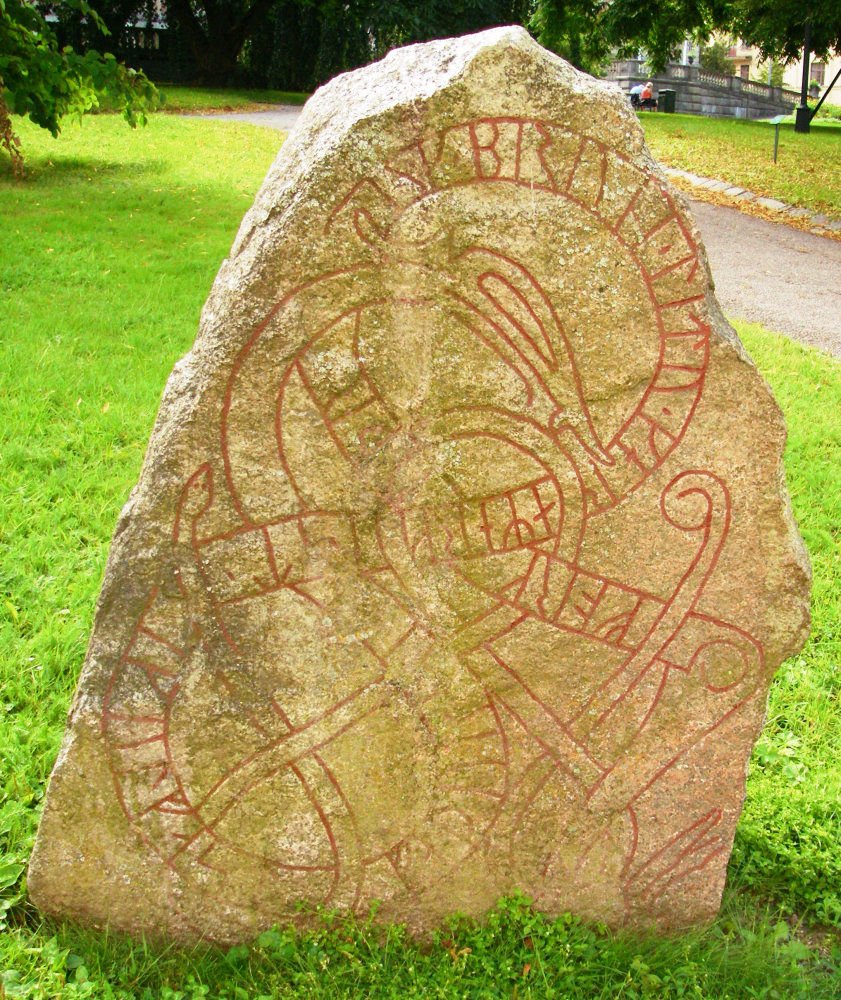
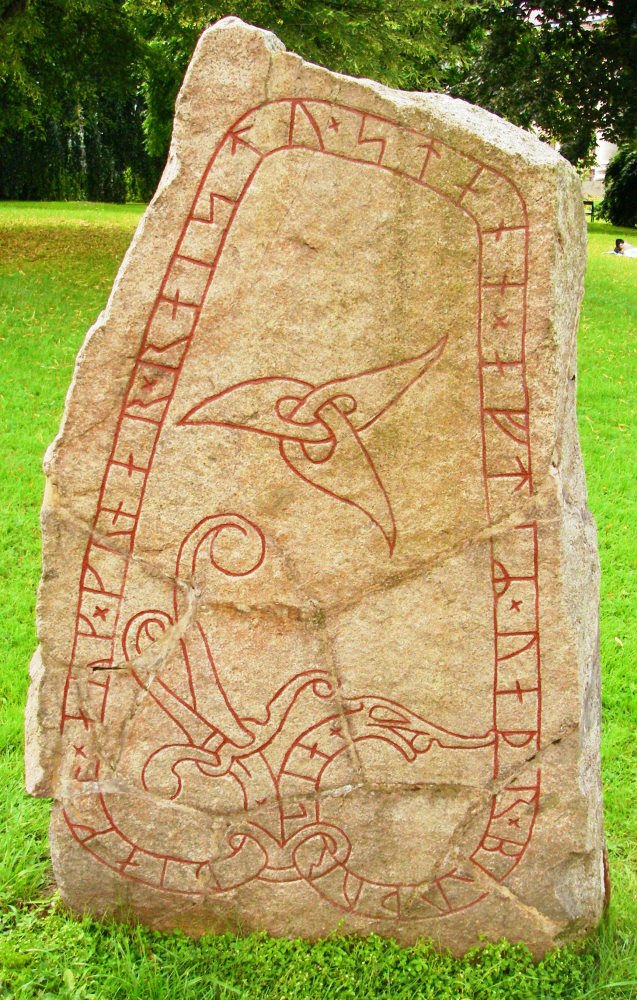
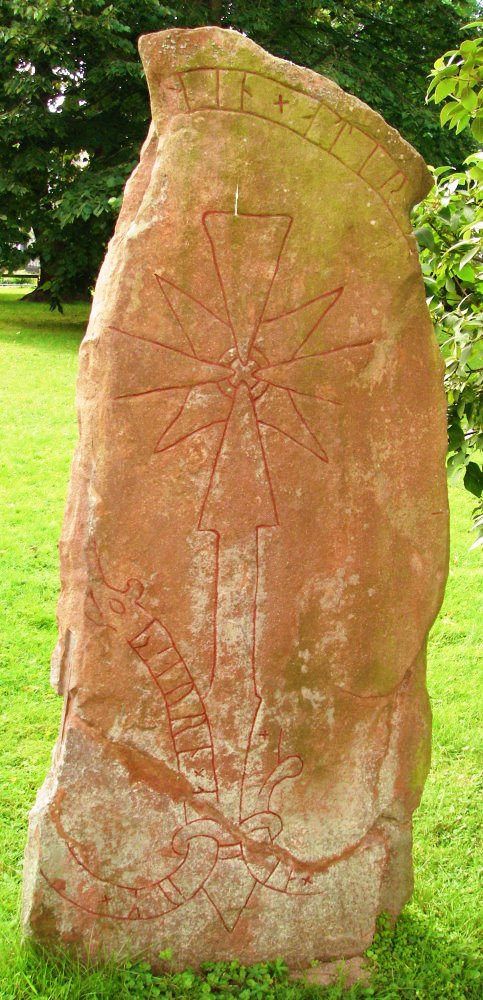
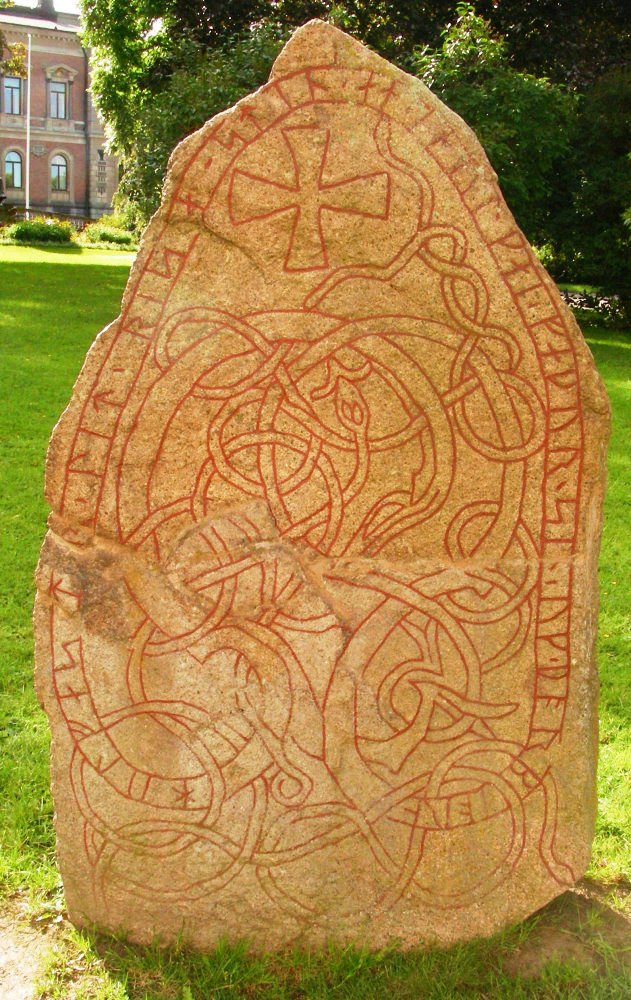
Crafted during the 11th century, the stone displays the intricate Urnes style through its slender, stylized animals and distinct almond eyes. A serpent winds around the text beneath a cross, while the inscription identifies the owner as a stýrimann. Other monuments use this term apparently to describe working as a steersman on a ship.
The stone underwent a long and restless journey after leaving Örby. It relocated to Uppsala in the 17th century before traveling to the Exposition Universelle in Paris in 1867. After being dropped in Le Havre, it spent many decades there until it finally returned to Sweden.
Now situated in the Universitetsparken by the main building of Uppsala University, the stone persists as a tangible connection to the past. It invites us to consider the enduring desire of a man who sought to secure his name in the memories of future generations.
Sources: Wikipedia, OpenStreetMap, Wikidata, Wikimedia Commons

Written by Nik Frost
Discuss this with the author and others
No comments yet. Be the first to start the conversation.