
Water tower at "Red Nail Maker"
6 building 1, letter B, 25th line of Vasilievsky Island, Saint Petersburg, Russia, 199106
Constructivism: Originating from the USSR Jermaine
 For Browsing
Although Russia and the USSR cannot be called the originators and founders of architectural movements, there is one distinctly pronounced style that manifested most widely during the Soviet era. Of course, this is Constructivism. Constructivism is a new direction in visual arts, architecture, photography, and decorative-applied arts that emerged in the early 1920s in the USSR. This movement is one of the branches of the new avant-garde proletarian art. Quoting Mayakovsky: “For the first time, not from France, but from Russia came the new word in art – Constructivism.†The atmosphere of the 1920s created fertile ground for bold experimentation. The average age of Soviet architects was about 30 years. Constructivism was also developing in Europe, but the Soviet version of the style is interesting because it was ideological, meant to symbolize the new life of the proletariat. Freed from the shackles of the bourgeoisie, the working class now lives in bright apartments, bathes in spacious public baths, spends evenings engaged in amateur activities, or at worst, watches a film in a huge cinema. Although buildings in this style were actively constructed in other working-class outskirts of Petersburg – Nevskaya Zastava, Vyborg Side, on Vasilievsky Island – Narvskaya Zastava nevertheless became the showcase of Leningrad Constructivism.
Jermaine Loading stories…
6 building 1, letter B, 25th line of Vasilievsky Island, Saint Petersburg, Russia, 199106
Constructivism: Originating from the USSR Jermaine 
Stachek Square, 4, Saint Petersburg, Russia, 198095
Constructivism: Originating from the USSR Jermaine 
13 Karpovka River Embankment, Saint Petersburg, Russia, 197022
Constructivism: Originating from the USSR Jermaine 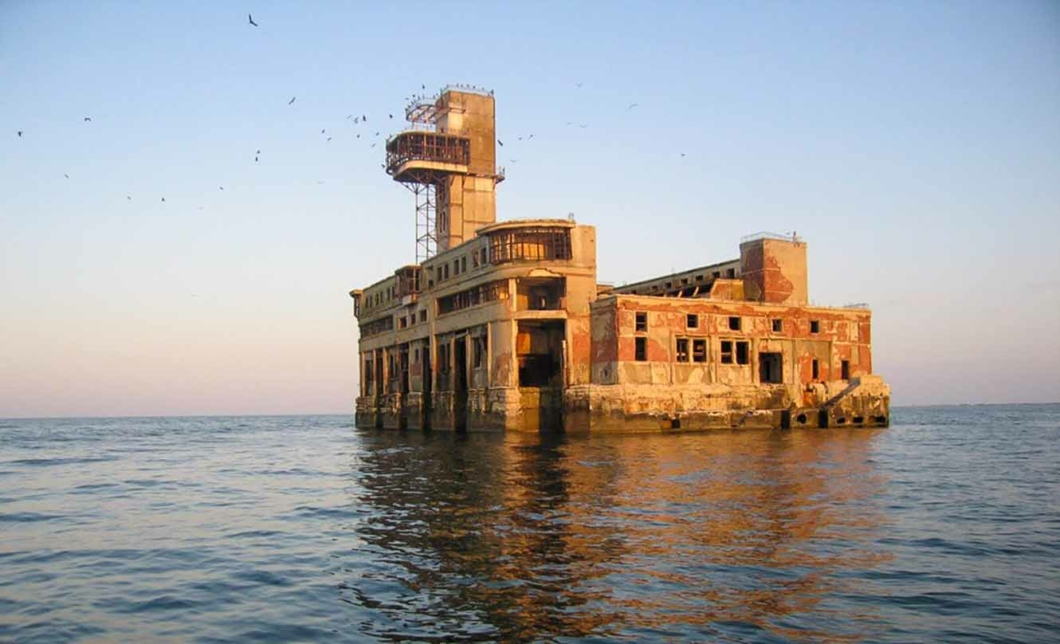

Rubinstein St., 7, Saint Petersburg, Russia, 191025
Constructivism: Originating from the USSR Jermaine 
29 Karbysheva St., lit. A, Saint Petersburg, Russia, 194021
Constructivism: Originating from the USSR Jermaine 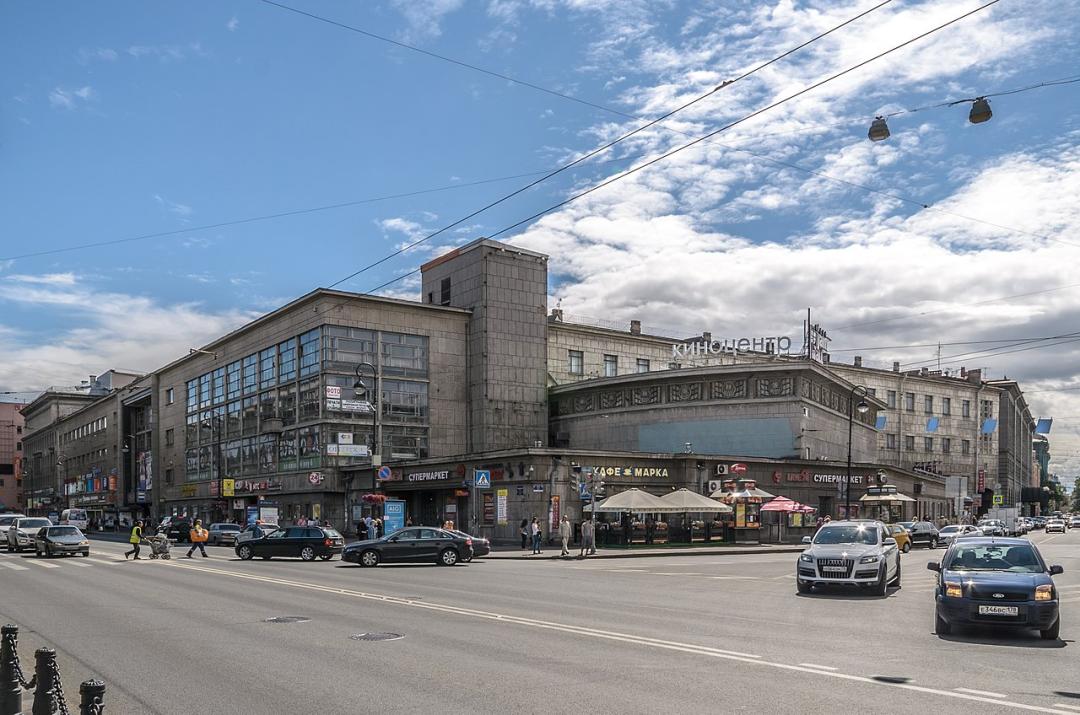
Kamennoostrovsky Ave., 42a, Saint Petersburg, Russia, 197022
Constructivism: Originating from the USSR Jermaine