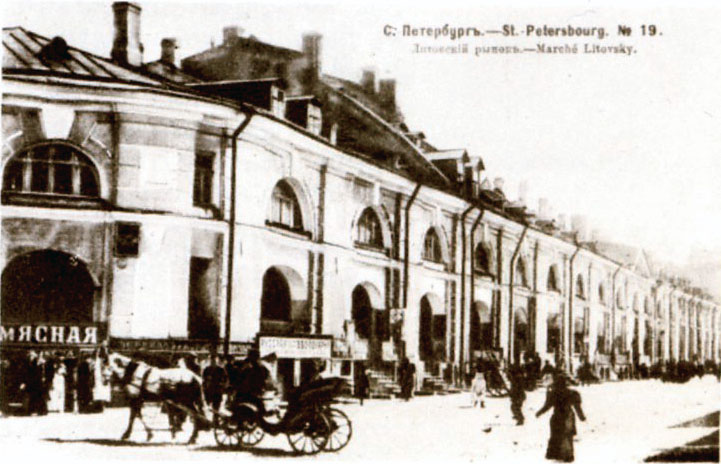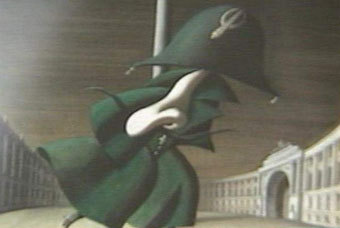
Петербург: 3 Носа Майора Ковалева
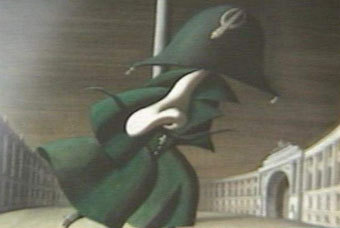
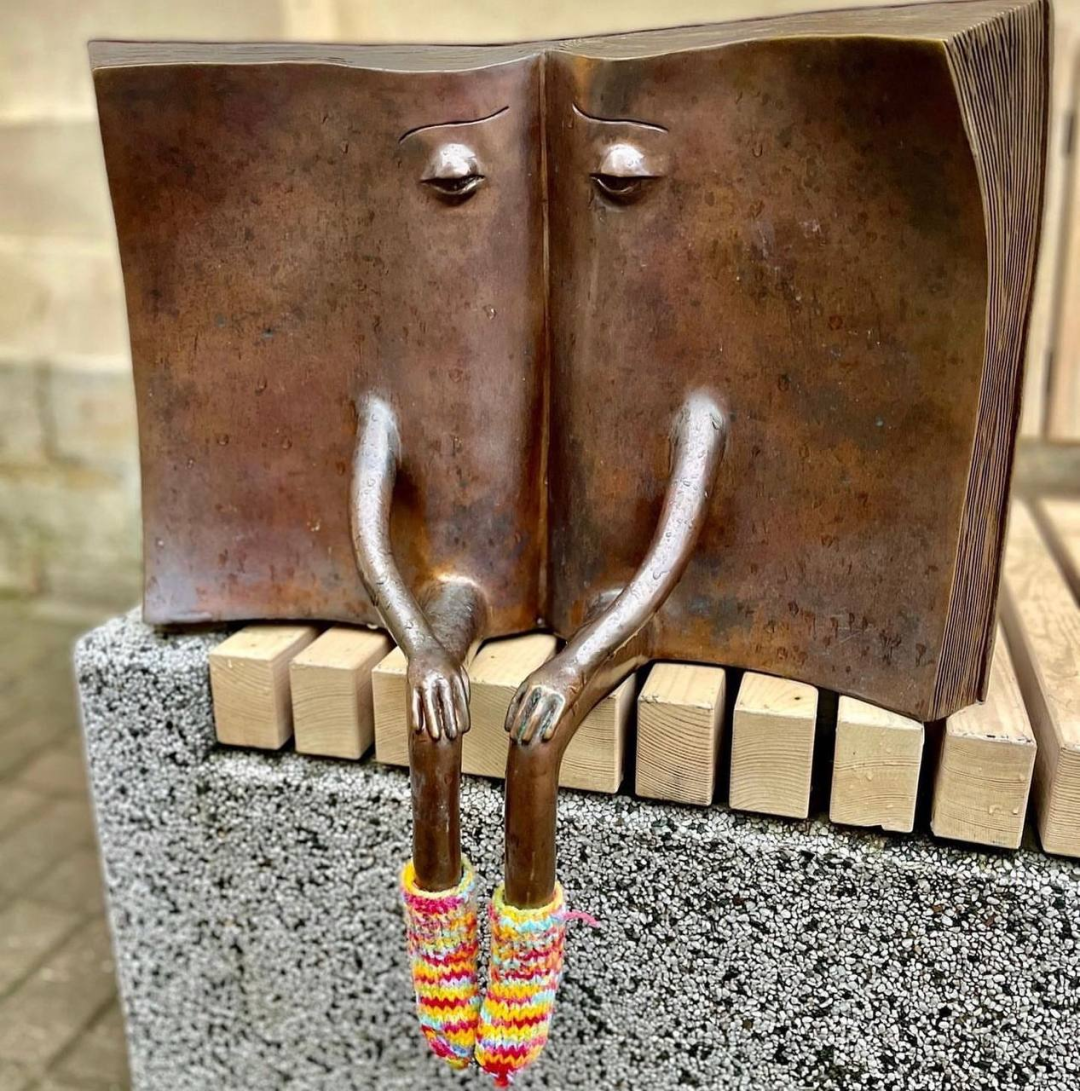
В мире существует всего 3 памятника, посвящённые знаменитому носу майора Ковалева, и все они находятся в Санкт-Петербурге
Every collection on Reveal.World, grouped by the language it is written in.
В мире существует всего 3 памятника, посвящённые знаменитому носу майора Ковалева, и все они находятся в Санкт-Петербурге
С человеческой точки зрения Петербург не город Петра и Пушкина, а город Евгения и Акакия Акакиевича... (А. Битов)
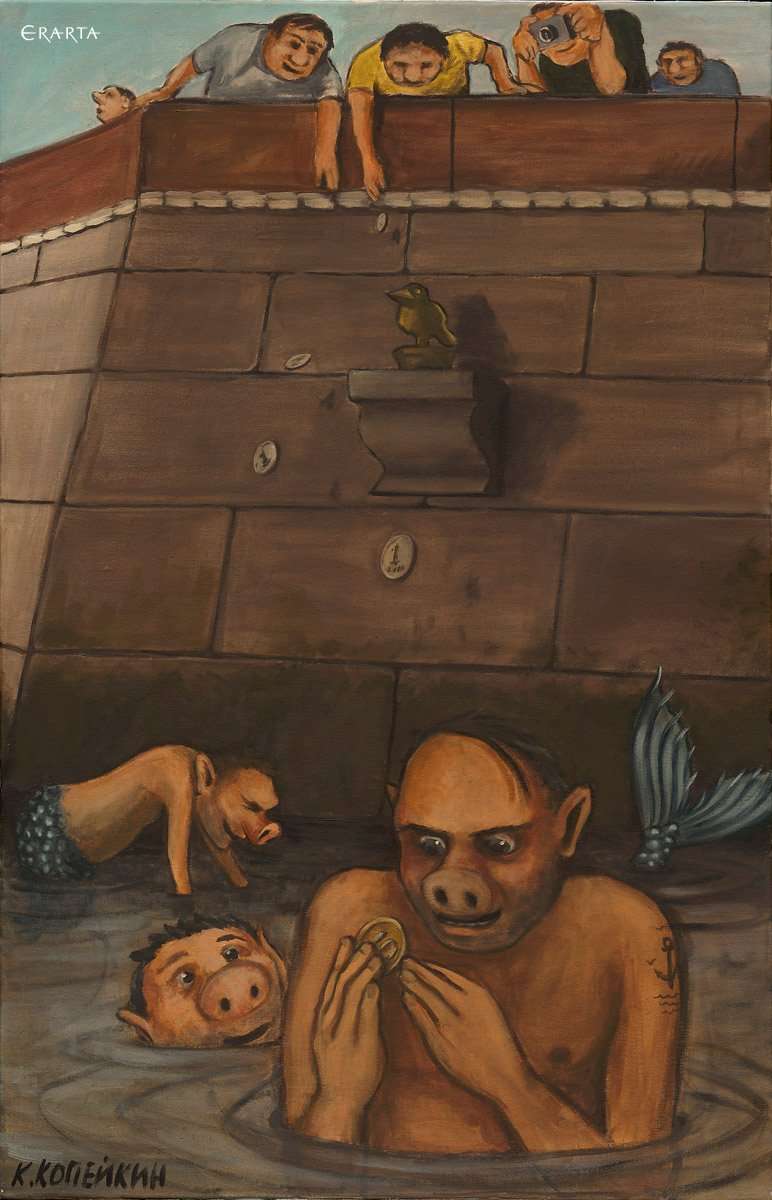
Самые культовые места города
Памятники Санкт-Петербурга, это не только популярные монументы и скульптуры, посвященные поэтам, политиками, историческим личностям, это часто то, что создает и показывает истинную душу города, а не только ее парадный фасад.
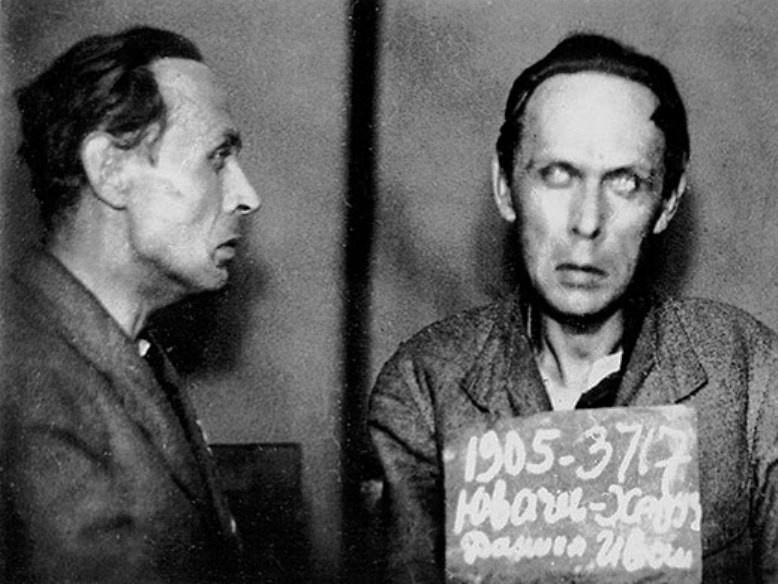
Он известен под многими именами Дандан, Шустерлинг, он же Чармс, за импозантный вид его иногда называли Мистером-Твистером. Серьезный писатель, юморист, поэт, член творческого объединения «ОБЭРИУ», детский писатель. Такой разный, такой интересный в своем иногда до боли смешном абсурдно-сюрреалистичный мире.
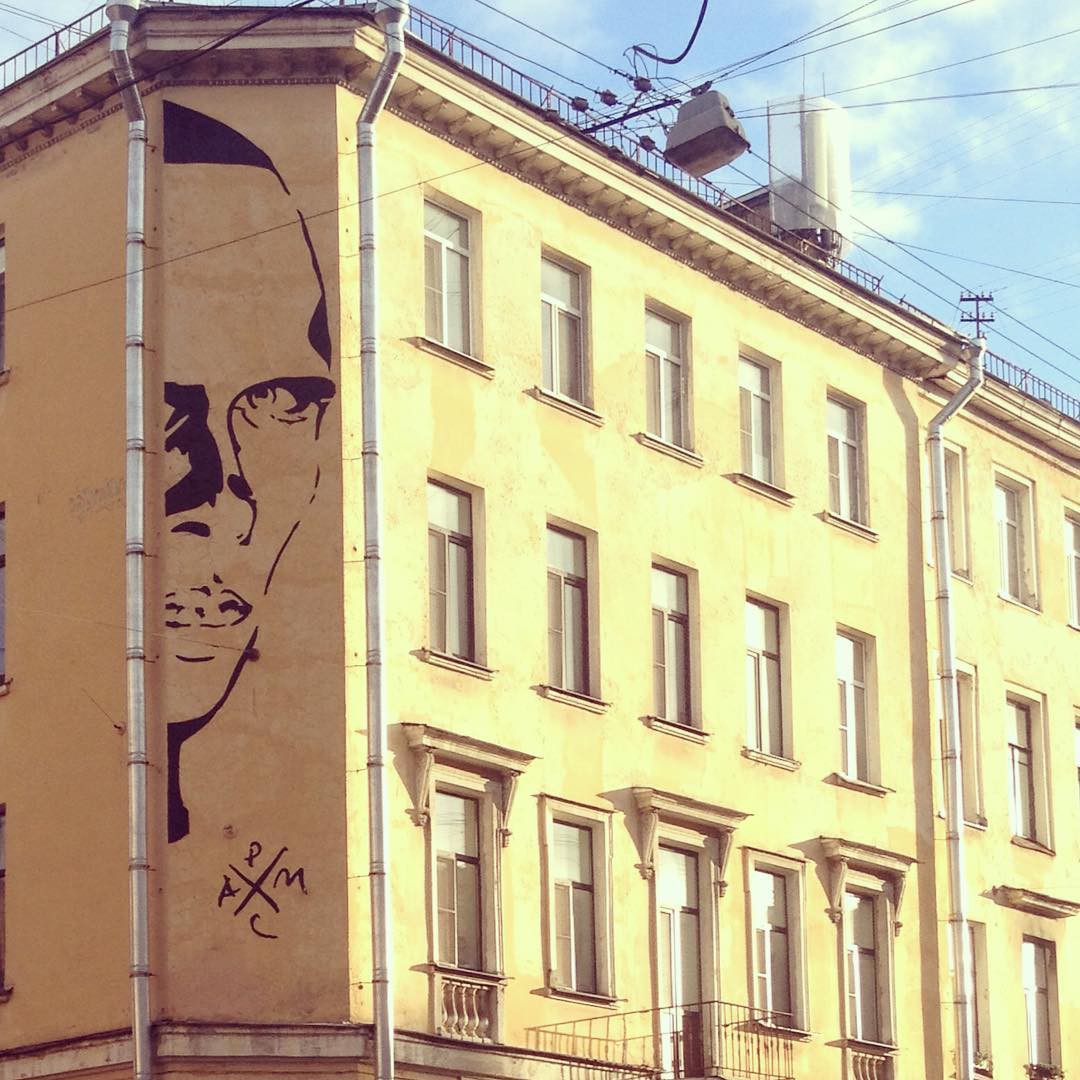
Талантливые, великие и несчастные
В Петербурге, как и в других столицах великих империй, все дышит духом истории и мощи, он полон тайн, загадок, мифов и мистики. Все хранит память о великих и страшных людях, их героических и не очень поступках и историях с ними связанными..
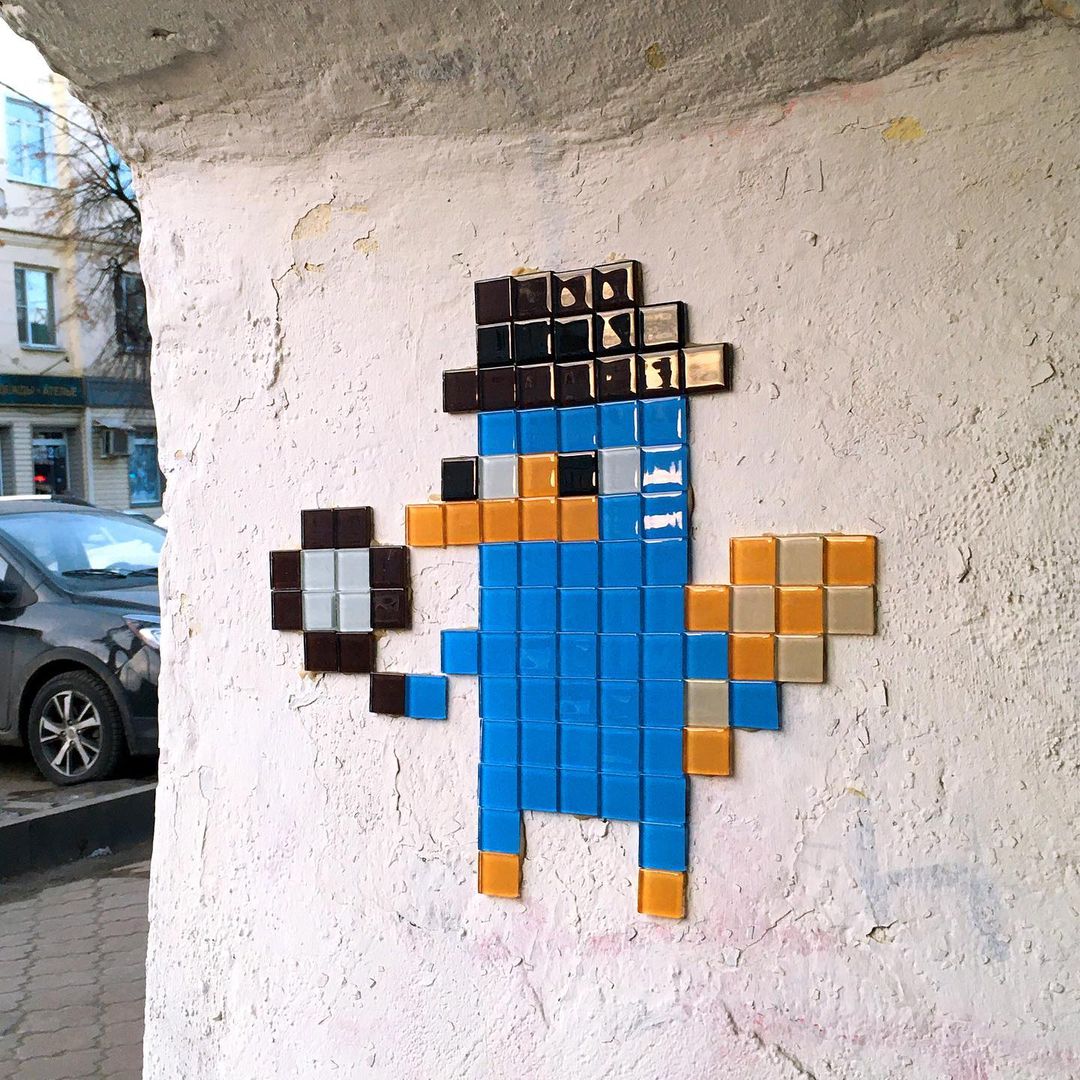
Приходи смотреть пока не замазали!
История названий улиц Пензы и связанные с этим интересные факты
Обзорная экскурсия по Пензе. Знакомьтесь!
Самара - прекрасный город для туризма и прогулок. Город активно развивался в конце XIX - начале XX века, поэтому в исторической застойке вы найдете множество причудливых зданий в стиле модерн. Город достаточно чист и опрятен, в нем есть самые разные отели - и бюджетные и не очень, есть где посидеть и попить местное жигулевское пиво. Про красавицу-Волгу даже и говорить нечего. Вы можете прогуляться по набережной или прокатиться на катере. И конечно город таит в себе множество историй - настоящая кладезь для исследователя Reveal!
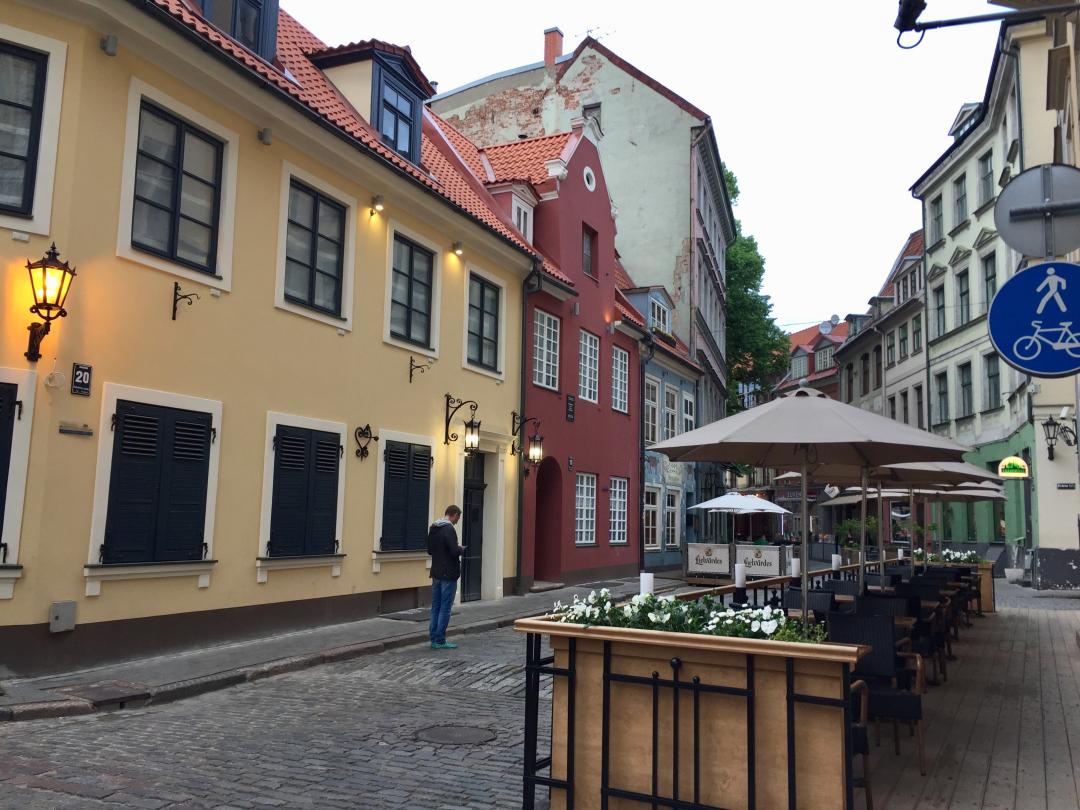
Там, где гуляли Шерлок и Штирлиц: известные и неизвестные места съёмок советских фильмов в столице Латвии
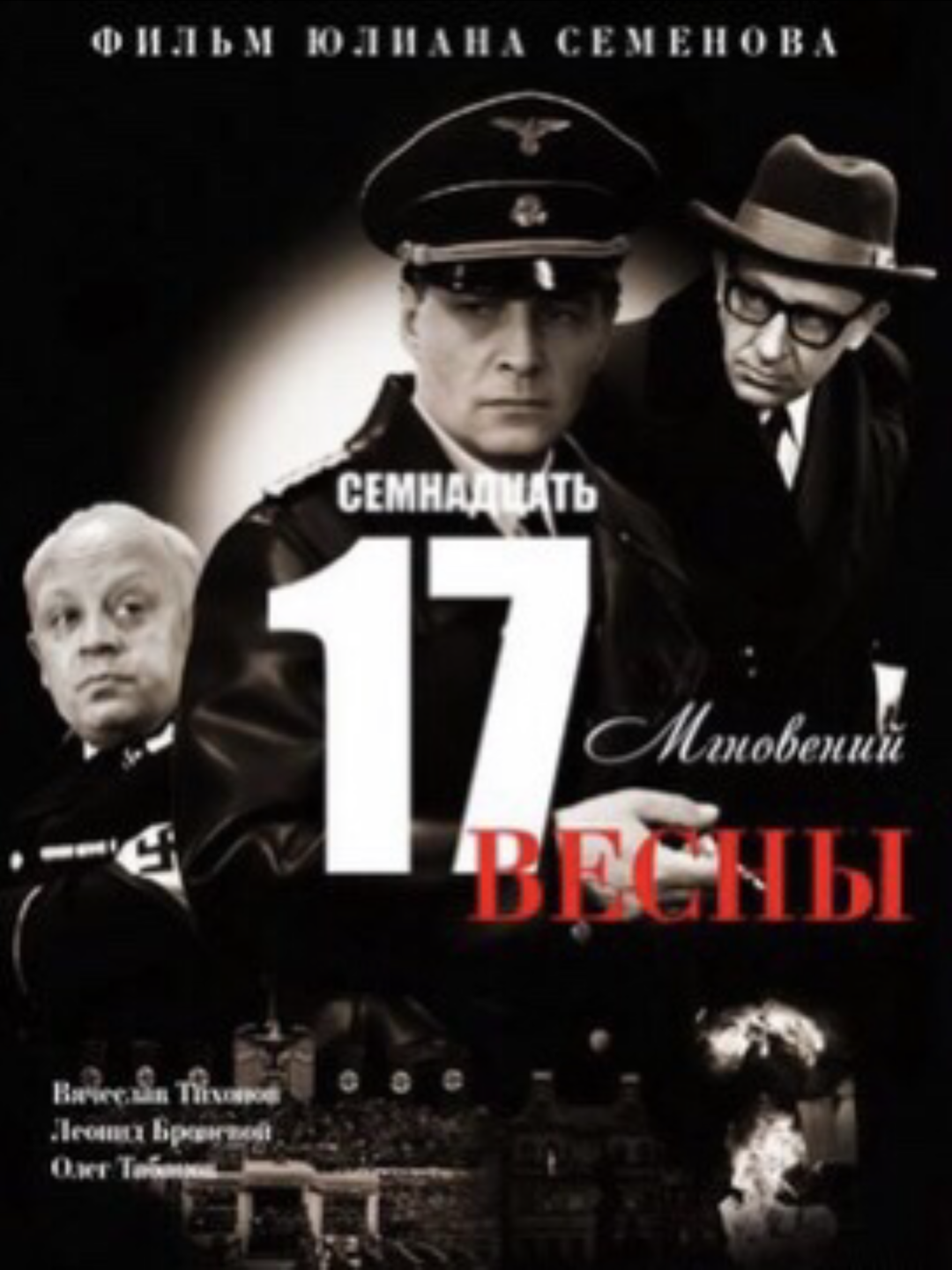
Прогулки со Штирлицем, профессором Плейшнером и другими героями «17 мгновений весны»
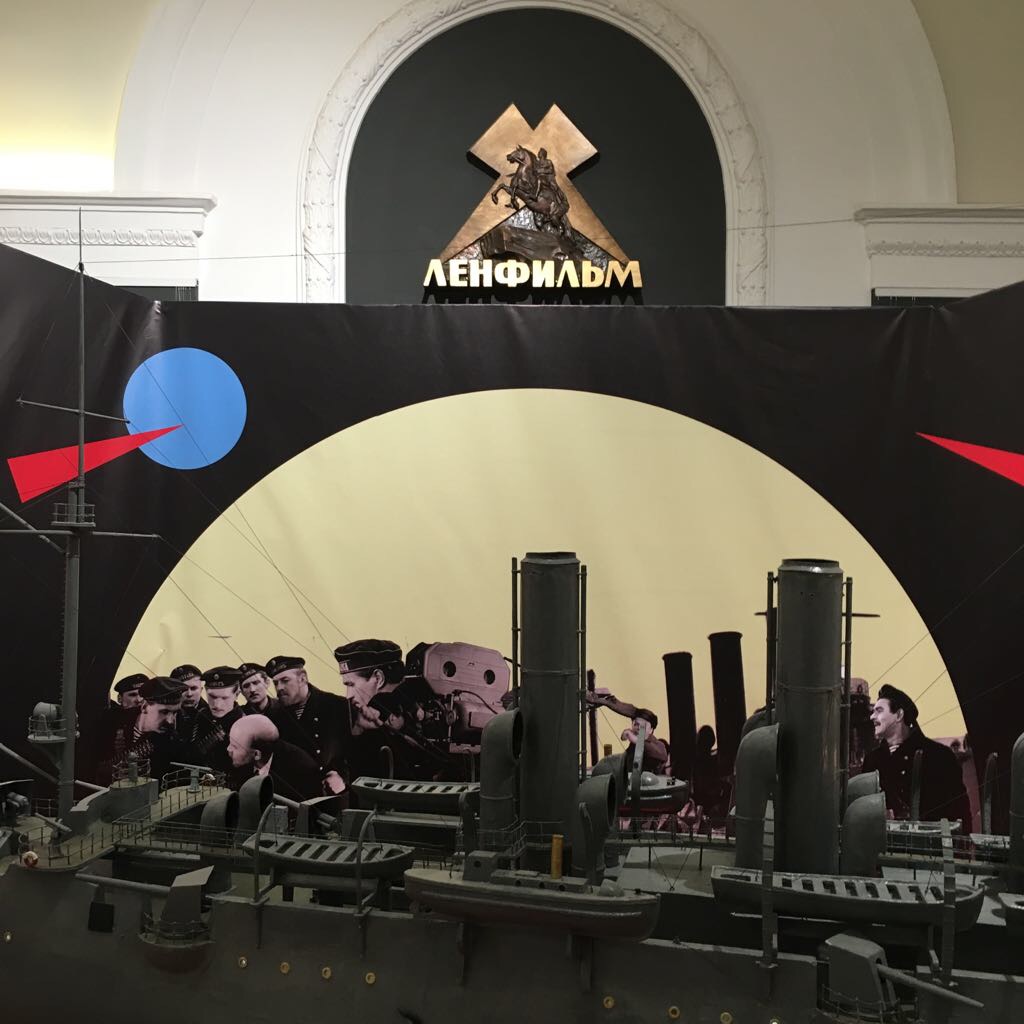
Пивная Штирлица, 3я улица Строителей, Бейкер стрит 221В и многое другое
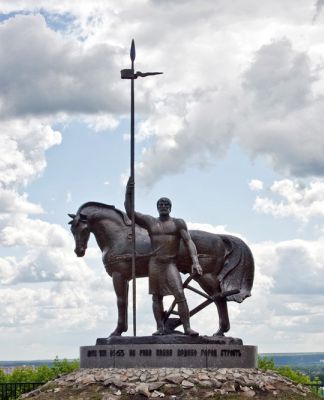
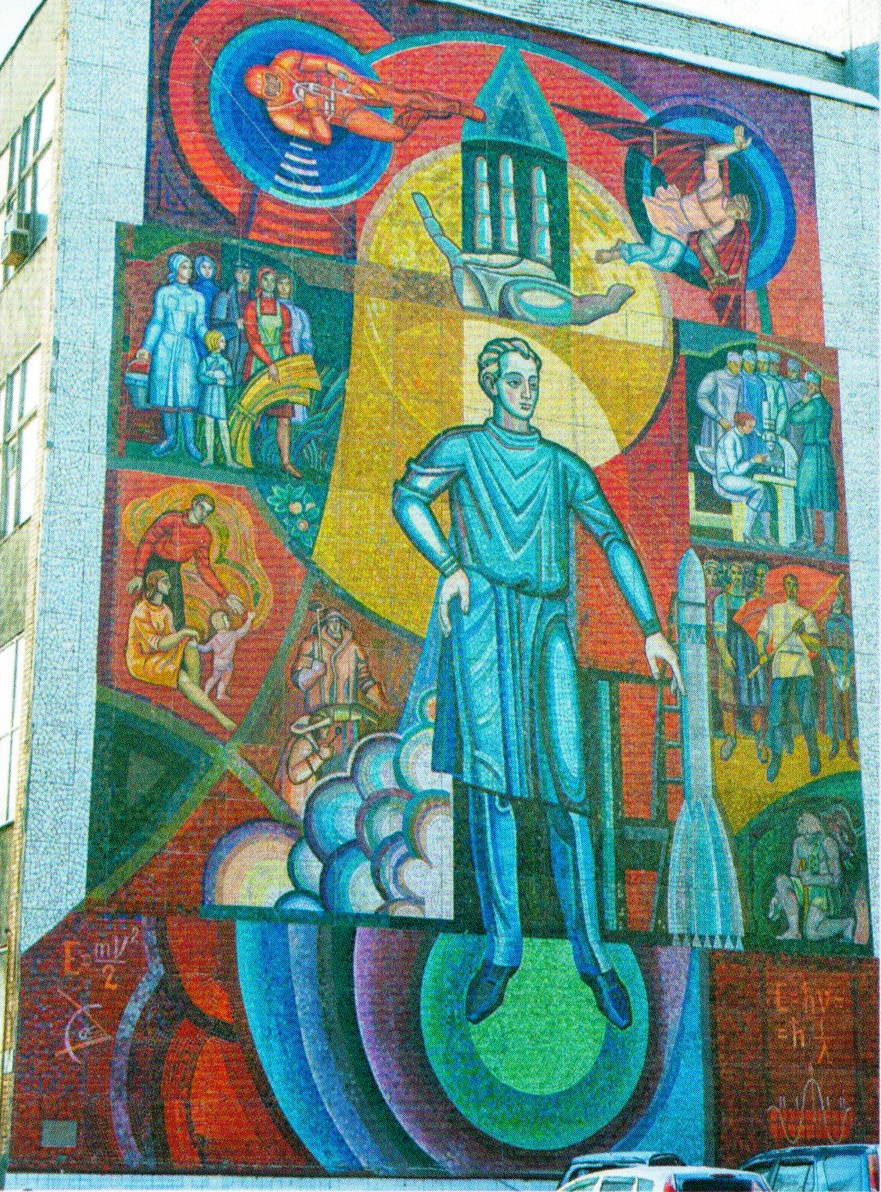
От самых известных пензенских мозаик до самых тайных
Не каждый москвич знает об этих интересных историях.
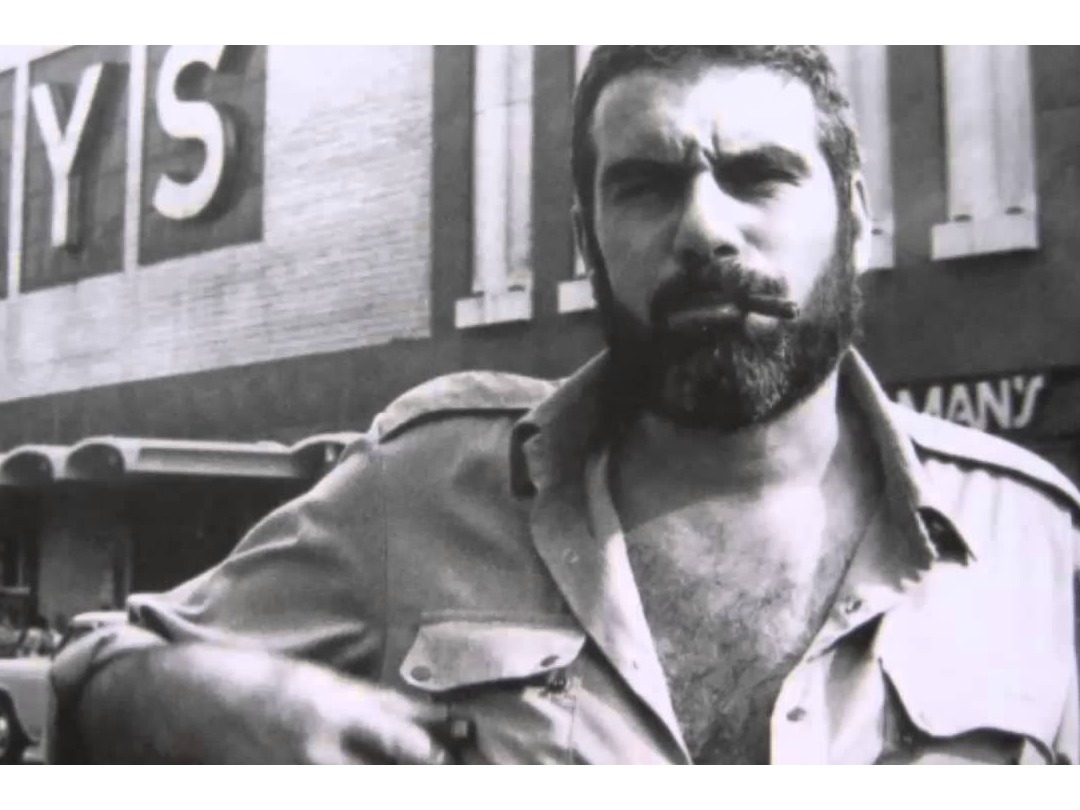
Что тут скажешь? Просто где он жил, бывал, творил.
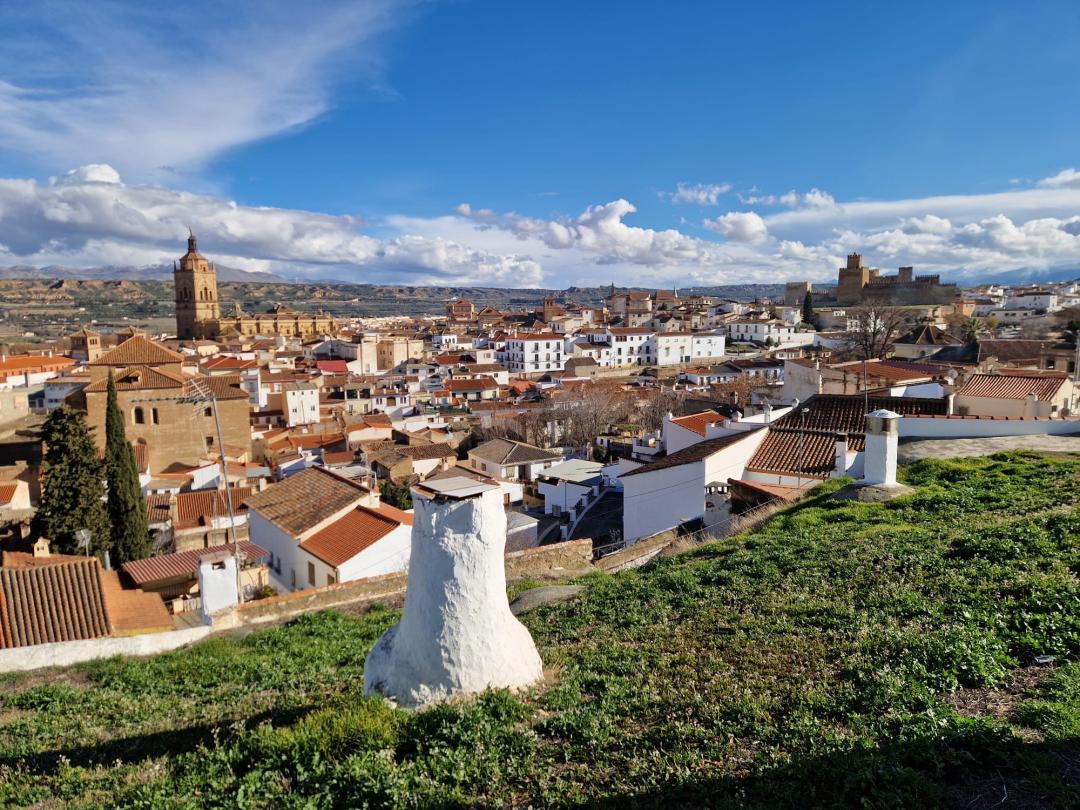
This is Southern Spain without postcards. Beyond the white villages and crowded monuments lies a landscape shaped by erosion, empire, and experiment—where cathedrals grow slowly from the land, people live underground by choice, and Roman theatres wait centuries to be rediscovered beneath modern streets. From Julius Caesar’s veteran colonies to Renaissance fortresses hiding Italian palaces, from abandoned iron mines to deserts that became the Wild West of European cinema, the Guadix–Tabernas region tells Spain’s story sideways. It is a place where history is layered rather than restored, and where film crews came not to invent fantasy, but to borrow it from the land itself. This guide is an invitation to wander off the obvious route—to follow rusted rail lines, sun-cut ravines, and half-buried stones into a version of Andalucía that feels raw, cinematic, and quietly radical.
Old Ladoga is called the "oldest capital of Rus" and the "mother of Russian cities." It is first mentioned in the chronicles in 862, when the Varangian Rurik was invited to rule these lands. Even then, Ladoga was an important part of the trade routes connecting two lakes – Ladoga and Ilmen. It was here in 862 that Rurik arrived and founded the city. The "Tale of Bygone Years" states: "And they came first to the Slavs and built the city of Ladoga, and Rurik sat as the elder in Ladoga." Thus, Ladoga became the first residence of Rurik, who was invited to rule. Later, the seat was moved to Novgorod. During Rurik’s reign, the first wooden fortress was built, and in 882, Prince Oleg, his successor, constructed the first stone walls. In the 12th century, under Prince Mstislav the Great, son of Vladimir Monomakh, the fortress was significantly rebuilt, expanded, and strengthened. The Time of Troubles was marked by frequent changes of ownership. The city passed from the Russians to the Swedes and the French. In 1617, under the terms of the Treaty of Stolbovo, Old Ladoga returned to Russian control, but its importance declined thereafter. In 1703, after Peter I founded New Ladoga, Old Ladoga was stripped of its city status. Oblivion and decline lasted for many decades. The ancient structures gradually fell into ruin. However, at the end of the 20th century, work began to restore the fortress and revive the historical heritage of the ancient settlement.
Saint Petersburg and its surrounding territories are full of mysteries and enigmas. That is why treasures are constantly and everywhere found here. It is an ancient trading crossroads that changed owners, endured invasions and natural disasters, and people hid and lost their possessions—but valuable things can be found not only in the ground. Old houses, built back in the tsarist era, also hold many secrets. It is believed that the peak period for treasure appearances was during the revolution and war. People tried to hide their accumulated wealth from looting, but often there was no one left to return for what was left behind. Thus, these countless riches lie within the walls, floors, and hiding places. In the last 200 years, 55 large treasures have been discovered in Saint Petersburg, and these are only the registered finds. But the ones that have not yet been found are much more interesting. They stir the imagination and sometimes give rise to completely incredible legends.
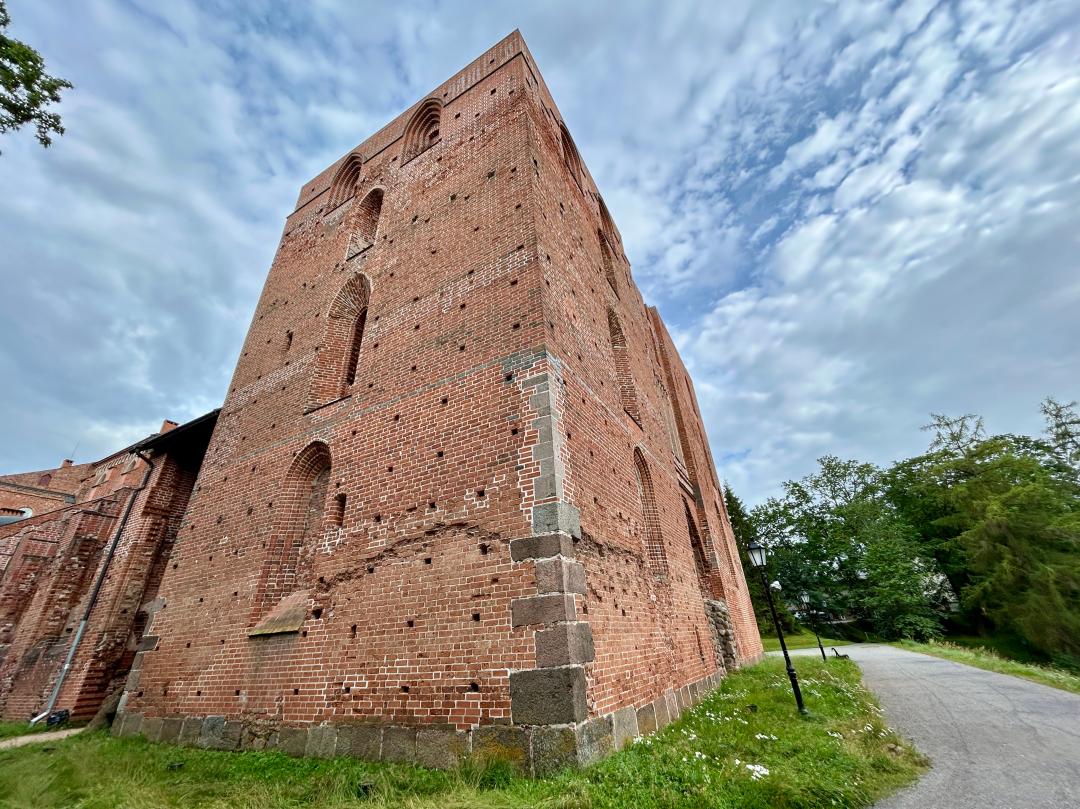
A dedicated off-the-beaten-track walking itinerary in Tartu — full of stories, legends, abandoned corners, and quirky places.
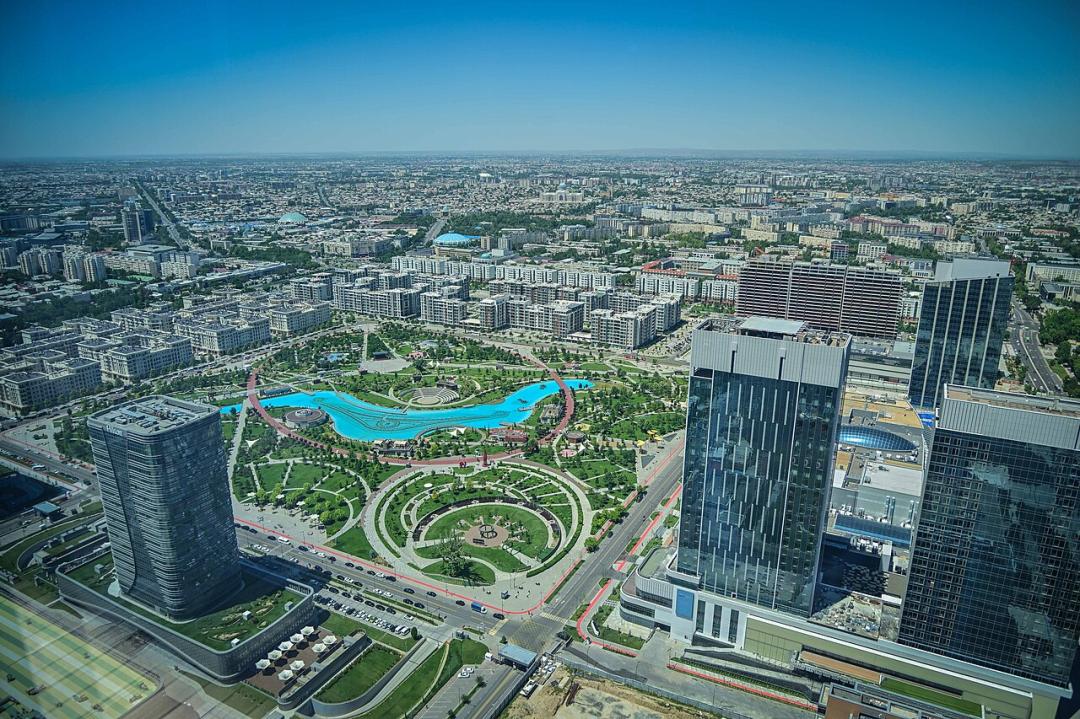
Tashkent, like any ancient city, is shrouded in legends and tales. One of the most famous legends is connected to its name, which, according to one version, translates as "Stone City" (from the Uzbek word "tosh" - stone). There are also several legends about the origin and history of Tashkent related to the various names the city has borne during different periods of its history, such as Yuni, Chach, Shash-Tepe, and Binkent. According to one version, the name Tashkent comes from the word "Toshkent," which in Turkic means "Stone City." There are legends about ancient rulers and events that took place in the territory of modern Tashkent, connected with the periods when it was part of the states of Kangyui, Chach, as well as during the times of the Arab conquests. In Tashkent, there are several sacred places about which legends and tales are told, associated with Islamic saints and ascetics.
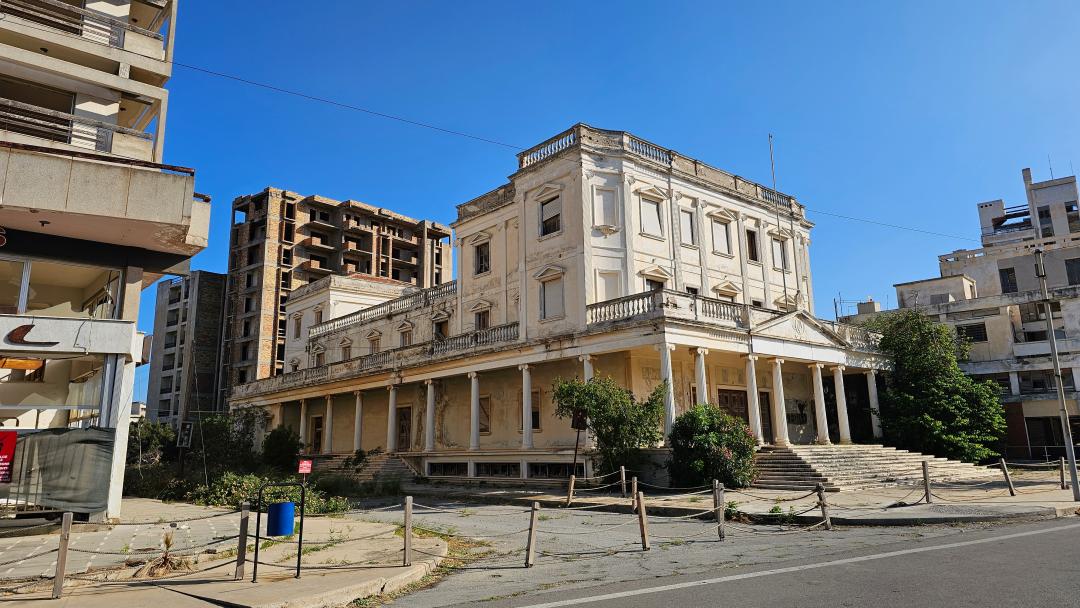
The Turkish Republic of Northern Cyprus, TRNC (also sometimes referred to by the neutral abbreviation Northern Cyprus) is a partially recognized state occupying the northern third of the island of Cyprus, located within the borders of the Republic of Cyprus. It is recognized only by Turkey and heavily depends on its economic, political, and military support. Turkey stations a contingent of its troops in Northern Cyprus with the support of the TRNC; the Republic of Cyprus and the UN consider it an occupying force. The republic is a member of the Organization of Islamic Cooperation and the Organization of Turkic States as an observer. The population of the Turkish Republic of Northern Cyprus is about 294,906 people living in an area of 3,355 square kilometers (including the small Kokkina semi-exclave). The overwhelming majority of the population are ethnic Turks, representing two communities: local Turkish Cypriots (about half) and Anatolian Turks, settlers from Turkey. There are also remnants of Greek Cypriots and Maronite Lebanese who have remained in their enclaves. The capital of the TRNC is the city of Lefkoşa (effectively the northern part of Nicosia, divided between the Republic of Cyprus and the TRNC). The TRNC is separated from the rest of Cyprus by a buffer zone. The line dividing the island into two sectors (the so-called "Green Line") is guarded by the UN Peacekeeping Force in Cyprus (UNFICYP — abbreviation for United Nations Peacekeeping Force in Cyprus).
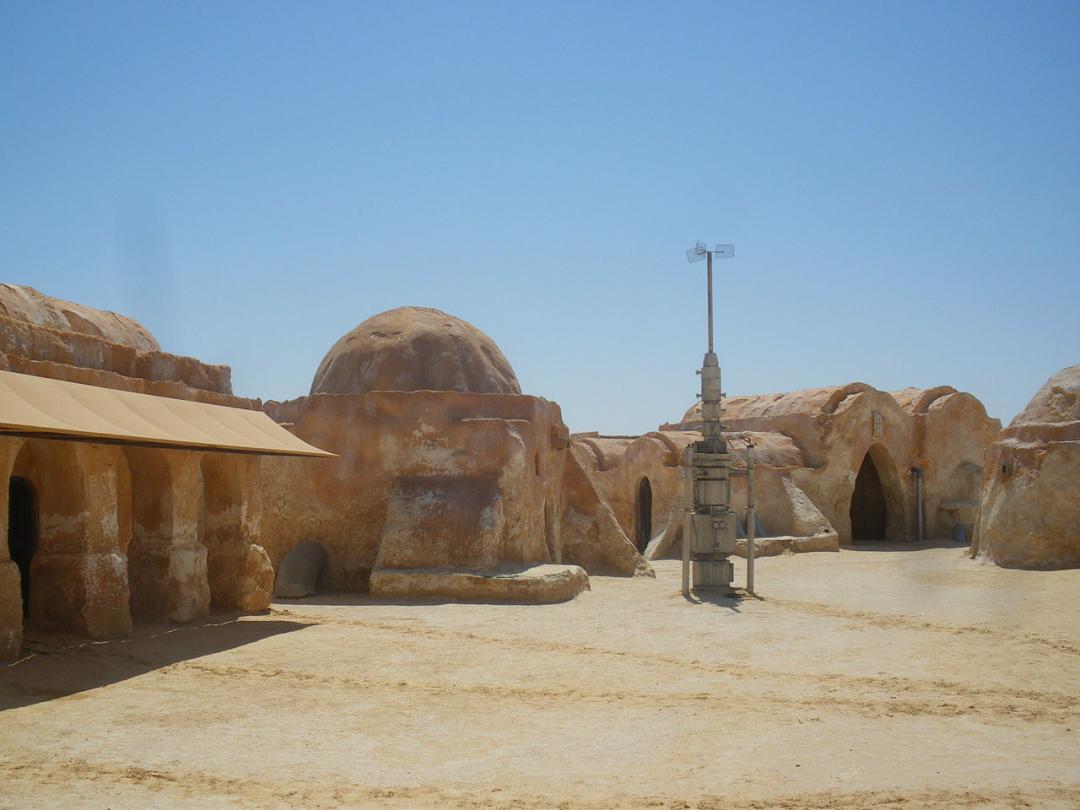
A journey through the real-world locations that brought the Star Wars galaxy to life.
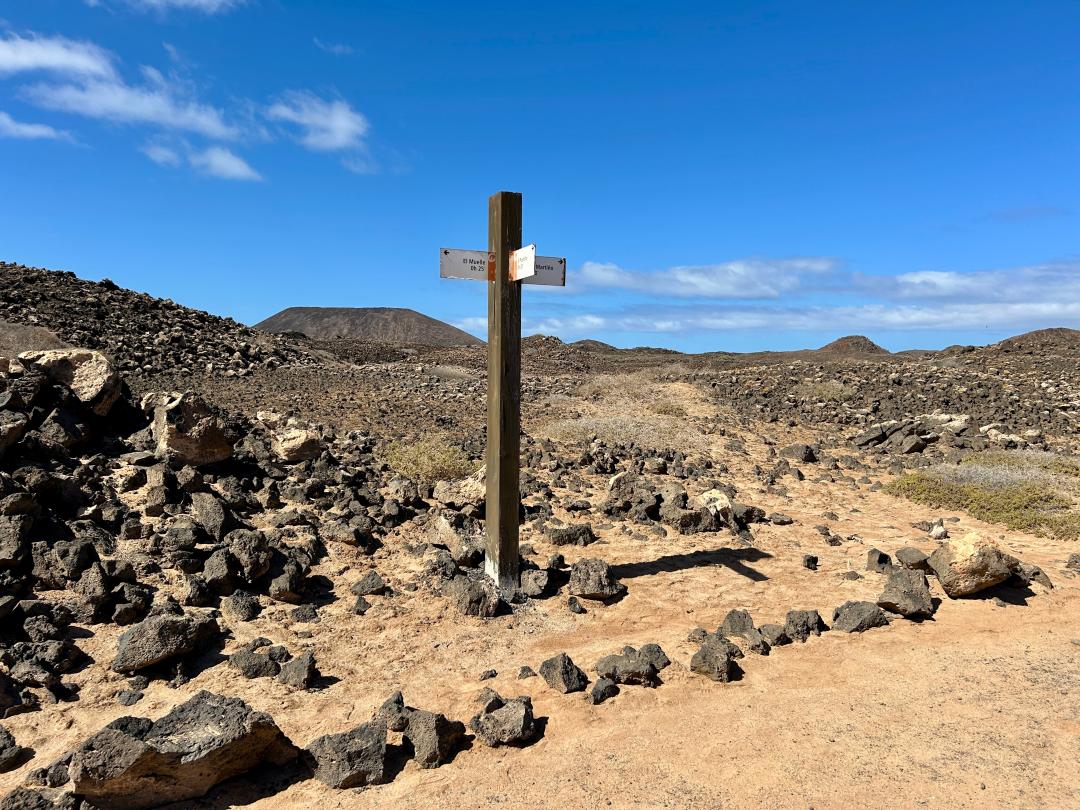
Fuerteventura, with its rugged landscapes and rich history, is home to several enigmatic and abandoned sites that intrigue explorers and history enthusiasts. Here are some notable mysterious places on the island.
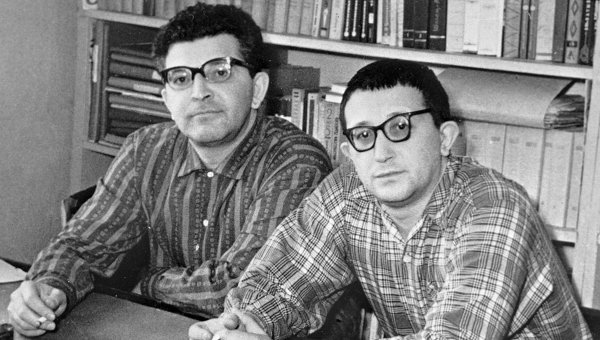
In the Moskovsky District of Saint Petersburg lived Boris Strugatsky, one of the most famous Soviet and Russian science fiction writers. A walk through these places allows you to touch the world created by the Strugatsky brothers in their works. Let’s take a stroll through the places in the city on the Neva connected with the writers Arkady and Boris Strugatsky.
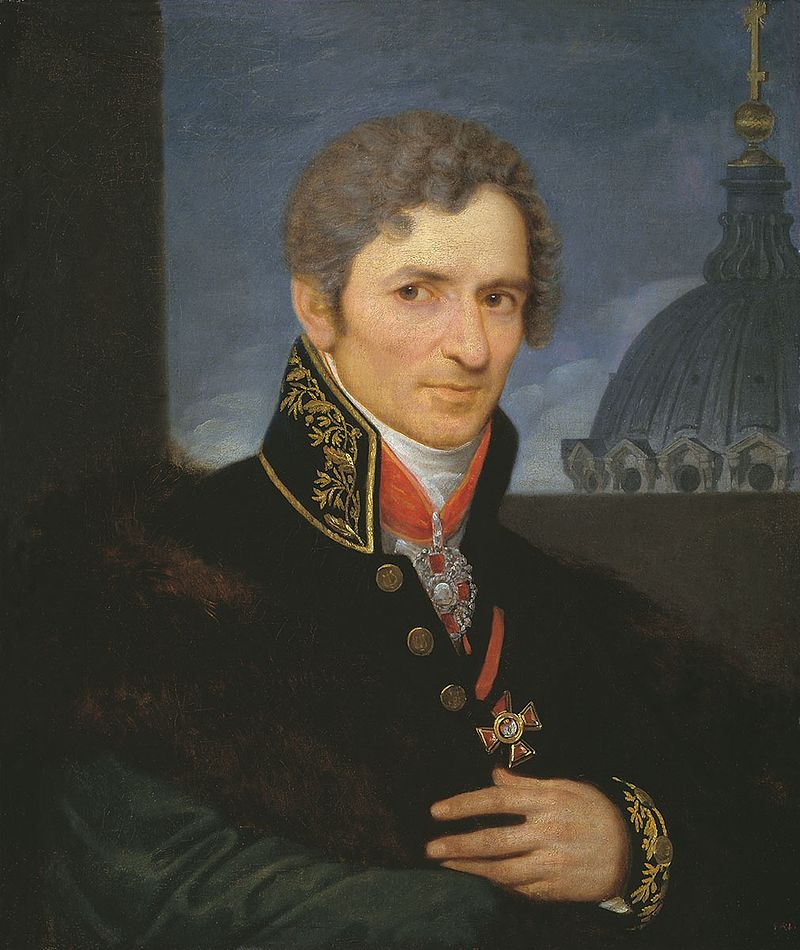
Andrey Nikiforovich Voronikhin was born on October 17, 1759, in the Urals, in the village of Novoe Usolye, Solikamsky Uyezd, Perm Governorate, into the family of serf peasants belonging to the president of the Academy of Arts, Count A. S. Stroganov. The count’s estate housed several workshops, one of which—the icon-painting workshop of Gavrila Yushkov—was where Andrey Voronikhin studied. In 1777, among talented students, A. N. Voronikhin was sent to Moscow for further education. At first, he studied perspective and miniature painting, and later architecture under the guidance of architects V. I. Bazhenov and M. F. Kazakov. From 1779, A. N. Voronikhin lived in Saint Petersburg and was attached to the young Pavel Stroganov, the count’s son, with whom he later became friends. A. N. Voronikhin lived in the Stroganov Palace, where he not only worked on drawings and sketches but also witnessed the cultural life of the capital firsthand. In 1786, A. N. Voronikhin was granted freedom and set off on a long journey: he accompanied P. A. Stroganov first on a trip across Russia, and then abroad—to Germany, Switzerland, and France. Upon returning to Saint Petersburg, A. N. Voronikhin carried out a number of projects for Count Stroganov. Initially, he was entrusted with the reconstruction and remodeling of the Stroganov Palace, which had been damaged by fire. The budding architect brilliantly handled the task, delicately combining Rastrelli’s Baroque style with strict Classicism. In 1795–1796, A. N. Voronikhin worked on the reconstruction of the count’s dacha and the construction of a pier, the building of a small dacha for P. A. Stroganov, and the landscaping of the park between the Bolshaya Nevka and the Chyornaya River in Novaya Derevnya. In 1797, A. N. Voronikhin presented to the Academy of Arts the works “View of the Picture Gallery in the Stroganov Palace†and “View of the Stroganov Dacha,†for which he was awarded the title of academician of perspective and miniature painting. In 1800, for projects in the Peterhof Park, A. N. Voronikhin was confirmed by the Academy of Arts with the rank of architect, and in the same year began teaching (professor from 1802, senior professor of architecture and head of the architectural class from 1811). In 1799, by decree of Paul I, a competition was announced for the design of the Kazan Church on Nevsky Prospect in Saint Petersburg. The emperor wanted the church to resemble St. Peter’s Basilica in Rome—the shrine of the Catholic world. In 1800, Paul I approved A. N. Voronikhin’s project, although many renowned architects participated in the competition: P. Gonzago, Ch. Cameron, T. de Thomon, D. Quarenghi, N. A. Lvov. The laying of the cathedral took place on March 27, 1801. Construction lasted 10 years and was completed in 1811. The Cathedral of Our Lady of Kazan in Saint Petersburg became A. N. Voronikhin’s most famous project and one of the most original buildings in Russia. The desired resemblance to the cathedral in Rome was achieved by the architect through the semicircular colonnade that opens onto Nevsky Prospect. On the occasion of the church’s consecration, the architect was awarded the Order of St. Anna, 2nd class, and a lifelong pension. Simultaneously with the construction of the Kazan Cathedral, A. N. Voronikhin worked on an equally complex project—the building of the Mining Cadet Corps (now the Saint Petersburg Mining University). Since the building was to be located on the bank of the Neva, at the very entrance to the city from the sea, Emperor Alexander I set a grand task—the construction was to reflect the greatness of the Russian state. In his project, A. N. Voronikhin turned to his favorite Greek style. The architectural dominant of the building, whose construction lasted from 1806 to 1811, was a monumental 12-column Doric order portico. Andrey Nikiforovich Voronikhin worked extensively in the suburbs of Petersburg—Peterhof, Strelna, Gatchina, and Pavlovsk—where he created palace interiors and individual park structures, and was even the author of one of the fountains on Pulkovo Hill. He also worked on projects for St. Isaac’s Cathedral. In 1813, A. N. Voronikhin submitted his design for the Cathedral of Christ the Savior to the competition, which was planned to be built on the Vorobyovy Hills in Moscow in memory of those who died in the Patriotic War of 1812. His sketches of two unusual memorial structures are also interesting—triumphal gates and a column, which were supposed to be made from the barrels of cannons captured from the French. Andrey Nikiforovich Voronikhin suddenly passed away on February 21, 1814, in Petersburg and was buried in the Lazarevskoe Cemetery of the Alexander Nevsky Lavra. Later, a monument was erected on his grave, depicting the Kazan Cathedral crowned with the figure of the architect. A. N. Voronikhin trained talented students who continued the master’s work. His main masterpieces have survived in their original form and still adorn Petersburg. Some of his interiors and numerous projects have also been preserved. A. N. Voronikhin’s paintings are kept in the collections of the Academy of Arts, the Hermitage, and the Russian Museum.
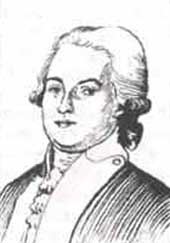
Jean Thomas de Thomon (1760–1813) was a French architect. At the invitation of Prince A. M. Golitsyn, he came to Russia (1799), where he received the title of academician at the St. Petersburg Academy of Arts (1800) and professor of architecture (1810). From 1802, he served as a court architect. By order of Empress Maria Feodorovna, he created a garden temple-mausoleum in memory of Paul I in Pavlovsk (1807–1809). In the capital itself, buildings were rebuilt according to the master's designs, including the Laval House (now the building of the Constitutional Court of the Russian Federation, English Embankment, 4), the famous Stock Exchange (Central Naval Museum, Birzhevaya Square, 4), and fountains that existed at the time along the road to Tsarskoye Selo were put into operation. Several noble mansions were also built in Saint Petersburg. He published the drawings of his main structures in a separate collection; in addition, he wrote and printed a treatise on art history with accompanying engravings, drawings, and plans. Unfortunately, no portraits of the architect have been preserved.
At the turn of the century, a new style began to take shape. It was actually called the "new style" (Art Nouveau, Jugendstil, Modern). Finnish architects took the best from various styles and added to them the national romanticism of Finland, which became the final push that formed the Northern Modern. In architecture, it was characterized by the extensive use of natural stone, roughly processed, with gray and pastel, sometimes even swampy tones, and an active immersion into the newly acquired national mythology, collected by researchers during the era of national revival. Moreover, for the residents of St. Petersburg building dachas on the Finnish coast, the solutions and examples of Northern Modern country houses were very appealing, as they prioritized both closeness to nature and the comfort of those living in such homes. The widespread use not only of stone but also of accessible wood led to the spread of houses "in the Scandinavian style." Of course, political peculiarities also played a role. After all, Finland at that time was, although fairly autonomous, still part of the Russian Empire. Eliel Saarinen (who spent his childhood near Gatchina) and Lars Sonck were the brightest representatives of Finnish national romanticism (one of Lars Sonck’s wooden buildings surprisingly still survives in the village of Kurkieki — now within the territory of the Republic of Karelia).
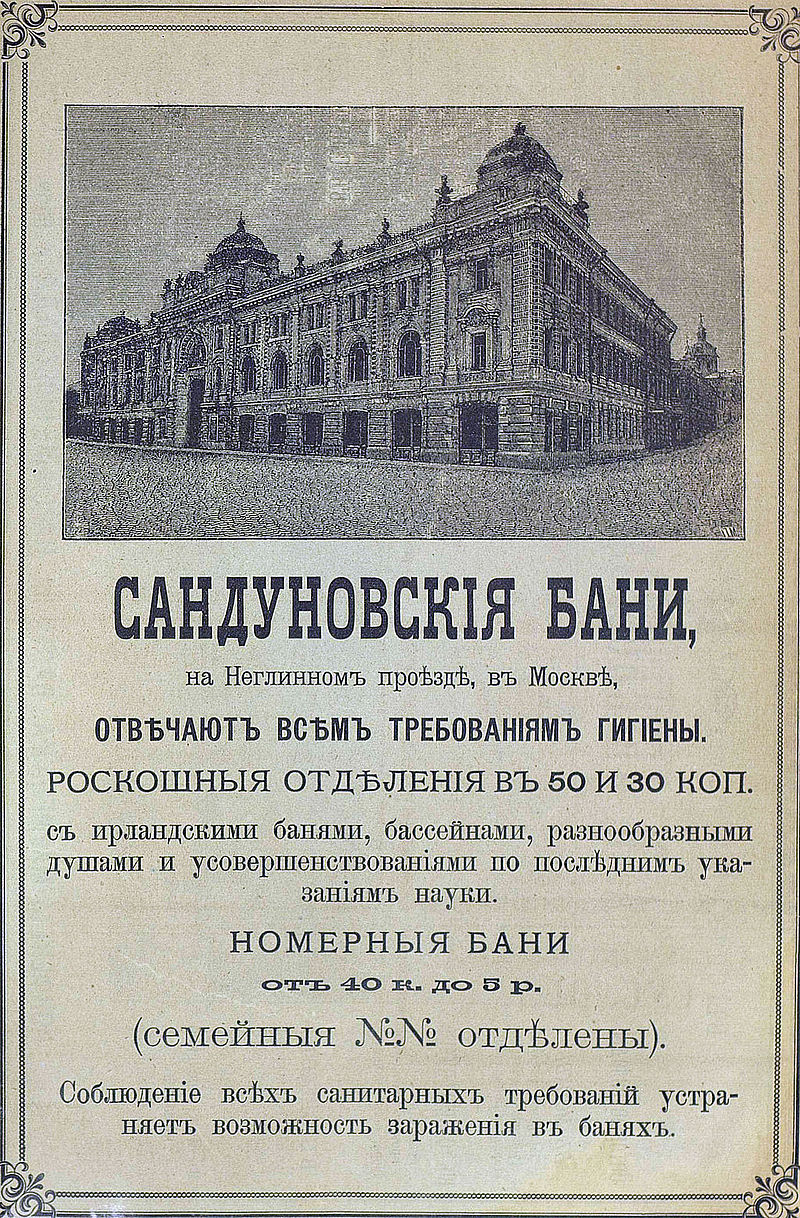
Strictly speaking, no one knows when the first bathhouse appeared in Russia, but there are accounts from ancient historians that improvised baths in leather tents were used by the Scythians. "Movnitsy," "vlazni," and "myilni" have been described in Rus at least since the 10th century. At first, these were simple wooden structures without any frills, but over time, elaborate architectural buildings began to be constructed. Baths have also been known in the East since ancient times. Read here about the bath in Derbent where only unmarried girls could bathe, which Fyodor Chaliapin called the "tsar-bath," and where the constructivist "disk-bath" is located.
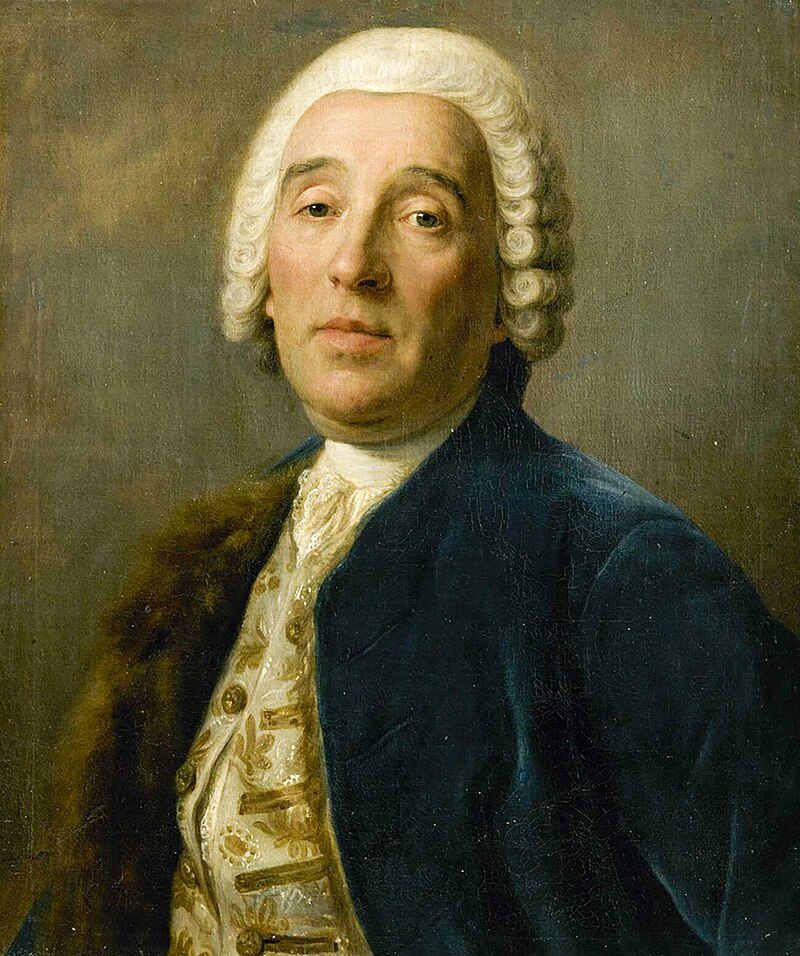
Count Bartholomew Bartholomeevich (Bartolomeo) Rastrelli; also Francesco Rastrelli, was born in 1700 in Paris. The date of Rastrelli's death and place of burial are unknown, but it is assumed that he died in Mitava in 1771 and was buried next to his wife Maria near the Reformed Church. This grave was lost during World War II. A Russian architect of Italian origin, an academician of architecture of the Imperial Academy of Arts. The name Rastrelli is practically synonymous with the Elizabethan style, as during the reign of Elizabeth I, Rastrelli led most of the major construction projects in Russia.
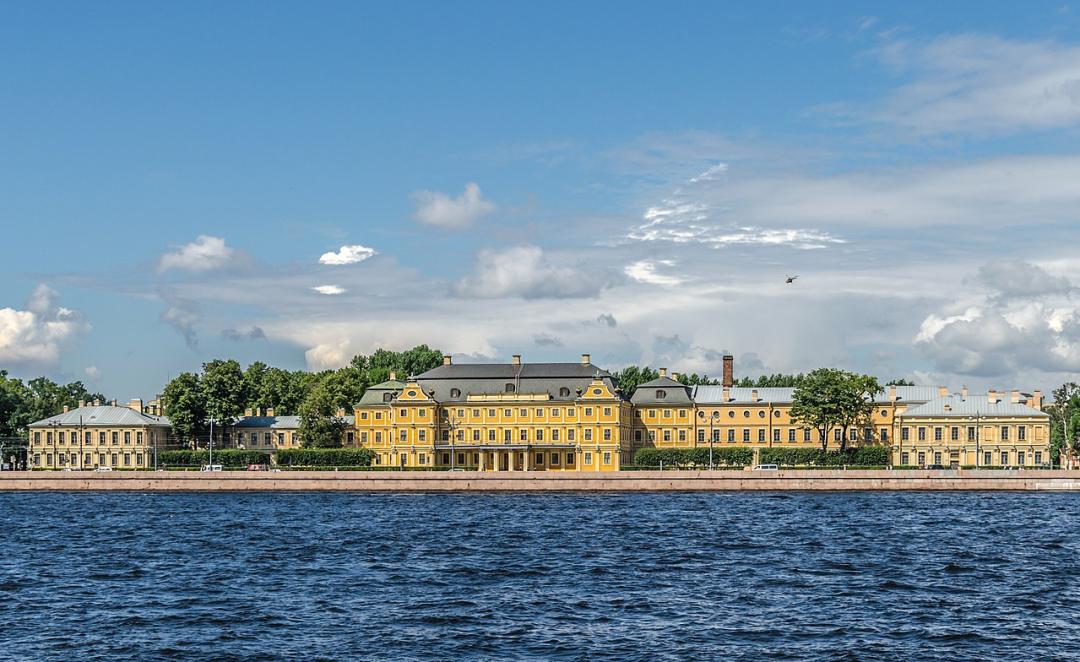
In the imperial capital, which was Saint Petersburg, palaces were built for the imperial family and the highest aristocracy; they were meant to showcase the grandeur and wealth of both the empire and the families who owned them. Some of these palaces, passing from hand to hand, were rebuilt to meet the requirements of their new purposes, as some were transferred to house various government institutions, gifted, or sold to new owners, who in turn followed new fashions and trends. After the revolution, all of them were nationalized and used as museums or office buildings. Some buildings are inaccessible, while others house museums and public spaces where tickets can be purchased.
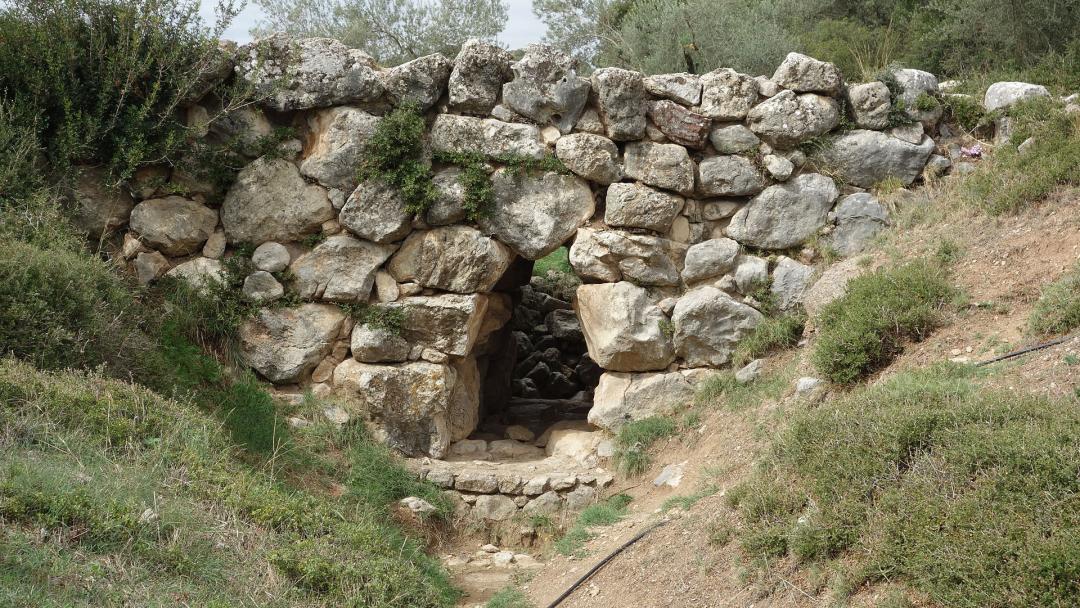
Besides the very first bridges made from improvised materials, vines, logs thrown over a stream or river, and stones piled into the riverbed, people began building real bridges a long time ago. Let's take a tour of the oldest bridges in the world.
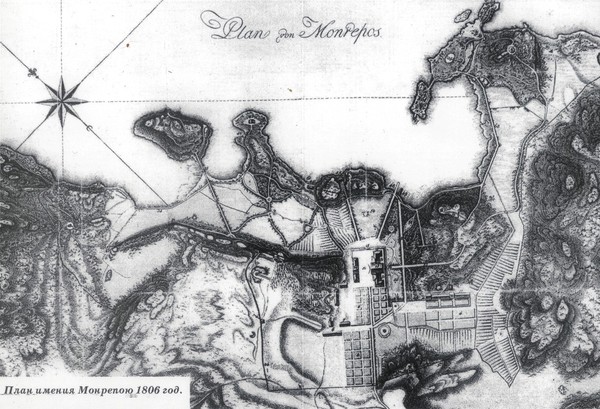
The official name of Monrepos Park is the "State Historical, Architectural, and Natural Museum-Reserve." This picturesque landscape park is located on Tverdysh Island on the shore of Protective Bay of the Vyborg Gulf. Tverdysh Island was formerly known as Castle Island (Swedish: Slottsholmen, Finnish: Linnansaari). When Vyborg was part of the Kingdom of Sweden, the land on the island belonged to the treasury and was managed by the governor of Vyborg Castle. The estate complex and a few small structures are situated on an area of 180 hectares. The natural landscape lies within a special physico-geographical region — Fennoscandia. Unique stone ridges from the glacial period, made of rapakivi granite ("rotten stone"), reach heights of up to 20 meters in certain areas. Water is an integral part of the park's overall composition, connecting the mainland with a chain of rocky islands and giant boulders.
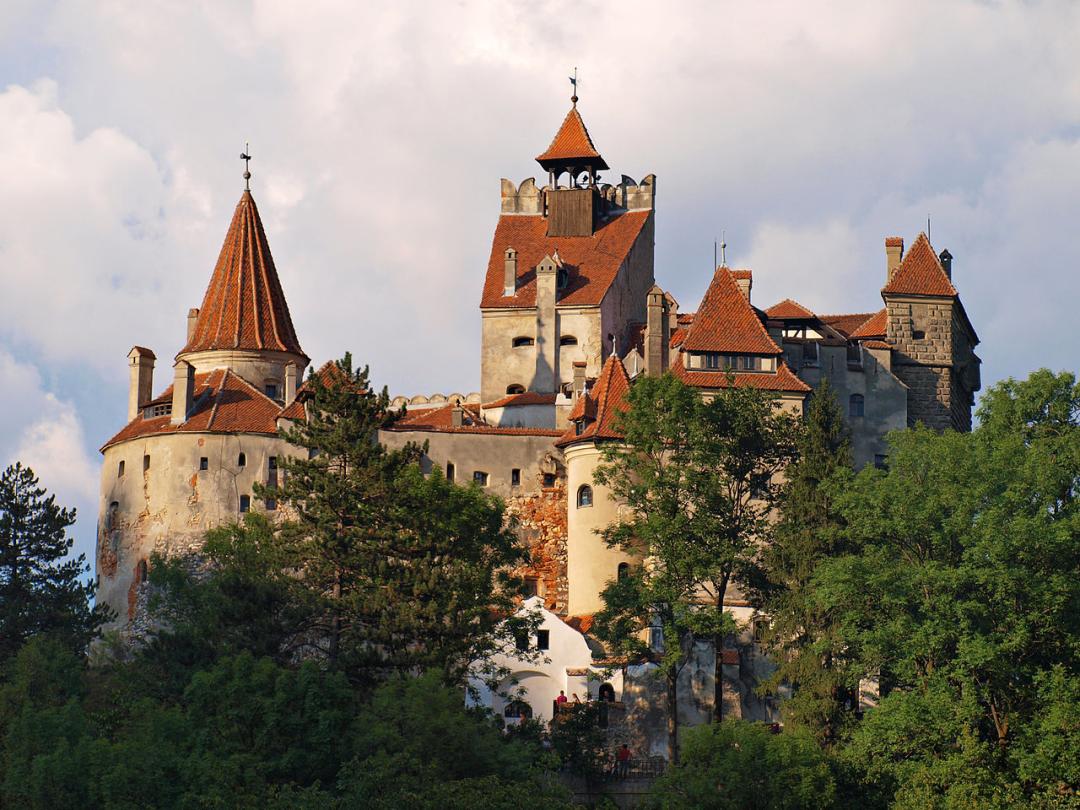
The history of Romania is rich and multifaceted, marked by a series of different historical periods. In ancient times, the Dacians dominated, who were eventually conquered by the Romans in 106 AD, leading to a period of Roman rule that had a lasting influence on the language and culture. In the Middle Ages, separate principalities such as Wallachia and Moldavia emerged, often caught between the interests of powerful neighboring empires like the Ottoman Empire, the Habsburgs, and Russia. In the modern era, Romania gained independence from the Ottoman Empire in 1877 and subsequently united in 1918, encompassing Transylvania, Banat, and other regions. The interwar period was marked by political upheavals and economic growth, followed by World War II, when Romania initially joined the Axis powers but then switched sides in 1944. The post-war period was characterized by the establishment of a communist regime that lasted until the 1989 revolution, which led to a transition to democracy. Romania’s accession to the European Union in 2007 was an important milestone in its modern history, reflecting its integration into Western political and economic structures.
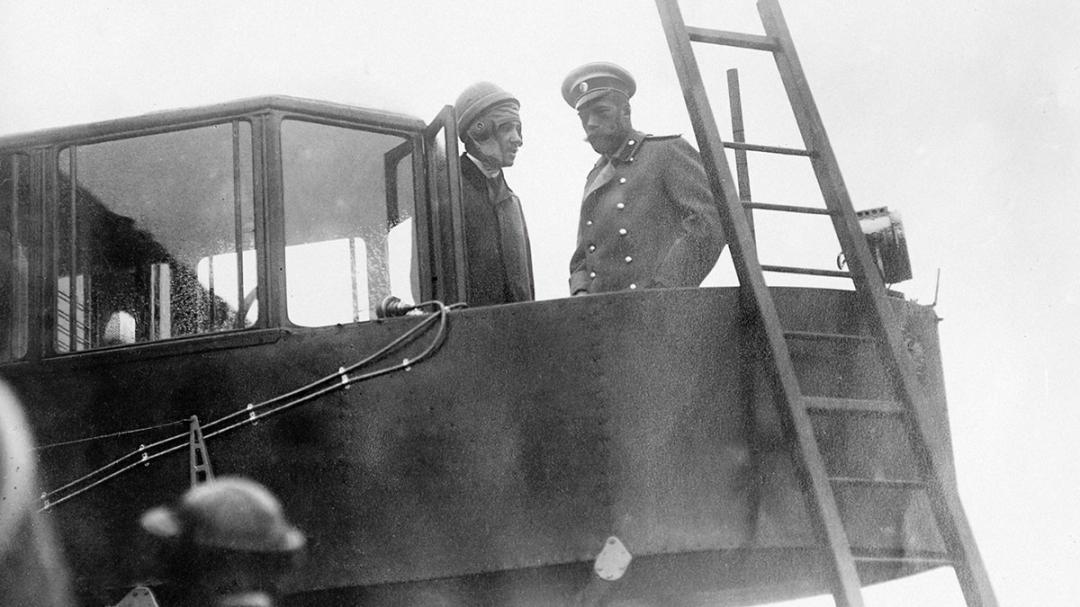
Millions of people, at different times and for various reasons, have left their homeland to escape persecution or in pursuit of a dream. And yet, we rightfully take pride in the great scientists, artists, and writers—originating from the Russian Federation, the USSR, and the Russian Empire—who were able to realize their talents abroad.
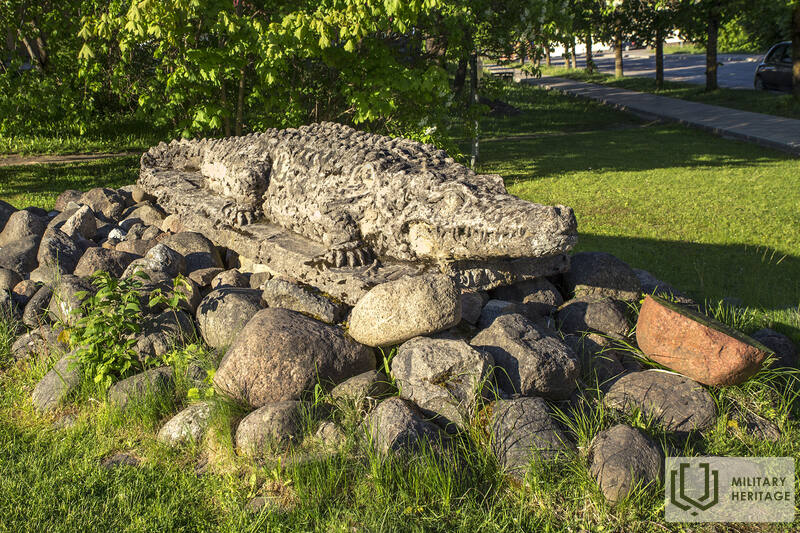
Fates of legendary people of our time and past years, interesting stories and legends
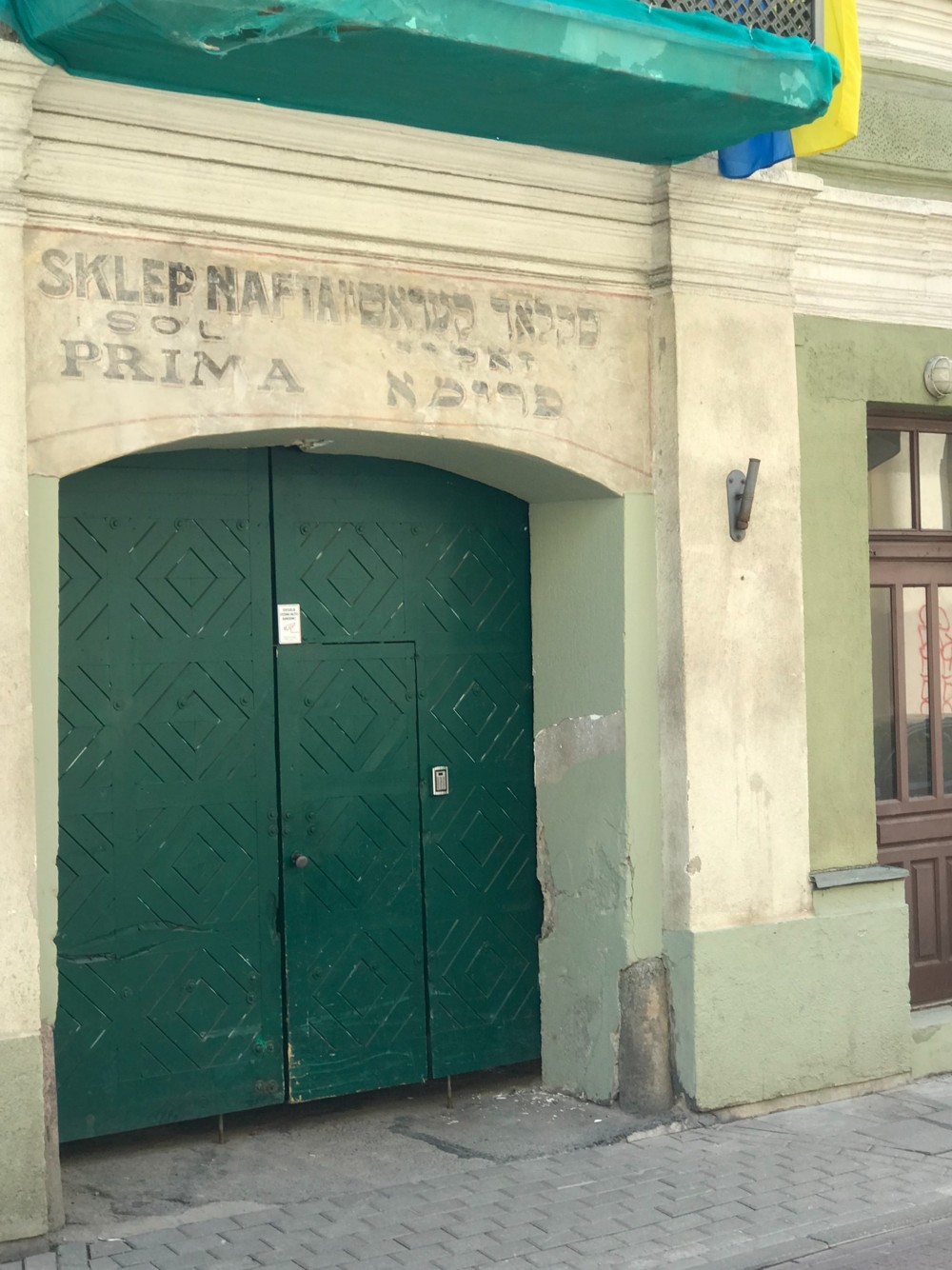
One of the old nicknames of Vilnius is the Lithuanian Jerusalem: in the 18th-19th centuries, it became the unofficial capital of Yiddishland, the intellectual and spiritual center for Yiddish-speaking people. In the interwar period, nearly a third of its population consisted of Jewish families. It was a true golden age for Yiddish culture: the city was home to Jewish scholars and rabbis, with more than 100 synagogues and prayer houses. During the war, the Jewish community of Lithuania was destroyed by 94% — a horrific figure even in the context of the entire Holocaust, and today almost nothing remains to remind us of its existence. When Jews first appeared in Vilnius is now uncertain — the earliest mention of Jewish merchants, who even had their own guest courtyard, dates back to 1326, but these merchants were likely outsiders. The first Jewish cemetery is mentioned in 1483, but overall, the Grand Duchy of Lithuania, contrary to popular belief, was not very eager to allow Jews within its borders. In fact, Jews in the Polish-Lithuanian Commonwealth were a direct consequence of the "nobles' democracy," or rather the weakness of the Polish-Lithuanian merchant class itself, so magnates preferred to invite foreigners for the despised trade — whether Tatars and Karaites in Lithuania, Armenians in Galicia, or Jews in Crown Poland. Jewish expansion into Lithuania began in 1593 with a decree from King Sigismund Vasa, allowing Jews to own property and open synagogues here. However, the first Vilnius synagogue is known from 1572, and by 1592 it was burned down during a pogrom. The building of the Great Synagogue, which stood until the war, was constructed between 1630-33, and over time it became the center of Yiddishland. But the events that turned Vilnius into the Northern Jerusalem began in the 18th century in Ukraine, in Medzhybizh. This concerns the emergence of a new Jewish movement — Hasidism, which arose largely as a consequence of the Khmelnytsky Uprising: before the war, Jews referred to the pogroms carried out by the Cossacks during the Ukrainian-Polish war as the Catastrophe, in which up to one hundred thousand people died. Just as after the Holocaust in the 20th century, Ukrainian Jews could no longer live as before after Khmelnytsky, speaking of the imminent end of the world and the coming of the Messiah, which became fertile ground for the new teaching. But Khmelnytsky's devastation did not affect Lithuania (including Belarus), so the worldview there was somewhat different: Hasidim, with their reverence for the tzaddik ("righteous one," the spiritual leader of the community), tales, and dances, seemed to the Litvaks like savagery bordering on paganism. Here arose the opposite movement, the Misnagdim ("opposition"), where, as had been customary for centuries, the knowledge of the Torah was paramount. The Litvaks were led by Eliyahu ben Shlomo Zalman, better known as the Vilna Gaon ("genius") — he was born near Brest, studied in Kėdainiai, traveled extensively among European communities, engaging with the most enlightened Jews and studying primary sources, and finally settled in Vilnius in 1745, where, even without being a rabbi, he soon gained enormous authority and influence — his ideas were even embraced by the nobleman Valentin Potocki, who converted to Judaism and was, according to legend, burned at the stake for it in 1749. However, the Judaism of the Vilna Gaon was not only orthodox but also enlightened. The characteristics of the Litvak shtetls gave rise to yeshivas that were enormous for their time. The Vilna yeshiva was even elevated in 1873 to the Jewish Teachers' Institute, while the "ordinary" teachers' institute in Vilnius opened only in 1876. As a result, in the 19th century Vilnius became not an economic center (like Odessa or Kyiv), nor even a spiritual one (like Uman or Berdychiv), but precisely the intellectual center of Yiddishland. Even the well-known Ilya Efron (who, together with Brockhaus, published the famous encyclopedia) was a great-grandson of the Vilna Gaon. In 1864, Jews were allowed to settle throughout the city, but the Northern Jerusalem reached its peak outside the Russian Empire. In 1915 (under the "first" Germans), the Jewish Philharmonic was formed (also serving as a drama theater and the sports society "Maccabi"), the building of which now houses the Jewish Museum on Novogrudskaya Street. And in the former income house of Yanov on Bolshaya Pogulyanka, the Jewish Scientific Institute opened in 1925, which since 1940 has been located in New York and is engaged in researching the cultural heritage of European and American Ashkenazi Jews (primarily the Yiddish language, literature, and folklore). There were Jewish hospitals, sports halls, gymnasiums, old people's homes, and much, much more. Even from the remnants of the Lithuanian Jerusalem, one could walk for a whole day.
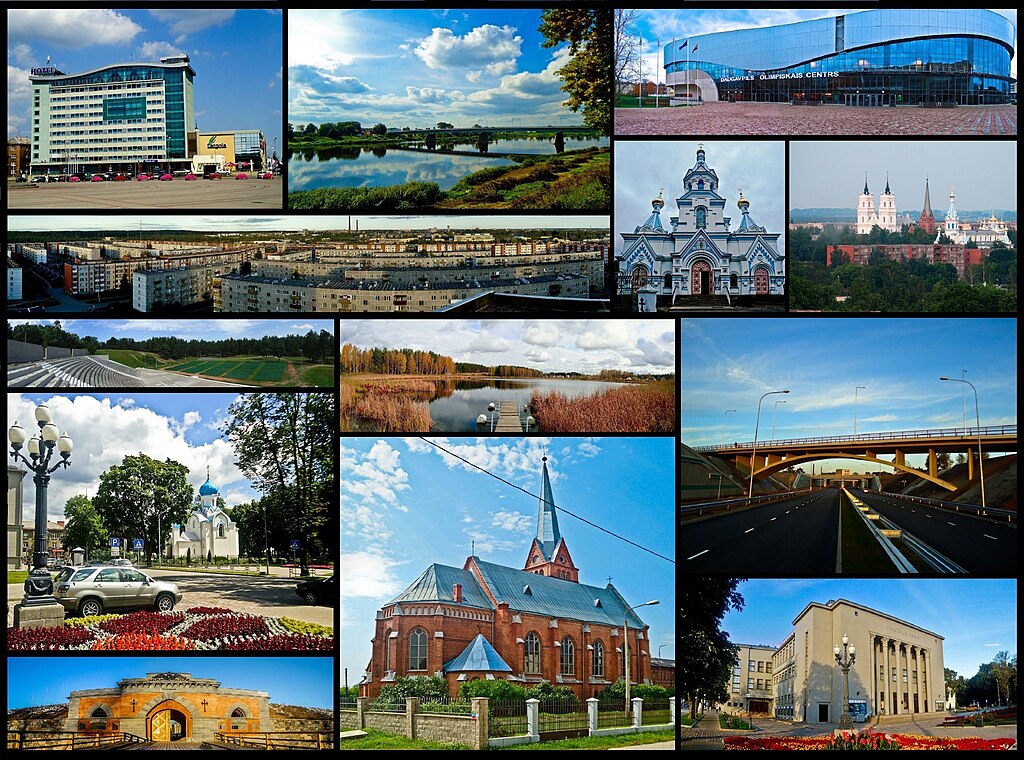
Daugavpils, a city with many names (until 1920 — Dvinsk; until 1893 — Dinaburg, German name Dünaburg; in 1656–1667 — Borisoglebov; also Nevgin in Russian chronicles) — the second largest and most significant city in the country after Riga. A city of a difficult fate, it passed from state to state, was destroyed and rebuilt many times, changed its ethnic composition (population-wise it was a German, Jewish, and Russian city, but never Latvian), grew and shrank. The city was founded in 1275 as the fortress (castle) Dinaburg (originally located 19 km upstream from the current location of the city on the Daugava River). The population of the city at the beginning of 2024 was 77,799 people. At the same time, the share of Russians in the population of Daugavpils was the highest among large cities in Latvia — 46.6%. In 1558, the Livonian War began. In 1559, Dinaburg was ceded by the Livonians to the Polish king and Grand Duke of Lithuania Sigismund II Augustus. According to the treaty between Sigismund II and the Landmeister of the Teutonic Order in Livonia, Gotthard Kettler, concluded in 1561, Dinaburg became part of the Grand Duchy of Lithuania (from 1566 it became the center of the newly created Duchy of Inflanty, which was initially part of the Lithuanian principality, and from 1569 — the Polish–Lithuanian Commonwealth). In July 1577, the castle was taken by the troops of Tsar Ivan the Terrible and completely destroyed. Then, by Ivan the Terrible’s order, the fortress was rebuilt 19 km downstream on the Daugava (at the site of modern Daugavpils) — at the mouth of the Shunitsa River opposite the settlement of Ierusalimka. However, in 1582, according to the Treaty of Yam-Zapolsky, Dinaburg passed to the Polish–Lithuanian Commonwealth, and in the same year it was granted city rights (Magdeburg rights). During the war for the Swedish throne between King Sigismund and Duke Charles of Södermanland, as well as under Gustav II Adolf, the Swedes twice captured Dinaburg but each time returned it to the Commonwealth. Meanwhile, the Duchy of Inflanty effectively ceased to exist, and part of its former territory became the Inflanty Voivodeship with its center in Dinaburg. As a result of the Treaty of Kėdainiai in 1655, the city was occupied by the Swedes. However, a year later, during the Russo-Swedish War of 1656–1658, Dinaburg was besieged and taken by the army of Russian Tsar Alexei Mikhailovich, who renamed the city Borisoglebov (in some sources — Borisoglebsk). In 1666, during the Russo-Polish War, an attack by Lithuanians near Borisoglebov was repelled, but by the Treaty of Andrusovo the city again passed to the Polish–Lithuanian Commonwealth. As a result of the First Partition of the Polish–Lithuanian Commonwealth, Dinaburg in 1772 became part of the Russian Empire, becoming the center of the Dvinsk province of Pskov Governorate. From 1773 to 1776 — a district city of Pskov Governorate, from 1776 — Polotsk Governorate (from 1778 — Polotsk Viceroyalty), in 1796–1802 — Belarus Governorate. From 1802 — a district city of Vitebsk Governorate. From 1810 to 1832, the Dinaburg fortress was constructed in the city. By the beginning of the Patriotic War of 1812, the fortress was not completed, and although the garrison managed to repel the first assault, it was ultimately forced to abandon it, after which a significant part of the fortifications was dismantled by the French. In the mid-19th century, the city became a major railway hub: the Riga-Dinaburg and St. Petersburg-Warsaw railways passed through Dinaburg. From the second half of the 19th century, Dinaburg was one of the most important cities in the western part of the Russian Empire. On January 14 (26), 1893, by decree of Emperor Alexander III, the city of Dinaburg was renamed Dvinsk. In 1897, the city’s population was 69,675 people, including: Jews — 32,064, Russians — 19,153, Poles — 11,420, Germans — 3,126, Belarusians — 1,525, Latvians — 1,274. During World War I, most of the city’s industrial enterprises were evacuated to the inner provinces of the Russian Empire. The front approached the city in autumn 1915, when during the Svenciany breakthrough German troops were able to reach the Daugava River and Dvinsk closely. The capture of Dvinsk, as an important strategic point, would have opened the way to Petrograd. Positional battles took place around the city. After the October Revolution and the armistice on the front (Decree on Peace), in November 1917, a delegation of Soviet Russia passed through Dvinsk to Brest-Litovsk for peace negotiations with Germany. On February 18, 1918, German army units entered Dvinsk and occupied the city for several months. After the November Revolution in Germany, on December 9, 1918, German troops left Dvinsk without a fight, after which the Red Army occupied it. At the beginning of 1919, Dvinsk and Dvinsk County, as well as two other "Inflanty" (Latgale) counties of Vitebsk Governorate — Rezhitsa and Lyutsin — were effectively integrated into the Socialist Soviet Republic of Latvia, which was reflected in the republic’s constitution. During the battles for Dvinsk in the Soviet-Polish War, on January 3, 1920, the city was occupied by Polish troops under General E. Rydz-Śmigły. By the Riga Peace Treaty, concluded on August 11, 1920, between the Republic of Latvia and Soviet Russia, the city of Dvinsk and Dvinsk County became part of independent Latvia. In the same year, the city was renamed Daugavpils ("castle on the Daugava"), and the former Dvinsk County was renamed Daugavpils County (which existed until the end of 1949, when counties in the republic were abolished and district division introduced). In September 1939, after the start of World War II, some units of the Polish army crossed into Latvian territory near Daugavpils. In the autumn of the same year, a camp for interned Polish military personnel was established in the Daugavpils fortress. On June 17, 1940, Red Army units entered Daugavpils. From summer 1940, the city was part of the Latvian SSR. On June 26, 1941, at the very beginning of the Great Patriotic War, the city was captured by German troops. Mass shootings of Jews and prisoners of war took place in the Pogulyansky forest. Behind the northern rampart of the Daugavpils fortress was a camp for Soviet prisoners of war "Stalag-340" (Stalag 340). On July 27, 1944, Red Army units liberated the city from German troops, and then from August to October 1944, Daugavpils temporarily served as the capital of the Latvian SSR. During World War II, more than 165,000 people were killed on the city’s territory, and the city itself was destroyed by more than 70%. After the war, the population fell from 51,000 to 14,892, and the entire Jewish population of the city, which made up almost 50%, was annihilated. After the war, the city began to grow again. In 1979, construction of the Daugavpils Hydroelectric Power Station began in the Rugeli area, but the construction was stopped in 1987. The 1989 USSR census recorded 126,700 residents in the city. As of January 1, 1992, the city had 127,619 inhabitants, after which the population began to steadily decline (77,799 in 2024).
Hidden histories of the city of seven mountains.
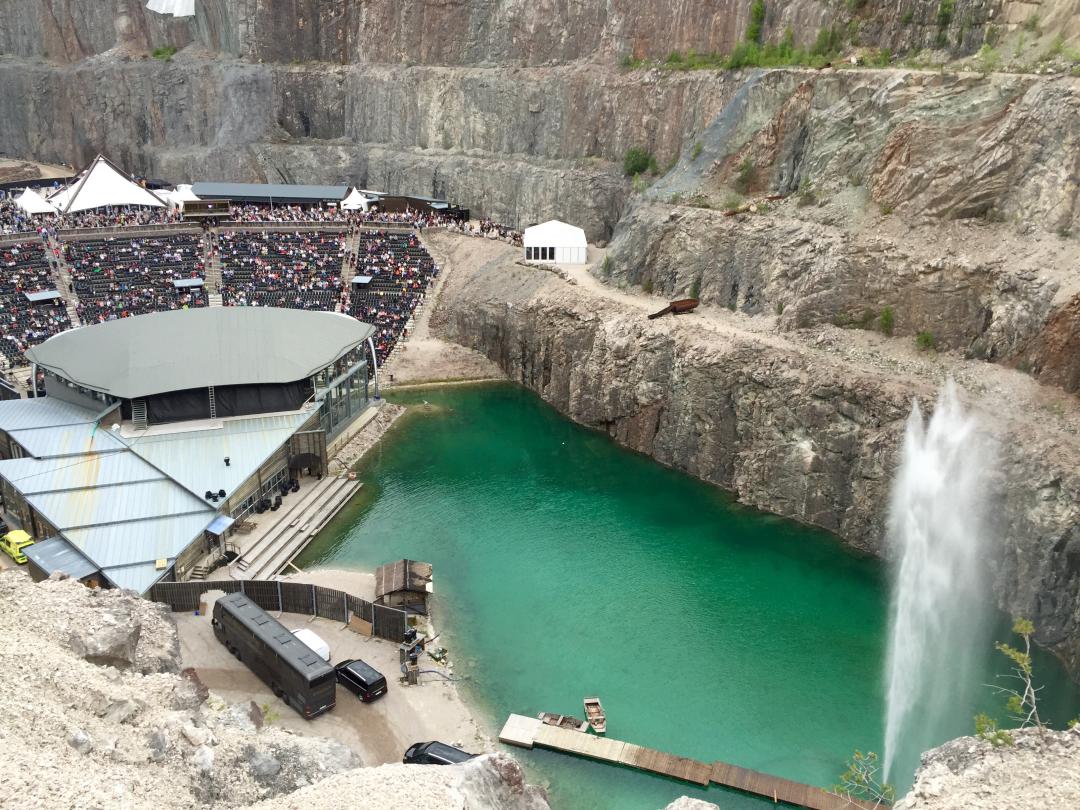
Discover the world's most unique music venues! From floating stages to ancient amphitheaters, these 12 incredible locations redefine where we experience live music. Ready to explore concert halls like no other? #UniqueVenues #LiveMusic #GlobalSoundscapes #TravelAndMusic #UnforgettableStages
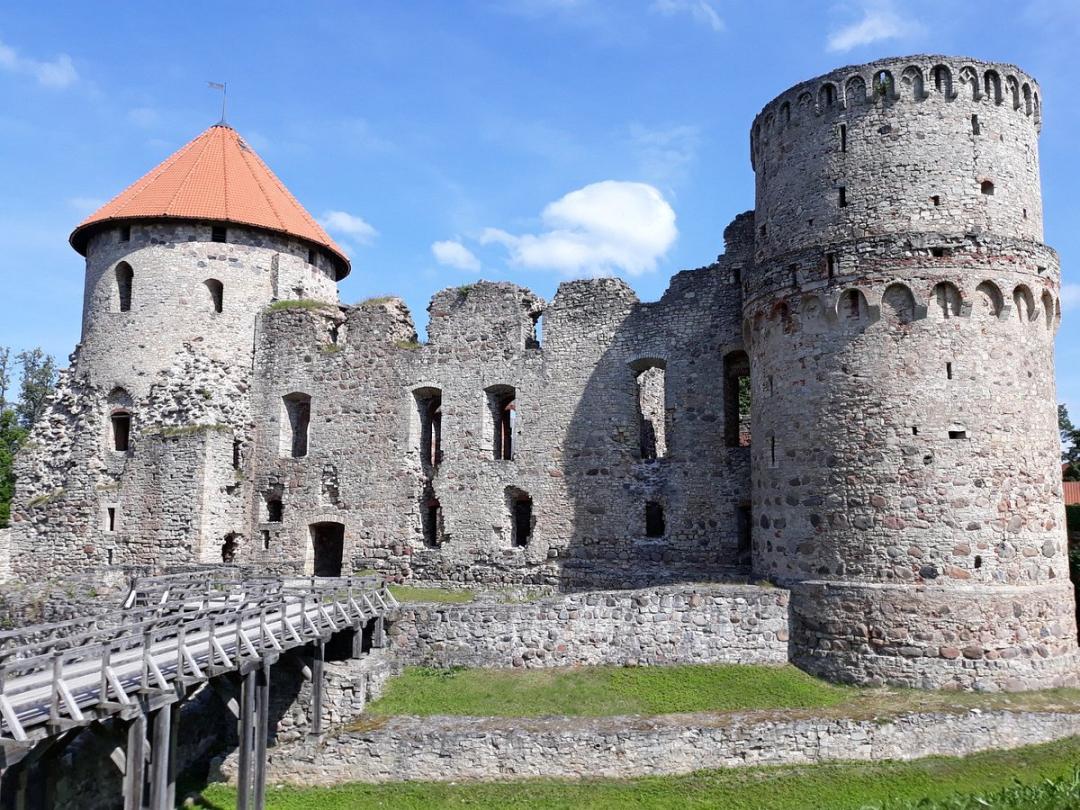
Latvia is home to unique castles, fortresses, and palaces built centuries ago, which tell the story of the state, its architecture, and its inhabitants over the centuries. There used to be more than 150 of them; now there are almost three times fewer. They are romantic and brutal, ancient and medieval, ruined and restored. Ivan Lazhechnikov wrote about Latvian castles in his novel "The Last Novik": "You still look at the castles of Livonia as representatives of its feudal life, wild and romantic. They are veterans of a once famous and now non-existent army, veterans, battered, already paying tribute to time and falling into eternal sleep on their broken trophies. They also had their great time. Wake them up, question them with patience and respect due to their gray hairs and merits—and they, in the eloquent babble of infantile old age, will tell you wonders of the long past; and the gigantic shadows of their commanders, listening from the dust to words of honor and beauty, will rise before you formidable, clad from head to toe in iron, ready, at the slightest doubt about their greatness, to throw you a clanging gauntlet, on which you can still see splashes of the dried blood of their enemies." Since the first castle appeared on Latvian soil, more than 30 generations have passed. By the chronology of how castles and fortresses appeared and were destroyed, one can get an idea of the process of conquering the local lands. And by the appearance of the buildings, one can learn about the tastes of their patrons, among whom were the Livonian Order, bishops, feudal lords, and the nobility of the 19th century.
St. Petersburg has been shaken more than once by high-profile murders. Emperor Paul I was strangled in the Engineers' Castle, Grigory Rasputin was shot in the Yusupov Palace, and the embankment of the Griboedov Canal still remembers the assassination attempt on Tsar Liberator Alexander II. Unfortunately, terrible crimes still occur in the Northern capital to this day.
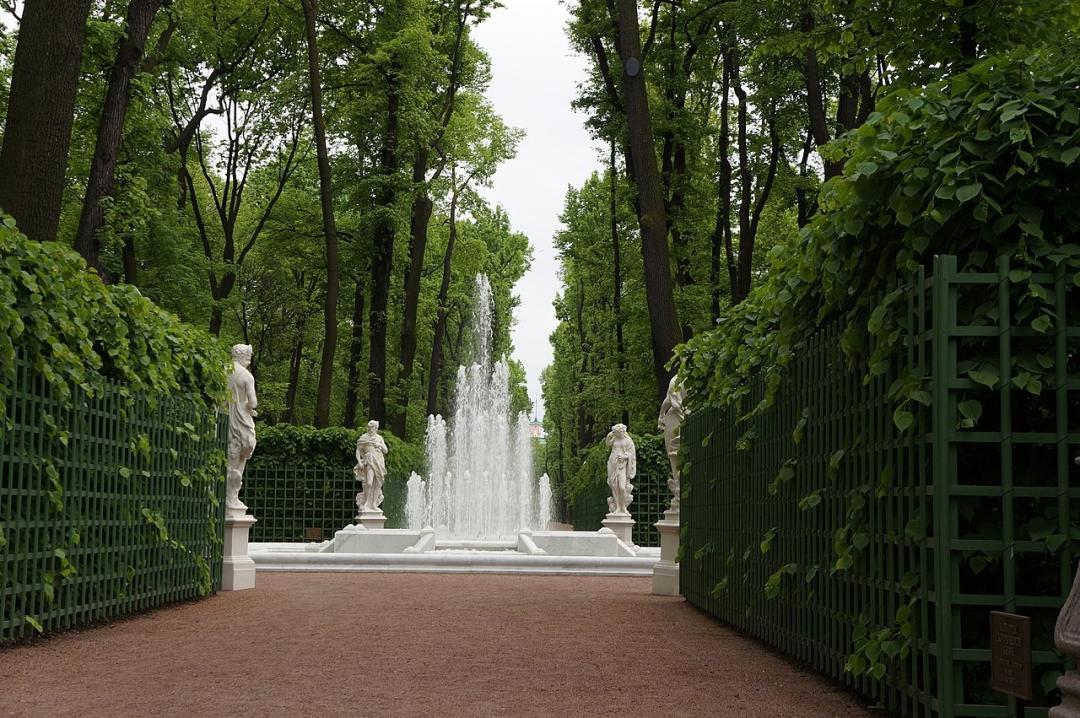
The Summer Garden was originally created as a summer royal residence, and a part of the Usaditsa Island was allocated for its arrangement: Peter I chose a settled and advantageously located estate on the site where the property of Swedish Major Erich Berndt von Konow (Konau) was located — a small house with a farmyard and a garden. At that time, this part of the island served a transportation function (lost with the construction of the Bolshaya Perspektivnaya Road). In Peter's time, it was a place for court festivities, assemblies, and receptions; from the mid-18th century, the garden was used for aristocratic walks and even horseback riding. In the 19th century, it became a public garden. Today, it houses a museum and exhibition complex.
In the history of architecture, it is necessary to study not only the preserved but also the lost architectural monuments. Among the vanished monuments of Saint Petersburg were genuine pearls of architecture – the Ekateringof Palace, the Stroganov dacha, and, of course, the long series of destroyed churches – the city's main loss.
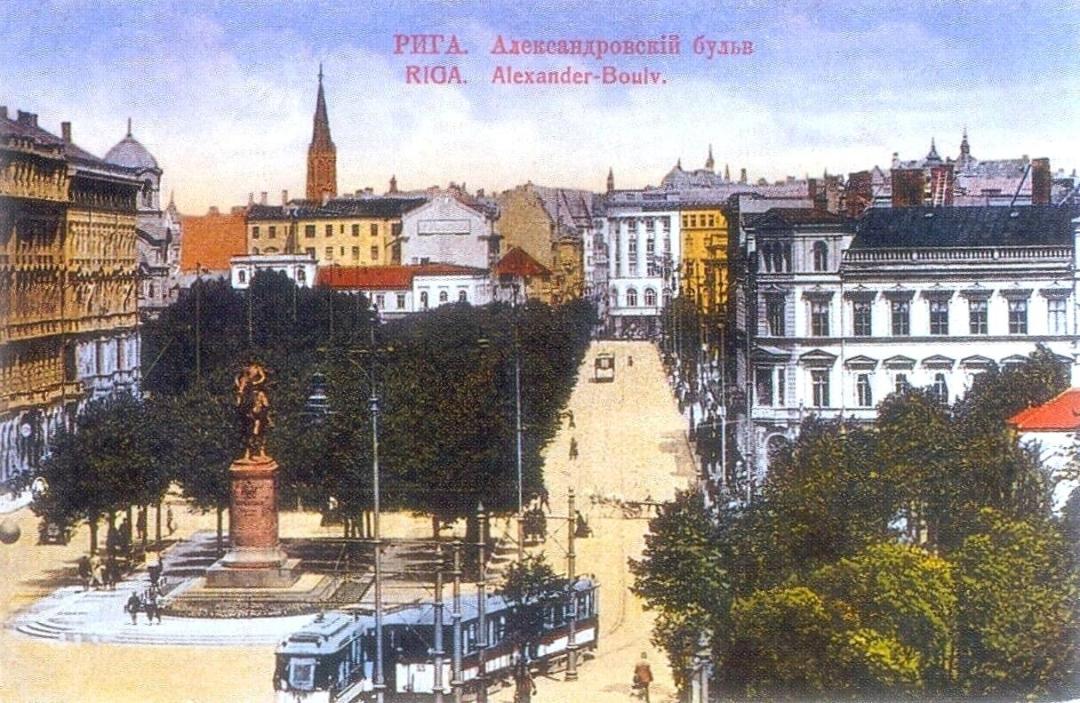
Pre-revolutionary Riga was one of the largest industrial centers in Russia, Europe, and the world. The Russian Empire developed high-tech industrial production in Riga: the Russo-Baltic Electrotechnical Plant, the telegraph factory "Provodnik," the first aviation industry in Russia, and the legendary "Russobalt" automobiles. By the beginning of the 20th century, Riga ranked fourth in the Baltic region by population after St. Petersburg, Copenhagen, and Stockholm, and seventh in the Empire — after St. Petersburg, Moscow, Warsaw, Odessa, Łódź, and Kyiv. At that time, it had a population of 282,000 people. Of these, Germans made up 47%, Russians 25%, Latvians 23%, Jews and other ethnicities 4%. New industrial enterprises continued to be established, and existing ones developed rapidly. The city's population steadily grew and reached 482,000 by 1914. The Riga industrial region became the third largest in the country by production volume — after the St. Petersburg and Moscow regions. During the Soviet era, Latvia was something like its own "little abroad" — beautiful clean city streets, mysterious names in Latin script, no shortages in stores, and beautiful girls in fashionable clothes. Vacationing in Jūrmala was then considered more prestigious than on the Black Sea coast. And the beautiful city of Riga in the Soviet years became a constant filming location for movies about "foreign life." Its elegant streets, with so many historic buildings — from medieval to Art Nouveau styles — appeared in dozens of films from those years.
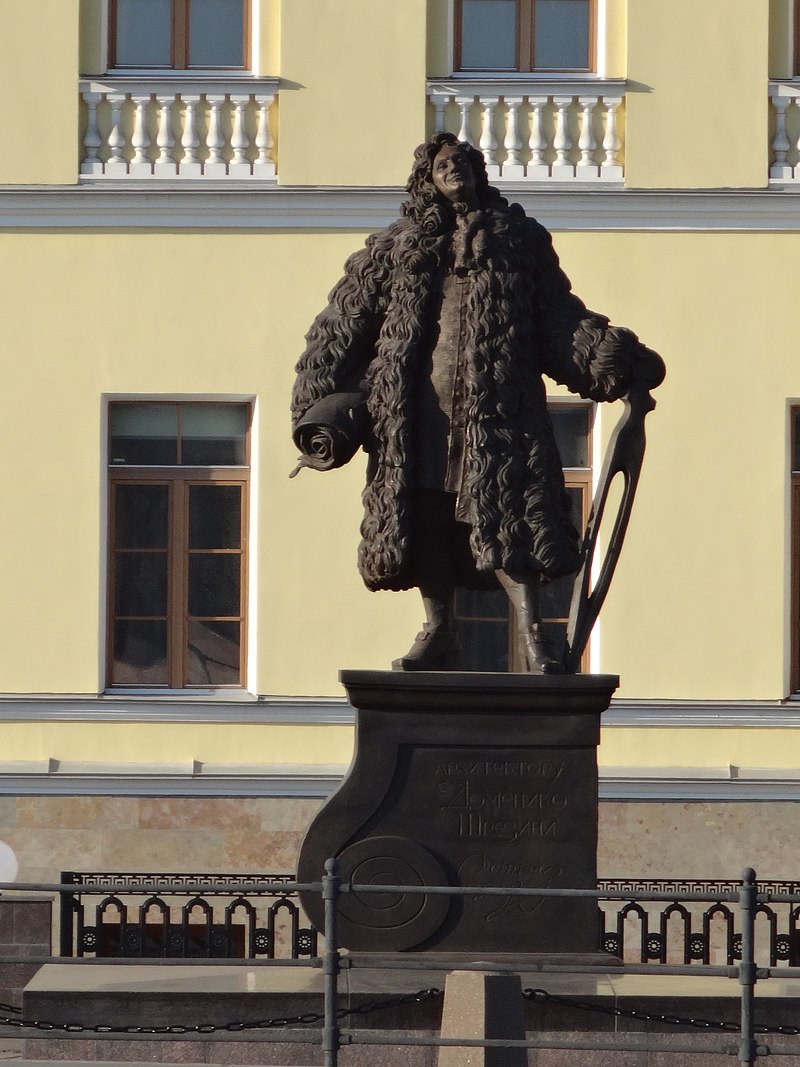
Architect Domenico Trezzini was born in Switzerland, studied in Italy, and worked in Denmark. However, he gained recognition in Russia, where he became famous as the first and chief architect of St. Petersburg and the founder of early Russian Baroque. Domenico Andrea (according to other sources — Domenico Giovanni) Trezzini was born in 1670 into a family of modest Italian nobility living in the Swiss town of Astano. Almost nothing is known about his early years. He studied in Venice — at that time one of the centers of European artistic education, alongside Rome. During his studies, Trezzini witnessed the flourishing of Venetian art, which was based on the traditions and values of the Renaissance. This had a noticeable influence on the young architect’s style. It is known that after his studies, Domenico Trezzini returned to his hometown, where he married Giovanna di Veitis. However, he soon had to leave: he needed to support his family, and in search of work, Trezzini went to Denmark. Trezzini managed to get a job as a fortification engineer and eventually became the “architectural chief in fortress construction,” but this did not bring him the desired income. Russian envoy at the Danish court, Andrey Izmaylov, took notice of Domenico Trezzini’s work. On April 1, 1703, he signed a contract with “Mr. Tretzin,” which contained the following terms: “For his artistry, accomplished skill, I promise him 20 chervonets per month as salary and to pay it to him throughout the year, starting from the 1st of April 1703, and to pay him fully for each month, in proper and current money, at the same rate as abroad, that is, at the rate of 6 Lübeck marks per chervonets, which is also the proper rate in Danish lands. To the named Tretzin, moreover, I promise, as he has clearly shown his skill and artistry, to increase his salary.” The offered salary was absolutely fabulous for those times. Trezzini agreed without hesitation and soon found himself in St. Petersburg. One of the architect’s first Russian projects was the Kronshlot fort. It has not survived to this day, but sketches remain that allow us to reconstruct its appearance. The defensive structure was an octagonal tower and resembled a traditional Russian bell tower in outline, but was more squat and wide. Just two months after the completion of Kronshlot, it had to endure its first “combat test”: a Swedish squadron attacked the fort. The fortress withstood the assault without significant damage. In 1706, Peter I planned to rebuild the Peter and Paul Fortress: it was to be transformed from an earthen fortification into a stone one. The work was extensive. It was necessary to timely procure and deliver a huge amount of building materials — timber, bricks, lime — and find enough workers. To manage the construction, Peter established the Office of Urban Affairs. Its head was Ulyan Senyavin, and Domenico Trezzini (known in Russian as Andrey Yakimovich Trezin) was appointed his chief assistant. Just two years later, the construction of stone powder magazines for the renewed fortress was completed, and the building of soldiers’ barracks and bastions began. The fortress gates were initially wooden. However, later a special decree by the tsar was issued — “not to build wooden structures along the Great Neva and its large channels” — and the gates were replaced with stone ones. By 1716, the fortress was completed. Domenico Trezzini began the construction of the Peter and Paul Cathedral within its territory. The highest point of the architectural ensemble became the Peter and Paul bell tower with its famous needle-like spire. Trezzini himself considered the fortress construction his main work and until the end of his life began the list of his projects with the phrase “The foremost of the main works — the fortifications of St. Petersburg.” The Peter and Paul Fortress was far from Trezzini’s only work in St. Petersburg. When it was completed, the overall architectural appearance of the new capital came under the jurisdiction of the Office of Urban Affairs. Thus, Trezzini became the chief architect of St. Petersburg. From 1710 to 1714, he worked on the design of Peter I’s Summer Palace. The residence was quite modest for those times — exactly in line with the tastes of the first Russian emperor: it had only 14 rooms and 2 kitchens. The building’s facade was decorated with allegorical bas-reliefs on the theme of the events of the Northern War. In 1715, Trezzini created the project for the Alexander Nevsky Lavra — a symmetrical architectural ensemble located between the Neva and the Chyornaya Rechka. The monastery was built until 1723, and all this time it “grew” with workers’ settlements, gardens, and vegetable plots. In 1717, Peter I ordered Domenico Trezzini to build a “model house for the wealthy” — a city stone mansion. These were to replace the unaesthetic buildings that had been erected initially for the residents of the young city. The architect intended to live in the new house — beautiful and comfortable — and set an example for others. The emperor himself chose the construction site: the corner of the Twelfth Line of Vasilievsky Island. Trezzini fulfilled the emperor’s order, but for unknown reasons, he did not live in the mansion himself, and Peter transferred the building to Baron Osterman. The “Trezzini House” in modern St. Petersburg refers to another building located on the University Embankment. This house was also designed by the architect himself, and he later lived there with his family, students, personal scribe, and servants. Another famous St. Petersburg building by Domenico Trezzini is the House of the Twelve Collegia. It was constructed from 1722 to 1742. At that time, it housed the highest state administrative bodies. After the collegia were disbanded, the building was transferred to the Main Pedagogical Institute, and today it belongs to St. Petersburg State University. Among other things, Domenico Trezzini planned the architectural appearance of most of Vasilievsky Island as it has been preserved to this day: strict geometric lines in the street layout, restrained luxury in facade decoration. It was Trezzini who became the founder of the style known as Petrine Baroque. Domenico Trezzini died in 1734 and was buried in the cemetery of the Sampsonievsky Cathedral in St. Petersburg. His grave has not survived to this day. A square in the Vasileostrovsky district of St. Petersburg is named after Trezzini, where a monument to the great architect stands.
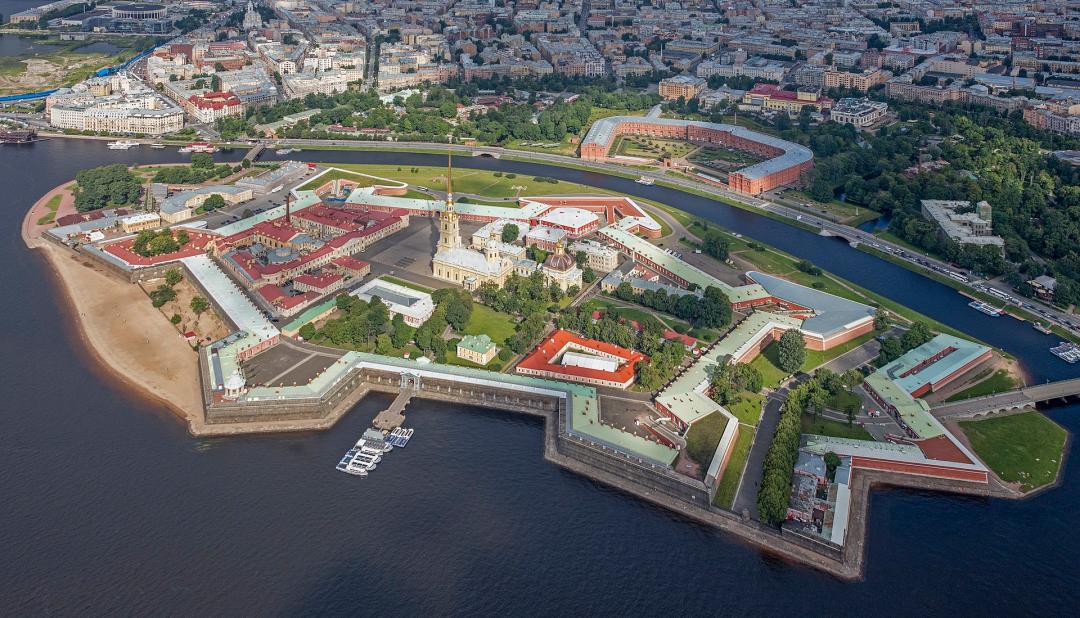
The Peter and Paul Fortress (official name — Saint Petersburg Fortress, from 1914 to 1917 — Petrograd Fortress) is the oldest architectural monument in Saint Petersburg, a first-class fortress (according to the classification of fortresses of the Russian Empire). It is located on Hare Island, in Saint Petersburg, the historical core of the city. The fortress was founded on May 16 (27), 1703, which is considered the founding date of Saint Petersburg. Jump to section «#History» It was never used in any battle. From the first quarter of the 18th century until the early 1920s, it served as a prison. Since 1924, it has been a state museum. The Peter and Paul Fortress is a monument of Russian architecture, worked on by various architects. The modern fortress houses numerous architectural monuments and museums: the Peter and Paul Cathedral (the burial place of the Russian Imperial House of Romanov), the Grand Ducal Burial Vault, the Boat House, the Commandant’s House, the Engineer’s House, the Mint, the Museum of the History of Saint Petersburg, the Military-Historical Museum of Artillery, Engineering Troops and Signal Corps, and the Museum of Cosmonautics and Rocket Technology. The fortress is part of the historical section of Saint Petersburg and, together with the complex of monuments located here, is included in the UNESCO World Heritage list; it is one of the main tourist attractions. The silhouette of the Peter and Paul Fortress has become a symbol of the city and occupies a key place in its panorama. Since 1873, an artillery signal shot has been fired daily at noon from the Naryshkin Bastion of the fortress (this was not carried out from 1934 to 1953). It is a historical symbol of the city. According to the charter of Saint Petersburg, the historical symbols of the city are the angel on the spire of the Peter and Paul Cathedral, the ship on the spire of the Admiralty, and the monument known as the "Bronze Horseman."