The wife of Peter the Great, prisoner of Staraya Ladoga, the story of the last love
41A-006, 113, Staraya Ladoga, Leningrad Region, Russia, 187412
Old Ladoga: Secrets of the First Capital of Rus' Jermaine
 For Browsing
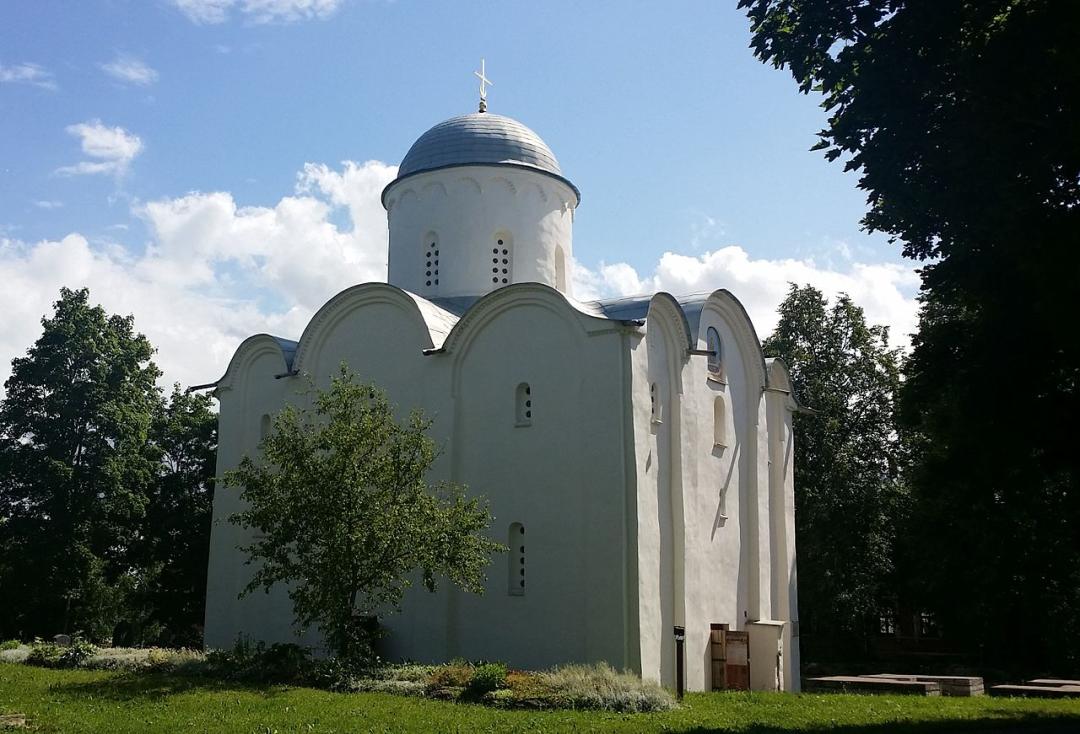
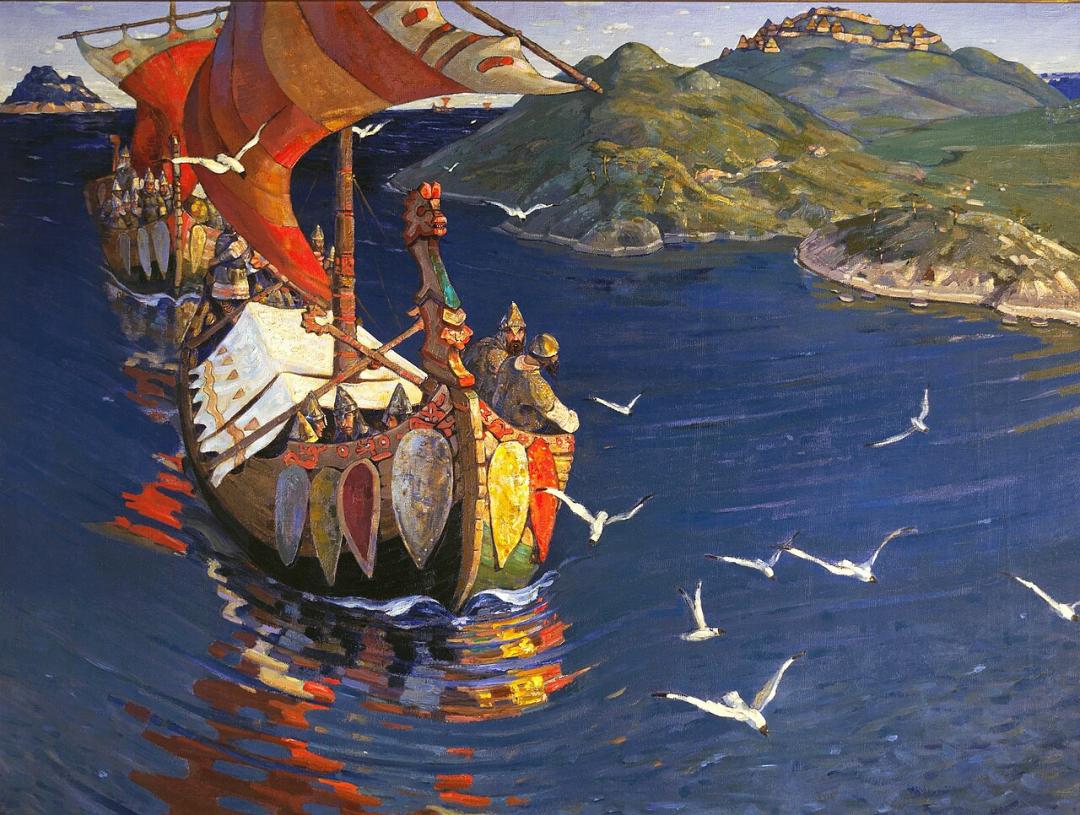
Old Ladoga is called the "oldest capital of Rus" and the "mother of Russian cities." It is first mentioned in the chronicles in 862, when the Varangian Rurik was invited to rule these lands. Even then, Ladoga was an important part of the trade routes connecting two lakes – Ladoga and Ilmen. It was here in 862 that Rurik arrived and founded the city. The "Tale of Bygone Years" states: "And they came first to the Slavs and built the city of Ladoga, and Rurik sat as the elder in Ladoga." Thus, Ladoga became the first residence of Rurik, who was invited to rule. Later, the seat was moved to Novgorod. During Rurik’s reign, the first wooden fortress was built, and in 882, Prince Oleg, his successor, constructed the first stone walls. In the 12th century, under Prince Mstislav the Great, son of Vladimir Monomakh, the fortress was significantly rebuilt, expanded, and strengthened. The Time of Troubles was marked by frequent changes of ownership. The city passed from the Russians to the Swedes and the French. In 1617, under the terms of the Treaty of Stolbovo, Old Ladoga returned to Russian control, but its importance declined thereafter. In 1703, after Peter I founded New Ladoga, Old Ladoga was stripped of its city status. Oblivion and decline lasted for many decades. The ancient structures gradually fell into ruin. However, at the end of the 20th century, work began to restore the fortress and revive the historical heritage of the ancient settlement.
Jermaine Loading stories…
41A-006, 113, Staraya Ladoga, Leningrad Region, Russia, 187412
Old Ladoga: Secrets of the First Capital of Rus' Jermaine 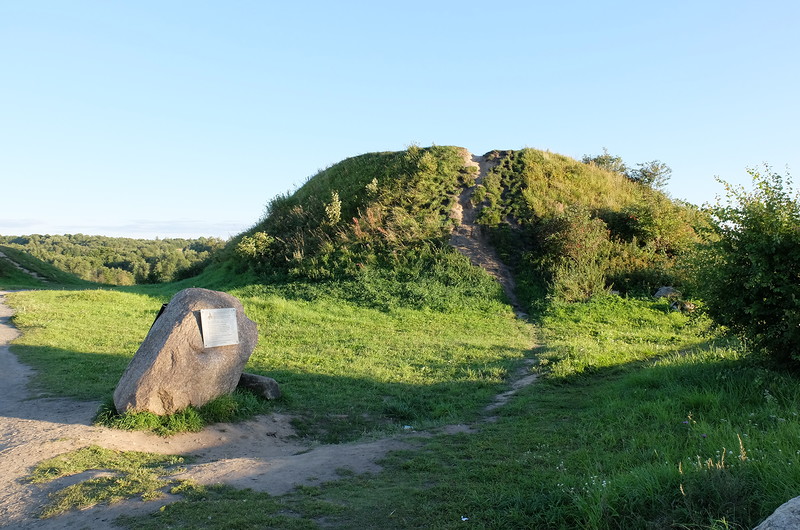
2862+QG Staraya Ladoga, Leningrad Oblast, Russia
Old Ladoga: Secrets of the First Capital of Rus' Jermaine 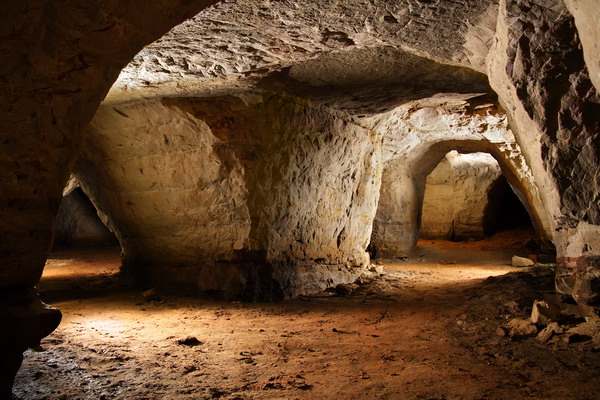
41A-006, 113, Staraya Ladoga, Leningrad Oblast, Russia, 187412
Old Ladoga: Secrets of the First Capital of Rus' Jermaine