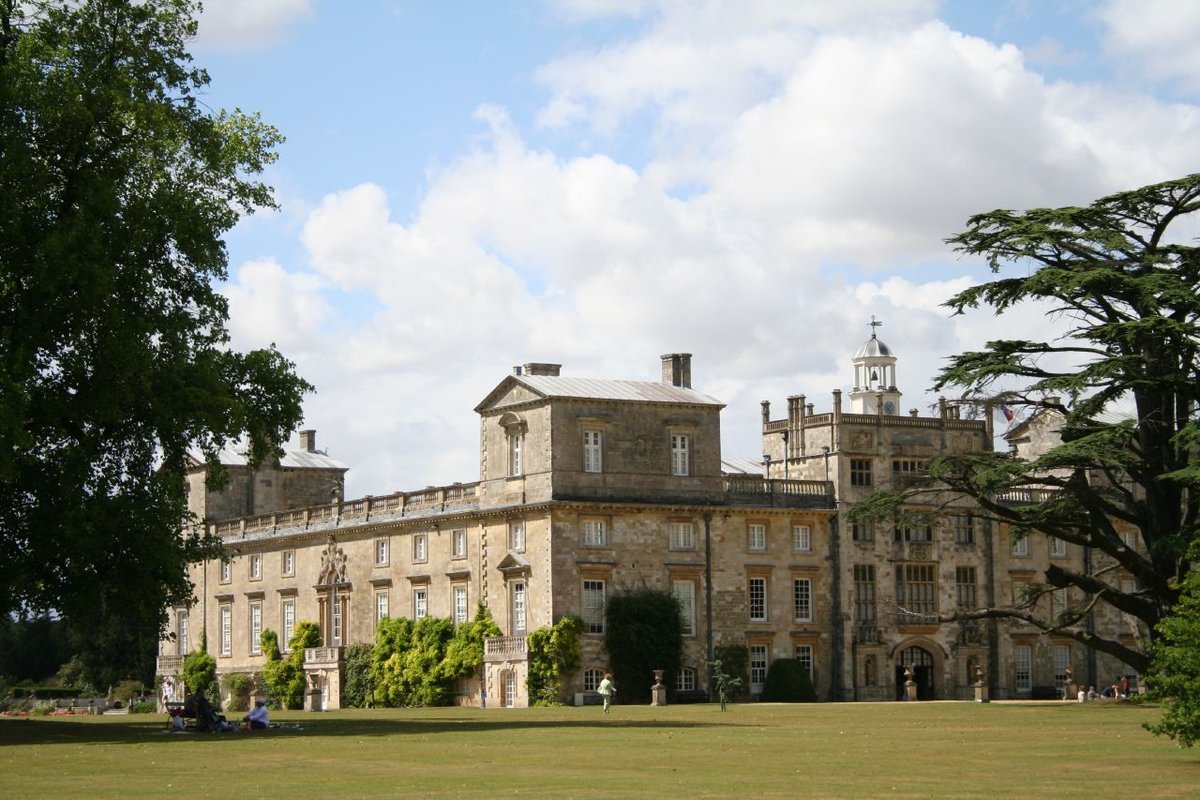

Why did King James I decide to abandon London in 1603? Because he didn't want to catch the plague, naturally. While the city suffered, the King and his men chose to be entertained by a theatre company paid a pathetic £30 to perform As You Like It. Isn't it a delicious irony? They sought the fresh air of the country while the reality of the era remained so deadly.
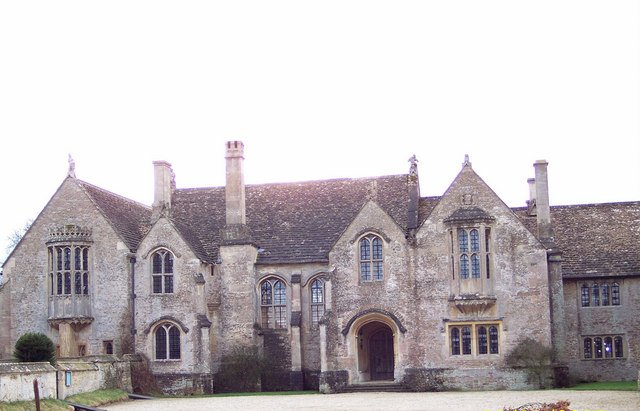
Who actually built this place? Before the King arrived, the 1st Earl of Pembroke was the powerhouse behind the project. He secured the site from Henry VIII after the monastery was dissolved. But who was the architect? Some claim the famous Hans Holbein the Younger designed the layout, but he died just as things started. Where is the proof? It is missing. The Holbein Porch remains as a weirdly beautiful mix of Gothic and Renaissance styles.
Did Mary Sidney turn the place into a literal paradise? She did. She made it a hub for some of the most influential literary figures in English history. If you like the idea of a salon culture in a garden, this was the spot. It remained a literary hub for years.
Can you still see the layers of history today? You can wander the gardens and the park. It remains a family home, but it opens its doors in the summer. It features a Palladian south front and a tower that looks a bit like Hampton Court. Did it survive the fire of 1647? Yes, it did. The weight of its history is still very much there.
Sources: Wikipedia, OpenStreetMap, Wikidata, Wikimedia Commons
Written by Nicolo Ciampini
Discuss this with the author and others
No comments yet. Be the first to start the conversation.