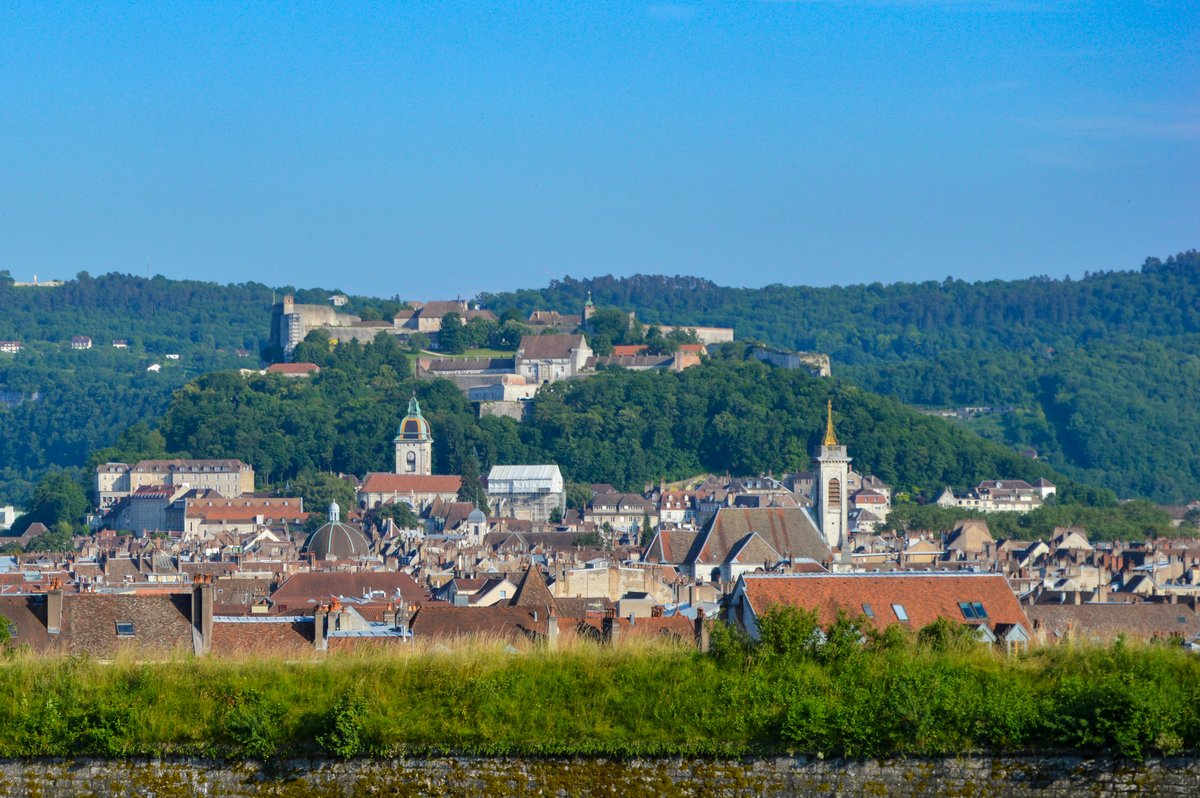

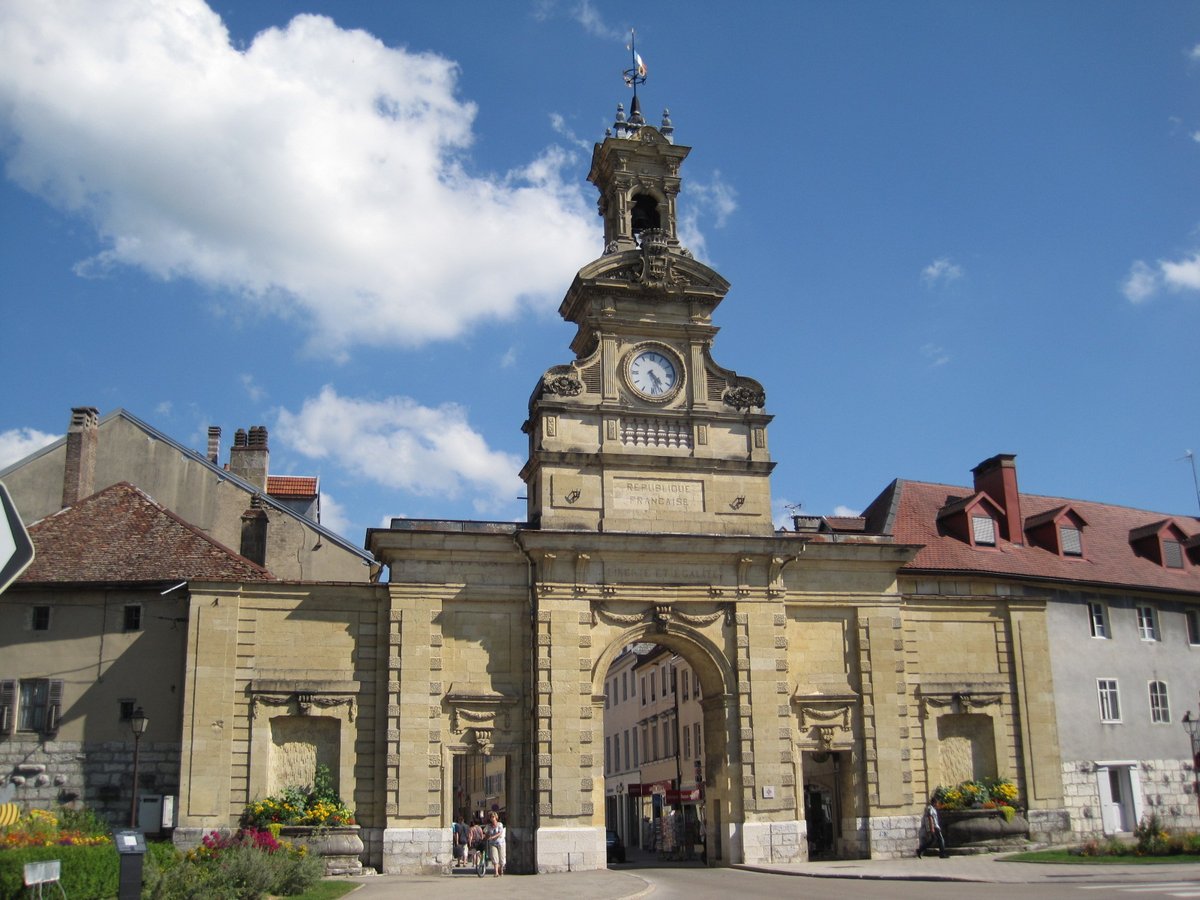
Besançon, a city with roots deeply entrenched in history, was established as Vesontio, the capital of the Sequani during the Gallo-Roman era. This town transformed into a military stronghold, a garrison city, and a religious capital. Its geography and specific history turned it into a political centre, where the Sequani built an oppidum to protect their interests along the river Doubs.
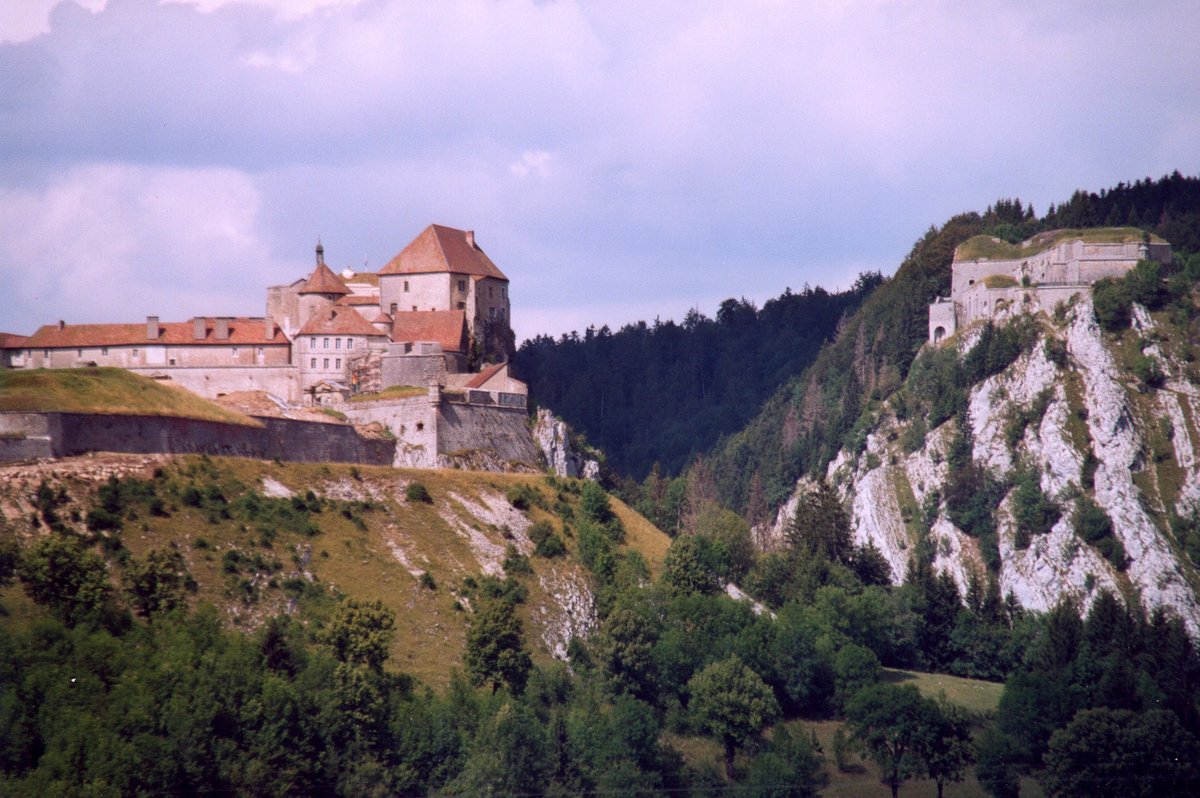
While Louis conquered the city in 1668, it was during this period that the famed military engineer Vauban visited and drew up plans for its fortification. Although the Spaniards built the main centre point of the defences, the Citadelle, on Mont Saint-Étienne following Vauban's designs, French troops recaptured the city in 1674. From that point, Vauban returned to working on the citadel's fortifications and those of the city, a process that lasted until 1711.
Today, the city stands as a testament to Vauban's genius as a military engineer. The walls built then surround the city, and numerous forts incorporate his design elements across the six surrounding hills. The illuminated Citadelle stands above the city as a landmark, and the city has been listed as a UNESCO World Heritage Site since 2008.
Sources: Wikipedia, OpenStreetMap, Wikidata, Wikimedia Commons
Written by Nicolo Ciampini
Discuss this with the author and others
No comments yet. Be the first to start the conversation.