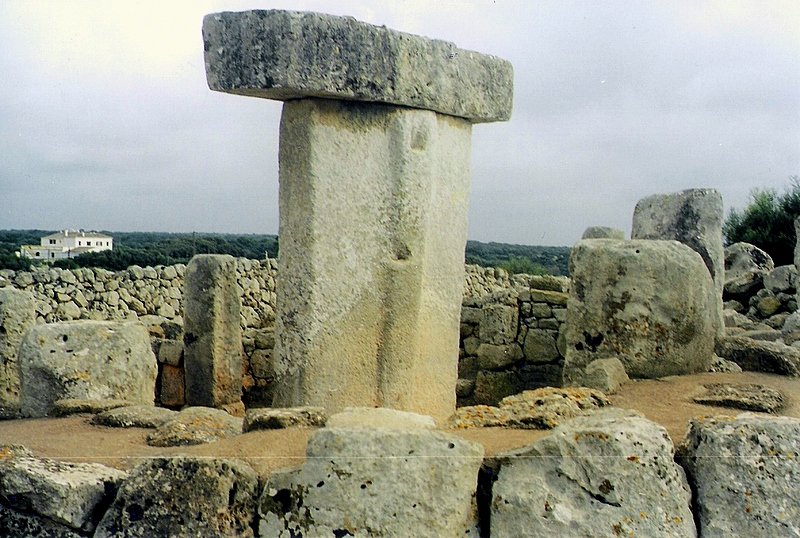

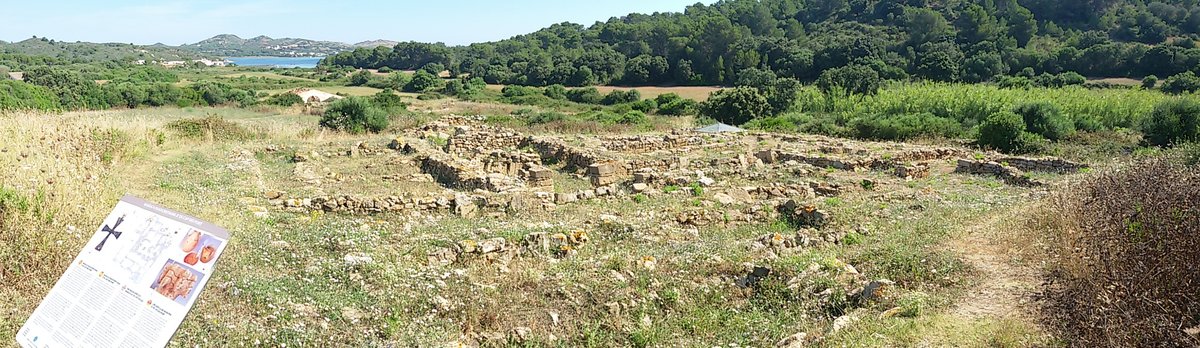
Torralba d'en Salort is an archaeological site situated at the south of the island of Menorca, on the road between Alaior and Cala en Porter. It presents one of the tallest taulas preserved in Menorca, as well as a hypostyle room and two talayots. Archaeologists Manuel Fernández-Miranda and William Waldren excavated the site between the 1970s and 1980s, specifically focusing on the 'recinte de taula', which remains in very good condition today.
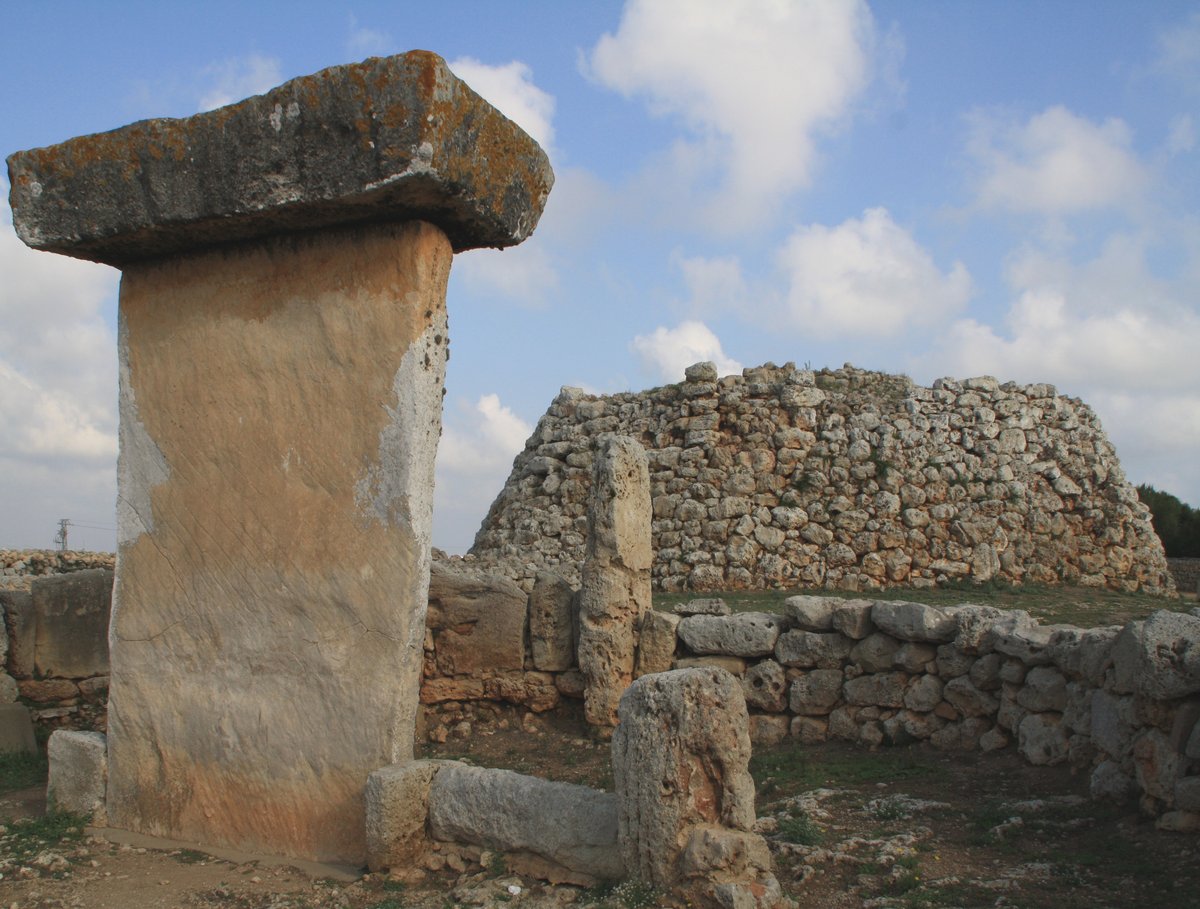
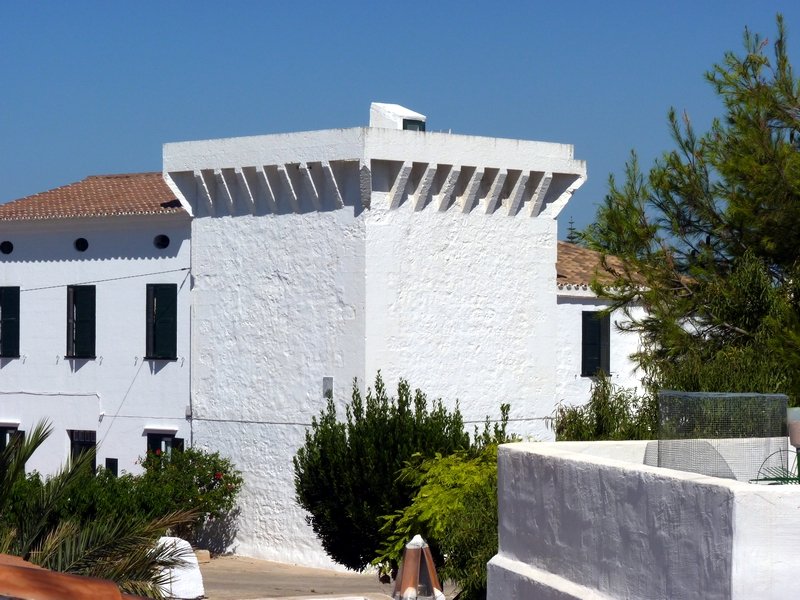
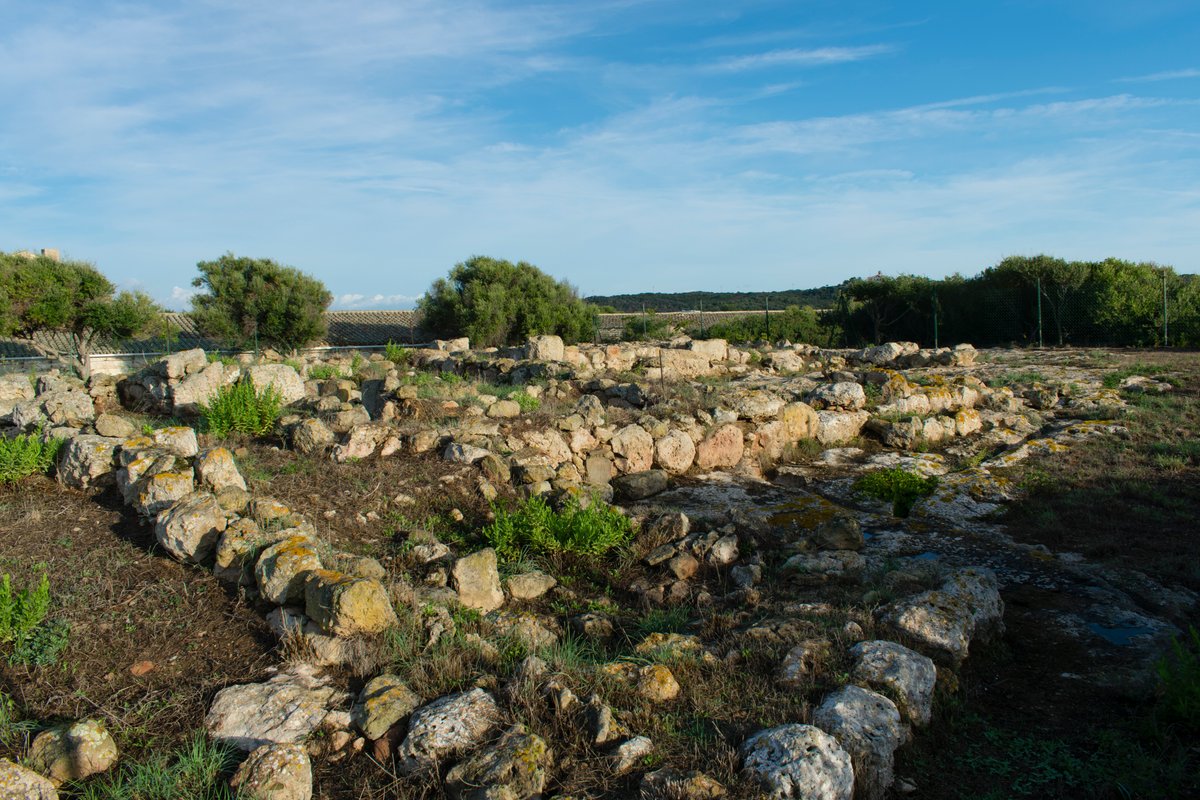
One of the most striking features of the site is the main talaiot. Originally troncoconical with a circular plan, only the upper part of the building is currently visible, while the base is covered by loose blocks. On its summit, a massive body appears to surround a column. A second talaiot is located behind the 'recinte de la taula' and was built over a previous pretalaiotic house with an oval plan and walls made of small stones. Inside this structure, an 'atuell' containing carbonized cereals from around 1300 BC was found. After this talaiot fell into disuse, some of its stones were used to build the 'recinte de la taula'. A third talaiot is estimated to be hidden by vegetation.
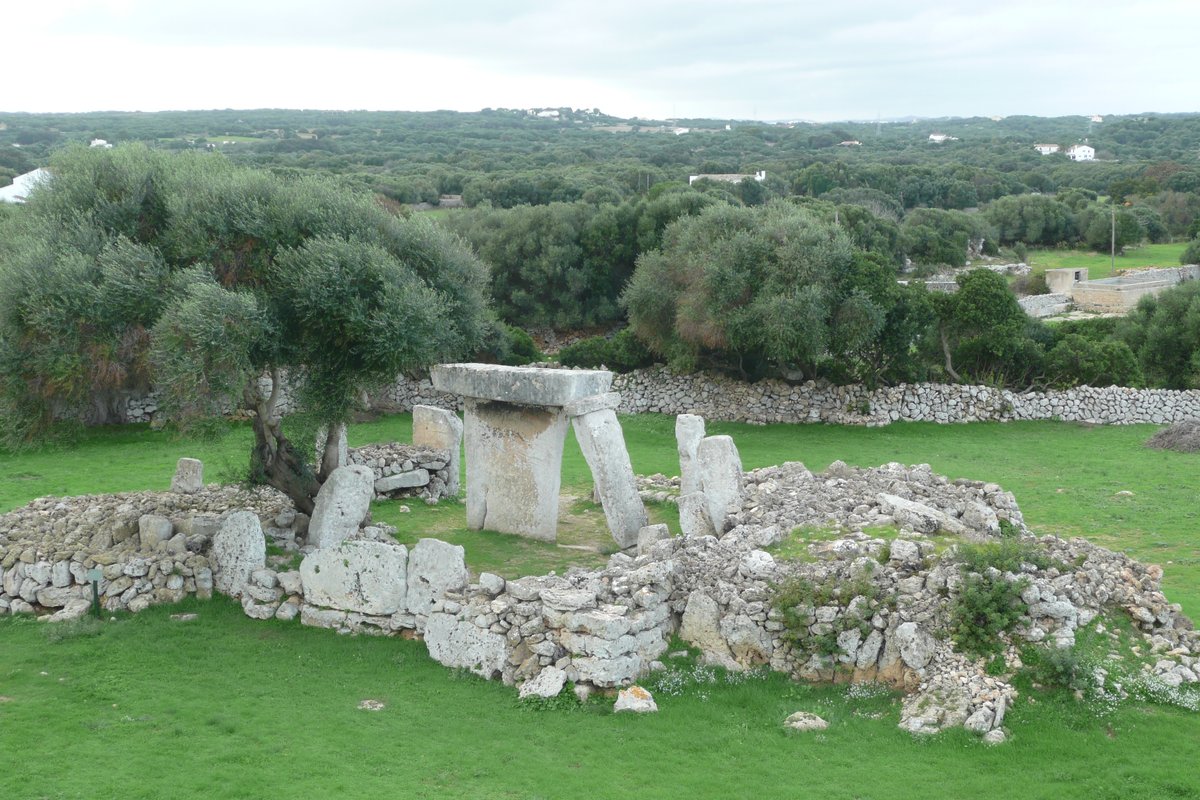
The most spectacular part of Torralba is undoubtedly its 'recinte de taula'. Its central piece, the Taula, is a symbol of prehistoric Menorca. This elegant structure stands approximately 5 meters high and 2.5 meters wide. Inside the 'recinte de taula', an altar made of stone was found which preserved the remains of a small bronze sculpture of a horse. Next to it, another sculpture in the form of a bull, known as the Bou de Torralba, was discovered; it is currently on display at the Museum of Menorca.
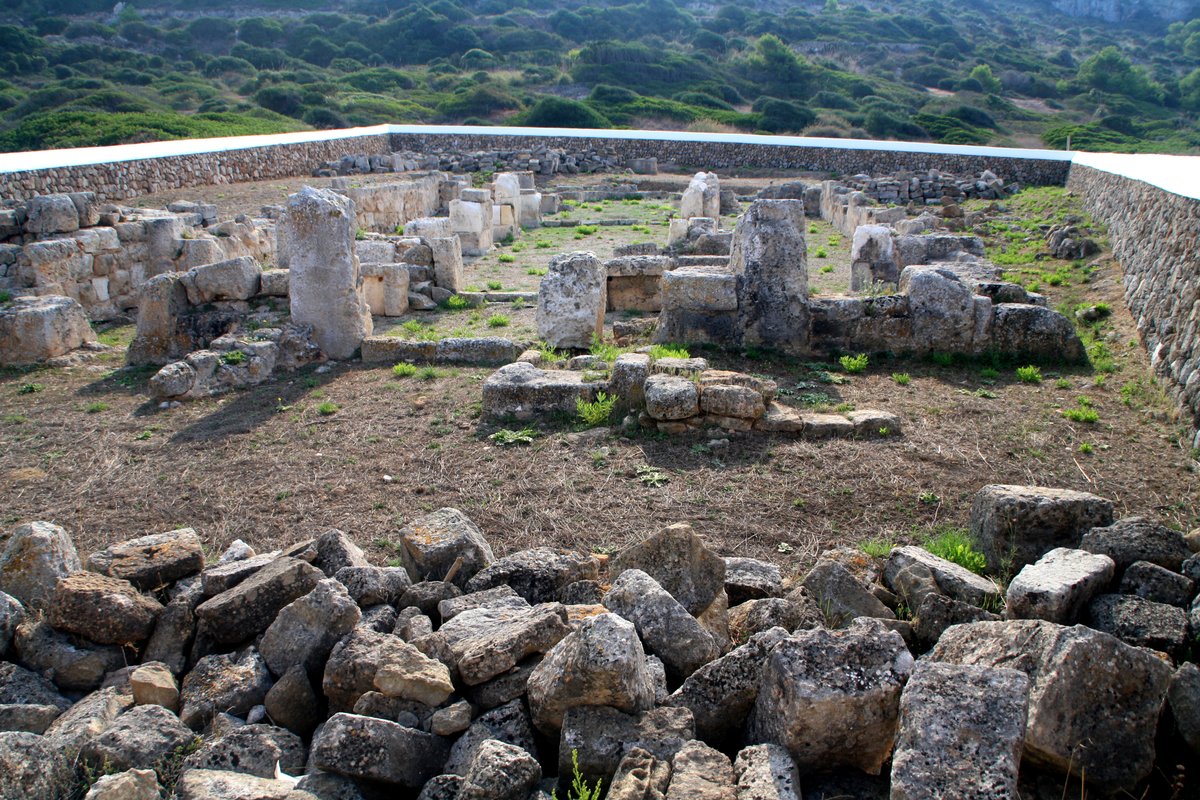
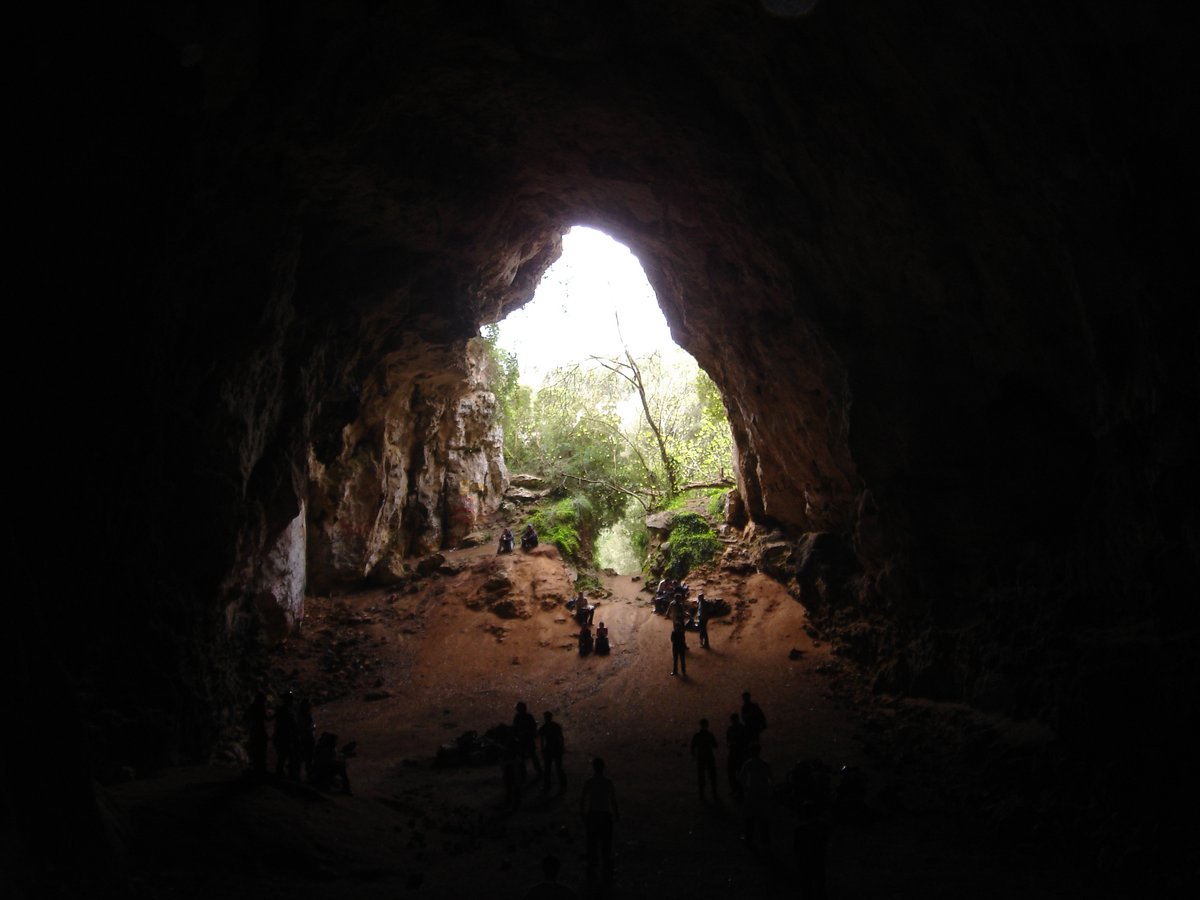
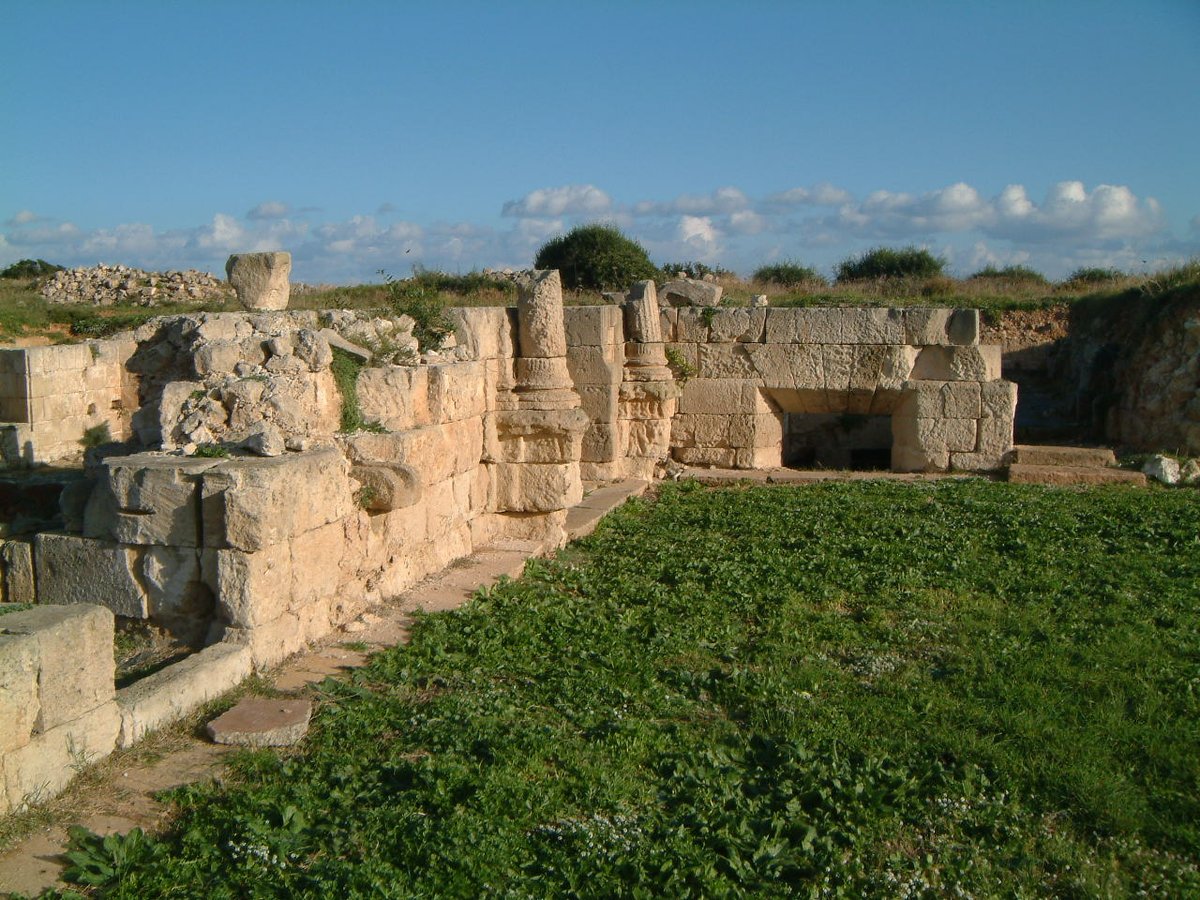
The site also contains a well-preserved hypostyle room supported by columns, which maintains its stone roof and a well-delimited layer of earth. Other features include a series of hypogea, natural caves, cisterns, the remains of circular houses, and the walls that once surrounded the settlement. Nearby, the prehistoric well of na Patarrà stands as a monumental feature of the landscape.
Sources: Wikipedia, OpenStreetMap, Wikidata, Wikimedia Commons
Written by Nik Frost
Discuss this with the author and others
No comments yet. Be the first to start the conversation.