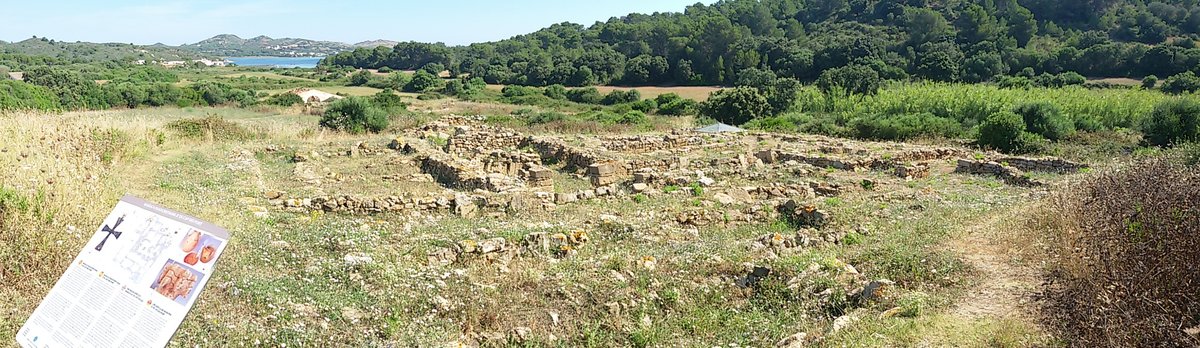

The layout of the basilica at es cap des Port de Fornells defies the standard rules of paleocristian architecture. While most sites from this era follow a predictable plan, the location of the baptistery here is highly unusual, marking it as a singular example of religious construction in Menorca.
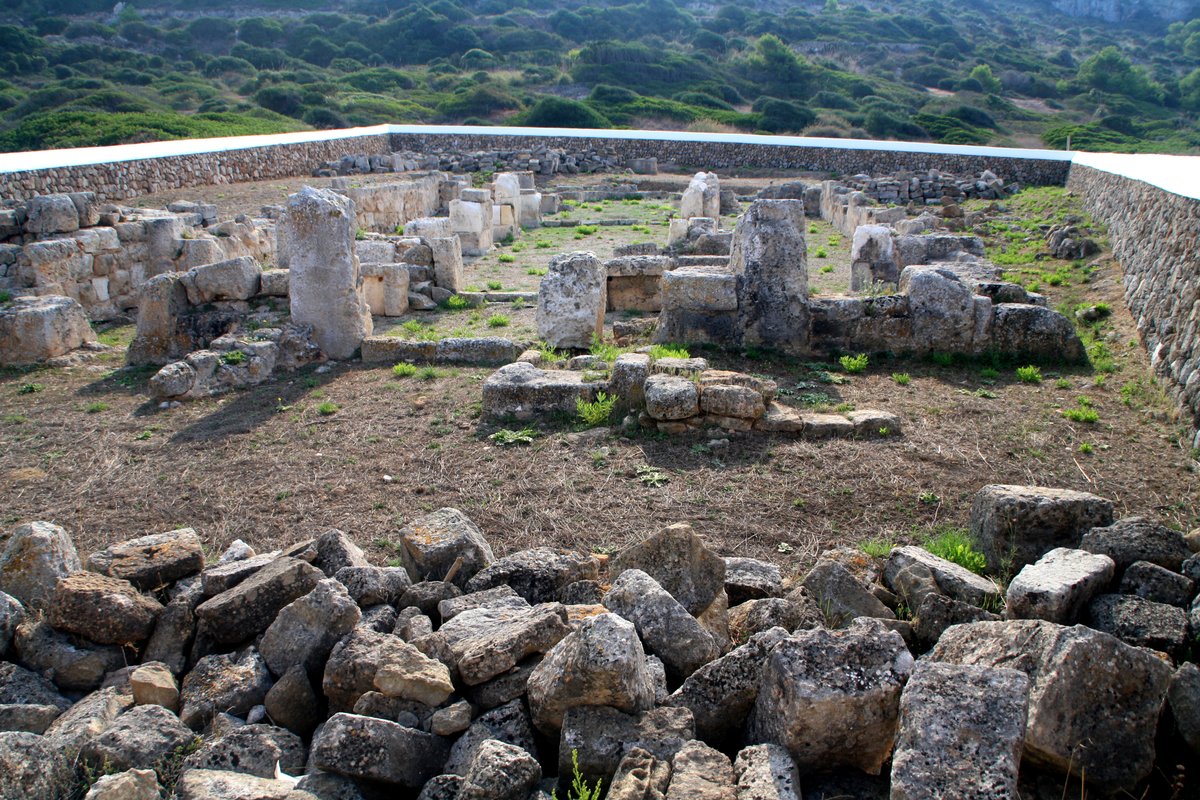
Archaeologists first discovered the site in 1958, beginning systematic excavations in 1975. The ruins date from the 5th to the 7th centuries and show evidence of profound transformations during this period. The complex likely served as a monastic settlement, containing various buildings and burials.
The basilica sits within a square enclosure measuring 26 metres on each side. Inside, the structure features a crypt in the shape of a Greek cross. Unlike many other sites from the period, it lacks mosaics, but it does preserve mural paintings that offer a rare glimpse into paleocristian art and technique.
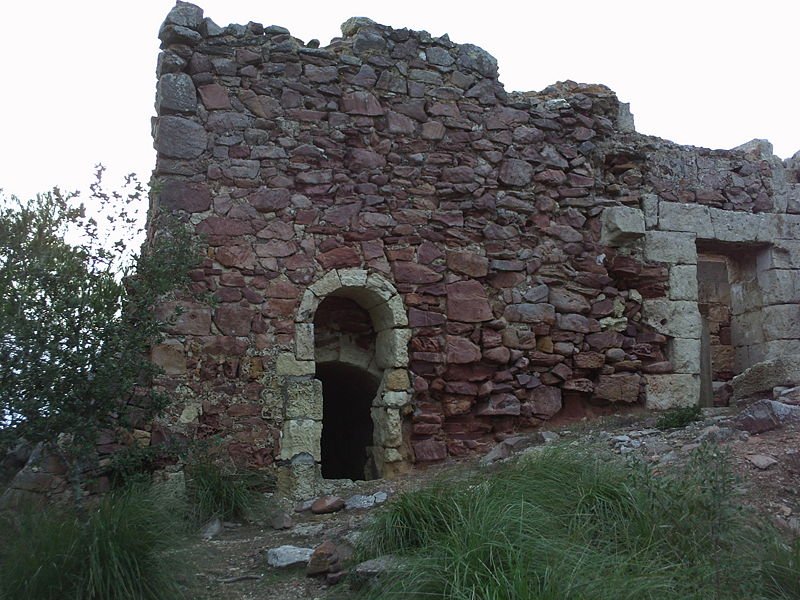
Today, the site remains an archaeological ruin. The ruins stand as a point of interest for those tracing the early roots of paleocristian life in Menorca.
Sources: Wikipedia, OpenStreetMap, Wikidata, Wikimedia Commons
Written by Nik Frost
Discuss this with the author and others
No comments yet. Be the first to start the conversation.