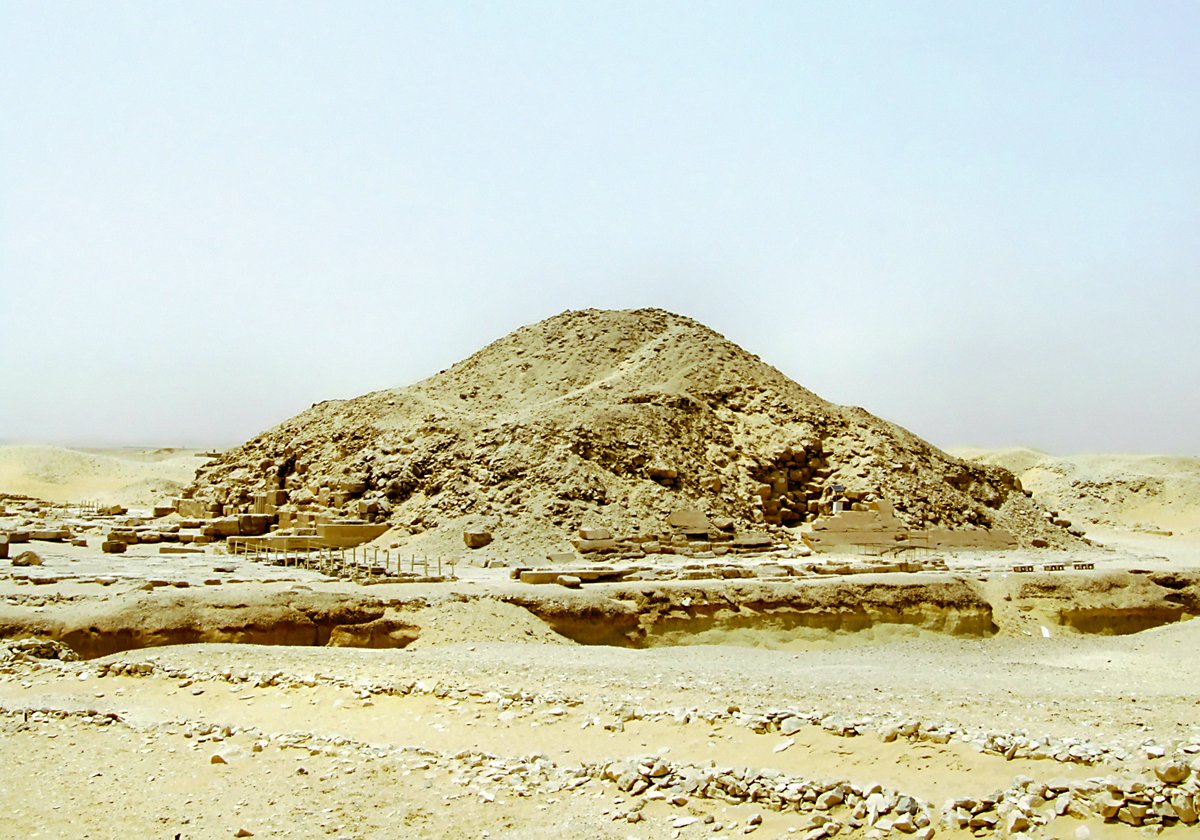

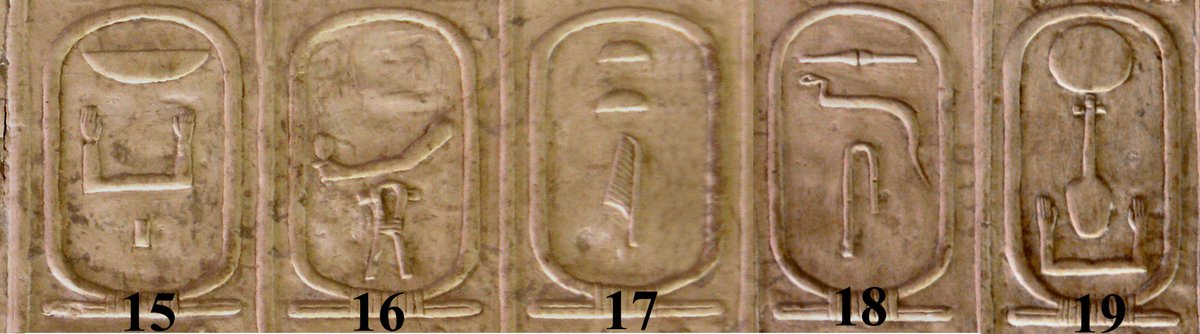
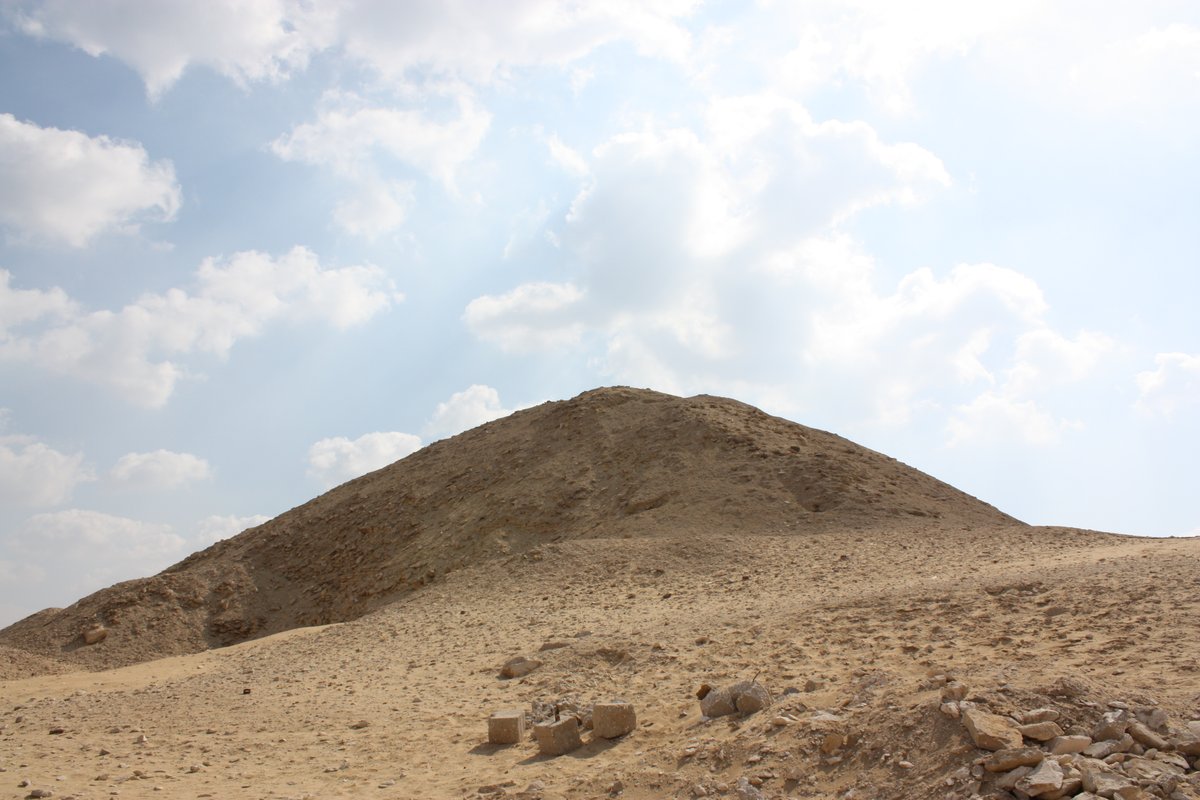
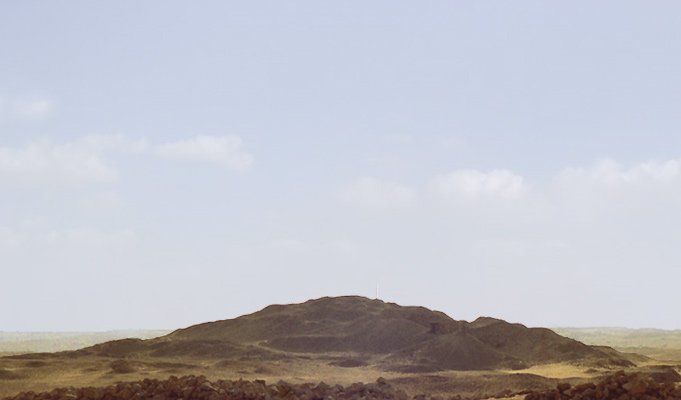
In North Saqqara, the pyramid of Unas (Egyptian: Nfr swt Wnjs) was built in the 24th century BC for Unas, the ninth and final king of the Fifth Dynasty. This monument is the smallest pyramid of the Old Kingdom but is highly significant because it contains the first appearance of the Pyramid Texts. These were spells for the king's afterlife incised into the walls of the subterranean chambers. The tradition of these funerary texts continued in the pyramids of subsequent rulers through the end of the Old Kingdom, eventually forming the basis for the Coffin Texts of the Middle Kingdom.
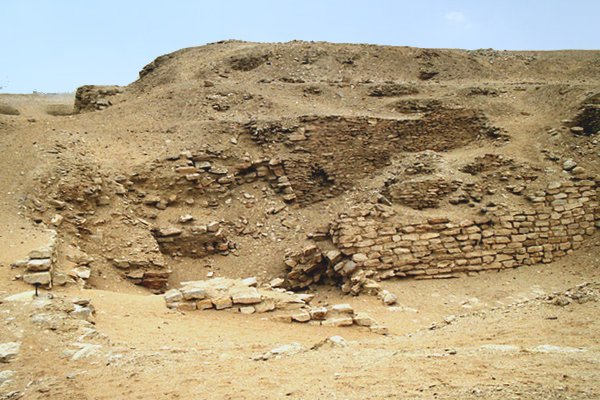
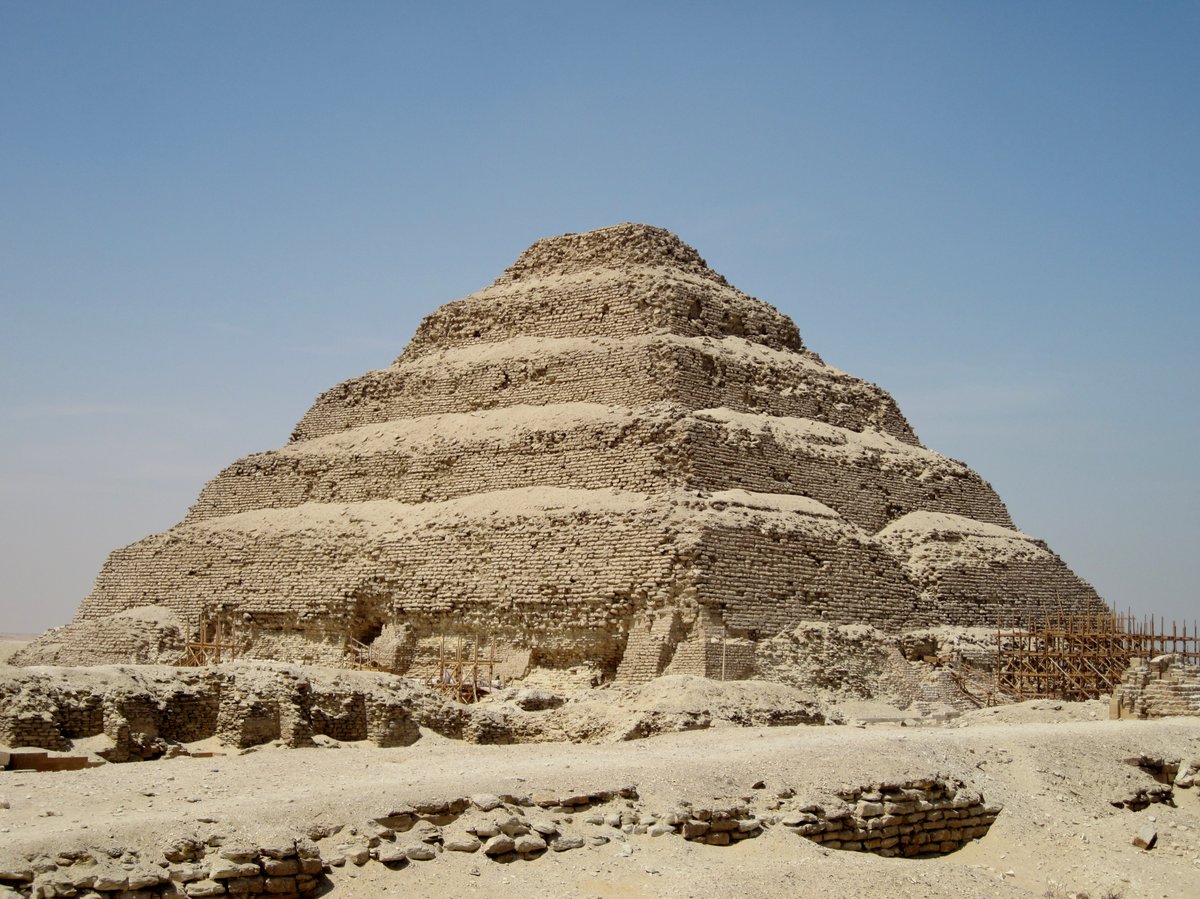
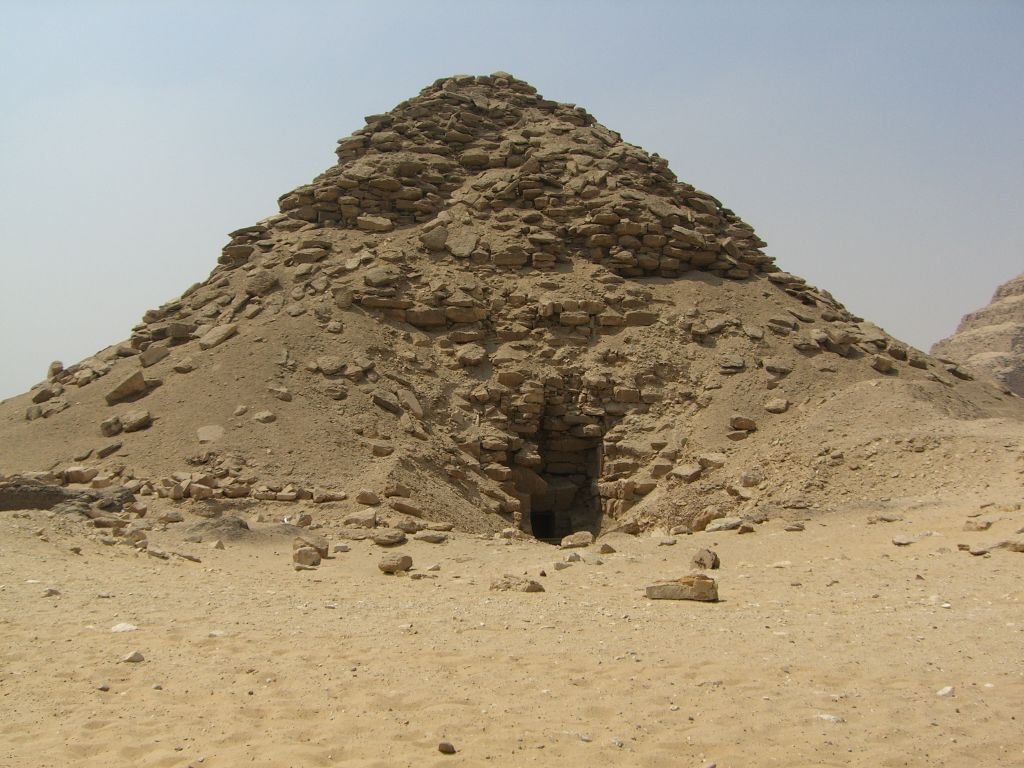
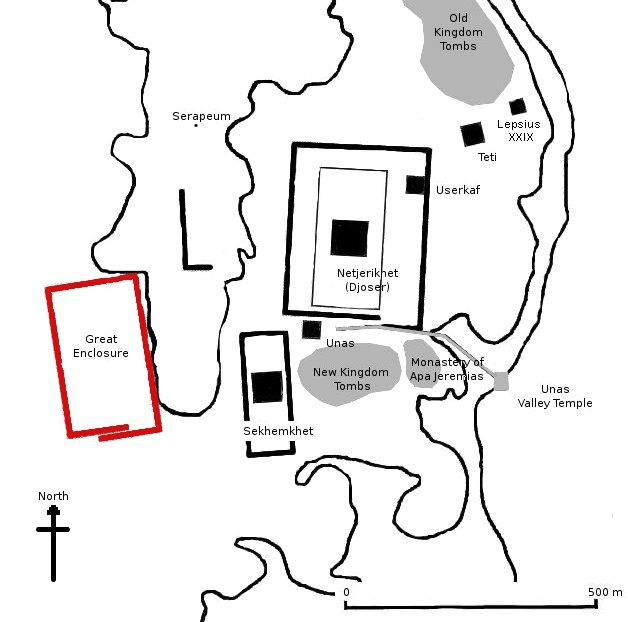
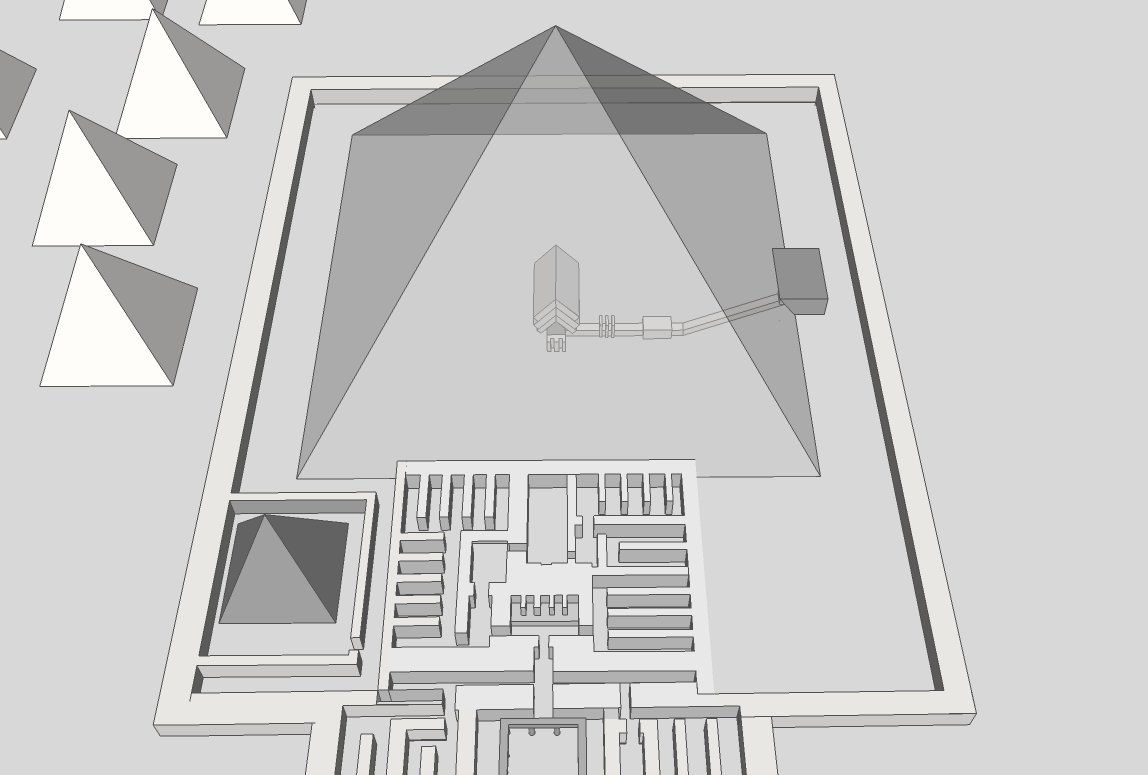
Unas built his complex between the pyramids of Sekhemket and Djoser. The site includes a main pyramid constructed six steps high from limestone blocks, a valley temple in a natural harbour at the mouth of a wadi, a mortuary temple, a cult pyramid, and a long causeway. The causeway had elaborately decorated walls with a roof containing a slit to allow light to illuminate the images. To construct the causeway, a long wadi was used as a pathway, and old buildings and tomb superstructures were torn down and repurposed as underlay.
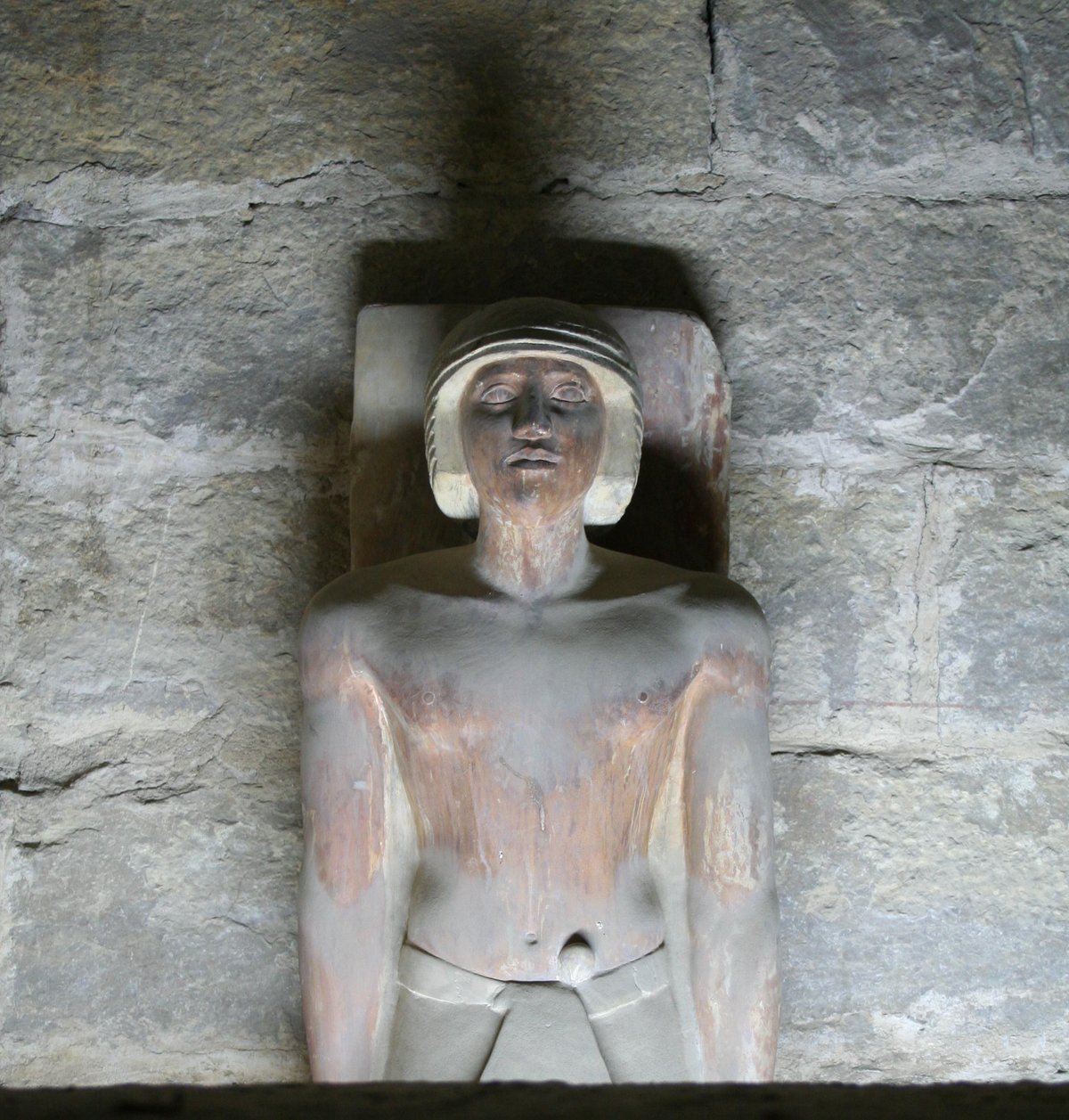
In 1881, Gaston Maspero gained entry to the underground chambers and discovered the 283 spells. These constitute the oldest, smallest, and best preserved corpus of religious writing from the Old Kingdom. Their function was to guide the ruler to eternal life and ensure his continued survival even if the funerary cult ceased to function. The site was later used for numerous burials by Fifth Dynasty officials, private individuals from the Eighteenth to Twentieth Dynasties, and a collection of Late Period monuments known as the 'Persian tombs'.
Sources: Wikipedia, OpenStreetMap, Wikidata, Wikimedia Commons
Written by Mutabor
Discuss this with the author and others
No comments yet. Be the first to start the conversation.