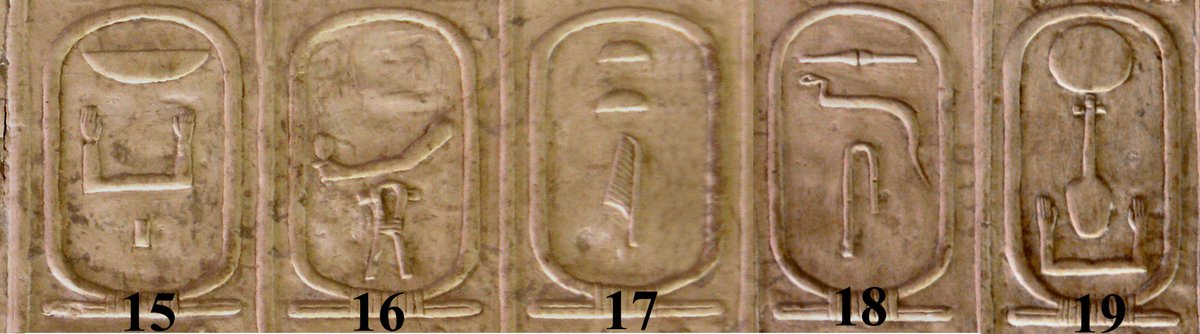

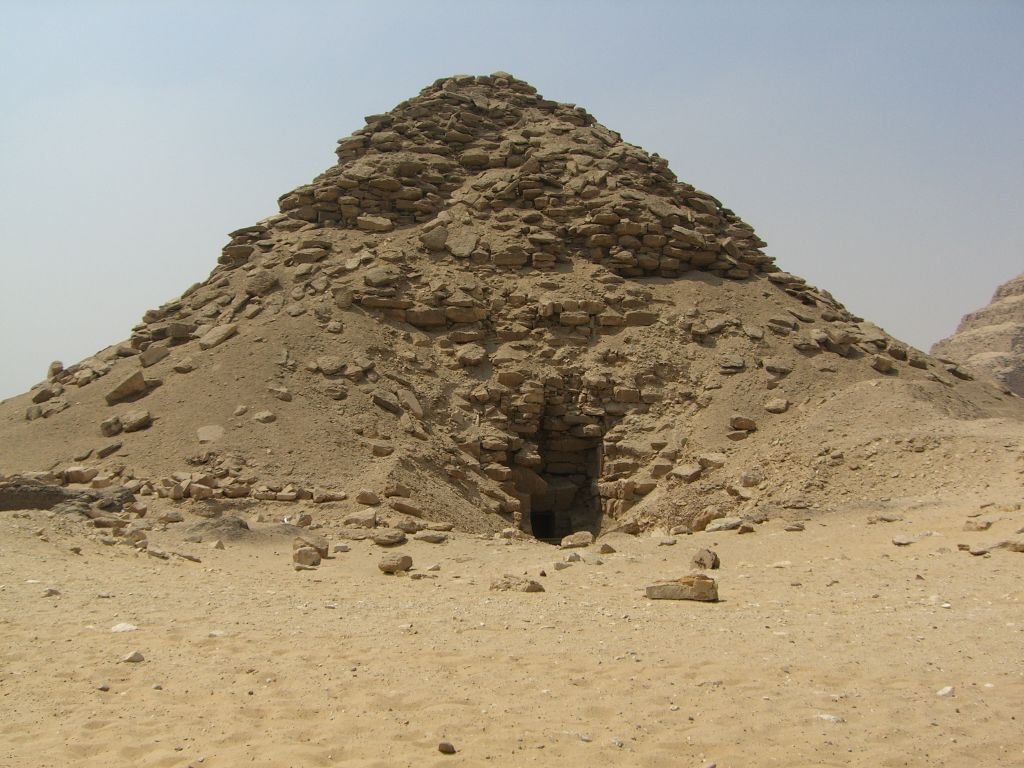
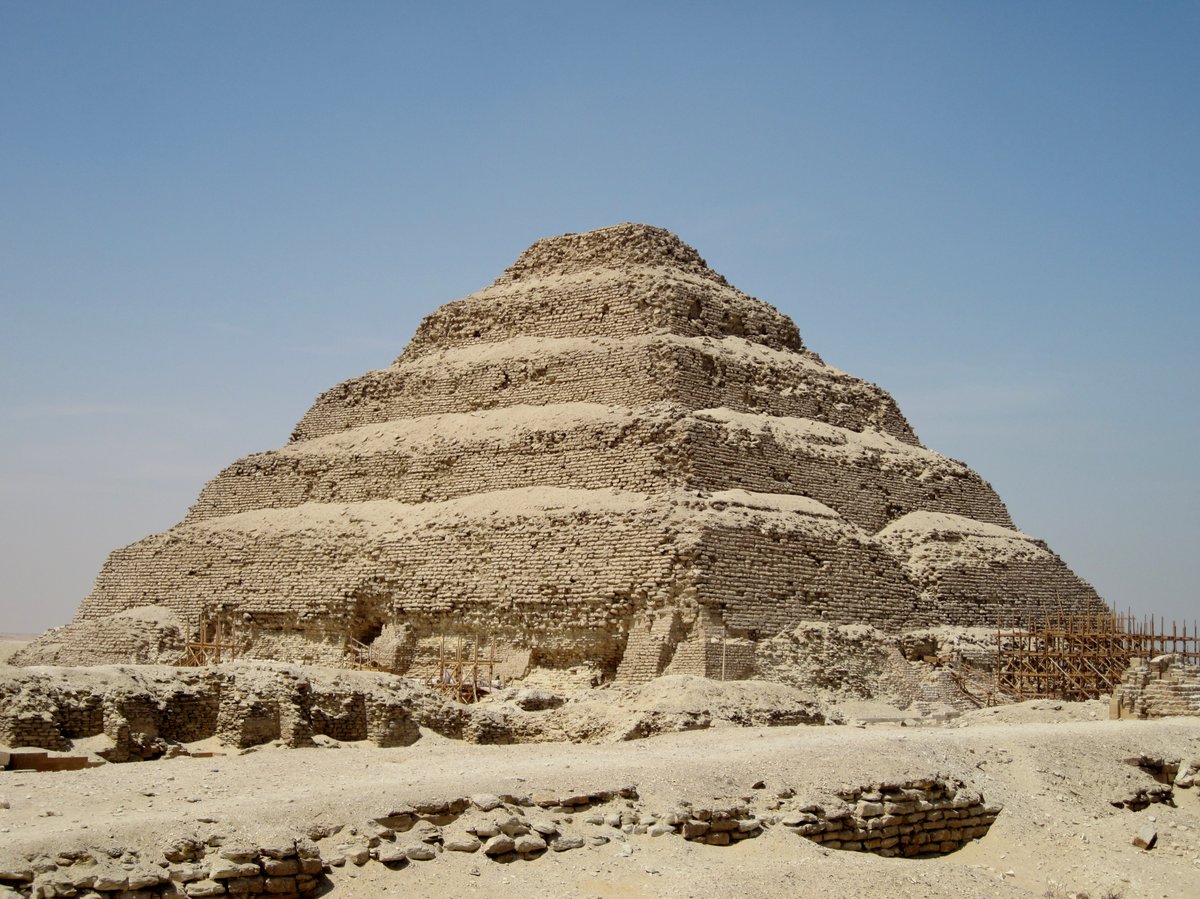
The Third Dynasty of ancient Egypt was the first dynasty of the Old Kingdom, with its capital at Memphis. Following the turbulent last years of the Second Dynasty, the period began under the rule of Djoser. While various lists and tablets offer conflicting numbers on the number of kings, recent findings in Abydos suggest Djoser was the direct successor of Khasekhemwy and the one responsible for finishing his tomb.
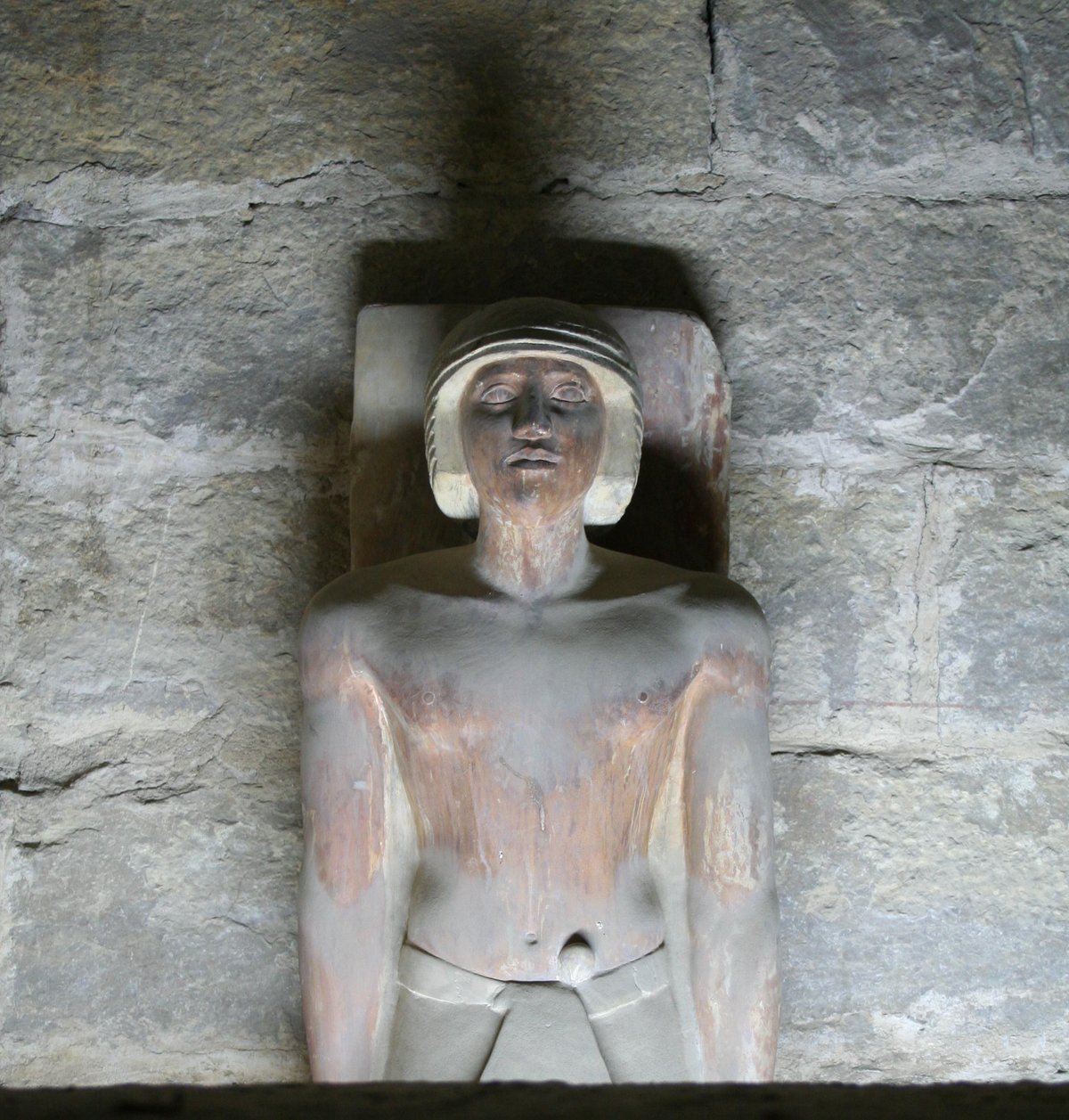
For the first time in 2025, a publication in the journal Nature presented a whole-genome genetic study of an Old Kingdom adult male of relatively high status. Radiocarbon-dated to 2855-2570 BC, the individual was excavated in Nuwayrat, a cliff 265 km south of Cairo. The corpse had been placed intact in a large circular clay pot without embalming, allowing for the preservation of the skeleton and its DNA, which had previously been difficult to analyze due to environmental conditions.
The analysis revealed that most of the individual's genome was associated with North African Neolithic ancestry, but about 20% could be sourced to the eastern Fertile Crescent, including Mesopotamia. The genetic profile was most closely represented by a two-source model: 77.6% plus or minus 3.8% of the ancestry corresponded to the Middle Neolithic Moroccan site of Skhirat-Rouazi, while the remaining 22.4% plus or minus 3.8% was most closely related to known genomes from Neolithic Mesopotamia.
These results provide direct evidence of genetic ancestry related to the eastern Fertile Crescent in ancient Egypt. The findings suggest that there had been ancient migration flows from the eastern Fertile Crescent to Egypt, in addition to the exchanges of objects and imagery already observed. This indicates a pattern of wide cultural and demographic expansion from the Mesopotamian region, which affected both Anatolia and Egypt during this period.
Sources: Wikipedia, OpenStreetMap, Wikidata, Wikimedia Commons
Written by Mutabor
Discuss this with the author and others
No comments yet. Be the first to start the conversation.