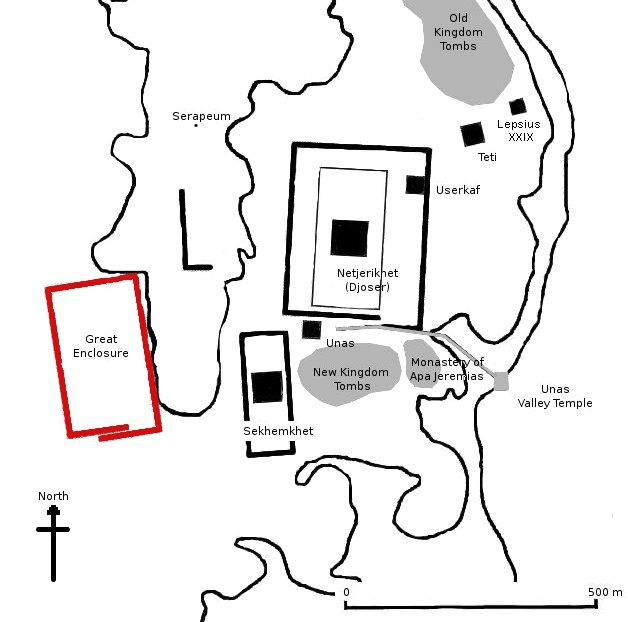

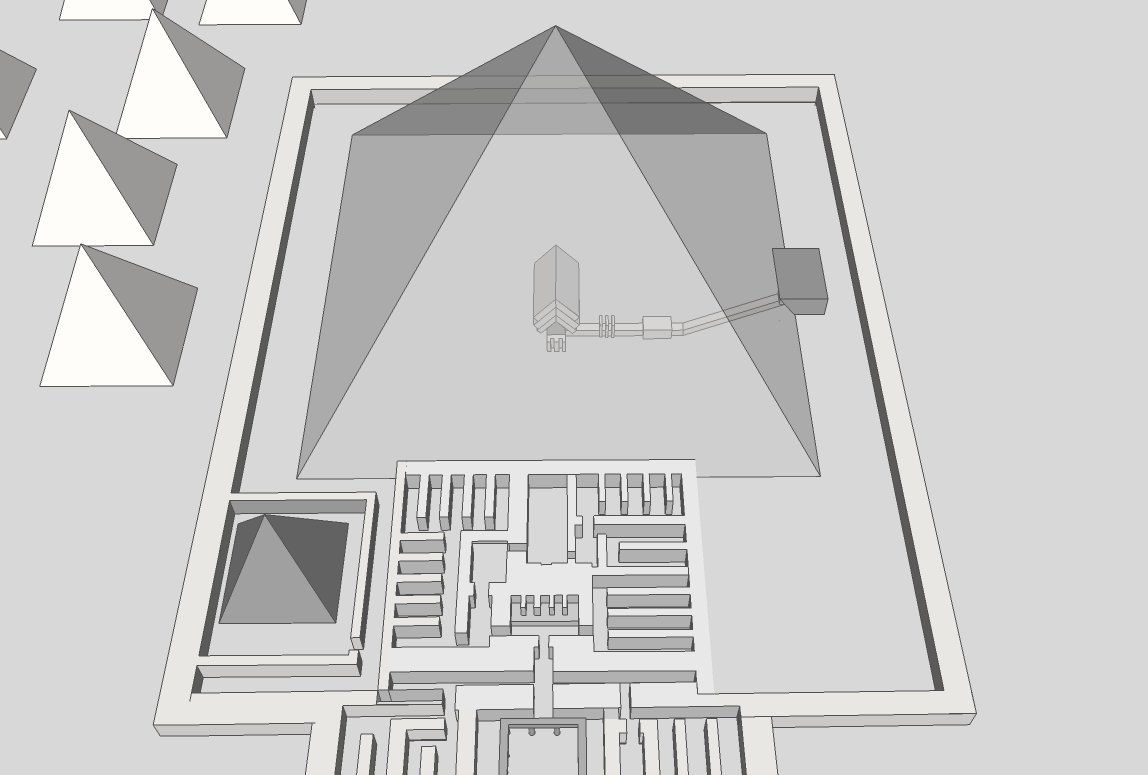
Gisr el-Mudir, also known as the Great Enclosure, is one of the oldest known stone structures in Egypt. It is located at Saqqara only a few hundred metres west of the Step Pyramid and the Buried Pyramid. The function of the space is not yet clear. The structure consists of a rectangular wall oriented north-south and measuring about 650 by 350 metres. The walls consist of two outer walls made of roughly hewn limestone about 15 metres apart; the space between them is filled with crushed stone, gravel and sand.
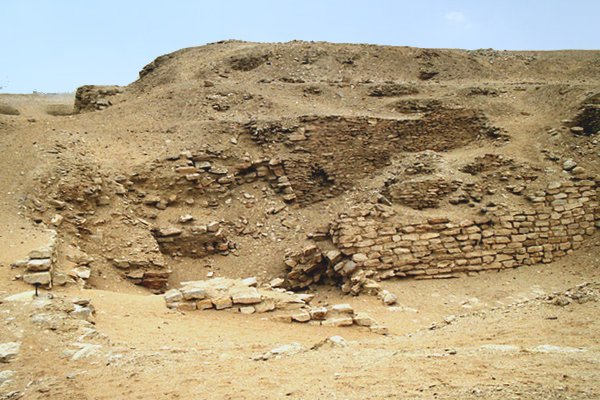
In the northwestern corner, the walls survive to a height of 4.5 to 5 metres, which suggests an original height of around 10 metres. In the south, the state of preservation is worse than in the north. Since the west wall of the structure is 30 metres shorter than the east, the south wall probably consisted of two parallel walls forming an entranceway. No remains of construction were found in the enclosed area, meaning there could not have been a pyramid or mastaba at the centre.
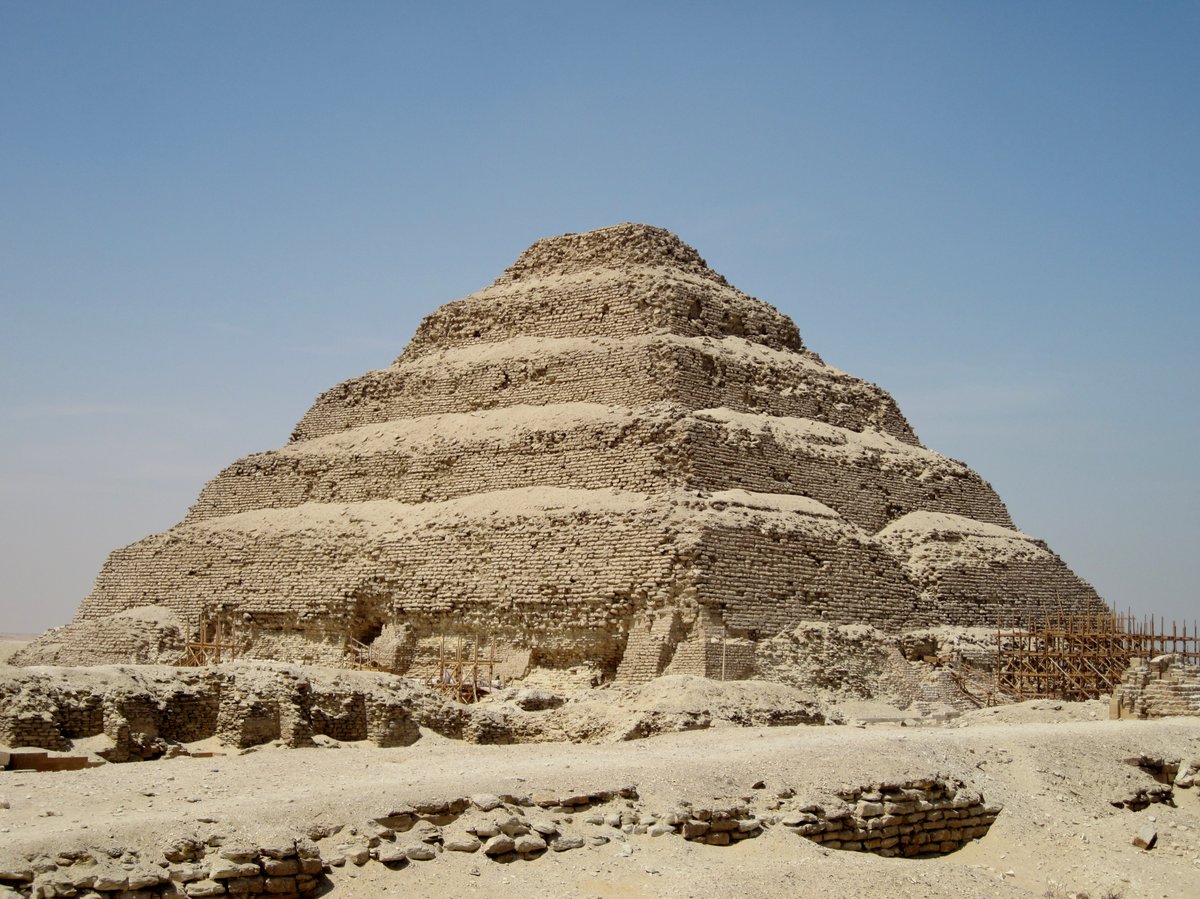
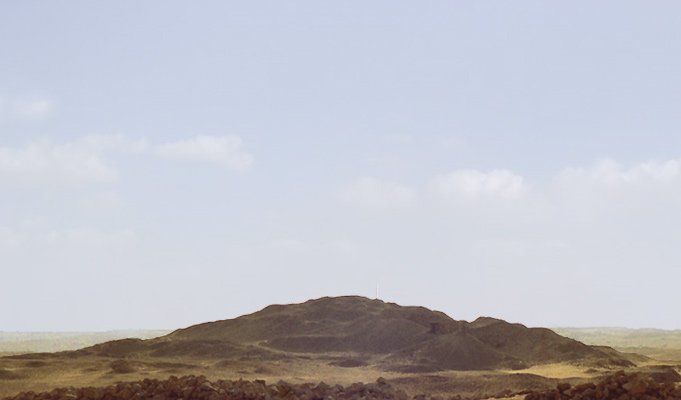
While a small building may have existed in the northwest corner, a study in 2024 suggested the structure was likely a check dam as part of a complete hydraulic system used to assist the construction of the Step Pyramid. It would have served as a sediment trap and flood regulator, protecting the Saqqara plateau from torrential floods and regulating water flow. John Shae Perring demonstrated that a small hill once found in the centre of the enclosure was leftover debris from the excavation of a tomb in the Greek period.
Sources: Wikipedia, OpenStreetMap, Wikidata, Wikimedia Commons
Written by Mutabor
Discuss this with the author and others
No comments yet. Be the first to start the conversation.