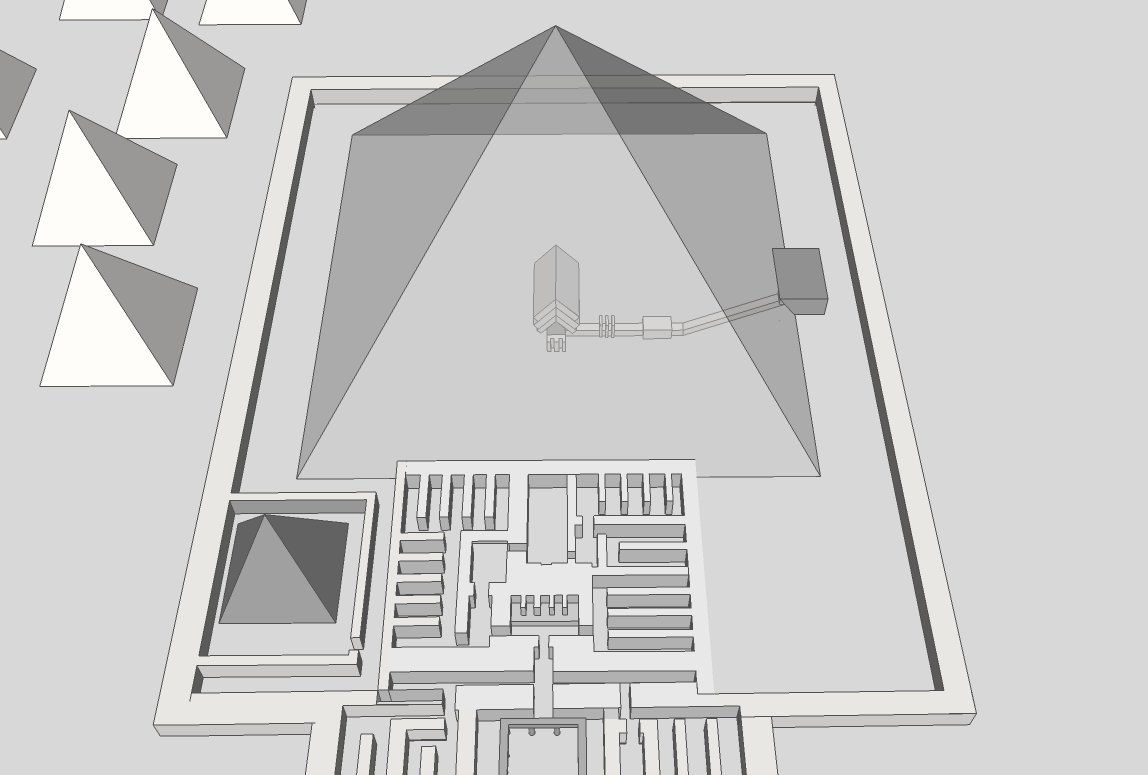

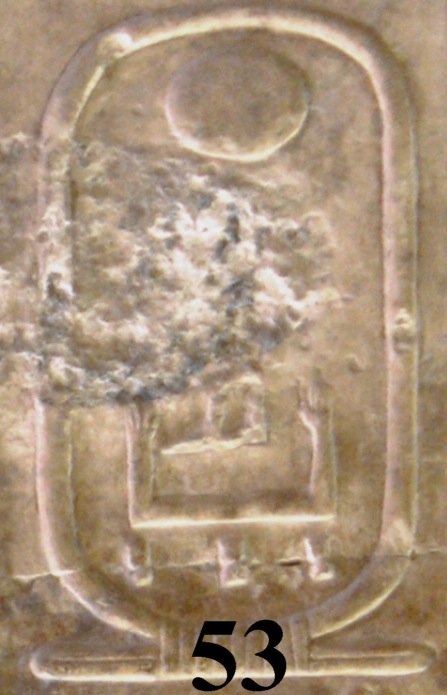
The pyramid of Pepi I (Egyptian: Mn-nfr Ppy, lit. 'Pepi's splendour is enduring') is the funerary monument built for the Egyptian pharaoh Pepi I of the Sixth Dynasty in the 24th or 23rd century BC. The complex lent its name to the ancient capital city of Egypt, Memphis. As in the pyramids of his predecessors, Pepi I's substructure was filled with vertical columns of hieroglyphic texts: Pyramid Texts. It was in Pepi I's pyramid that these texts were initially discovered in 1880 by Gaston Maspero, though they originated in the pyramid of Unas. The corpus of Pepi I's texts is also the largest from the Old Kingdom, comprising 2,263 columns and lines of hieroglyphs.
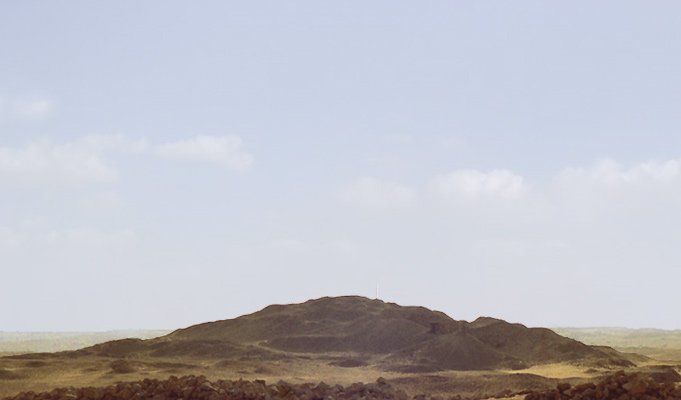
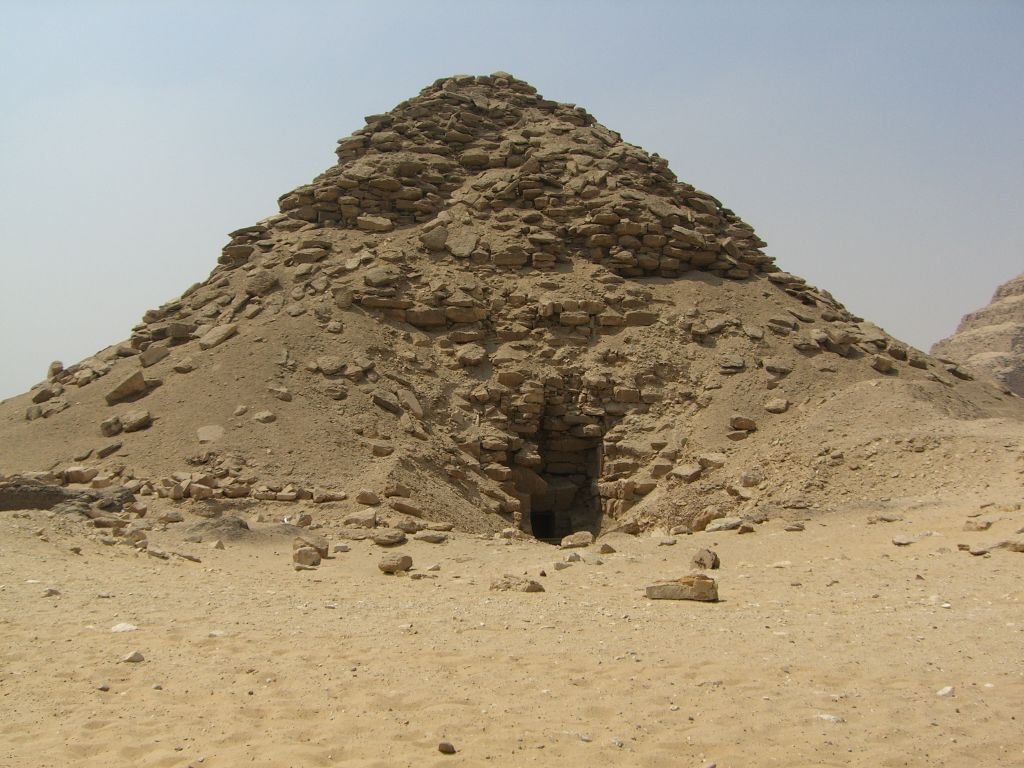
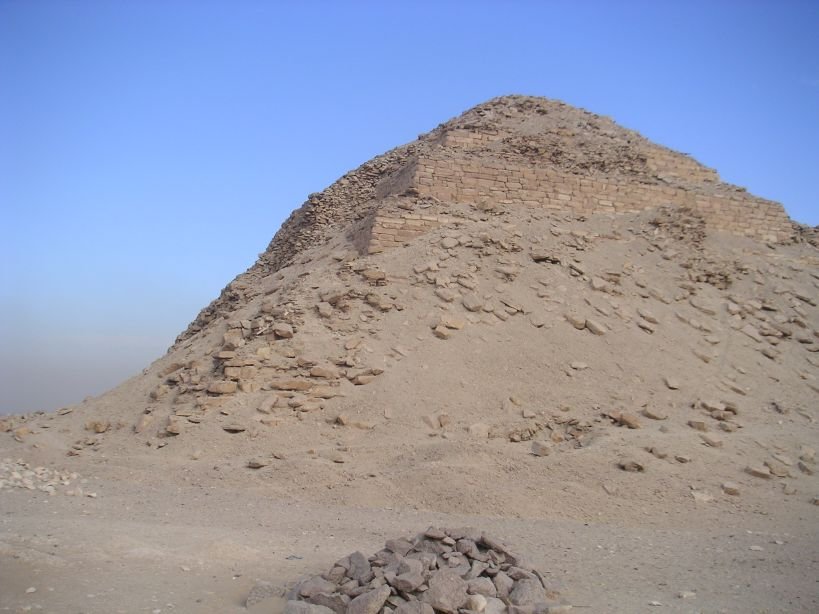
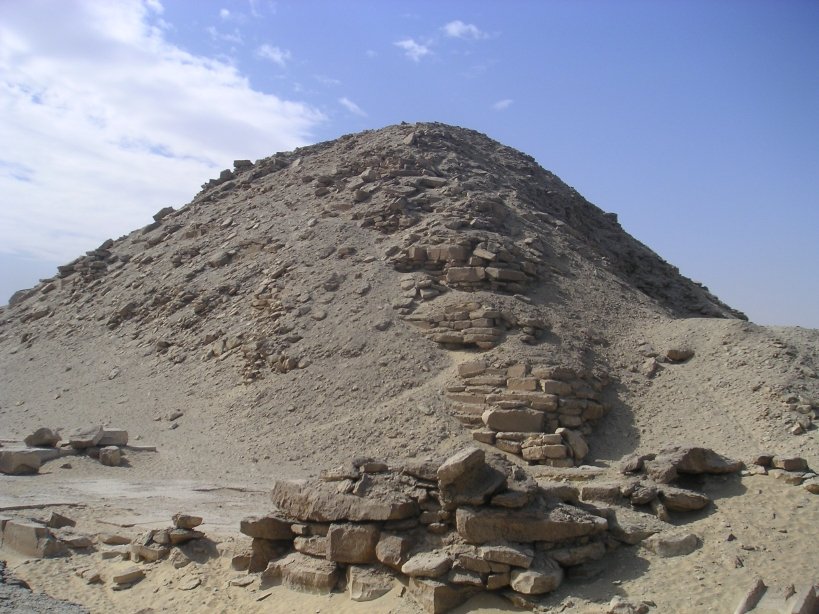
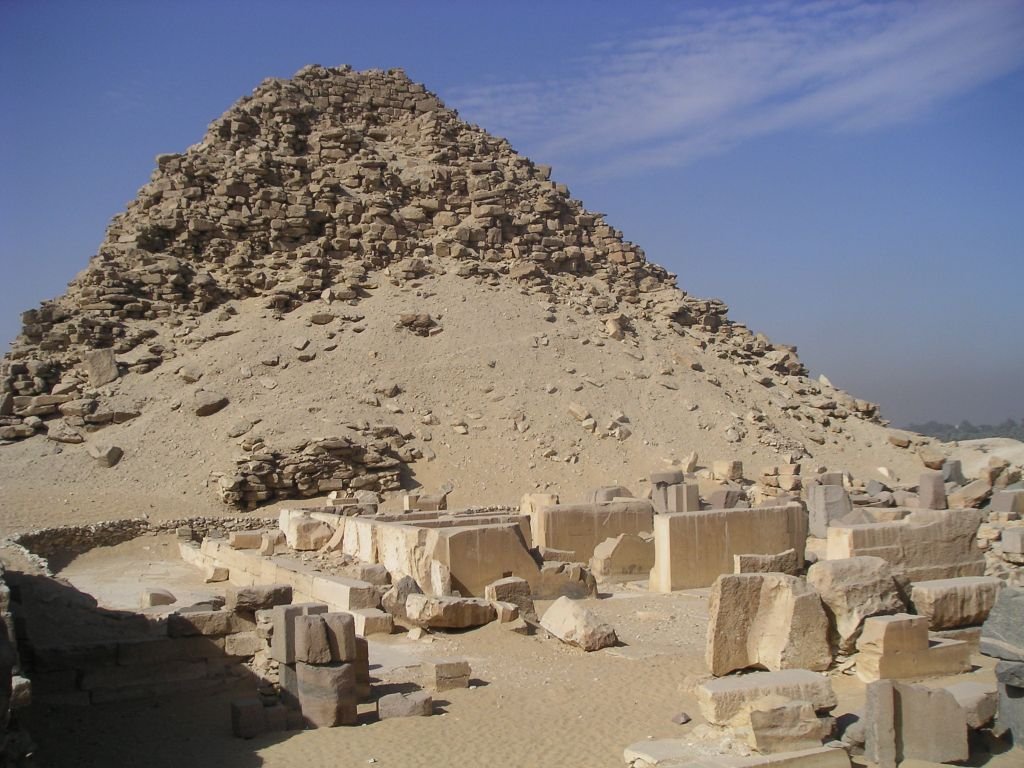
Pepi I sited his pyramid complex in South Saqqara, approximately 2.4 km (1.5 mi) north of Djedkare Isesi's pyramid. It is unclear why he relocated to South Saqqara, but perhaps he had moved the royal palace south and away from the city, or no viable sites remained in North and Central Saqqara after Teti built his pyramid there. Pepi I entrusted one of his wives, Inenek-Inti, with the construction of the funerary monument. The pyramid and substructure replicated the basic design of Djedkare Isesi's and is proportionally very similar. The pyramid has been severely damaged and is now a small ruinous mound.
The most significant finds at the complex are the queens' pyramids. As of 2017, a total of nine pyramids have been discovered south-west of Pepi I's complex. These pyramids belong to Nebuunet, Inenek-Inti, Meritites IV, Ankhesenpepi II, Ankhesenpepi III, Mehaa with a tomb belonging to her son Hornetjerikhet to its north, Behenu, Reherishefnakht and one, the Western Pyramid, that remains anonymous. The pyramids of Queens Ankhesenpepi II and Behenu also contain Pyramid Texts. The pyramid of Reherishefnakht contains both Pyramid Texts and Coffin Texts. It is significant for two reasons: It is the oldest known pyramid not built for a member of the royal family and its epigraphy links the Old and Middle Kingdoms.
Old Kingdom mortuary complexes consisted of five essential components: a valley temple; a causeway; a pyramid, or mortuary, temple; a cult, or satellite, pyramid; and the main pyramid. Pepi I's complex comprises: a main pyramid constructed of six steps of limestone encased in fine white limestone; a mortuary temple that near exactly replicates those of his predecessors, with a cult pyramid to its south; and a valley temple and causeway that have not been excavated. The limestone casing has been stripped away for the production of lime, and is intact only at the lowest steps. A fragmentary inscription found by MAFS in 1993 belonging to Khaemwaset, High Priest of Memphis and son of Ramesses II, from the Nineteenth Dynasty indicates that the pyramid was in relatively good condition at this time, needing only minor improvements.
Sources: Wikipedia, OpenStreetMap, Wikidata, Wikimedia Commons
Written by Mutabor
Discuss this with the author and others
No comments yet. Be the first to start the conversation.