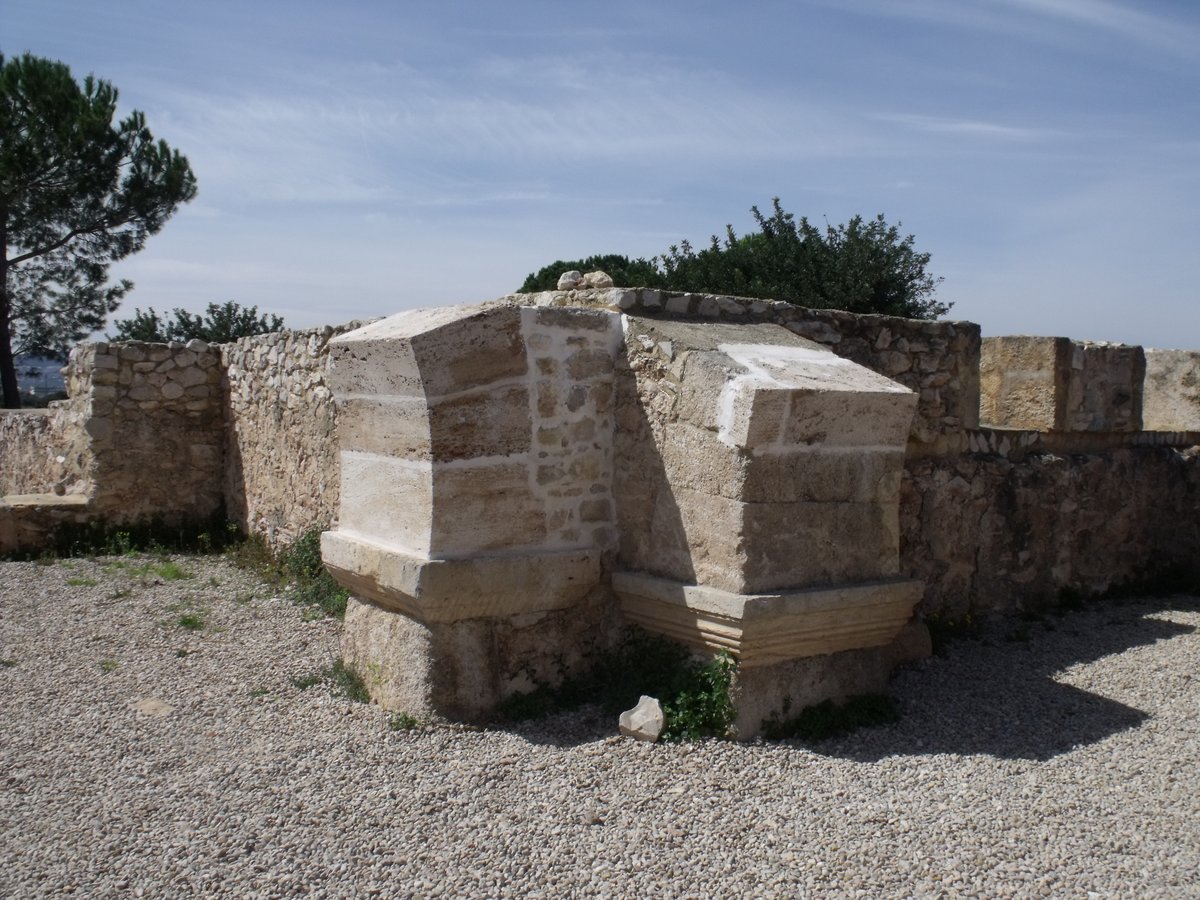

The Pla de Nadal was a grand residential palace that formed part of a palatial complex in the territory of the city of Valentia. It reproduces a classic model of cities with galleries and angular corner towers. The building opens to a central patio and includes an upper floor, with a preserved central hall. The ground floor was functional and austere, while the upper floor - where the spaces of the master were located - was covered with a floor of opus signinum with tiles.
The building had the appearance of a fortified palace, although the presence of many accesses and the type of towers do not fit a truly defensive function. This layout shows elements of continuity with classic cities, but with new characteristics such as the residential floor of the upper level. It shares parallels with the palaces of the Justinian era, such as Qar ibn Warsan. The building was decorated with sculptural decoration and stuccos, with the sculpture from the Pla de Nadal constituting one of the most significant sets in the West.
Archaeologists have recovered numerous pieces of sculpture, including around 400 ornamental elements from the upper floor's main room, which were worked in situ. These elements feature recurring patterns like pilgrim shells and trifoliate designs, models copied from the world of Toledo. Epigraphy at the site is scarce but reveals the name of the promoter of the construction, the dux Teodomir. He was the dux of the territory of Valentia who signed a pact with the Arabs to govern the coastal region of the old Carthaginensis province.
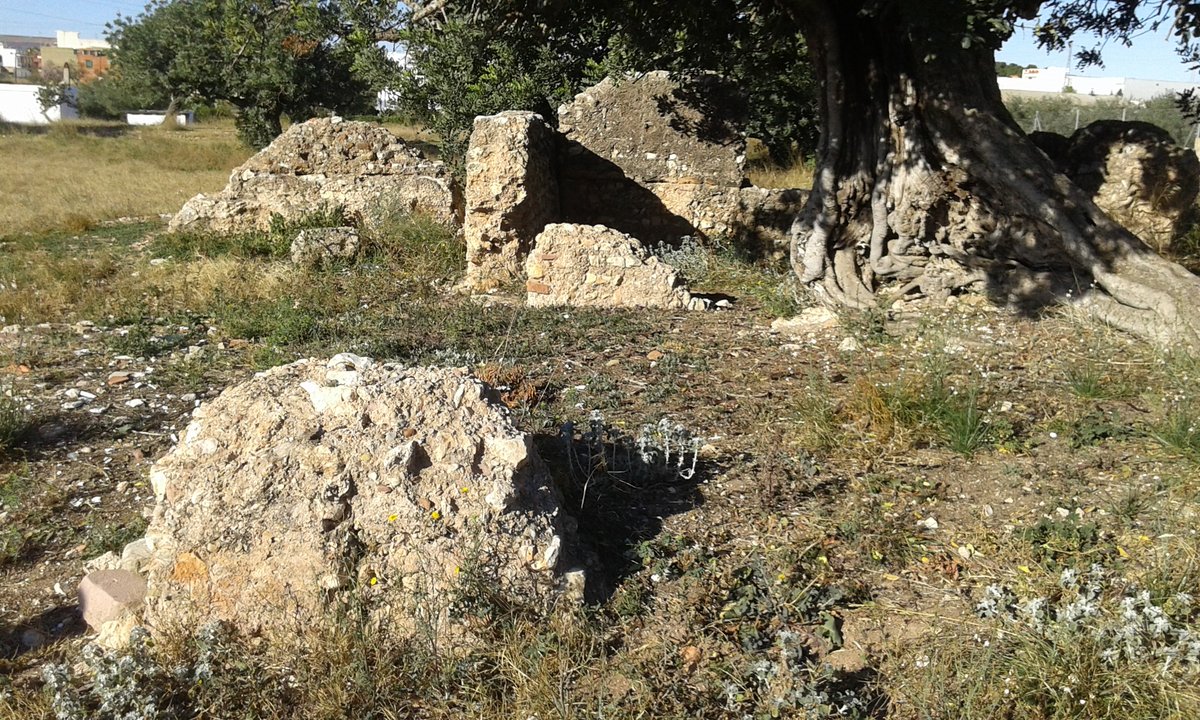
Today, the ruins of the palace are protected as a site of cultural interest. Visitors can see the remains of the upper floor and the complex architectural layout that once stood 20 km northwest of Valencia. The site was eventually destroyed around 778-779 during a repression of an uprising promoted by the caliph of Baghdad, as mentioned by Arab historians.
Sources: Wikipedia, OpenStreetMap, Wikidata, Wikimedia Commons
Written by Nik Frost
Discuss this with the author and others
No comments yet. Be the first to start the conversation.