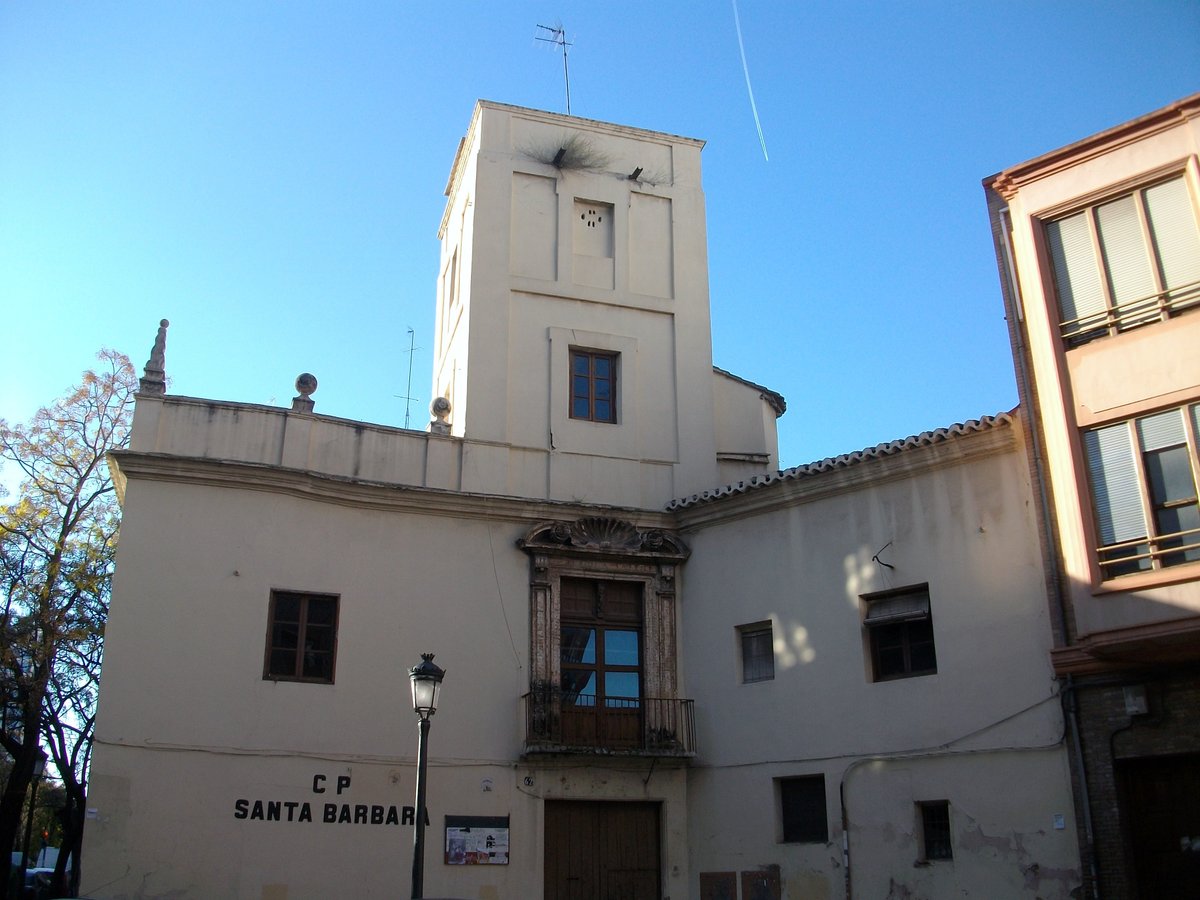

In 17th-century Valencia, a hidden treasure emerges: the Alqueria de Julià, featuring manierist and baroque architecture adorned with a labyrinth, vibrant tiles, and a once-agricultural estate's rich history. The Alqueria de Julià boasts a glorieta, a hort office, and an Ecce Homo depicted in azulejería in the entrance. The main entrance features a simple stone embocadura, with the main balcony decorated with estriada pilastras and ménsulas. The building showcases pirámides and bolas as a finish. The interior embraces a zaguán with an arco rebajado. The ground floor rooms are covered with wooden beams. The ground floor boasts a 17th-century tile zócalo. One of the upper floor rooms is adorned with an esgrafiado, showcasing vegetal and fantastic motifs, one of the few examples preserved in interiors of living spaces.
Sources: Wikipedia, OpenStreetMap, Wikidata, Wikimedia Commons
Written by Nik Frost
Discuss this with the author and others
No comments yet. Be the first to start the conversation.