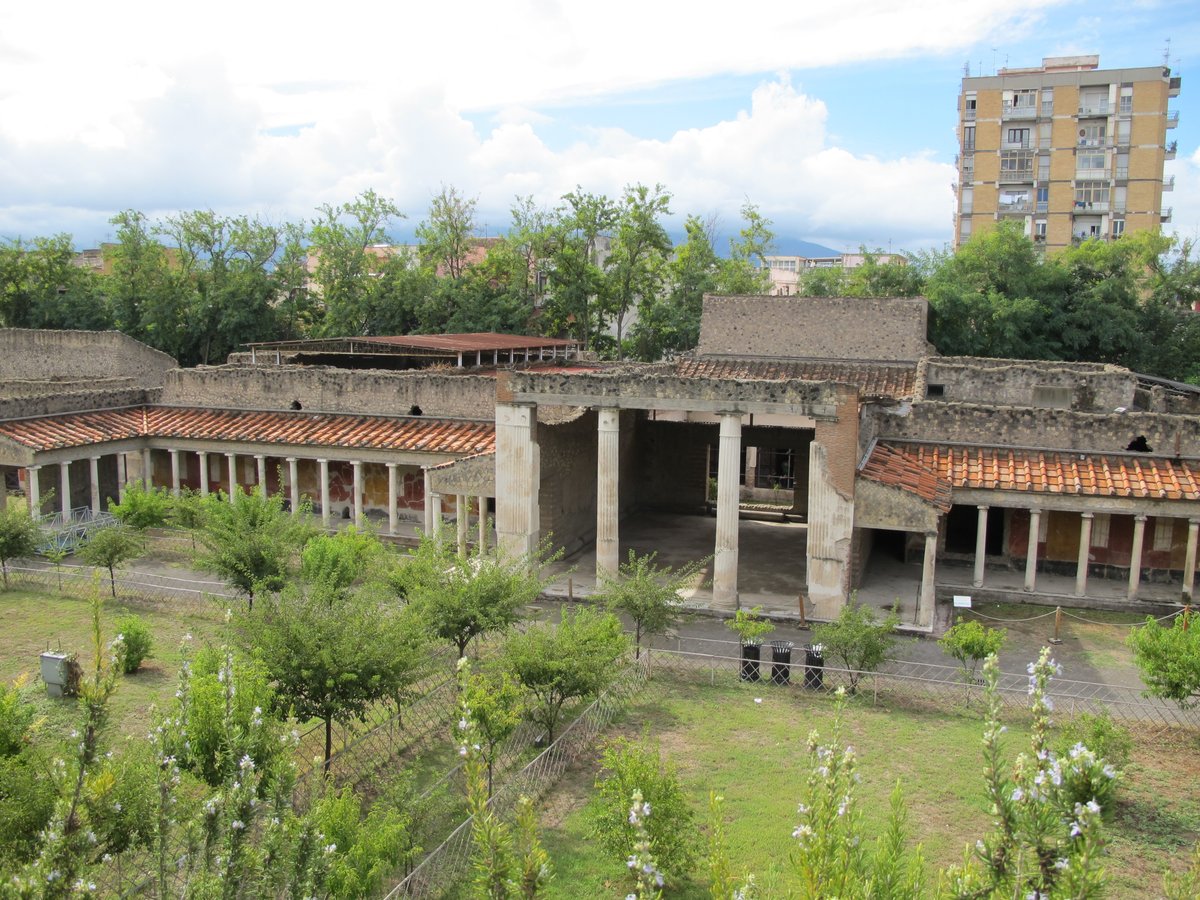

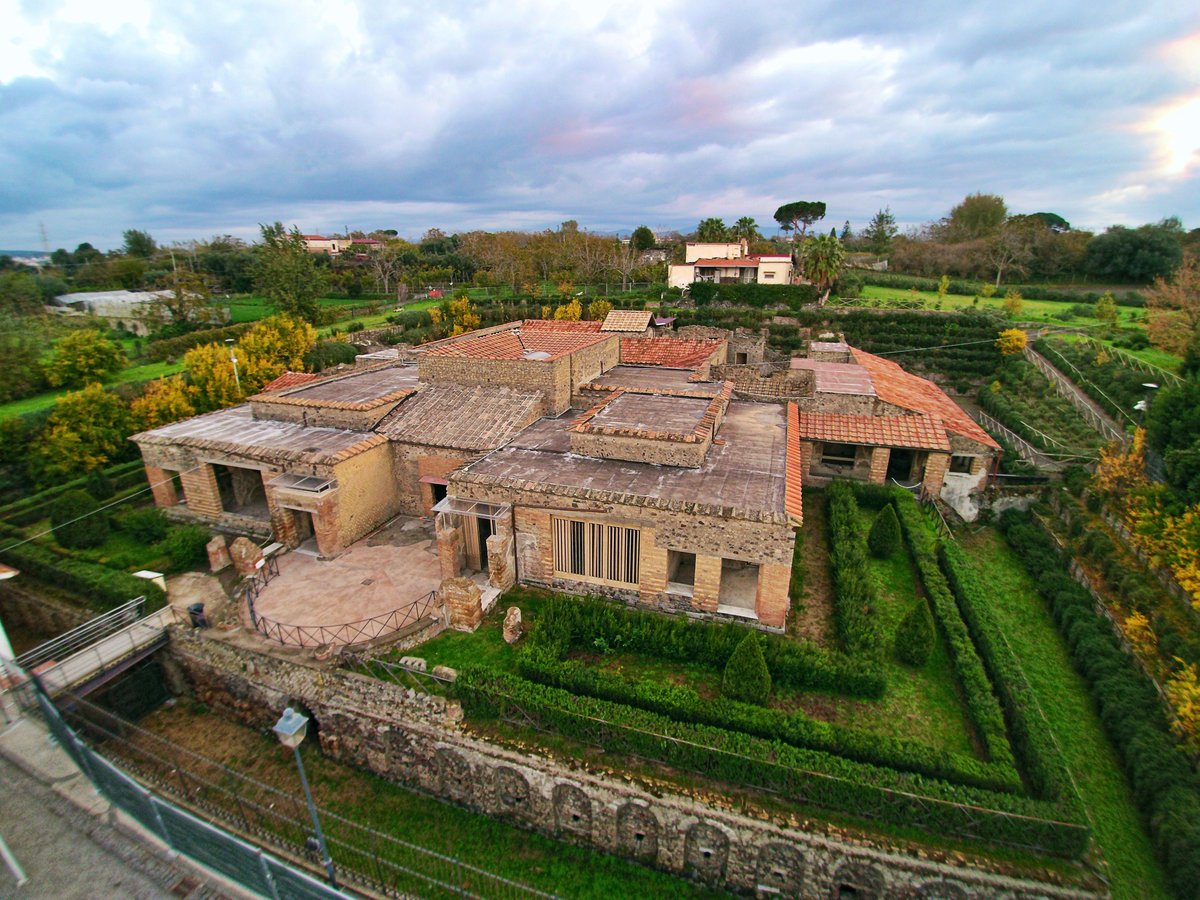
The Villa Poppaea is an ancient luxurious Roman seaside villa located in Torre Annunziata, between Naples and Sorrento. Buried and preserved by the eruption of Vesuvius in 79 AD, it sits about 10 meters below modern ground level. While a pottery shard bearing the name of a freedman of Poppaea Sabina was found at the site, modern scholarship casts doubt on whether the empress ever owned or resided in the villa.
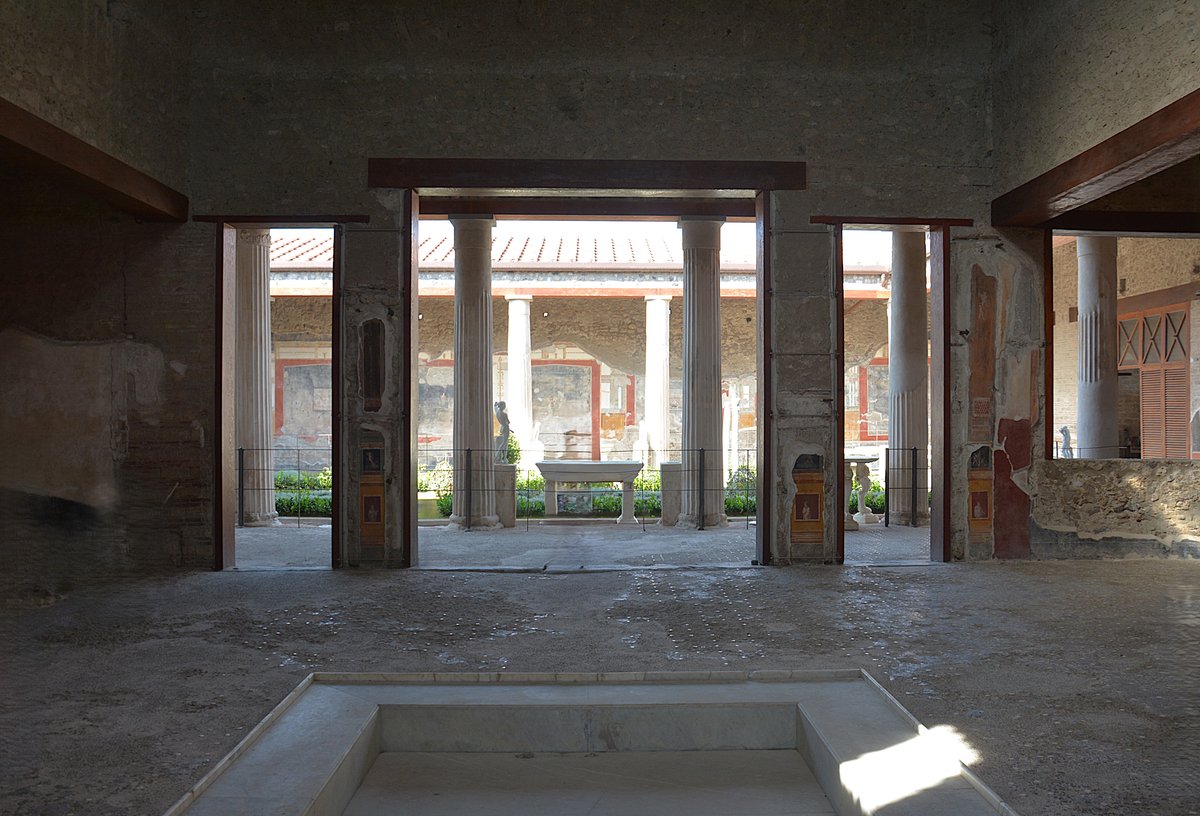
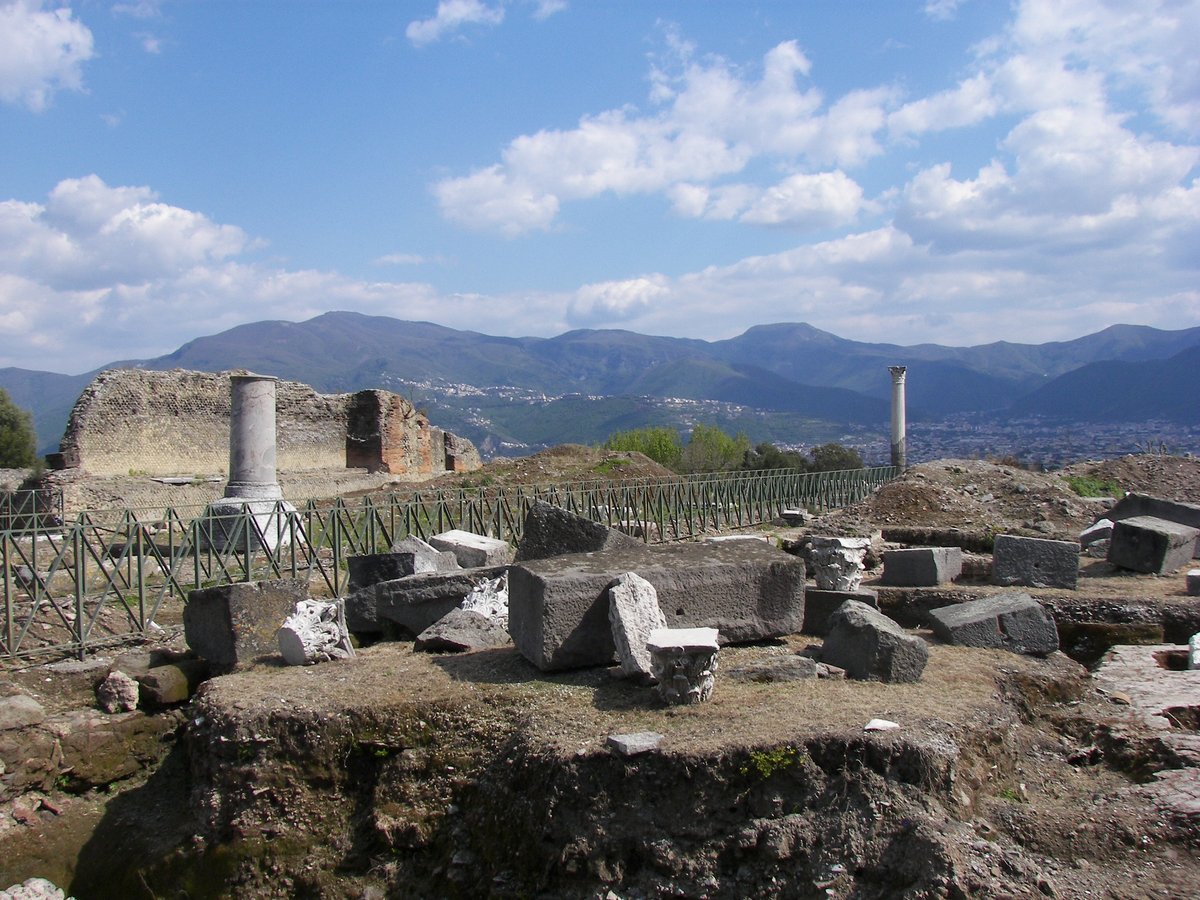
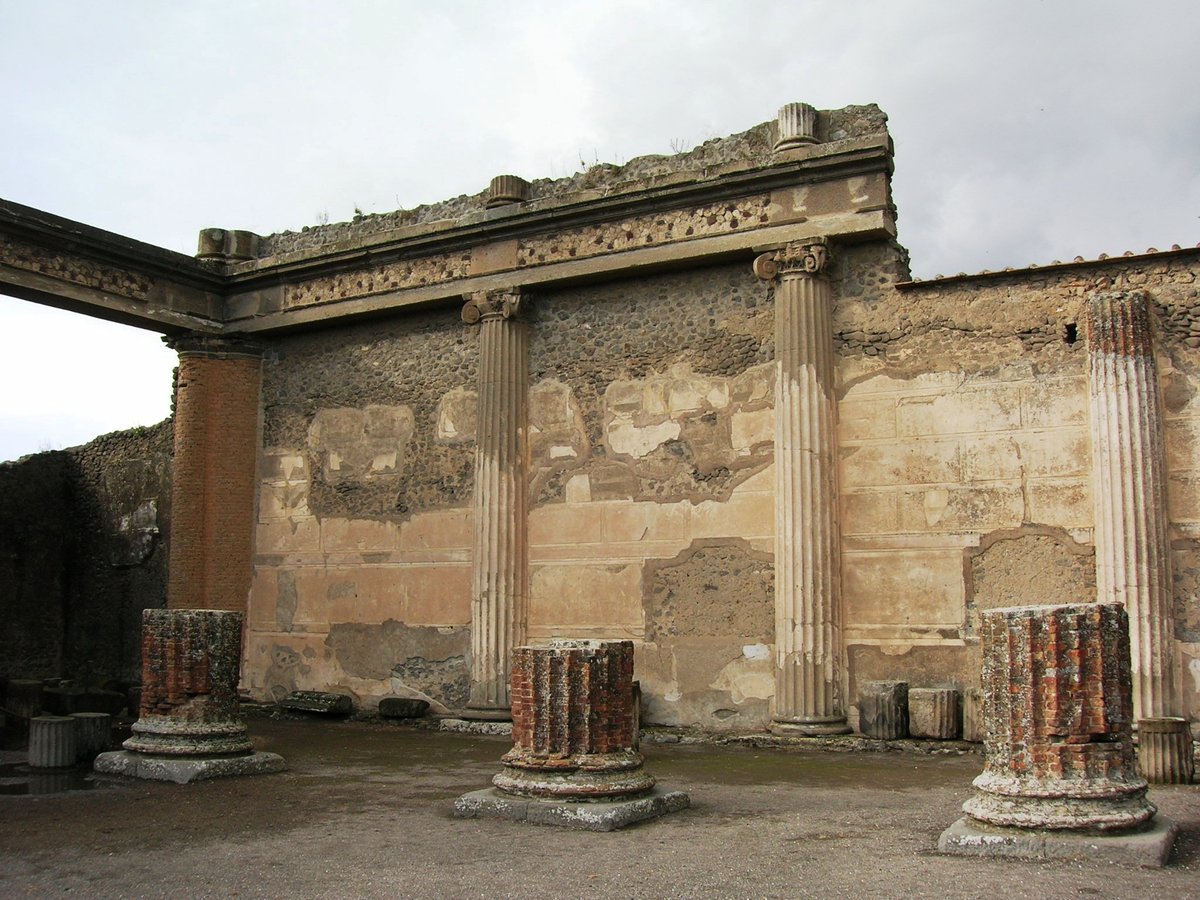
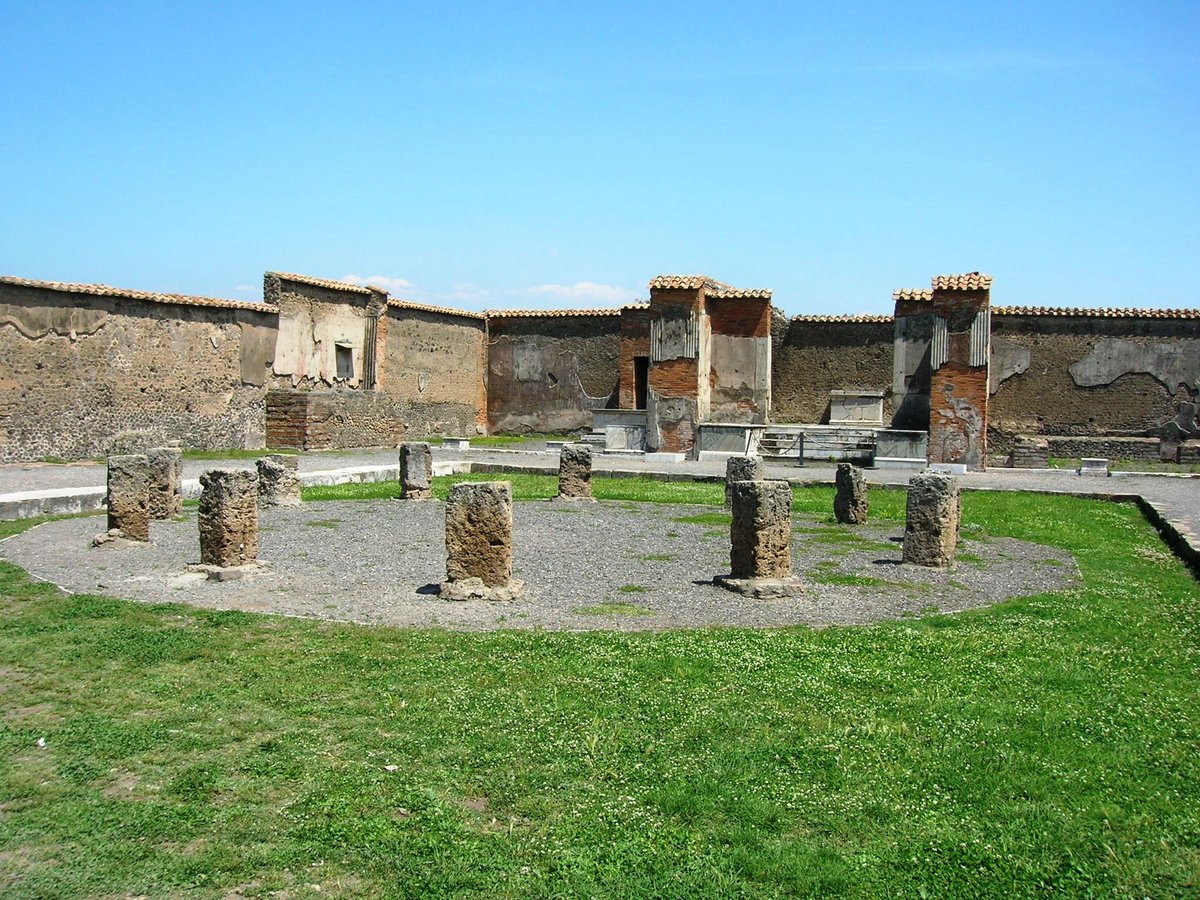
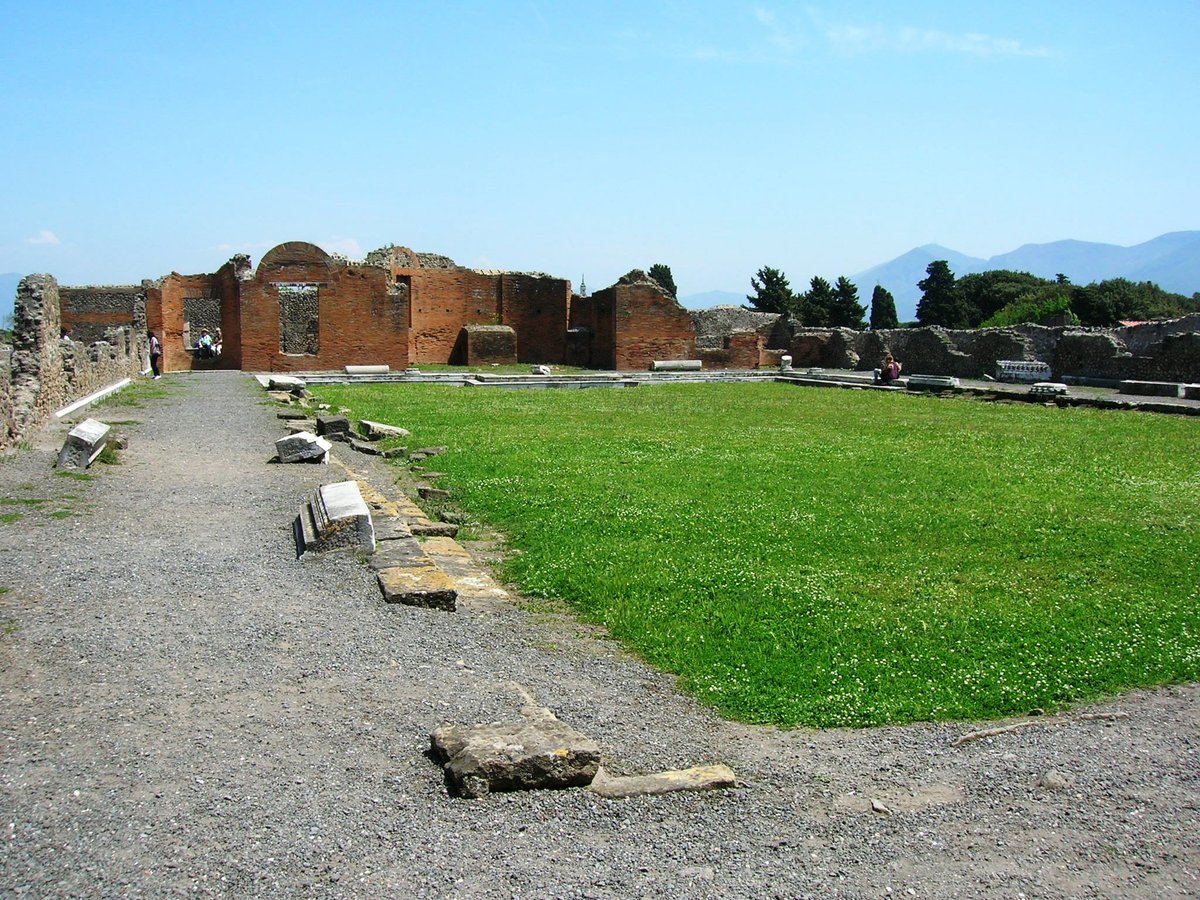
Built in the 50s BC, the villa was expanded in stages to include an atrium, a large swimming pool bordered by trees, and guest reception rooms. The construction features high-quality marble columns and capitals, marking it as especially luxurious compared to other regional buildings that used stuccoed brick. The villa was damaged in an earthquake in 62 AD and underwent renovations where builders rebuilt walls with high-quality frescoes. Many of the walls were difficult to reassemble during excavation because the weight of the ash caused columns to break and be thrown sideways.
Over 100 rooms have been uncovered, including a service area with workrooms and dormitories for slaves, a kitchen, and a latrine. A tunnel descends from this area via a series of terraces to the ancient shoreline 14 meters below. The site contains one of the most extensive collections of marble ornaments in the region, including a group of centaurs and centauresses. The walls are decorated with striking frescoes, including Second Style paintings from the Boscoreale workshop that use trompe-l'œil to paint feigned architectural features like windows and doors.
Sources: Wikipedia, OpenStreetMap, Wikidata, Wikimedia Commons
Written by Nicolo Ciampini
Discuss this with the author and others
No comments yet. Be the first to start the conversation.