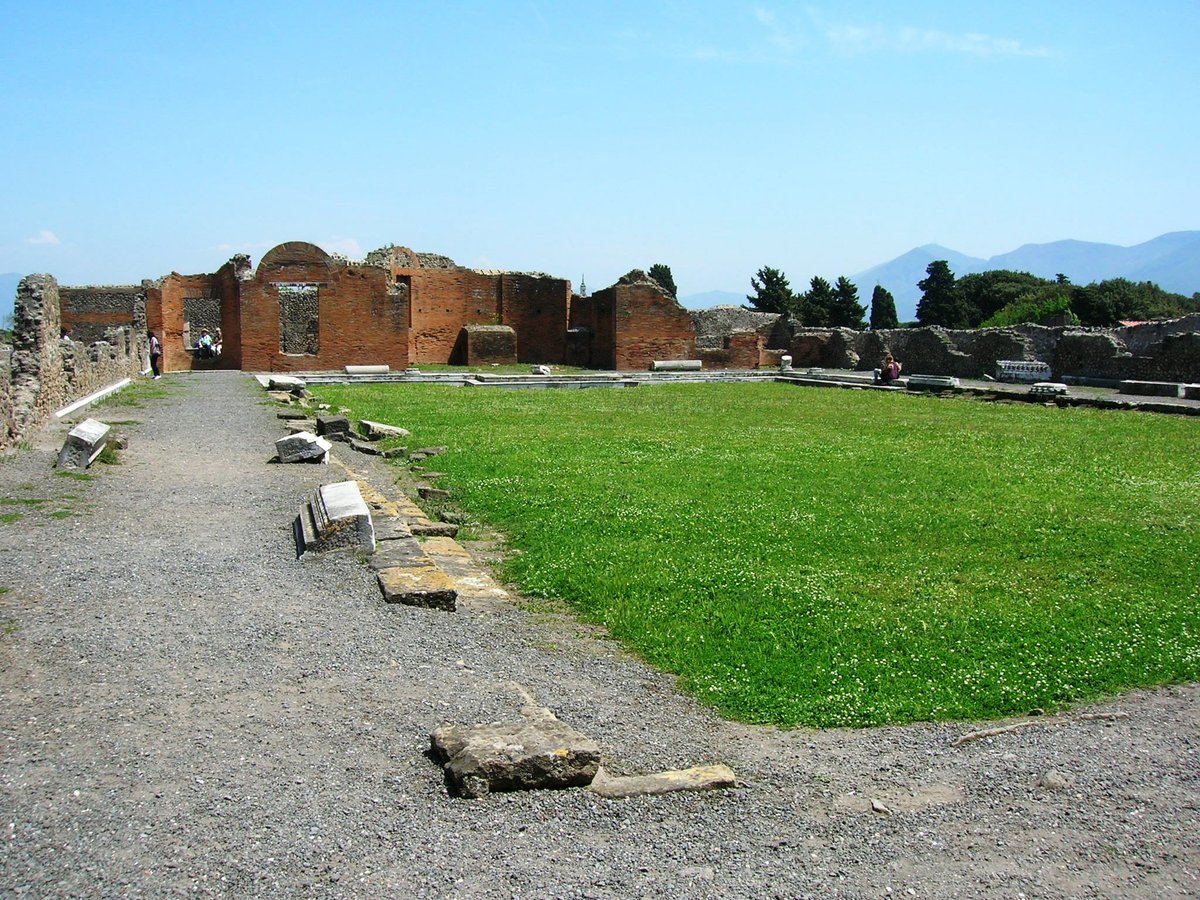

The Eumachia building stands on the east side of the Foro di Pompei. Some suggest it was a wool market, as high walls and few entrances would have protected it from thieves, while the cryptoporticus served as a warehouse. However, the structure's luxury suggests it may have been a basilica for commercial transactions or the headquarters of the fullones guild, for which Eumachia was a patron.
The building was likely commissioned around 22 BC by Eumachia, a priestess of Venus. Some scholars suggest it was built to favor the political career of her son, Marco Numistro Frontone, before he became a duoviro in 2 BC. Dedicated to Livia, the mother of Tiberius, the structure was under renovation following the earthquake of 62 AD when it was buried by the eruption of Vesuvius in 79 AD.
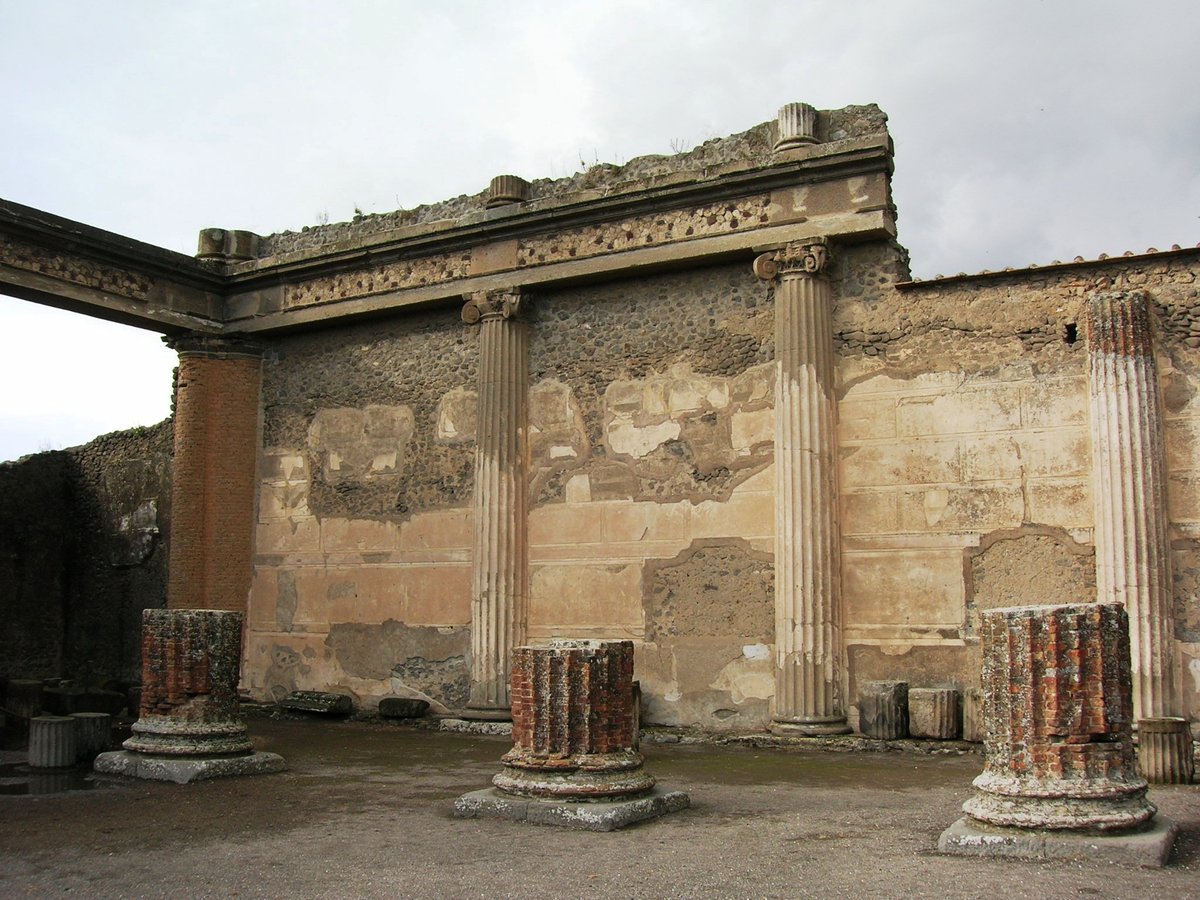
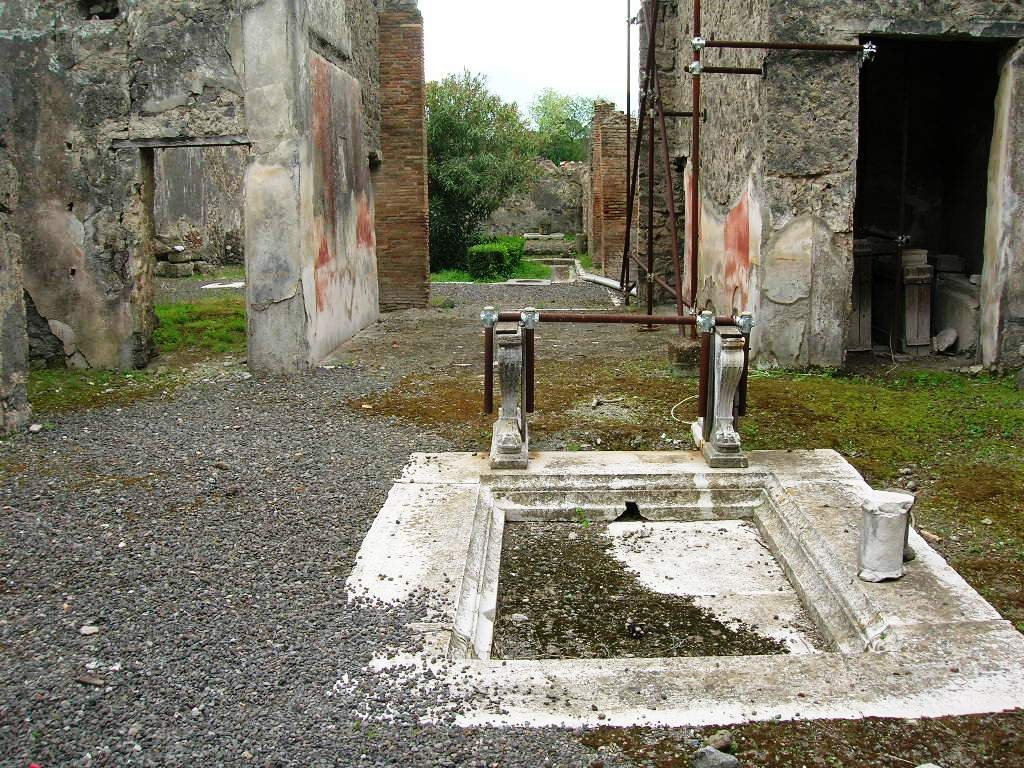
The interior features a room with a sealed jar used to collect urine for degreasing fabrics. The internal courtyard is surrounded by a double-story portico with Corinthian columns and decorated with statues of the imperial family. At the back, three exedrae stand, including a central one that once held a statue of Concordia Augusta, depicted with the features of Livia.
Three sides of the structure are enclosed by a corridor finished in colored marbles. This hallway features two secondary entrances and a niche containing a statue of Eumachia. The main facade, reconstructed after the earthquake, features a marble relief of acanthus scrolls, birds, and insects, alongside two rectangular exedrae containing statues of Caesar and Augustus.
Sources: Wikipedia, OpenStreetMap, Wikidata, Wikimedia Commons

Written by Nicolo Ciampini
Discuss this with the author and others
No comments yet. Be the first to start the conversation.