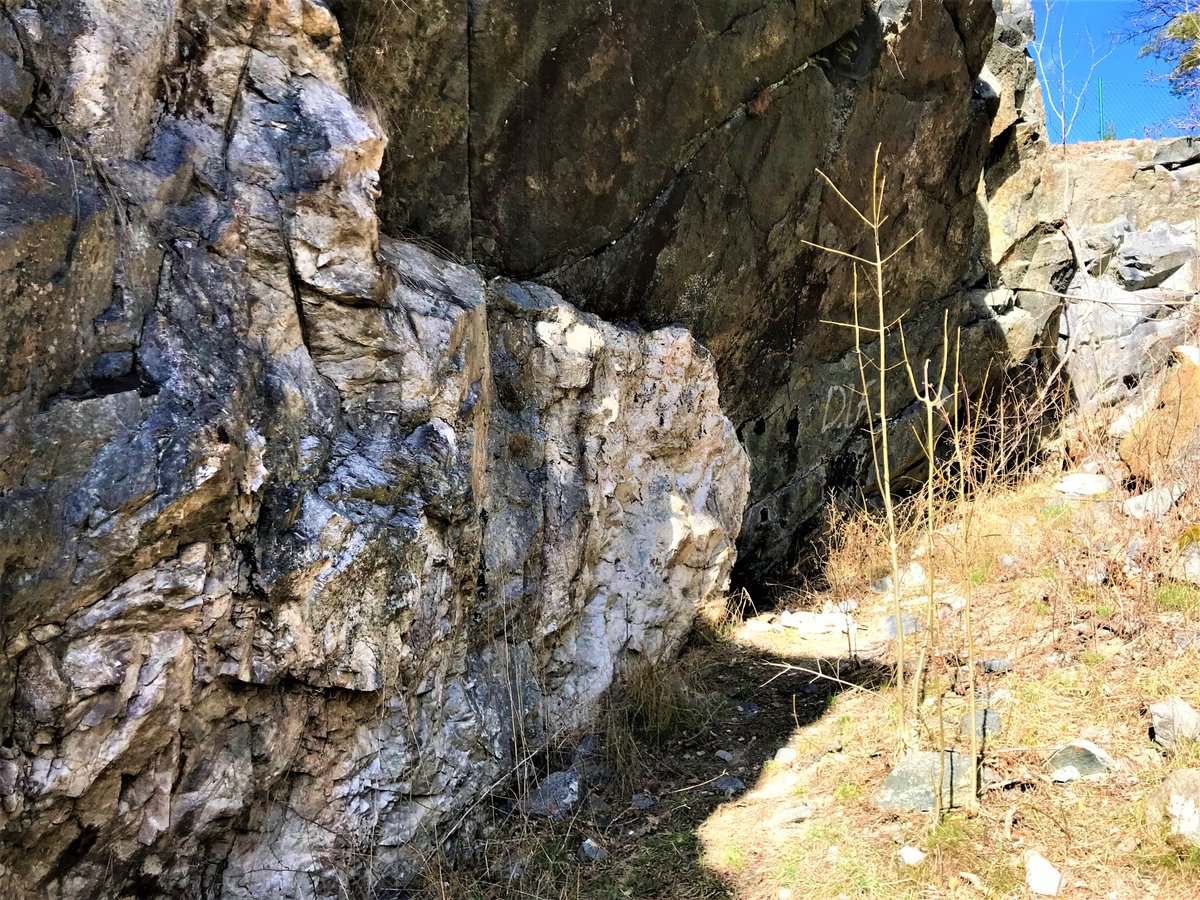

The Ytterby mine stands as a remarkable geological landmark and the premier source of elemental findings on our planet. Within this specific Swedish site, the earth yielded a dense black rock known as gadolinite. This unique mineral provided the foundation for seven distinct elements. Because of this rich history, yttrium, terbium, erbium, and ytterbium all carry the name of this tranquil village.
Humanity began extracting resources from this ground in the 1600s to gather quartz for ironworks. The focus shifted in 1790 when it became Sweden's inaugural feldspar mine. For 177 years, the site supplied materials for local porcelain and trade to Britain and Poland. This operation finally concluded in 1933, leaving behind a legacy as the longest-running feldspar mine in the nation.
Scientific inquiry began in 1787 when Lieutenant Carl Axel Arrhenius noticed the unusual black mineral during a survey for fortifications. Shortly after, chemist Anders Gustaf Ekeberg confirmed a new earth element in 1795 and gave the mineral its name. This discovery eventually led to the identification of scandium, holmium, thulium, and gadolinium.
While modern residential homes now define the village, the industrial heritage persists in the landscape. A commemorative plaque marks the former entrance to the mine. This site remains a permanent reminder of the secrets hidden within the earth and the persistent curiosity of those who sought to uncover them.
Sources: Wikipedia, OpenStreetMap, Wikidata, Wikimedia Commons


Written by Nik Frost
Discuss this with the author and others
No comments yet. Be the first to start the conversation.