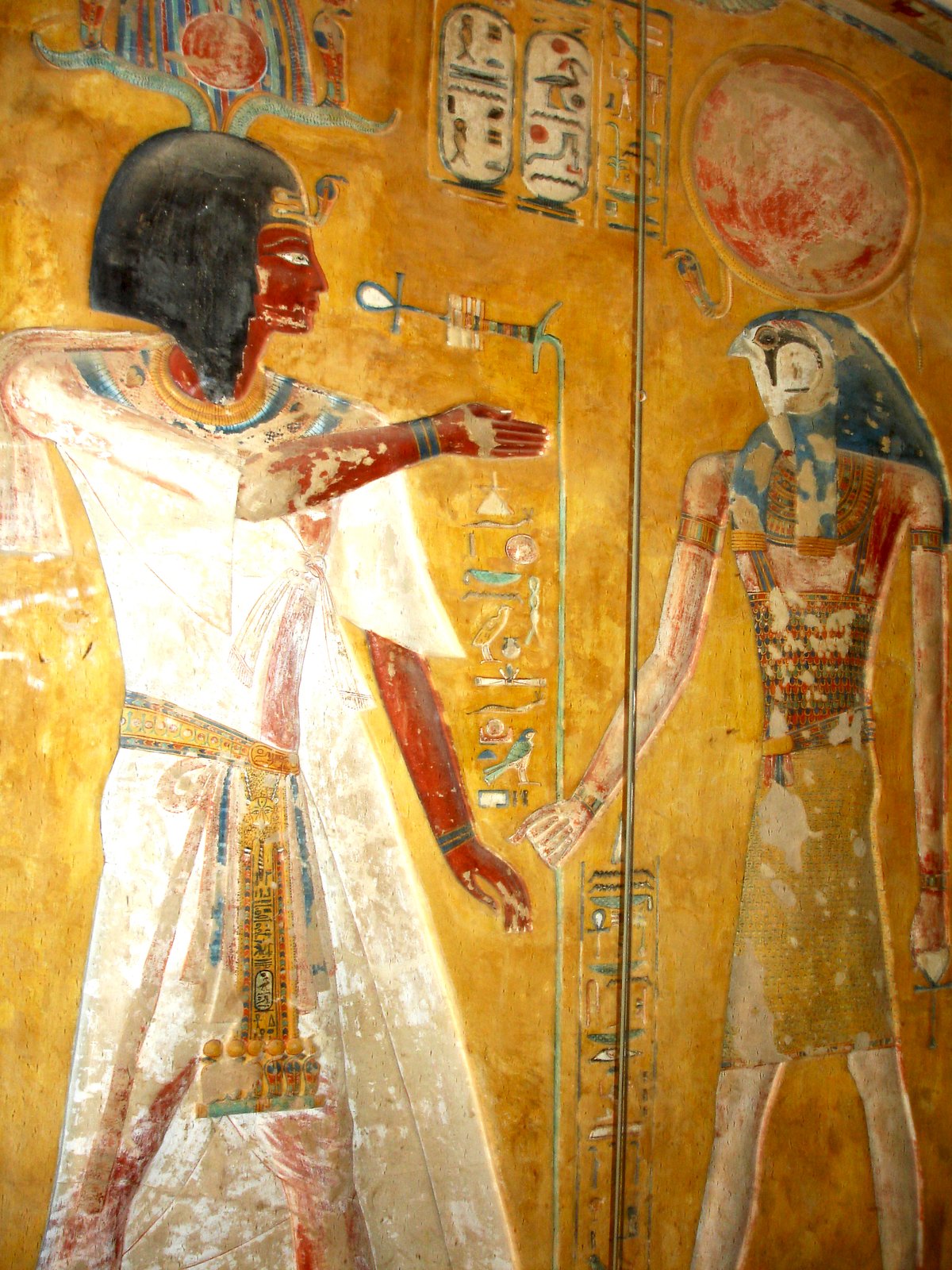

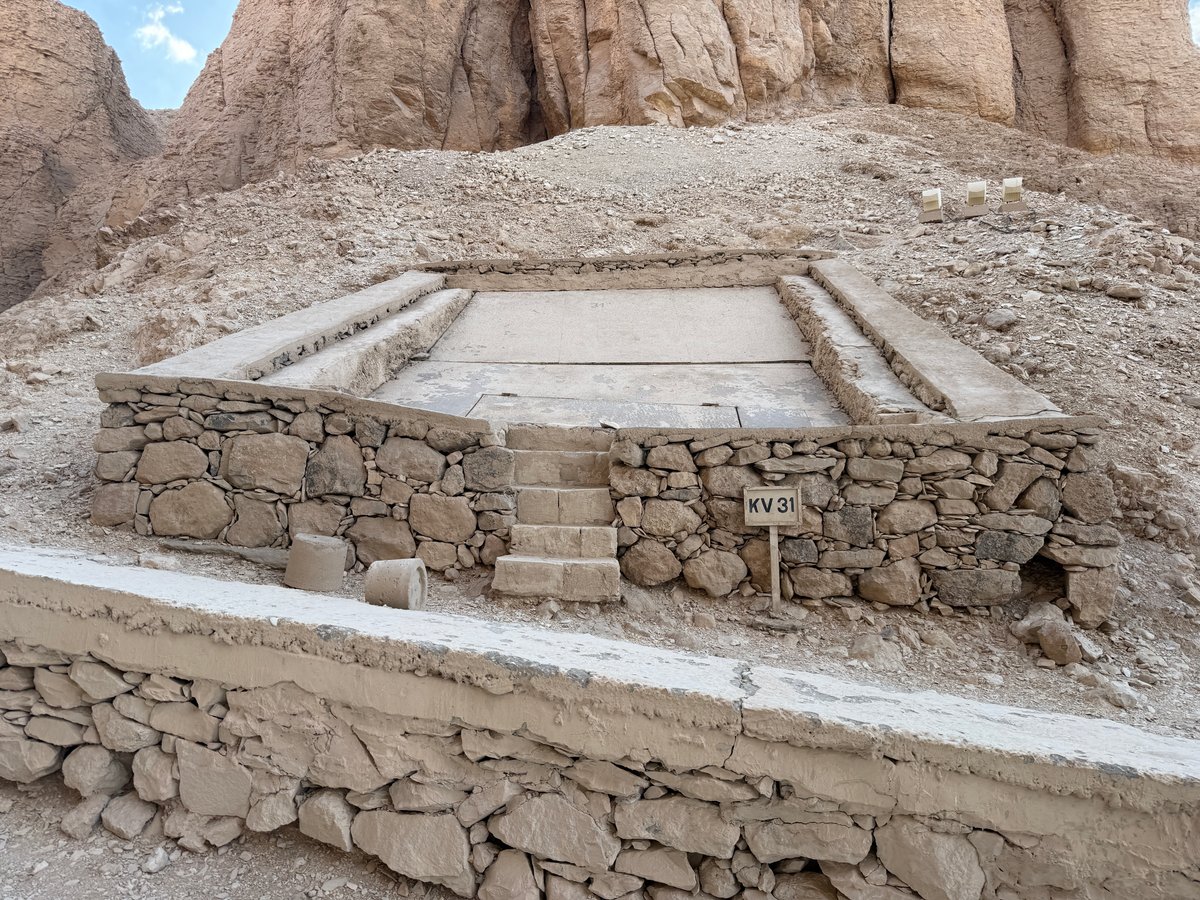
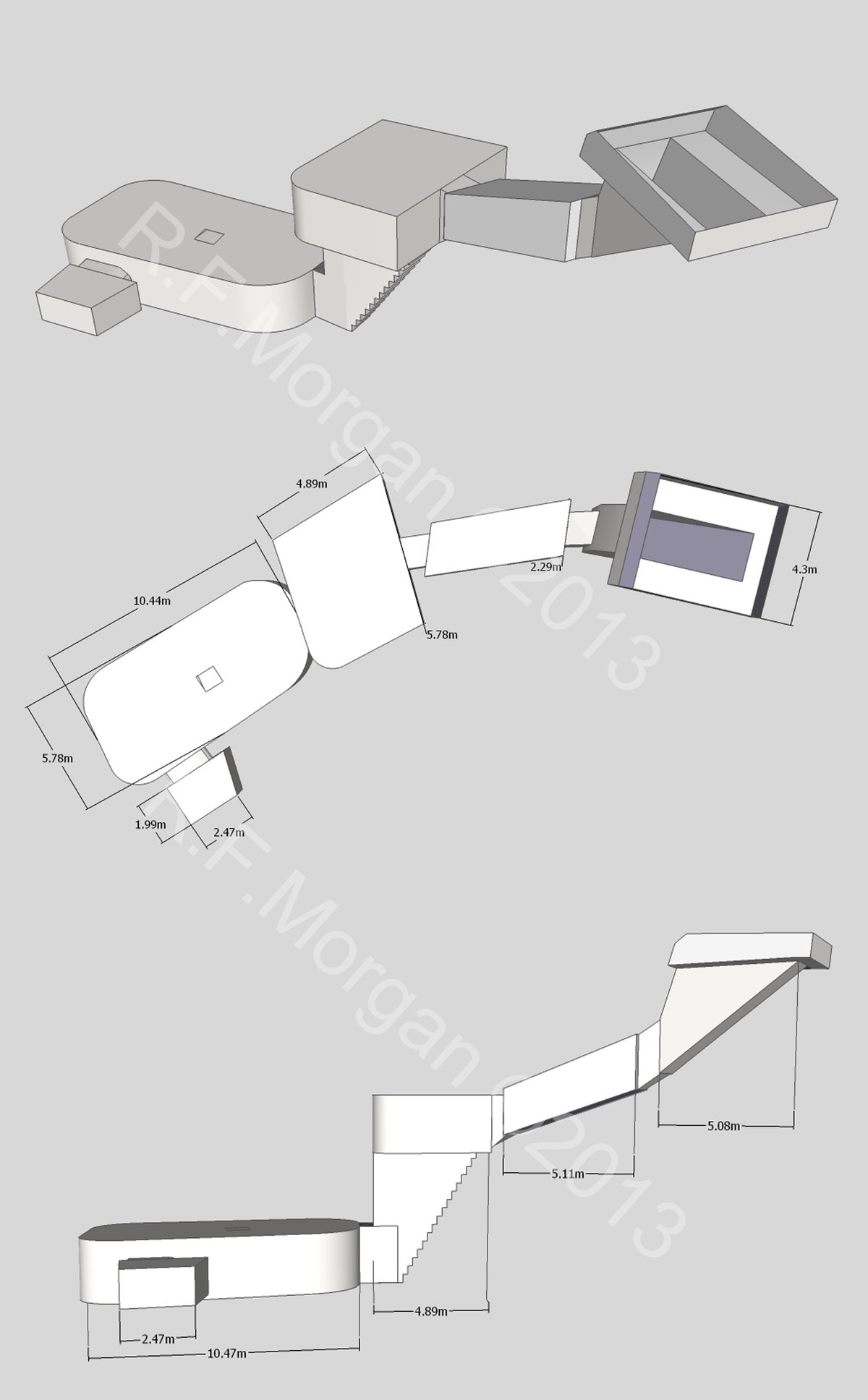
Located in a bay at the southern end of the Valley of the Kings, the tomb of Pharaoh Siptah (KV47) was used for the burial of a Nineteenth Dynasty king. Unlike the neighboring tombs of Seti II, Bay, and Twosret, which are cut into the cliff face, this tomb was cut into a tongue of rock running north to south that separates the bay from the main valley. The tomb was unfinished at the time of its use.
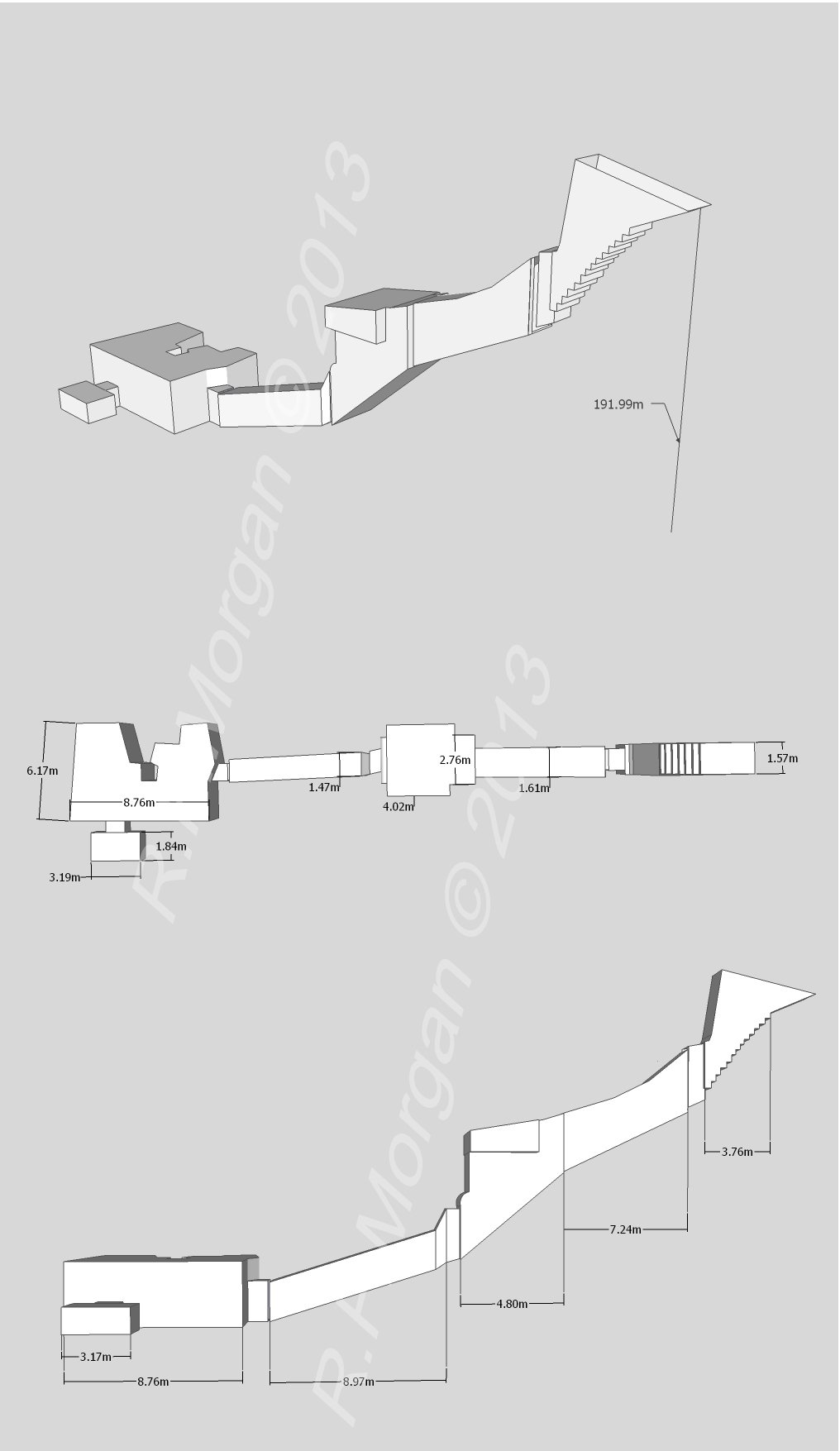
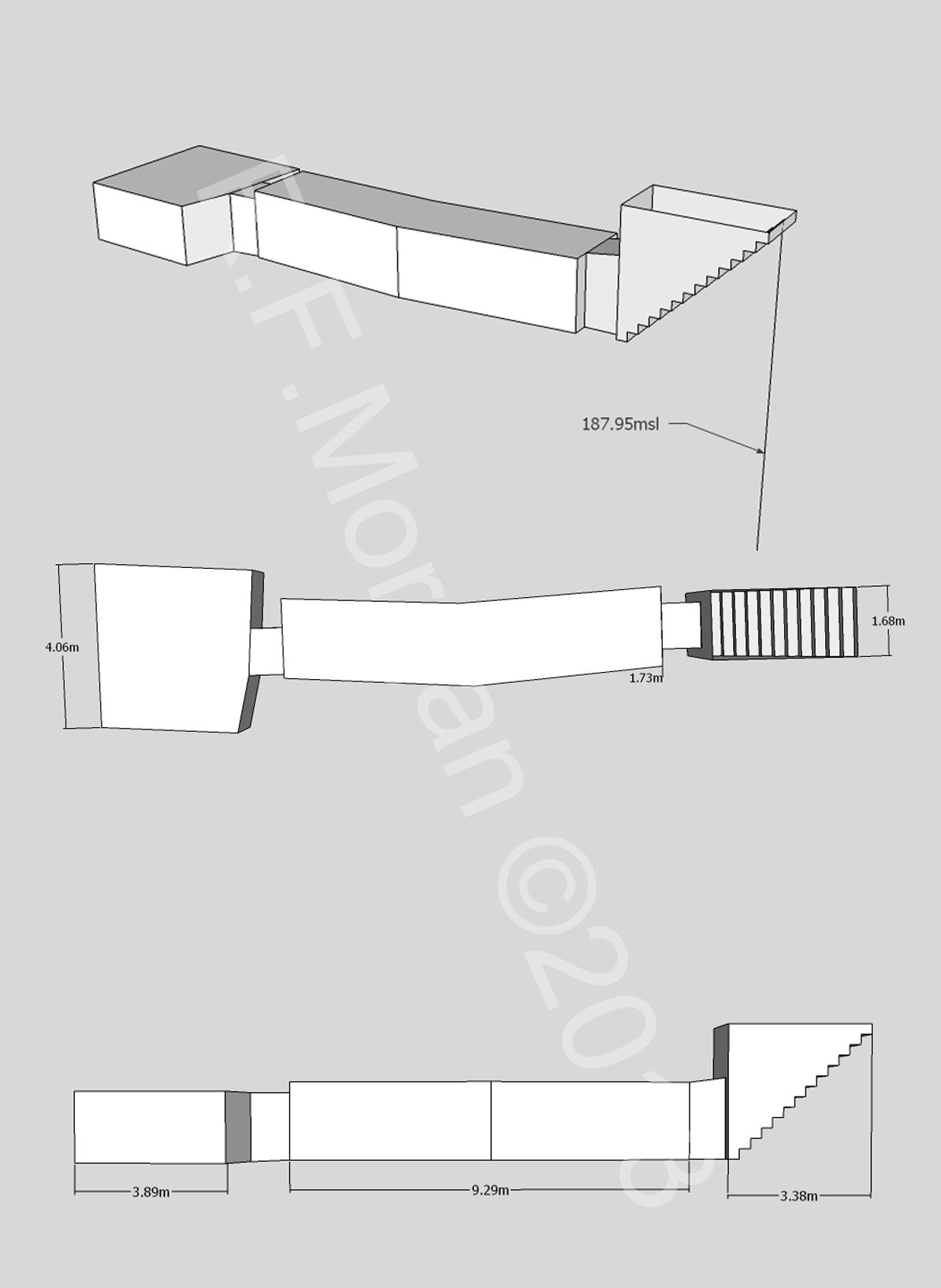
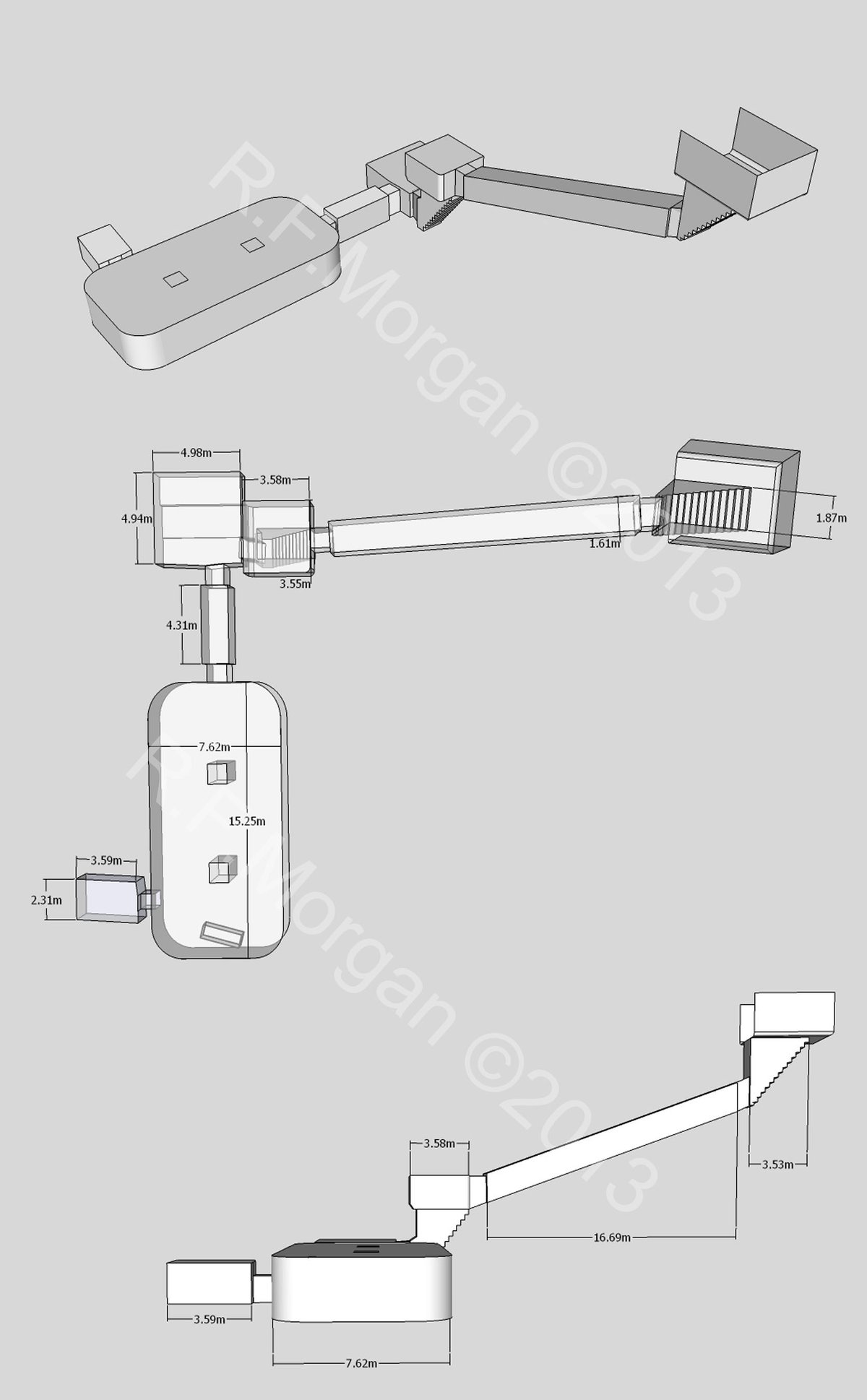
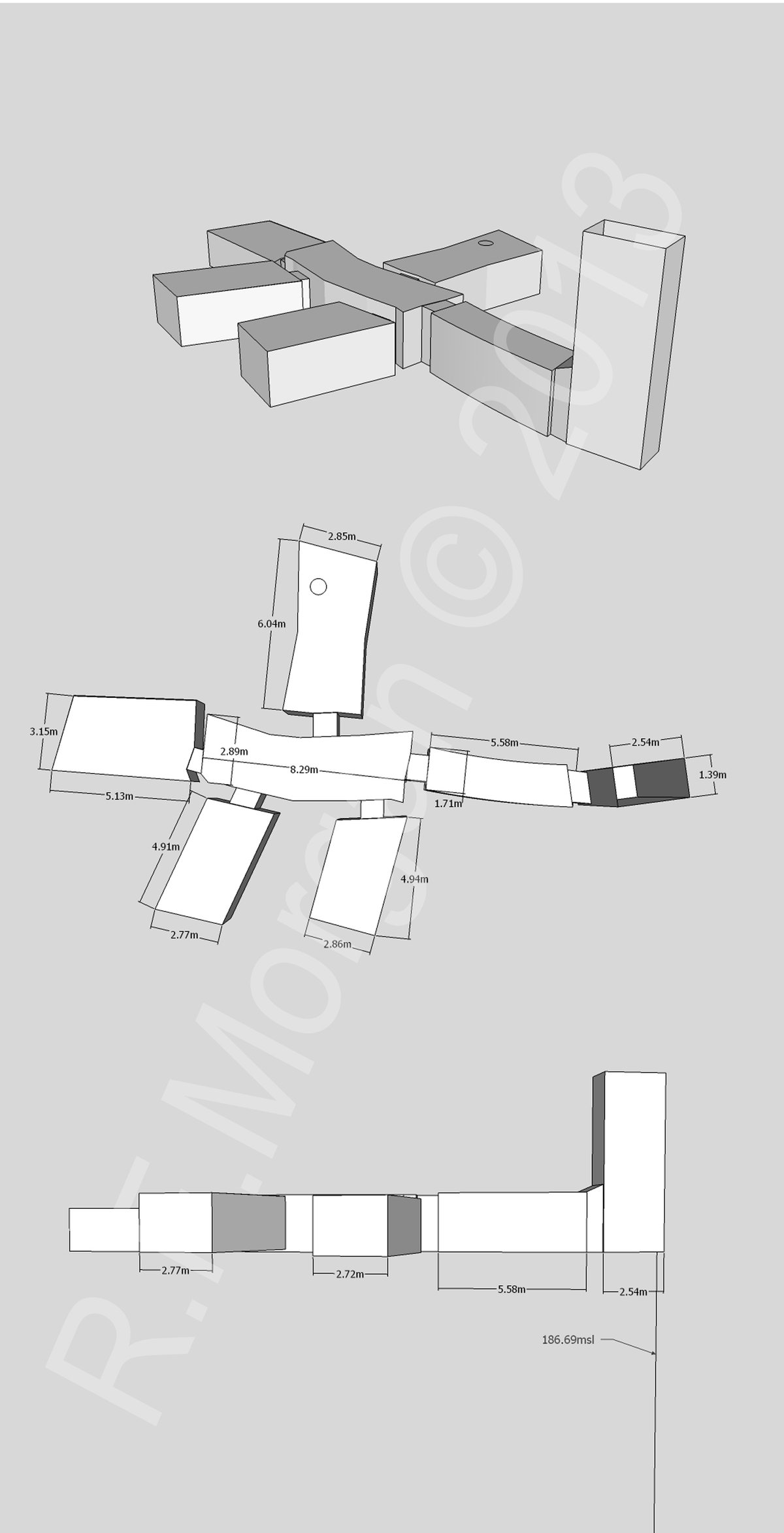
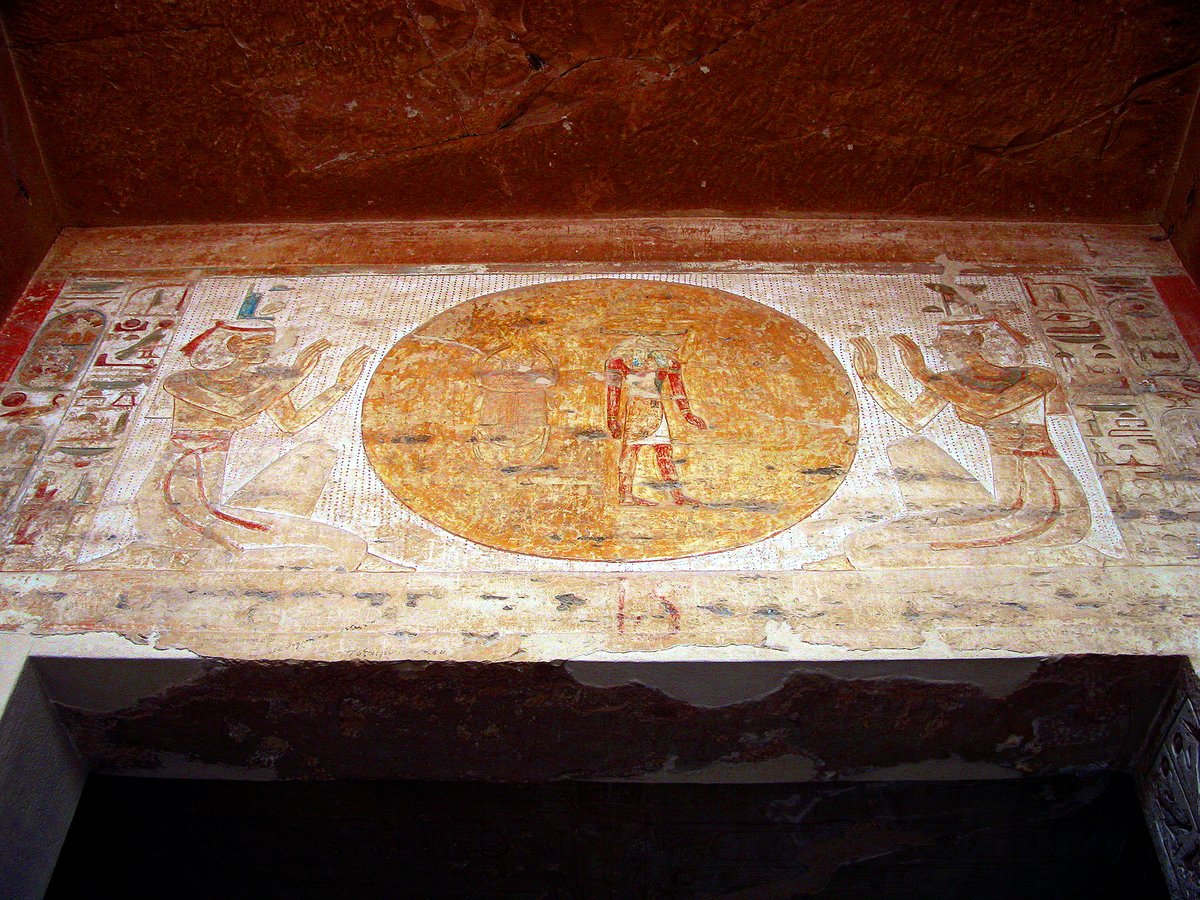
On December 18, 1905, Edward R. Ayrton discovered the entrance, which had been buried under 6–12 feet of debris from the construction of surrounding tombs. The entrance revealed the cartouches of Siptah, who had previously been thought to share the tomb of Twosret. While the layout is similar to KV14, the tomb has unusual features, including two descending corridors leading from the pillared hall and a lack of satellite storage chambers, perhaps due to the unstable nature of the rock.
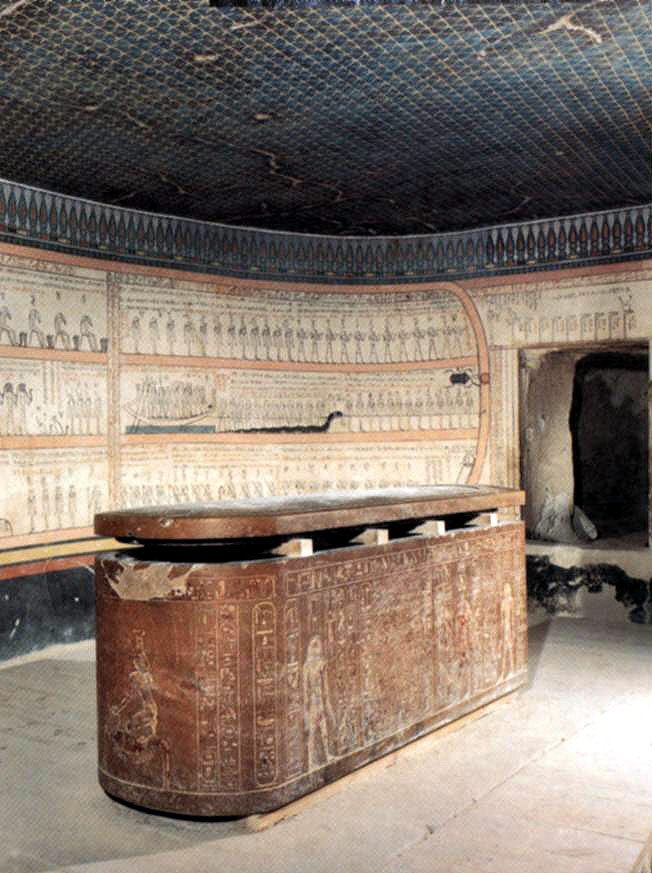
Ayrton stopped his excavation in 1907 due to safety fears, but Harry Burton returned in 1912. Burton cleared the vestibule and adjoining lower corridor, which were choked with hard-packed flood-washed debris. He eventually reached the Sepulchral Hall, where he found a pink granite sarcophagus measuring 10.25 by 5.25 feet. The sarcophagus features funerary texts and an Osiride figure of the king flanked by Isis and Nephthys. Although the tomb was unfinished, the sarcophagus was found in good condition with its lid lying face down.
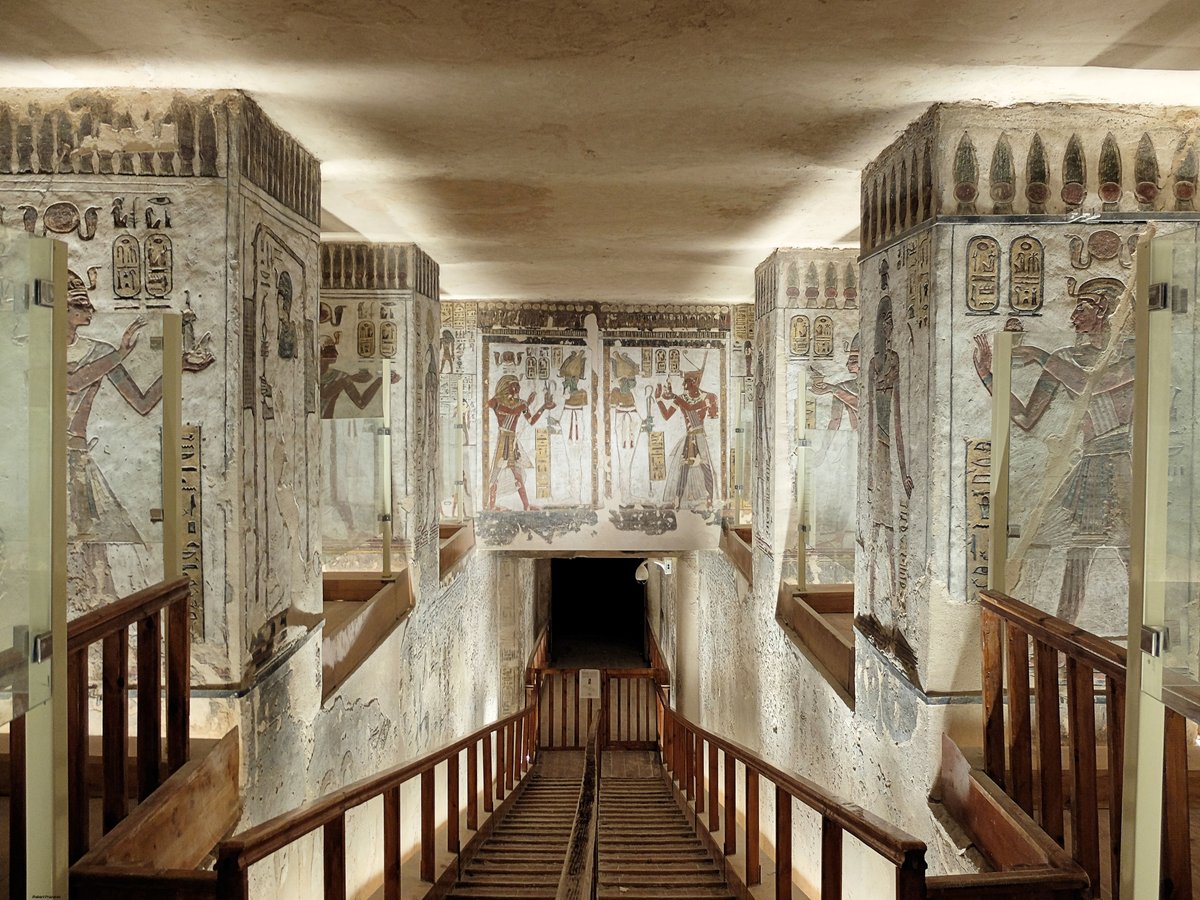
Further investigation of the site revealed a long passageway to the burial chamber, where only the beginning section was decorated before work stopped. A side passage was attempted on the left side of the final corridor but was halted after workmen cut into Side Chamber Ja of the tomb of Tia'a (KV32) on the opposite side of the hill. Modern excavations by the University of Basel's MISR Project in the early 2000s cleared remaining debris and revealed traces of decoration in the antechamber.
Sources: Wikipedia, OpenStreetMap, Wikidata, Wikimedia Commons
Written by Mutabor
Discuss this with the author and others
No comments yet. Be the first to start the conversation.