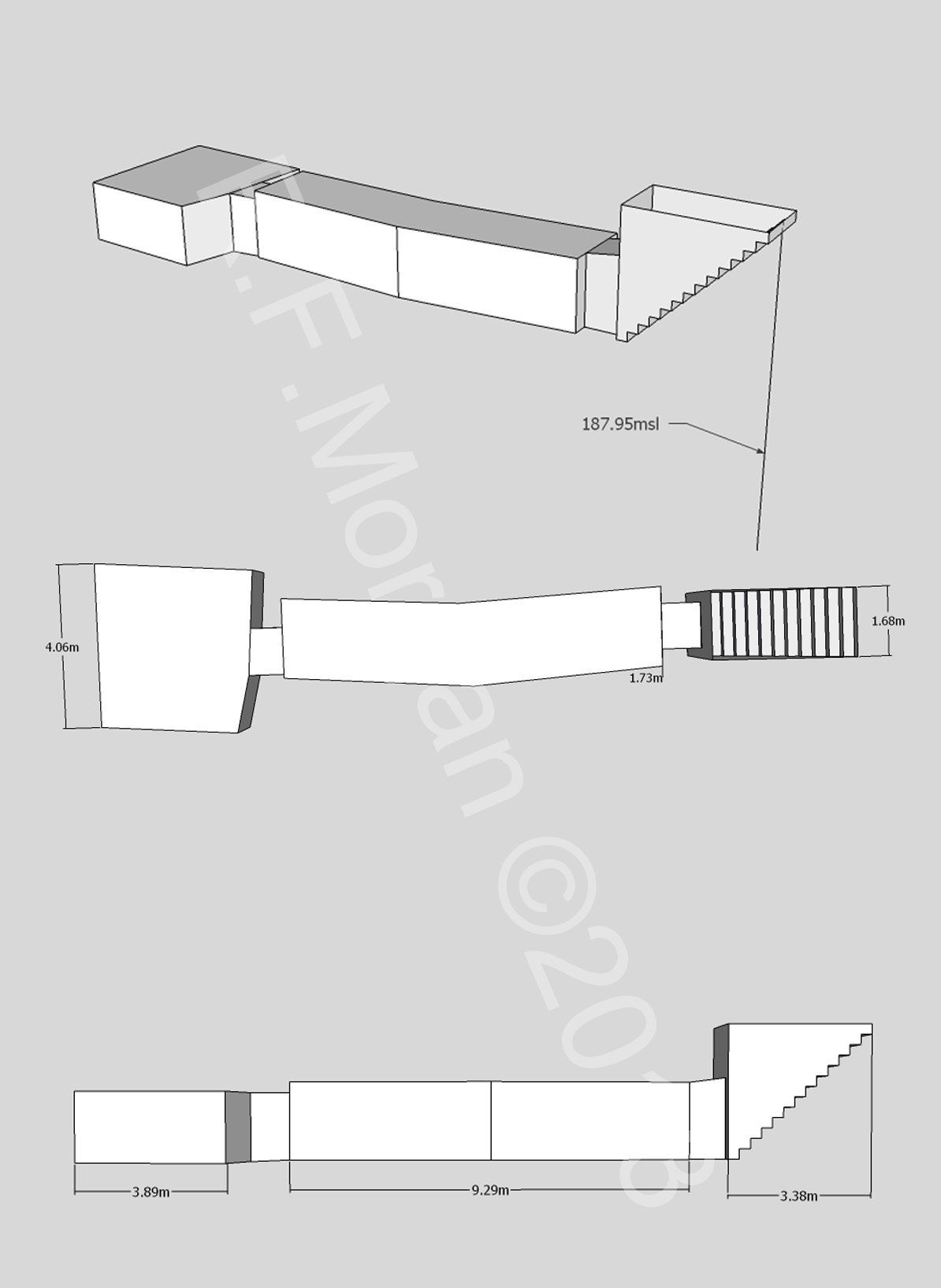

Tucked away in the Valley of the Kings, a place where the spirits of the ancient past still linger, lies the enigmatic tomb of KV37. It rests near the grand resting place of Thutmose III, marked by the bones of a vanished king and glistening white vases. The passage to this tomb is veiled by the passing of time and nestled in a hidden side branch from the south side valley. Believed to have been used for a burial during the mystical Eighteenth Dynasty, this tomb has eluded the identity of its royal occupant.
The passage of centuries has kept its secrets hidden. In the year 1899, the veil was lifted by the famed French archaeologist Victor Loret, who uncovered shattered remnants of ostraca and objects adorned with the names of Thutmose IV and Seti I, as well as pottery vessels. More recently, in 2016, the University of Basel's Kings’ Valley Project returned to unveil the tomb's entrance and meticulously clean the monument. Their work revealed the remains of no fewer than 29 large storage jars, red mason’s marks on the walls, and detailed modern documentation of this forgotten tomb.
The chamber, filled with debris, was densely blanketed in a fine layer of sand. Pieces of broken pottery, only noticed by the discerning eye of Elizabeth Thomas, were found clustered in the room's center. To the tune of enchantment, these shards were carefully collected, cleaned, and reconstructed, with an initial estimation of 29 jars. Later study refined this count to 29 jars, with several fragments much worn by the passage of time. The tomb was detailed and photographed in intricate maps, revealing several red masons' marks on the walls of the entrance passageway.
At the conclusion of the enchantment, an iron door was placed at the base of the stairs to bar the tomb from further accumulation of debris.
Sources: Wikipedia, OpenStreetMap, Wikidata, Wikimedia Commons
Written by Mutabor
Discuss this with the author and others
No comments yet. Be the first to start the conversation.