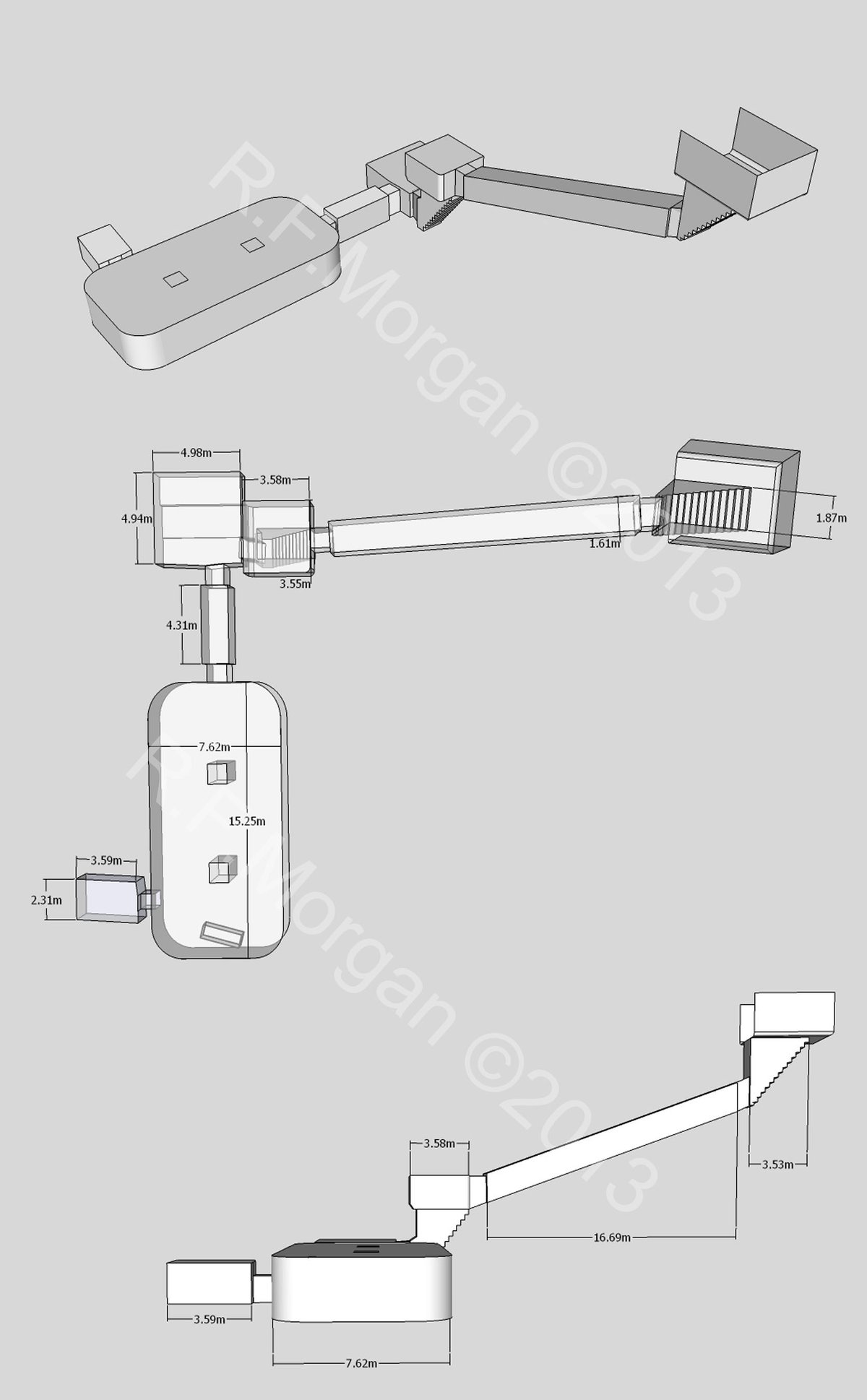

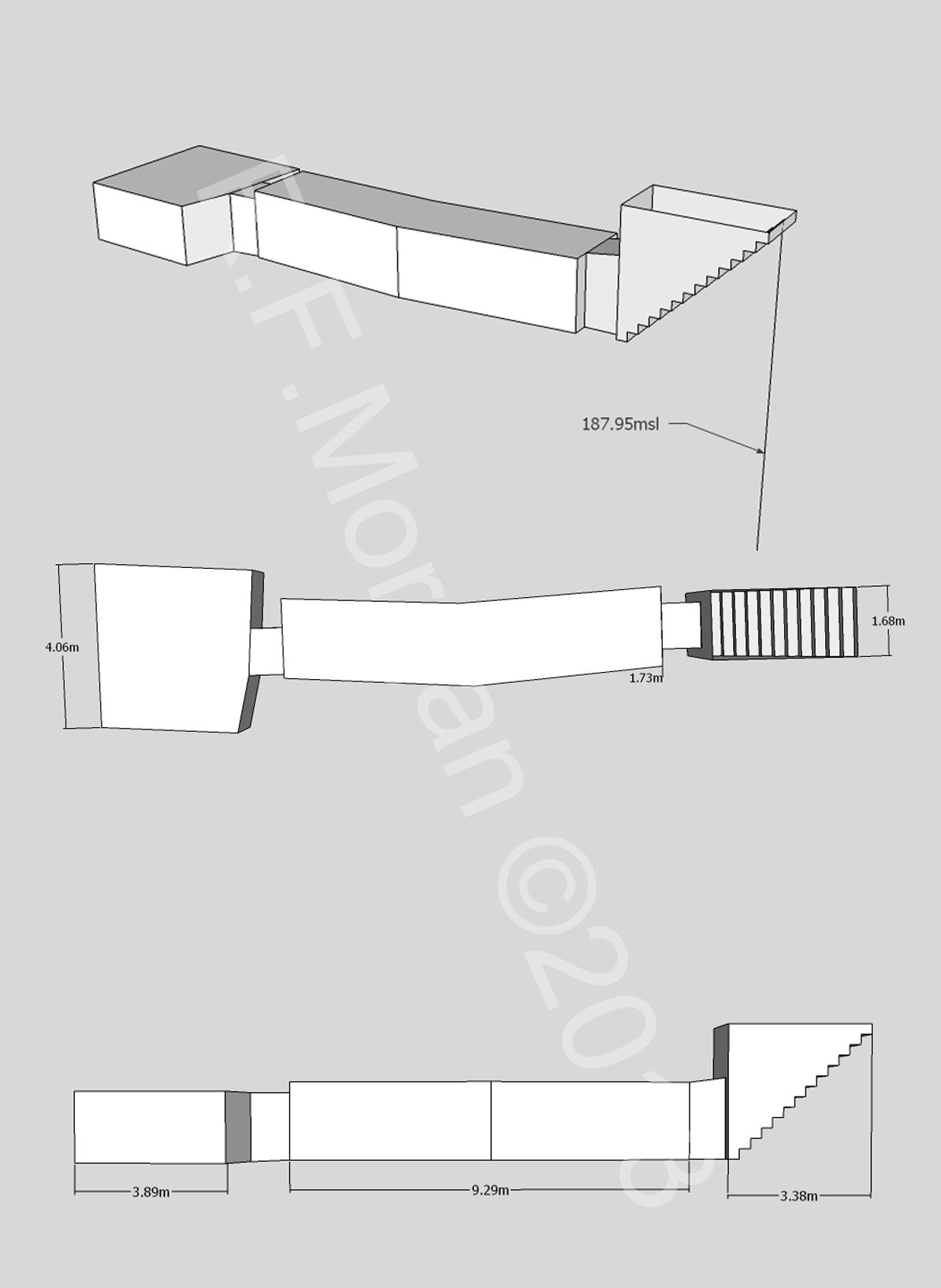
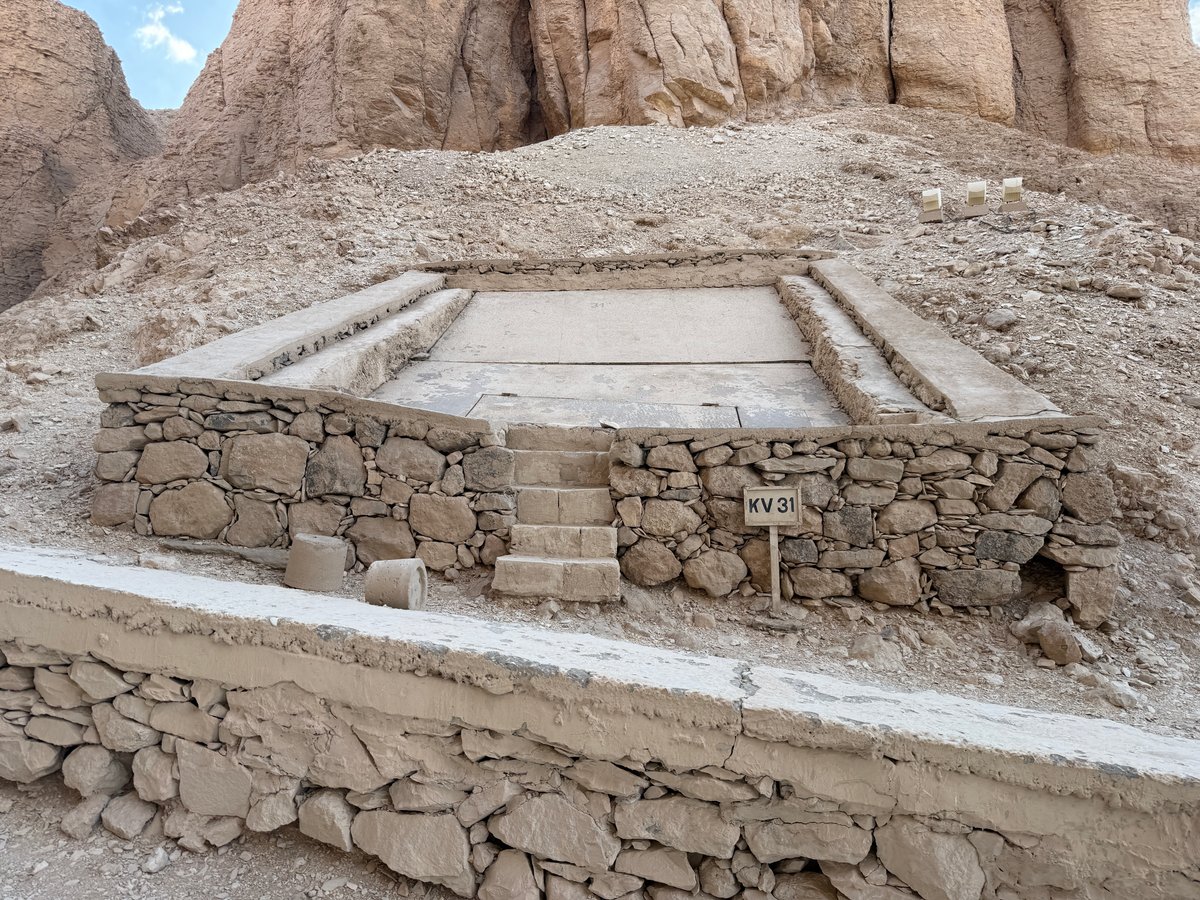
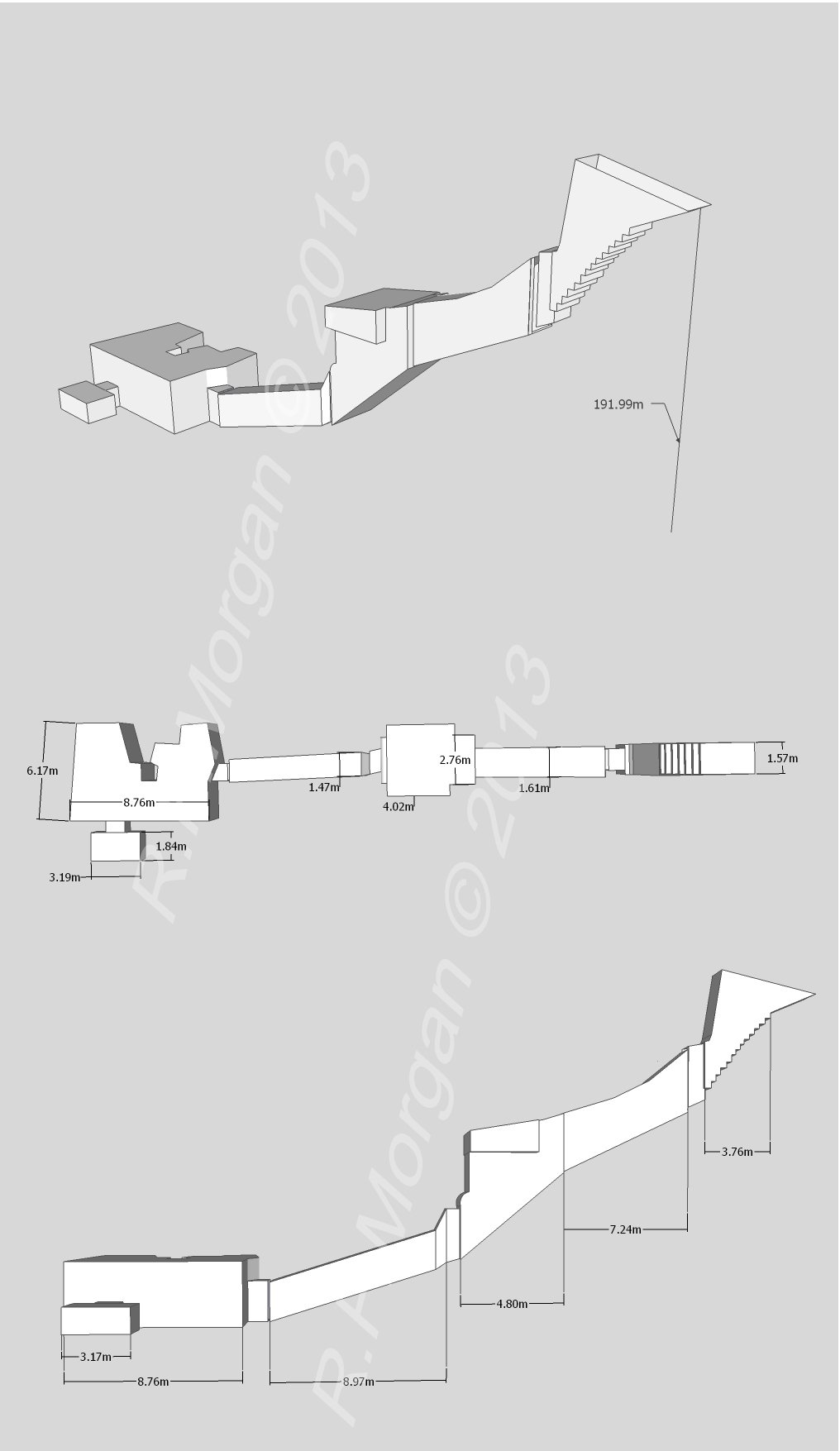
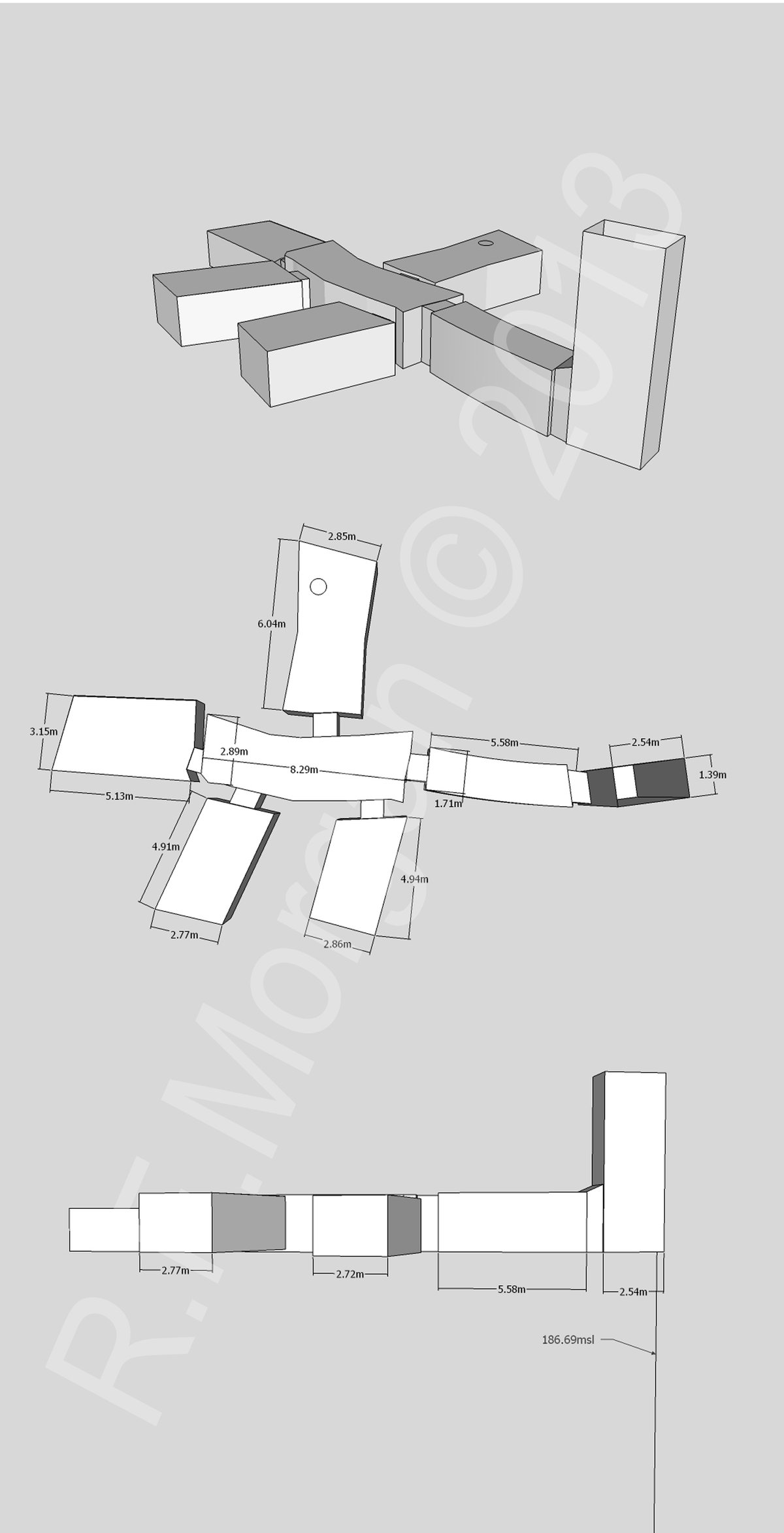
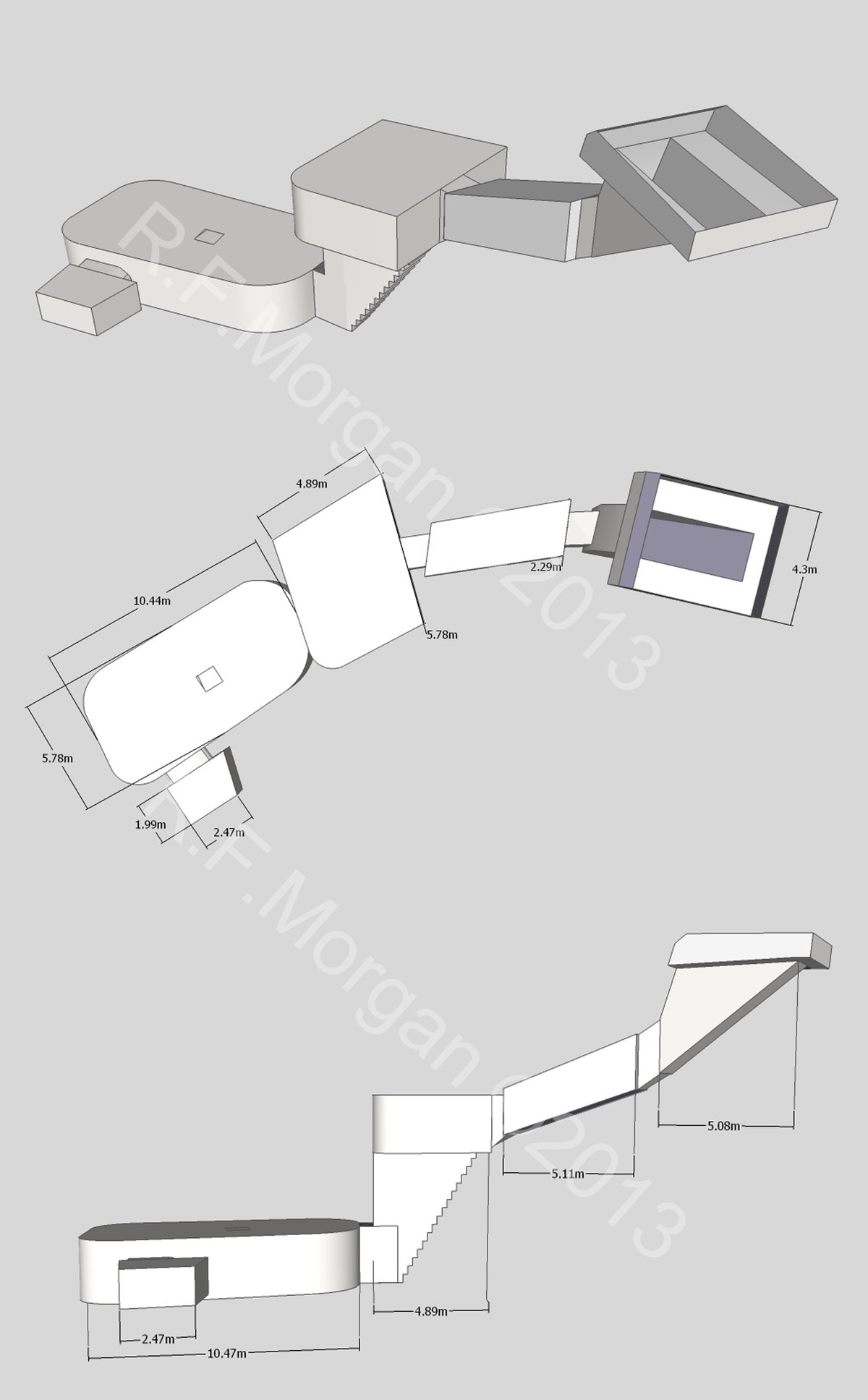
In the Valley of the Kings near Luxor, tomb KV42 was constructed for Hatshepsut-Meryetre, the wife of Thutmose III, though she was not buried there. It may have been reused by Sennefer, a mayor of Thebes during the reign of Amenhotep II, and several members of his family. The tomb features a cartouche-shaped burial chamber, a style common to other early Eighteenth Dynasty tombs.
The tomb was uncovered by two local Copts, Chinouda Macarios and Boutros Andraos, in late 1900. Howard Carter noted in his report that the site was known to Monsieur Loret some eighteen months previously, suggesting the locals may have obtained information from his workmen. Excavation began on 27 November 1900. It was immediately apparent that the tomb had suffered from ancient robbing and had been inundated with water.
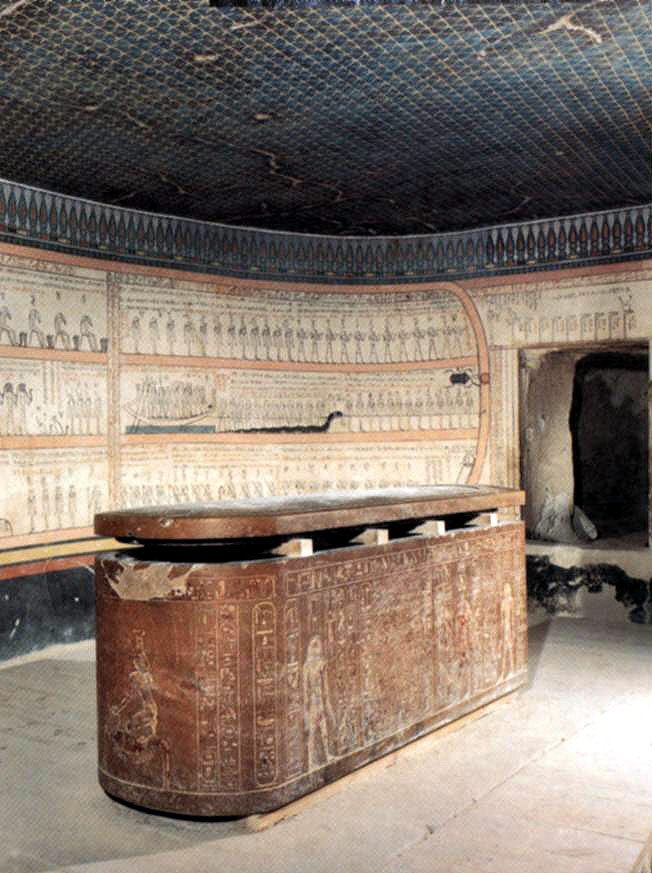
Inside, the former plundering was evident as funereal furniture, vases, and Canopic jars were mashed and lying about the ground. In the cartouche-shaped burial chamber sat an unfinished stone sarcophagus with its lid propped up by a piece of wood. A set of well-preserved canopic jars belonging to Sentnay, the wife of Sennefer, was found. Analysis of embalming balm from two of these jars identified they were composed of a complex blend of plant oils, beeswax, fat, bitumen, and resins. Also found were fragmentary jars and an alabaster offering table inscribed for a woman named Baketra who bore the title "royal ornament."
Other finds included four canopic jar lids in the form of bearded heads which Carter suggested belonged to Sennefer, along with model vessels inscribed for both Sennefer and Sentnay. While the wood had rotted, evidence remained of sledge-style bases and wooden coffins with ivory inlay that fell to pieces when touched. Carter suggested the tomb was robbed for metal during the Twenty-second Dynasty, noting the discovery of gold leaf and a gold inlay rosette. He also suggested the tomb was reentered in comparatively late times, as antiquities were found scattered on the dry mud inside and pottery vessels were found on the steps outside the burial chamber.
Sources: Wikipedia, OpenStreetMap, Wikidata, Wikimedia Commons
Written by Mutabor
Discuss this with the author and others
No comments yet. Be the first to start the conversation.