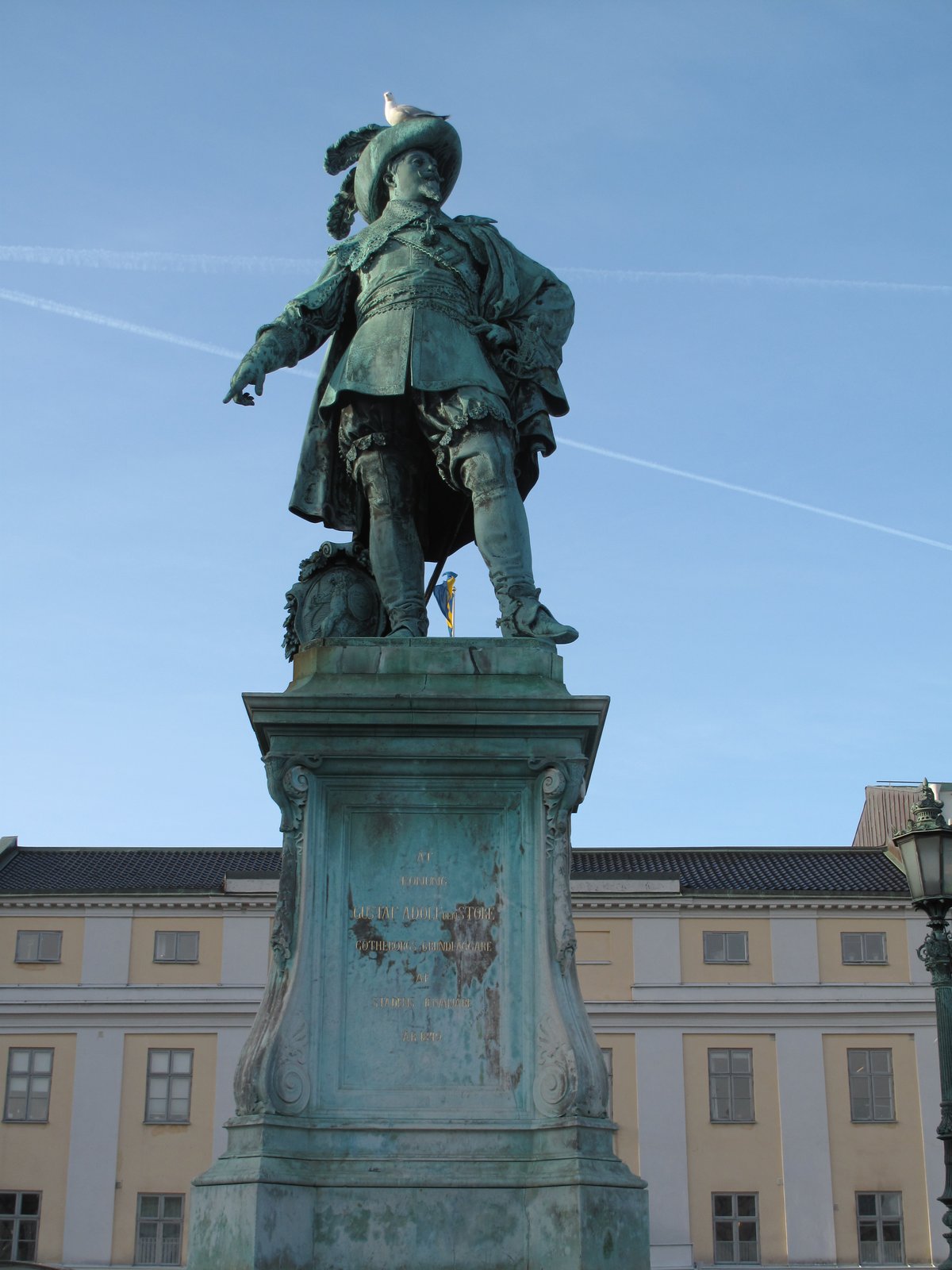

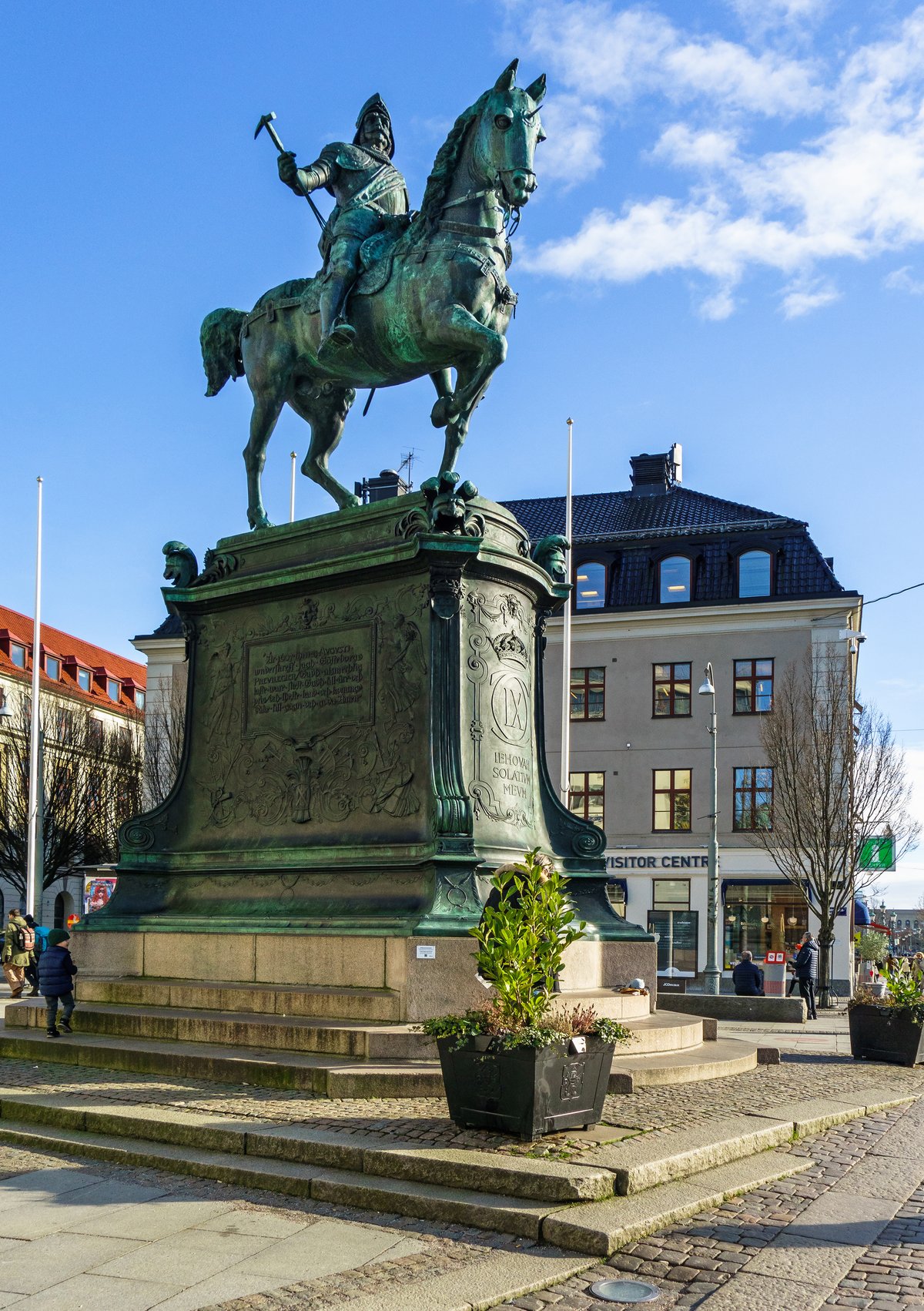
The enduring presence of the Gustav II Adolf bronze marks the beginning of Gothenburg's public art history, though its path to the city square was defined by persistent challenges. The initiative began in 1845 when a public collection was launched to fund a memorial. The task of creating a sculpture that depicted the king pointing toward the city's origins fell to professor Bengt Erland Fogelberg.
Initial technical obstacles nearly halted the project as Fogelberg encountered issues with metal quality and furnace heat. After further complications, a statue was eventually cast in Munich in 1851. Even then, the first successful casting faced a maritime crisis when the transport ship, the skonert Hoppet, ran aground near Helgoland and filled with water.
Though workers salvaged the statue and applied tar to protect it from the elements, the monument remained stranded for years. A local newspaper even suggested an auction in 1852 to find a new owner for the piece. Bidding reached 5,225 marks before stopping, leaving the statue on the beach. Consequently, Gothenburg ordered a fresh casting from the director F. von Miller in Munich to ensure the monument arrived safely.
We can now observe the statue standing on its marble pedestal and granite base. This monument remains a testament to the monarch who gave Gothenburg its name, standing tall after a long and complicated journey.
Sources: Wikipedia, OpenStreetMap, Wikidata, Wikimedia Commons
Written by Nik Frost
Discuss this with the author and others
No comments yet. Be the first to start the conversation.