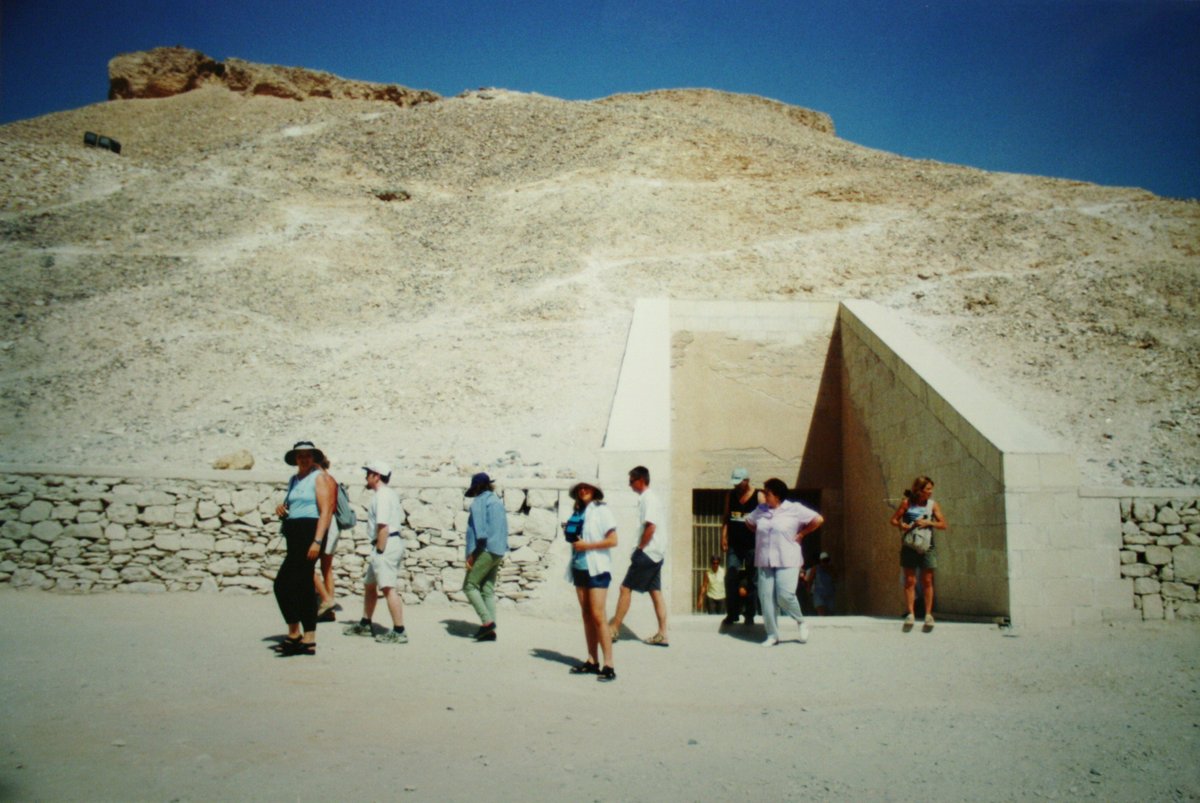

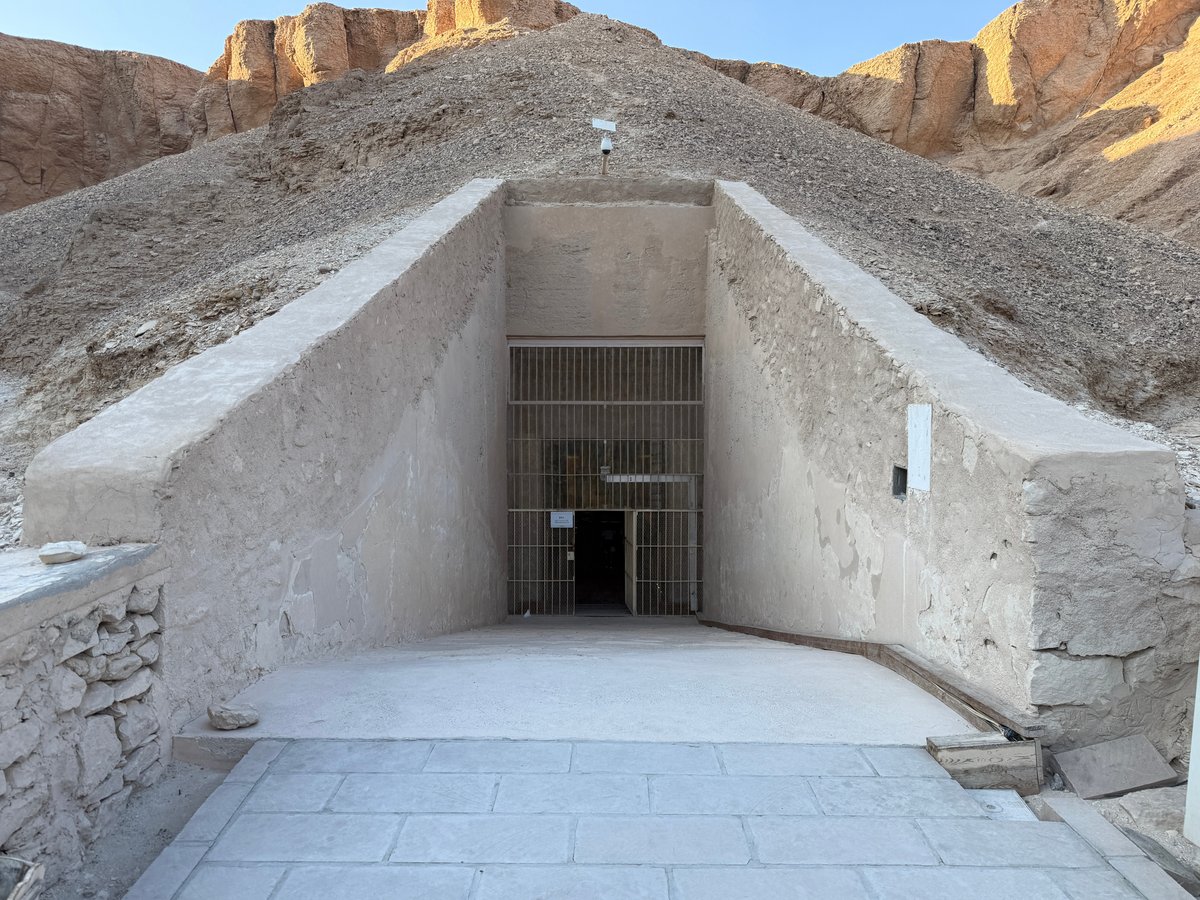
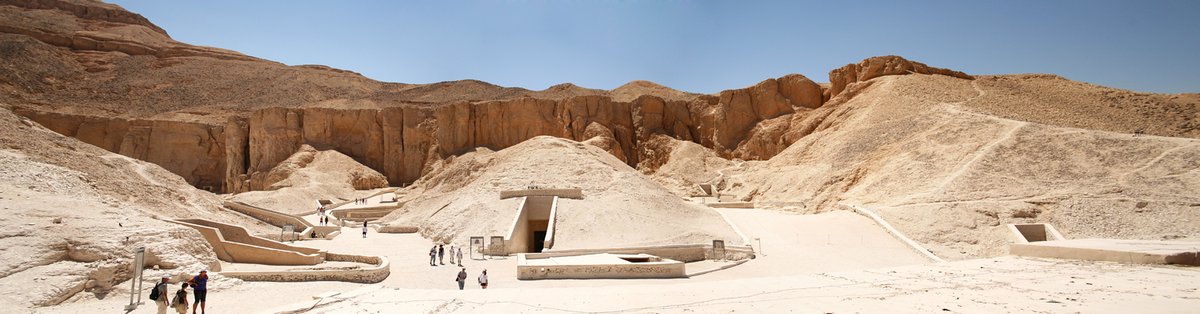
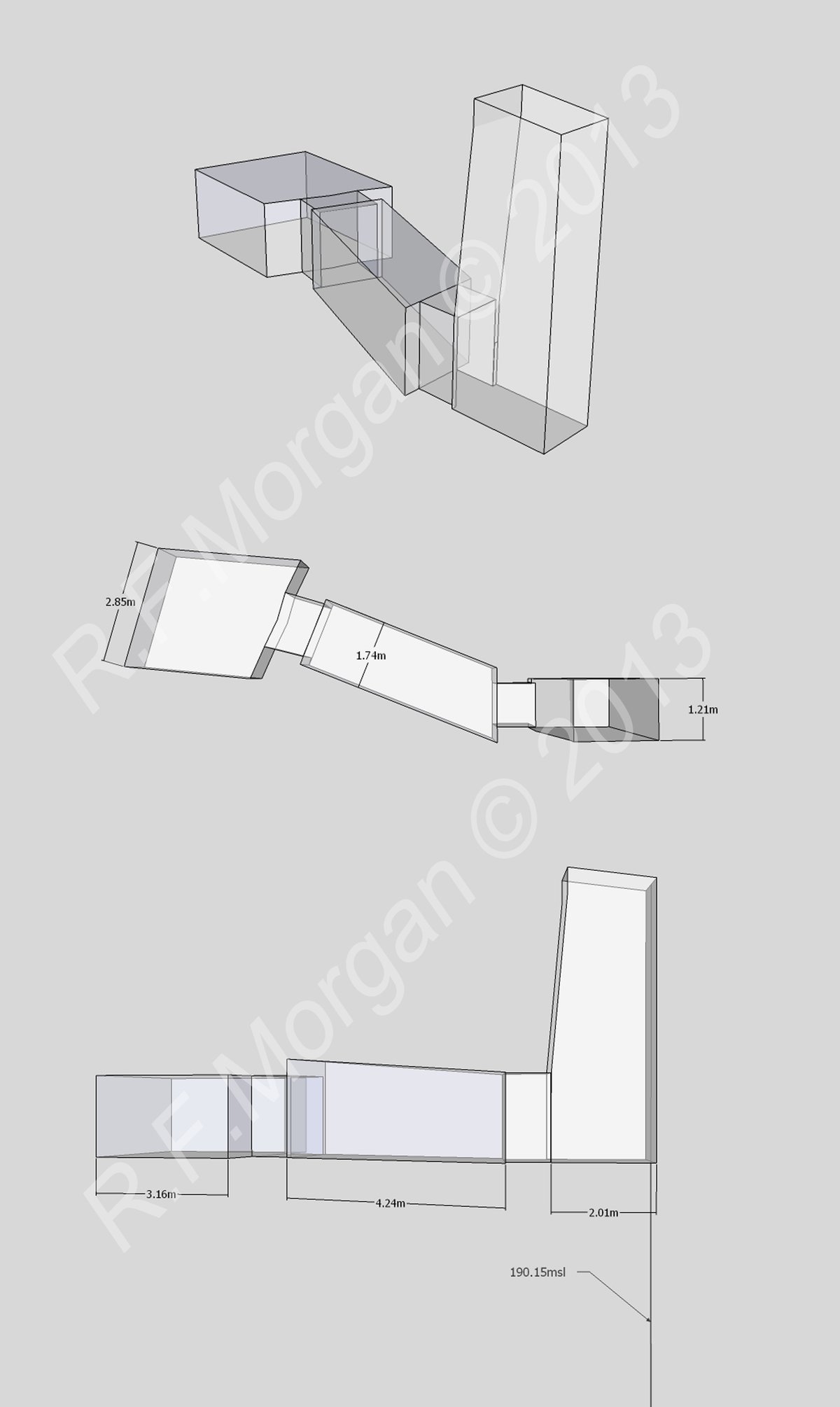
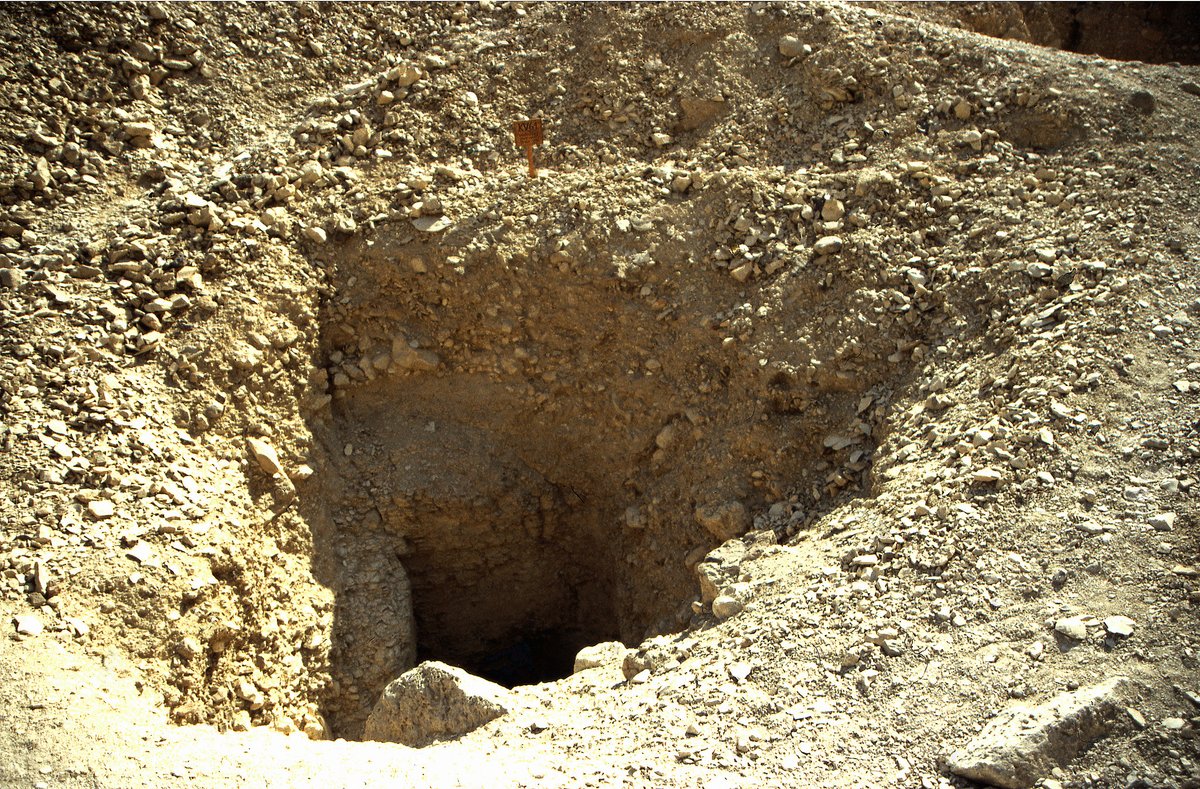
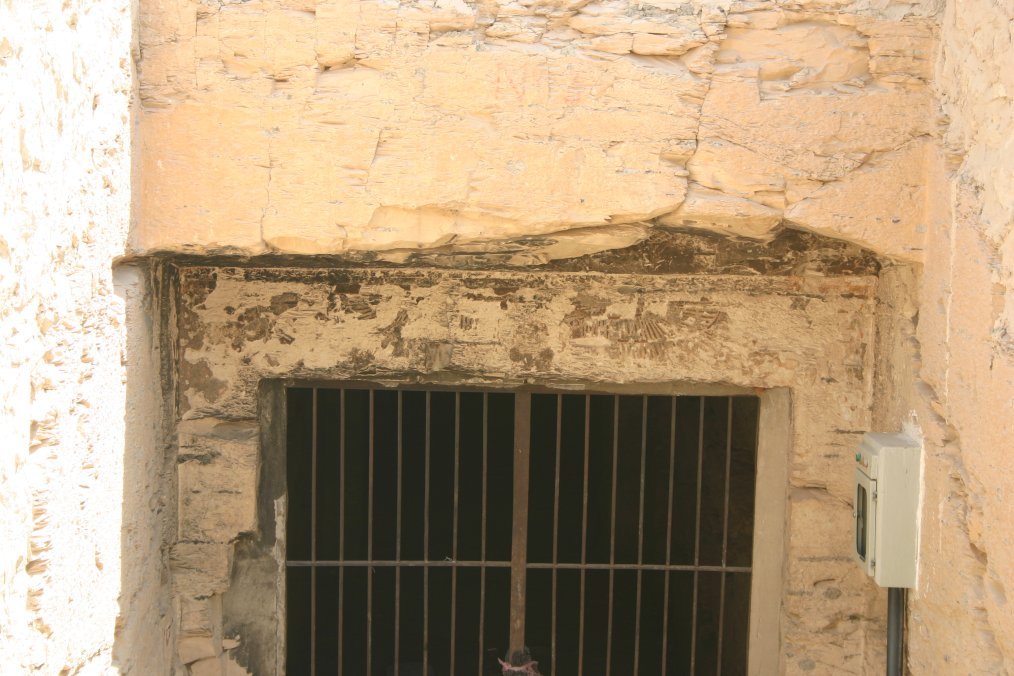
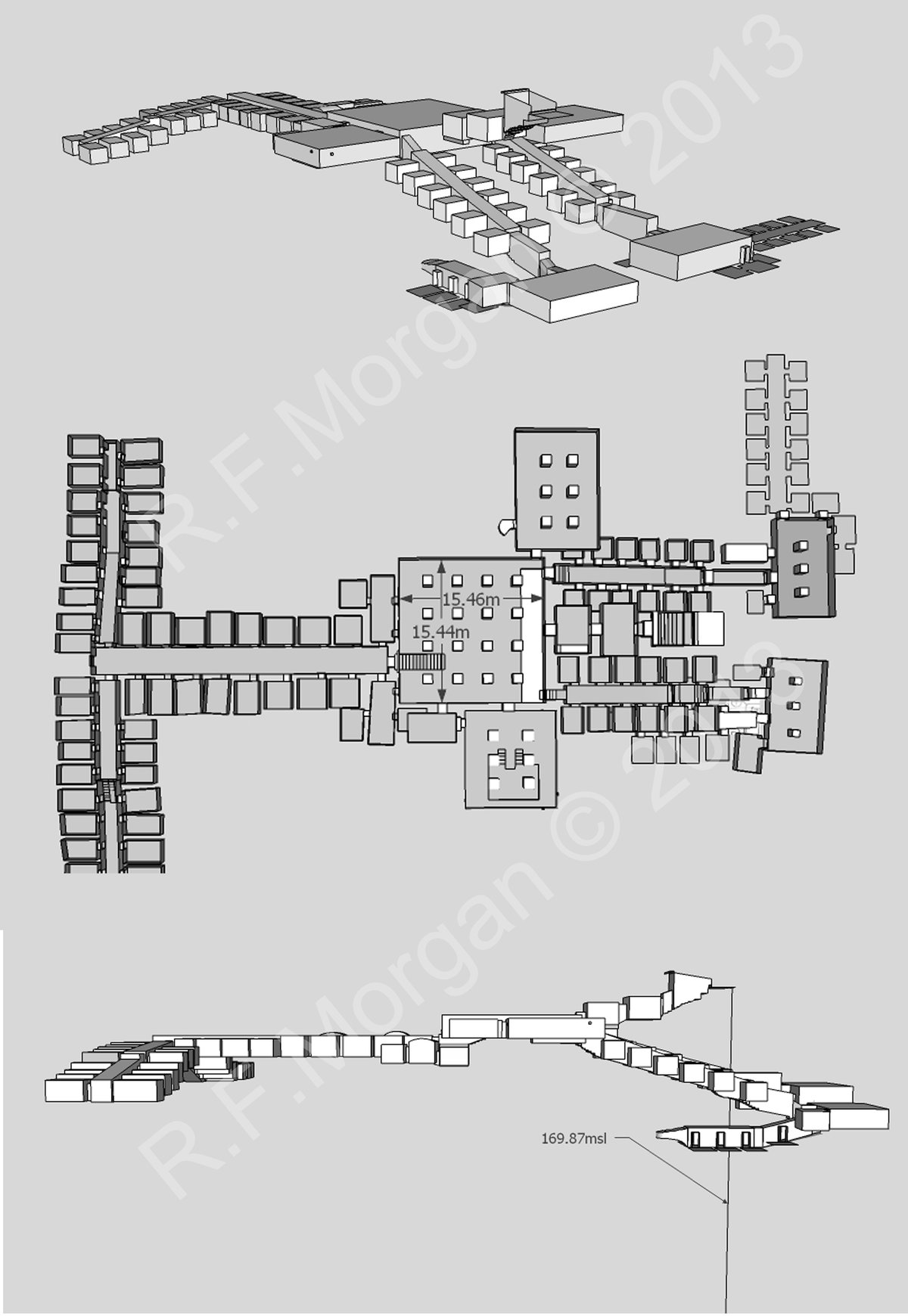
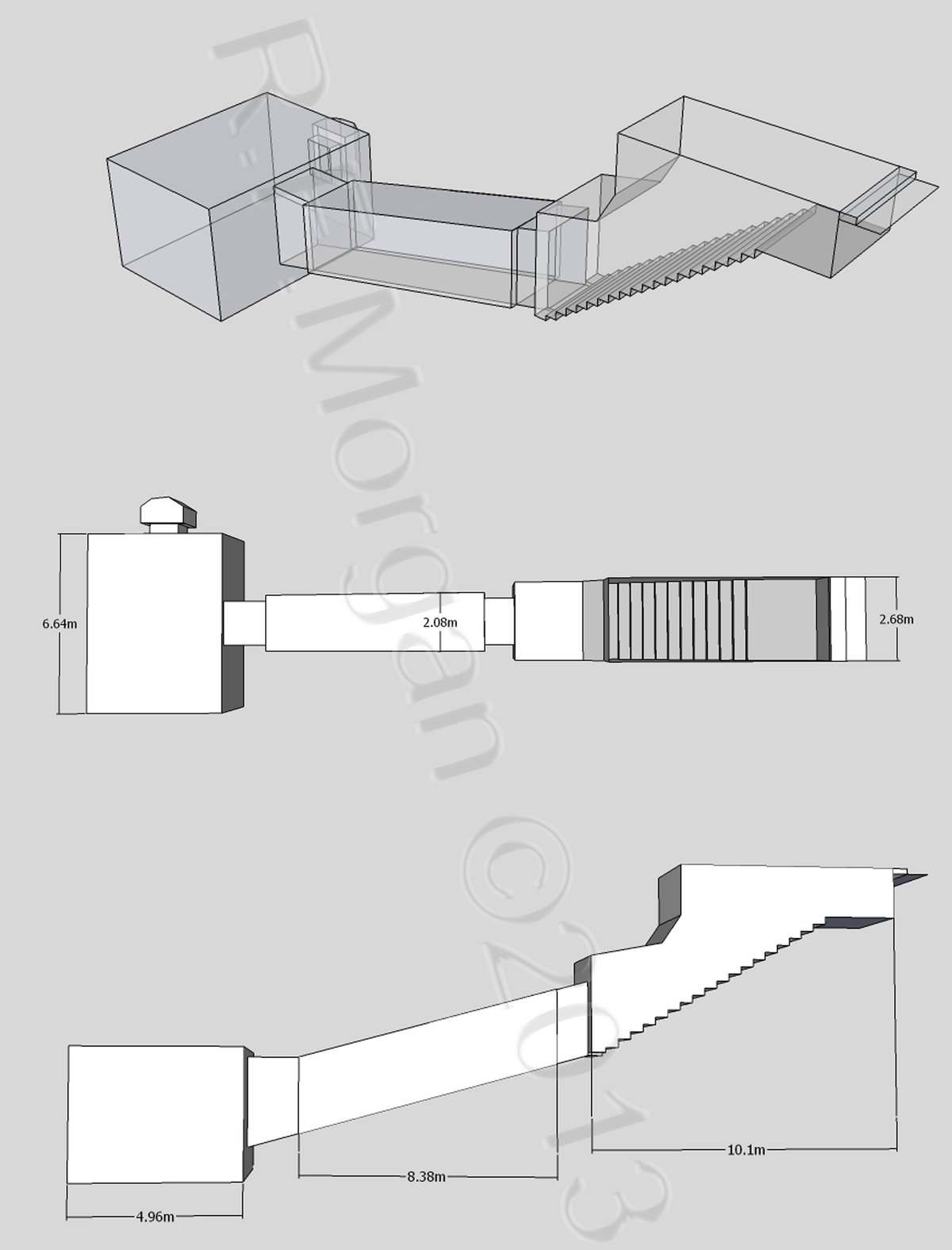
Tucked away in the Valley of the Kings, low in the main valley between KV7 and KV1, lies KV2 - the tomb of Ramesses IV. The tomb was constructed during the 20th Dynasty and has been open since antiquity. While the tomb was described as simplistic in its design and decoration, it was built with significant effort. To ensure a sizable tomb during his relatively brief six-year reign, Ramesses IV doubled the size of the existing work gangs at Deir el-Medina to a total of 120 men.
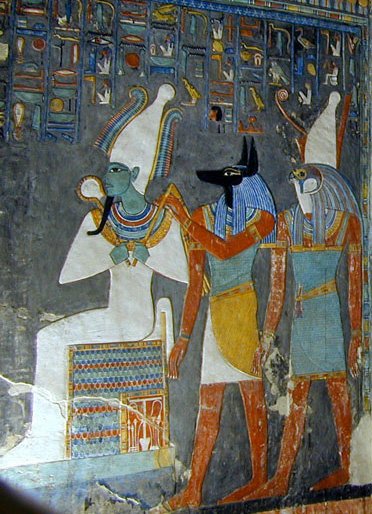
As you wander through its passages, you'll encounter scenes from the Litany of Ra, the Book of Caverns, the Book of the Dead, the Book of Amduat, and the Book of the Heavens. A unique papyrus plan of the tomb, now in the Egyptian Museum in Turin, provides a detailed 1:28 scale depiction of the passages and chambers. This plan also depicts the pharaoh's sarcophagus surrounded by four concentric sets of shrines, a layout identical to the shrines found intact within Tutankhamun's tomb.
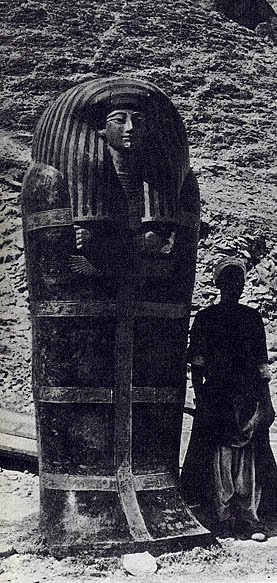
The tomb's sarcophagus is broken and the mummy was relocated to the mummy cache in KV35. Despite its age, the tomb remains a significant archaeological site, containing the second-highest number of ancient graffiti in the valley after KV9. These include 656 individual markings left by Ancient Greek and Roman visitors, along with about 50 examples of Coptic graffiti, most of which were sketched onto the right wall by the entranceway.
Sources: Wikipedia, OpenStreetMap, Wikidata, Wikimedia Commons
Written by Mutabor
Discuss this with the author and others
No comments yet. Be the first to start the conversation.