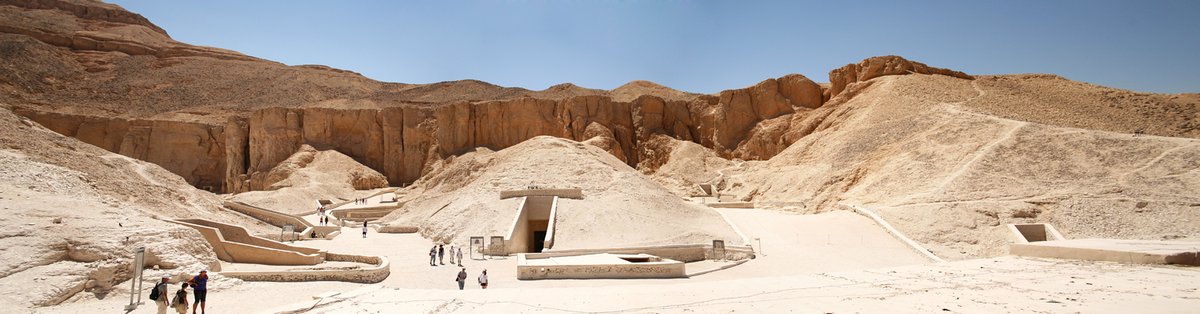

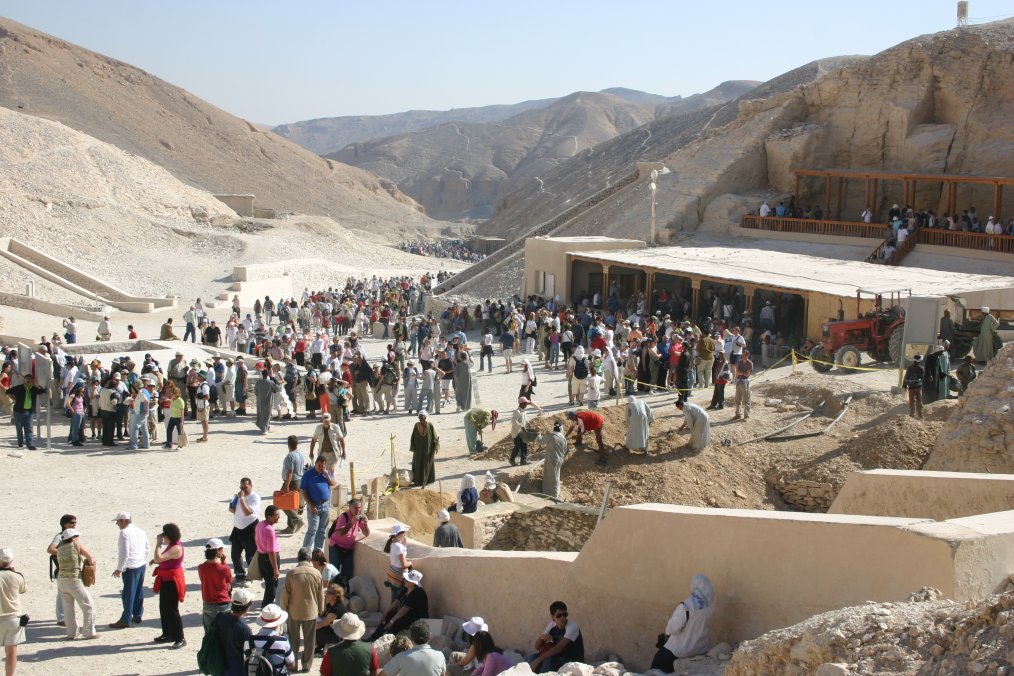
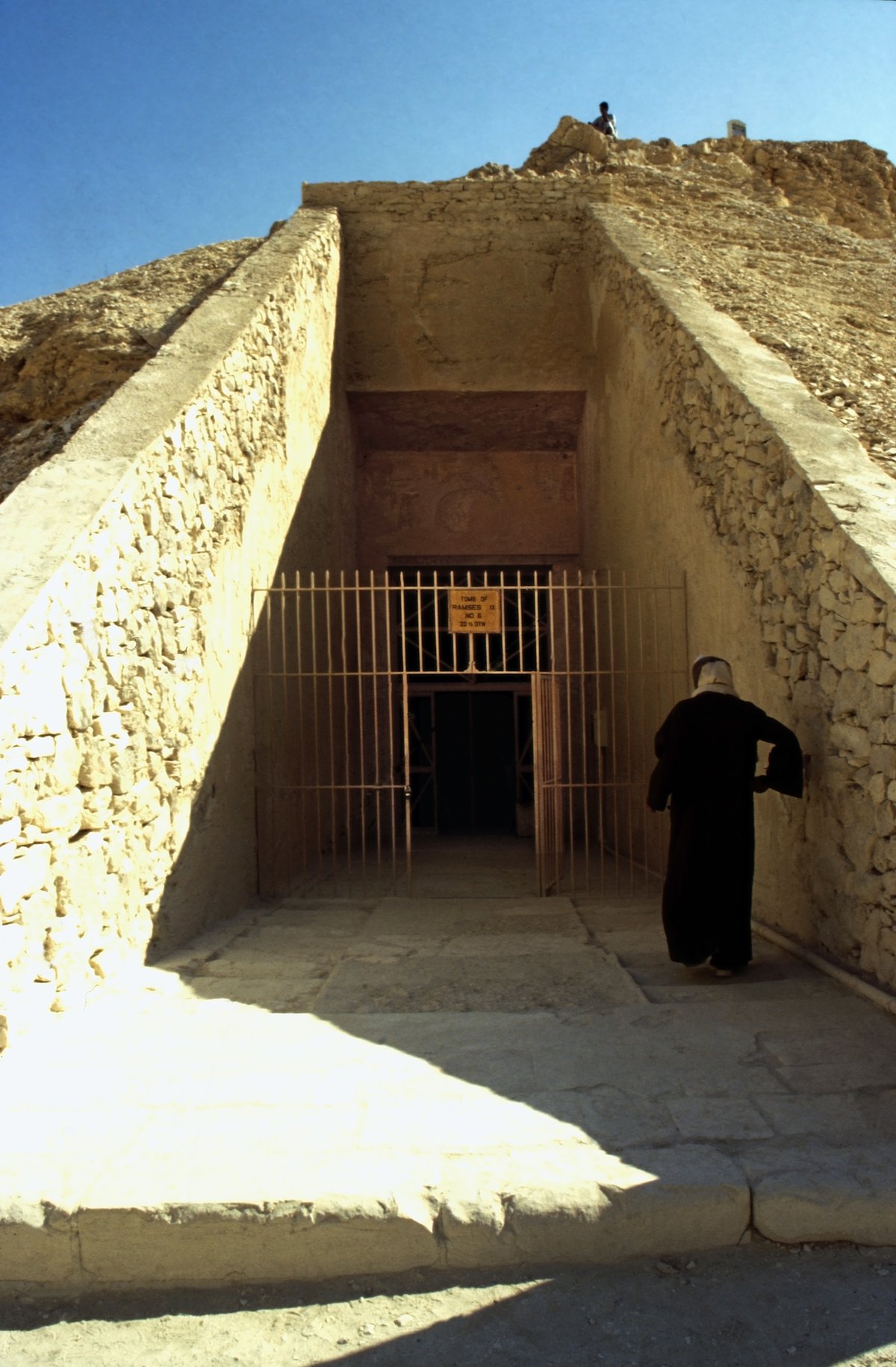
The valley floor holds a secret of stone and silt. In KV7, the tomb of Ramesses II, the Pharaoh sat in an unusual location at a low point where periodic flash floods have swept through the valley. The water brought with it mud and gravel, scouring the walls and damaging much of the decoration throughout the complex.
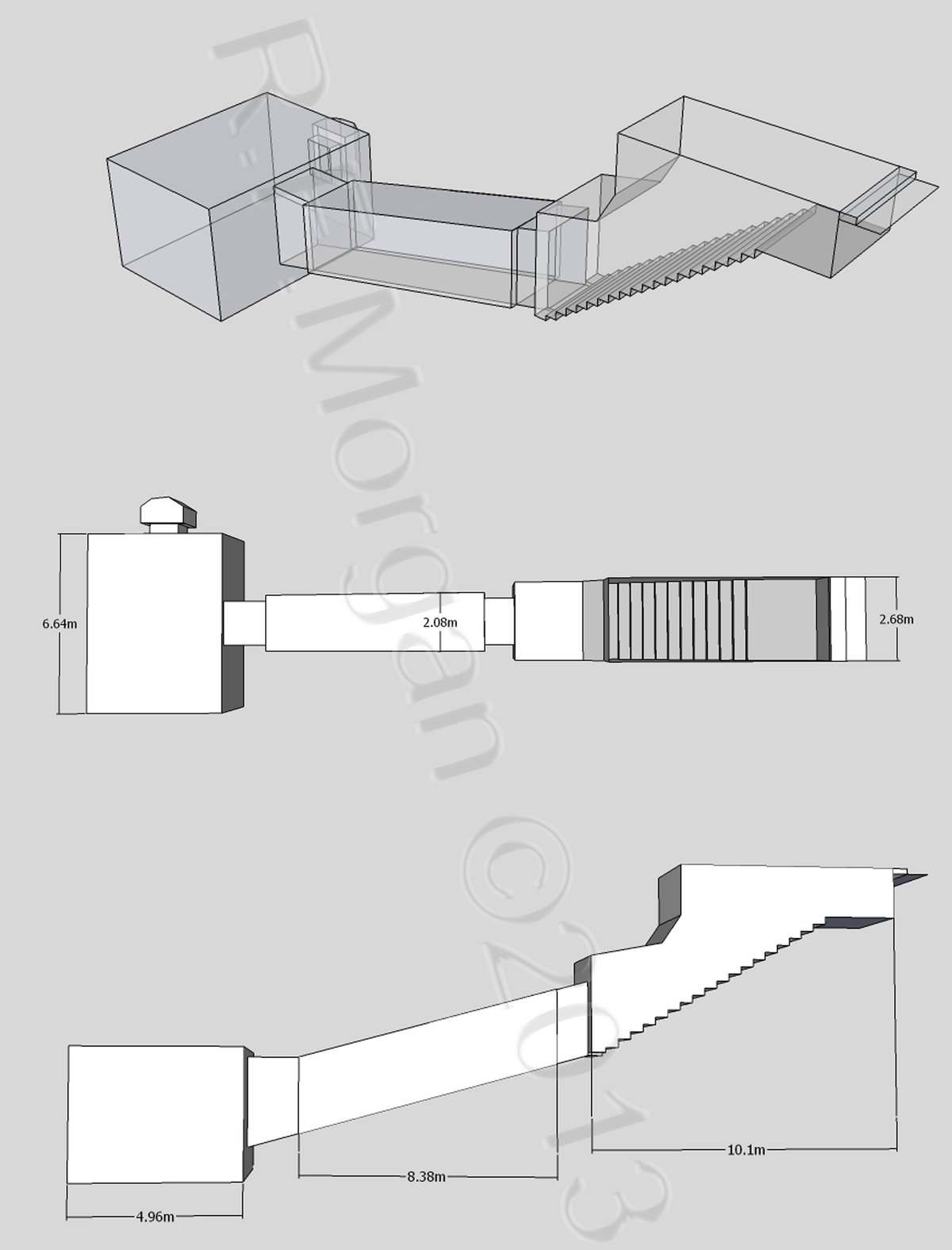
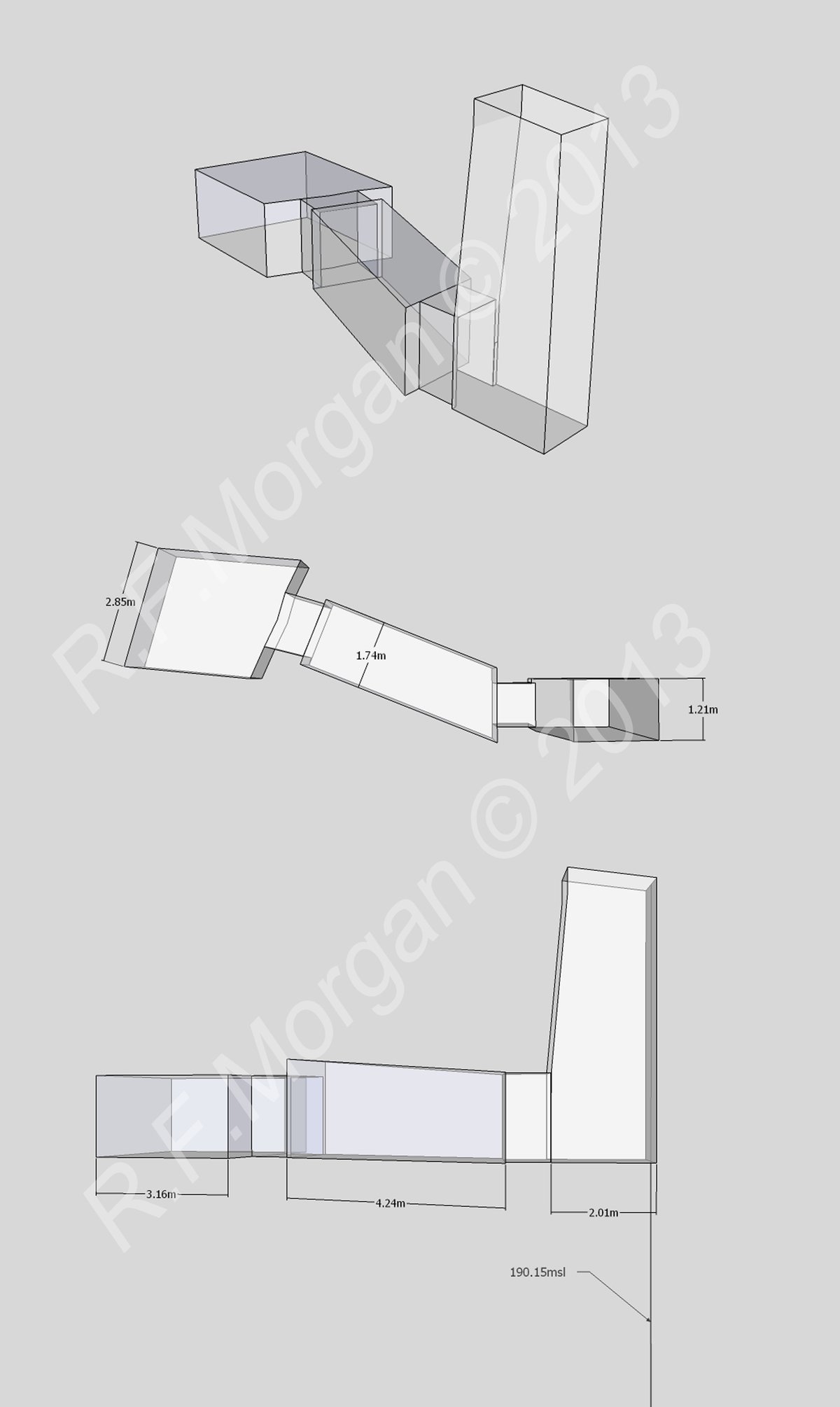
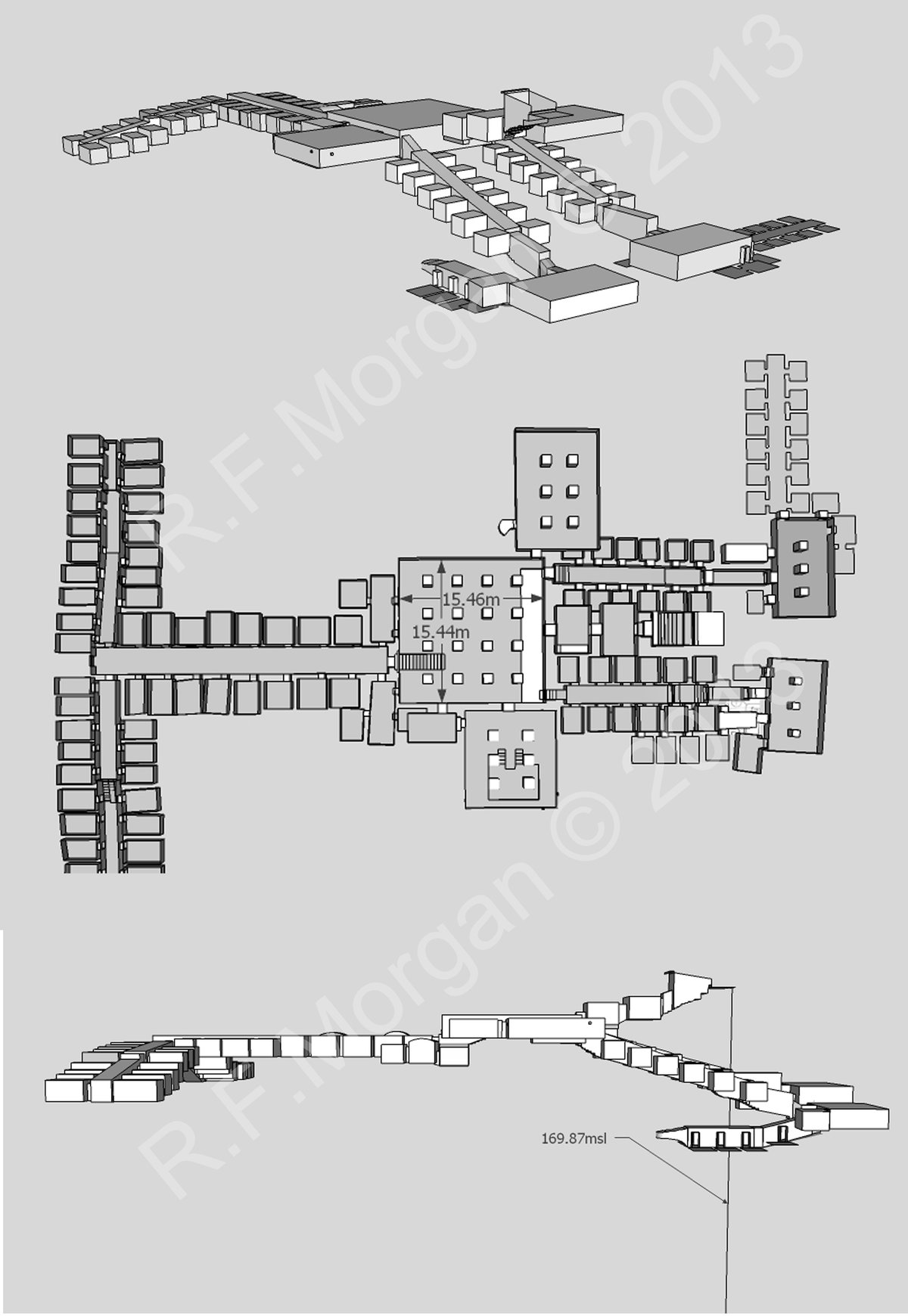
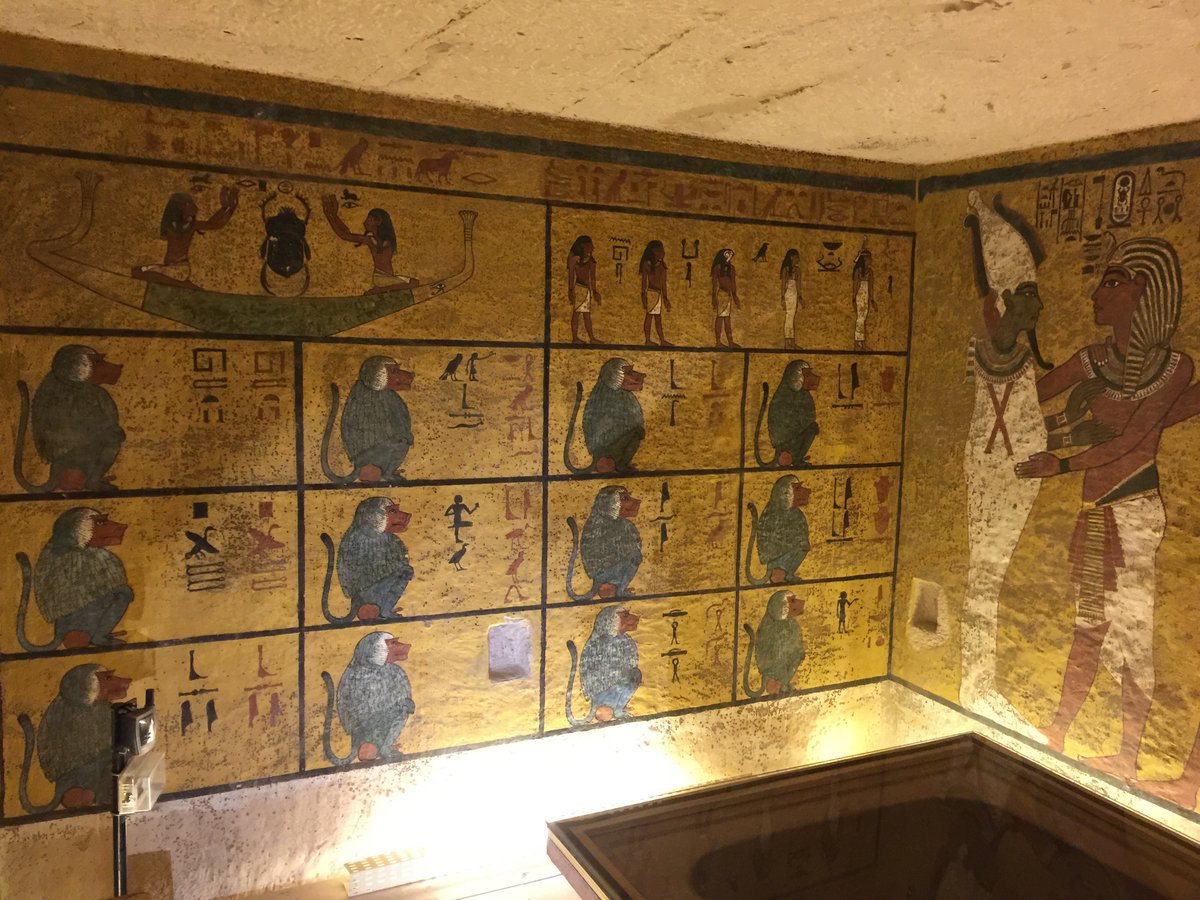
Down a passage that descends 58 meters into the limestone, the architecture follows a bent-axis plan. The first gate bears the names of the king, while later gates show the sons of Horus and the Litany of Re. Inside, the tunnels split into chambers and pillared halls. In a quiet recess, the name of Queen Nefertari appears - the only queen who appeared in her husband's tomb during the entire Ramesside Period.
Even the living could not keep the robbers out. During a strike by workmen in the 29th year of Ramesses III, the tomb was nearly broken into. The Pharaoh's mummy was hurried away to the tomb of his father, Seti I, and eventually to a mummy cache in DB320. The granite sarcophagus that once held his body was left behind, eventually reused by a high priest named Menkheperre around 1000 BCE.
While the royal mummy is preserved elsewhere, KV7 remains a record of the pharaoh's power. Visitors from the Third Intermediate and Roman periods left potsherds in the burial chamber and nearby antechamber, and some Greek travelers even carved their names into the first corridor. Today, the site stands as a record of both royal grandeur and the persistent force of the river's floods.
Sources: Wikipedia, OpenStreetMap, Wikidata, Wikimedia Commons
Written by Mutabor
Discuss this with the author and others
No comments yet. Be the first to start the conversation.