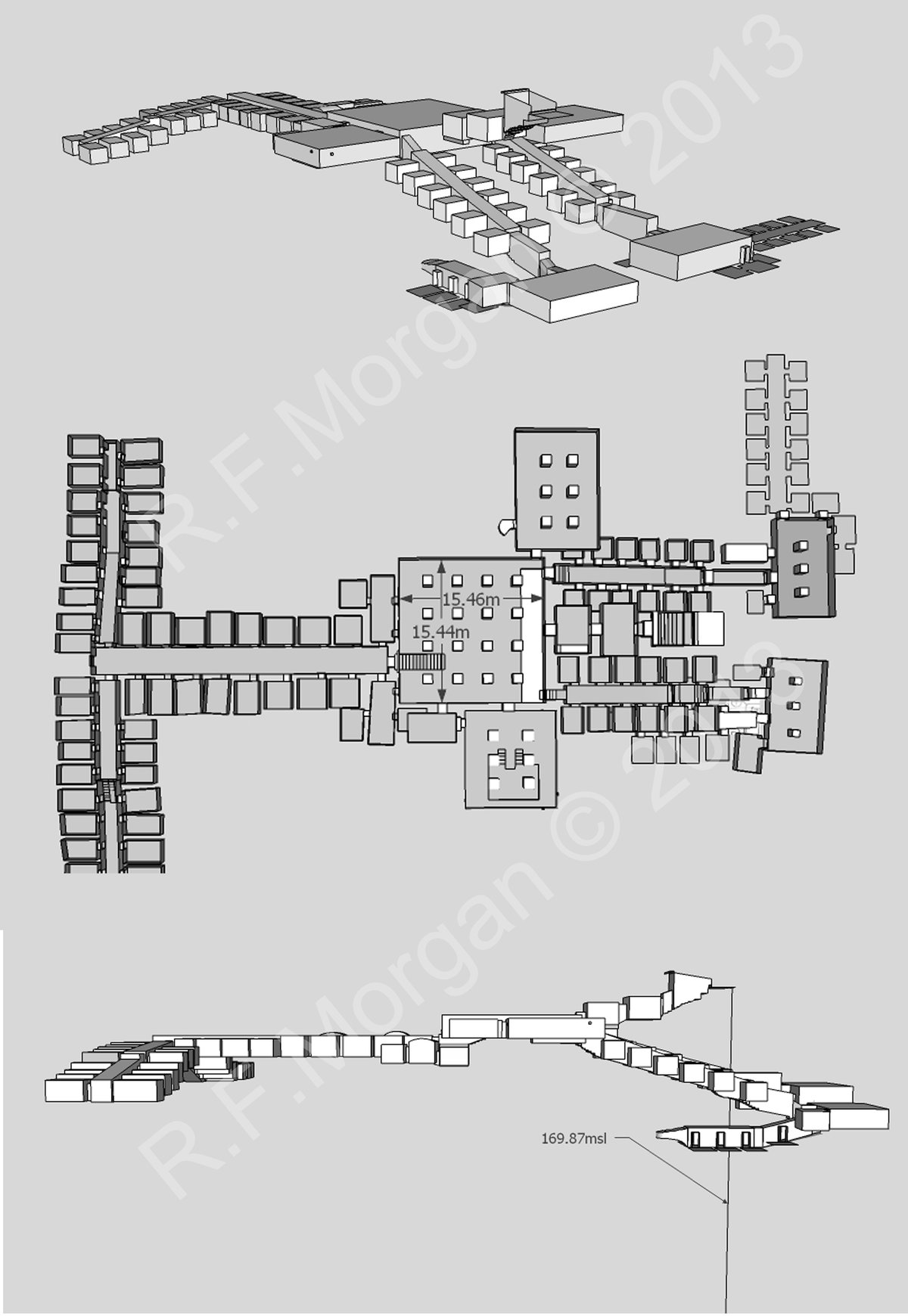

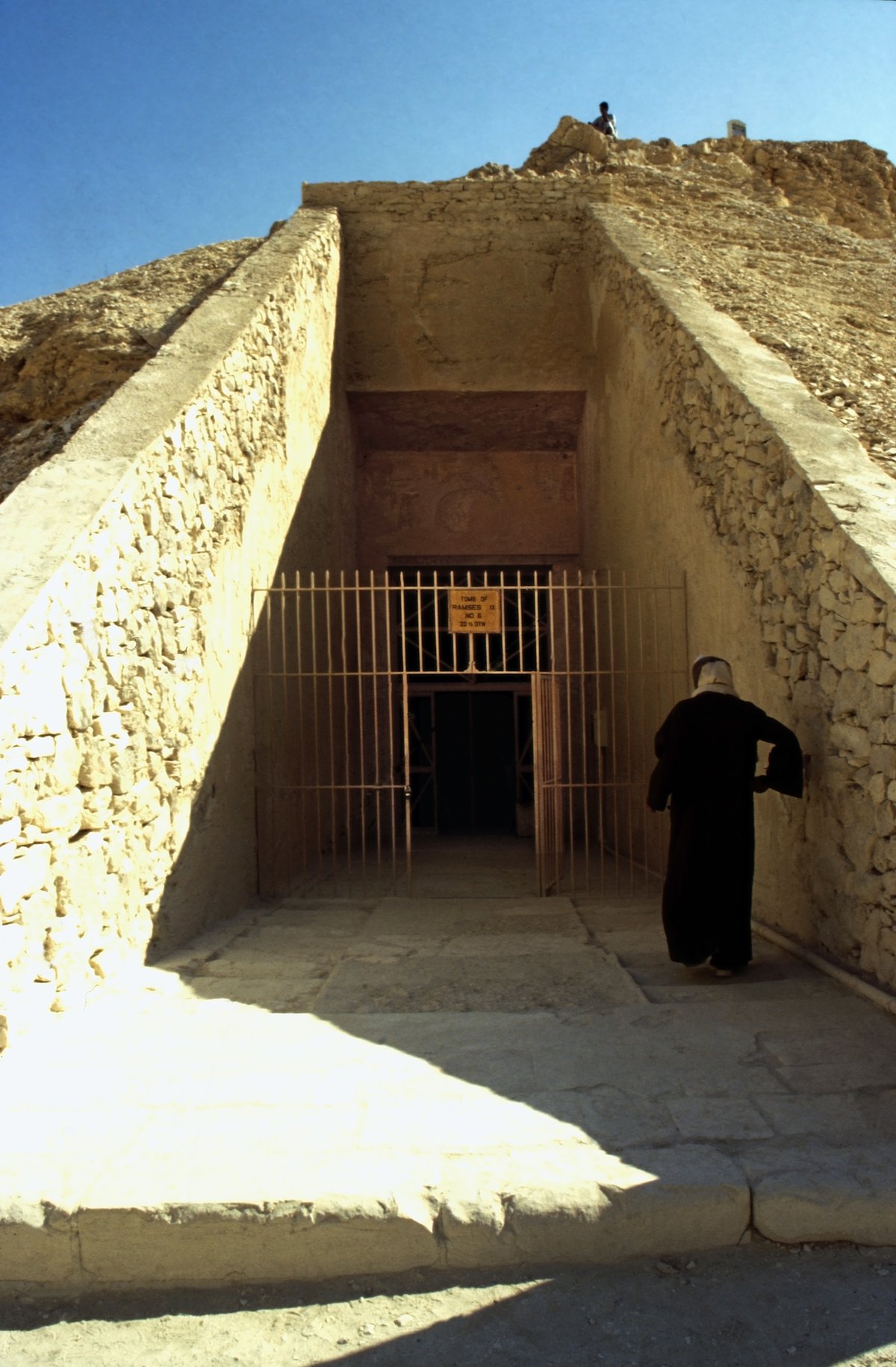
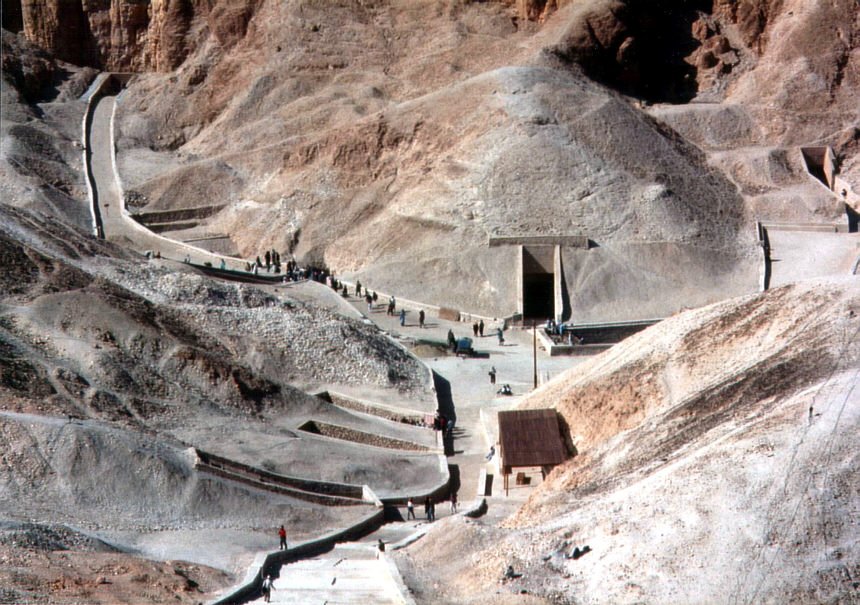
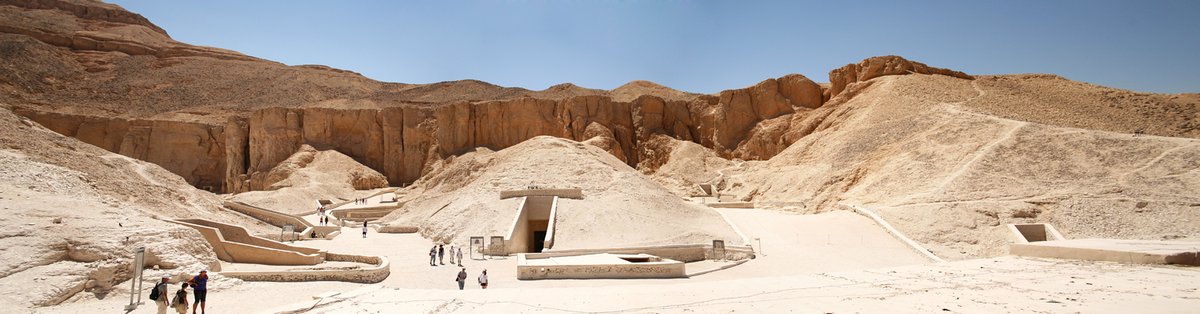
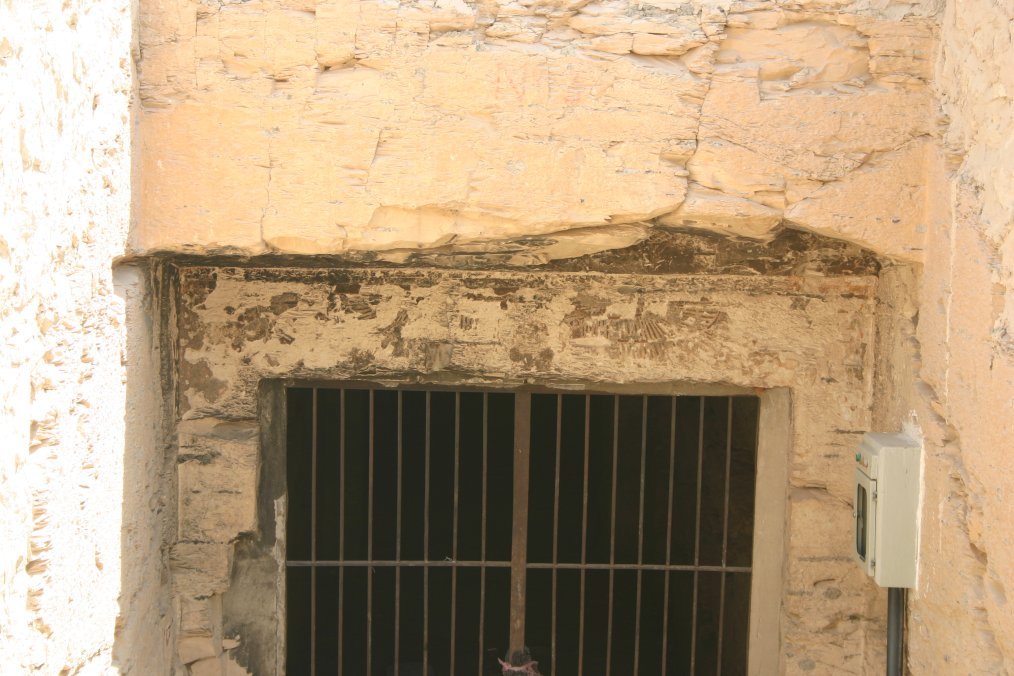
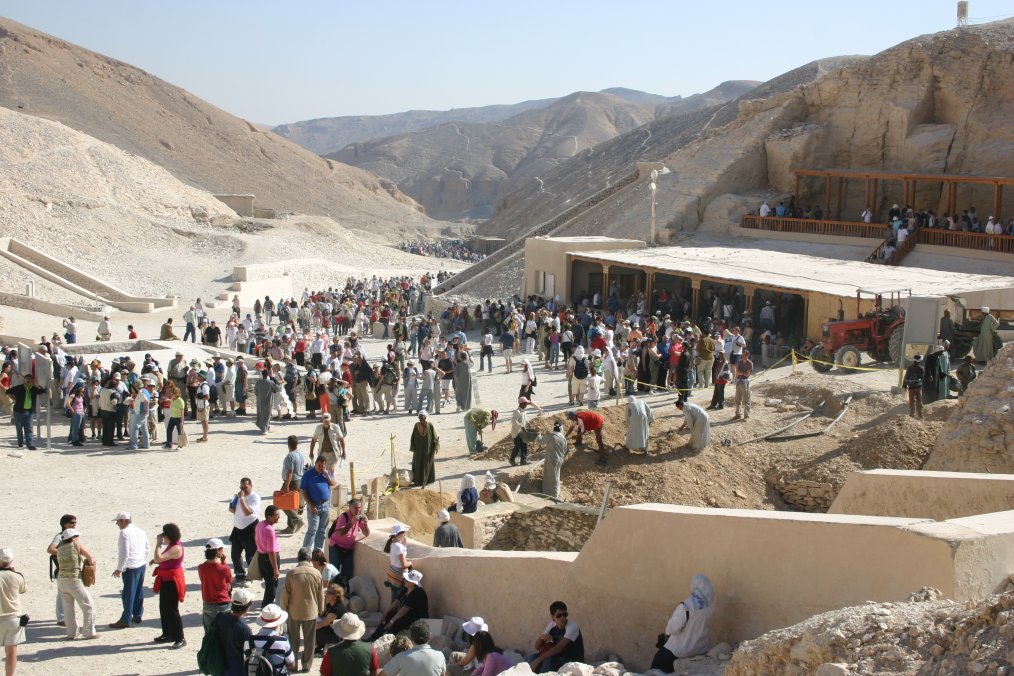
Tomb KV5 is a subterranean, rock-cut tomb in the Valley of the Kings belonging to the sons of Ramesses II. Although partially excavated as early as 1825 by James Burton, its true extent was not discovered until 1995 by Kent R. Weeks and his exploration team. The discovery is considered the most dramatic in the valley since the finding of Tutankhamun's tomb in 1922.
The tomb was robbed in antiquity and suffered for centuries from rubble washed down by flash floods. While Howard Carter examined it in 1902, he used KV5 only as a dumping ground and was unable to penetrate past the first few rooms. It was not until the Theban Mapping Project began clearing the tomb that the first substantial findings came in 1995, revealing approximately 70 rooms lined along long corridors.
Further excavations have revealed that the tomb is even larger than first thought, containing more corridors and branching rooms. As of 2006, at least 130 rooms or chambers have been discovered. Findings include thousands of potshards, ushabti, faience beads, hieratic ostraca, glass vials, inlays, and a large statue of Osiris. The tomb contained most of Ramesses II's children who died during his lifetime, including the reconstructed skull fragments of Amun-her-khepeshef.
Sources: Wikipedia, OpenStreetMap, Wikidata, Wikimedia Commons
Written by Mutabor
Discuss this with the author and others
No comments yet. Be the first to start the conversation.