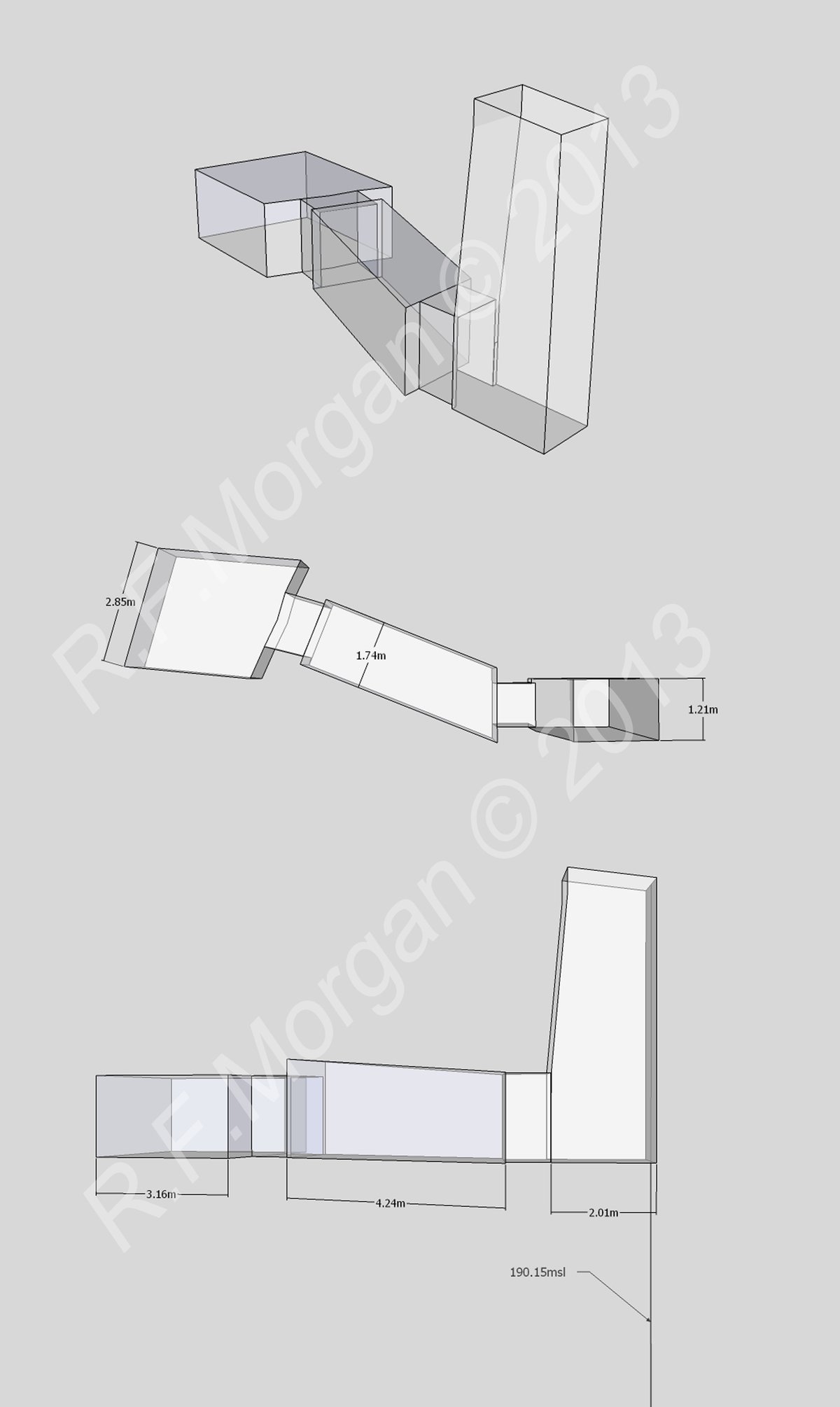

Nestled within a side valley leading to the tomb of Thutmose III lies KV26, an ancient Egyptian tomb hailing from the Eighteenth Dynasty. This tomb was visited by the early Egyptologist James Burton in the 1820s or 1830s, and was later visited again in 1898 by Victor Loret. The tomb was mapped in the 1980s by the Theban Mapping Project. Despite the past flooding, the limestone is in good condition and unaffected by moisture.
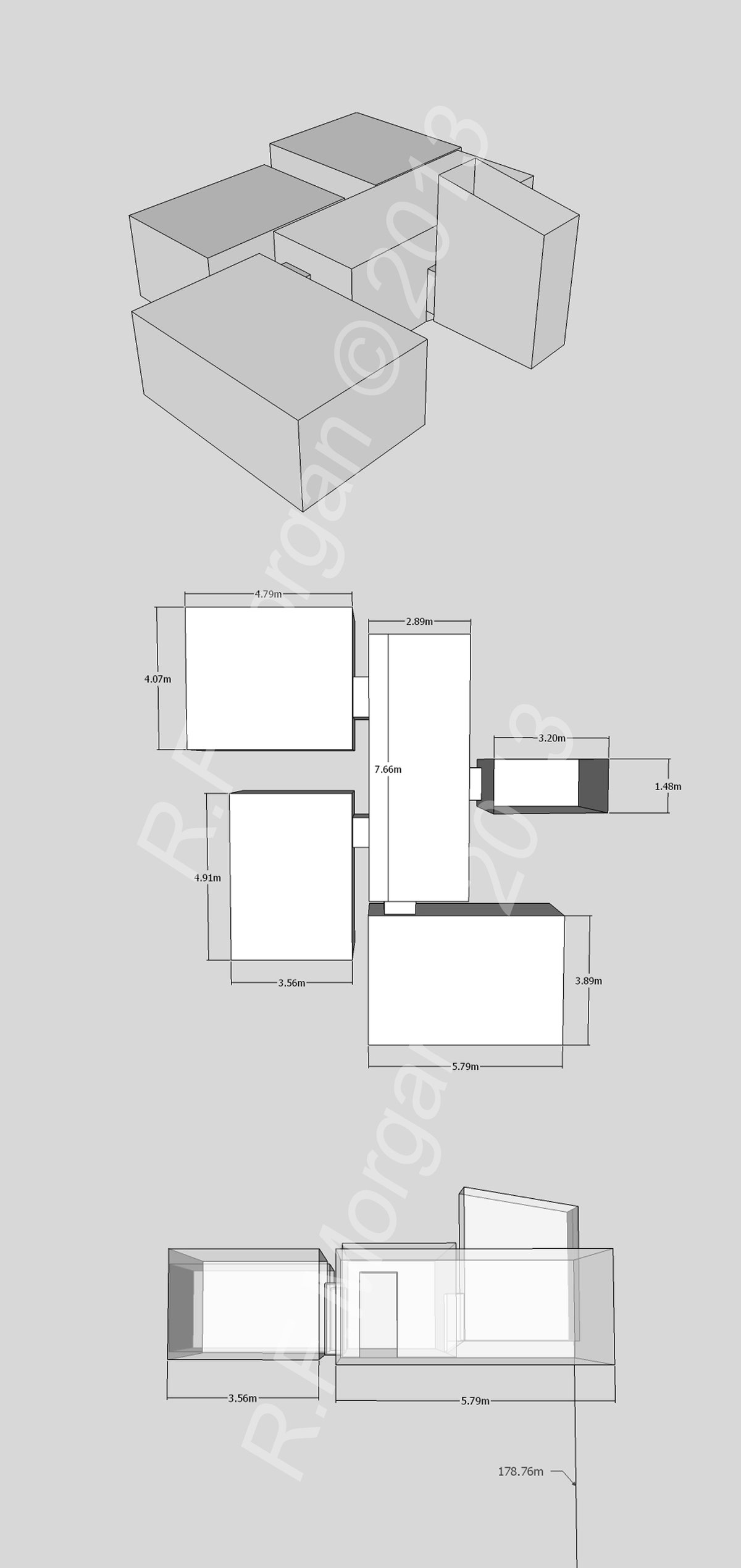
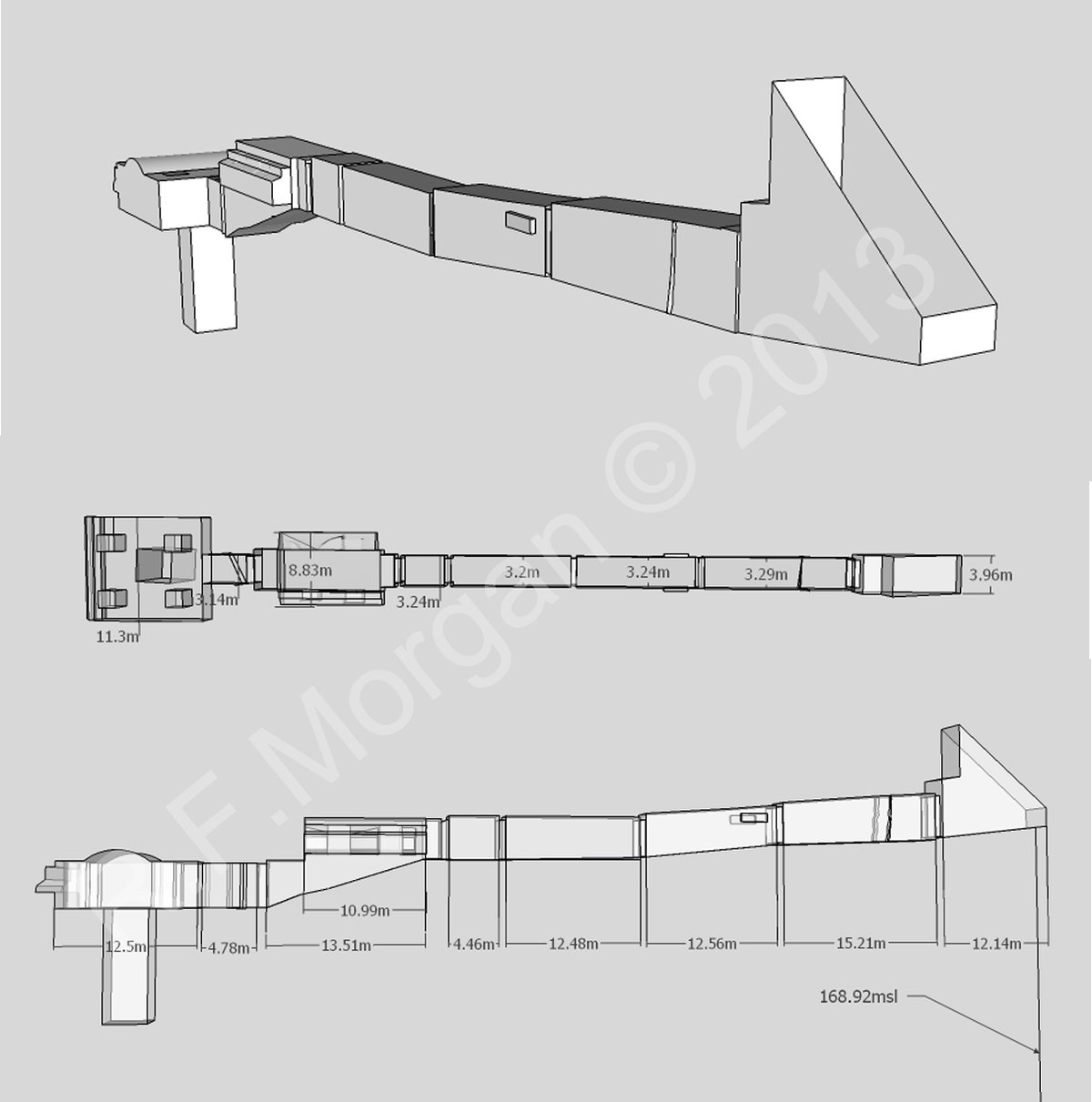
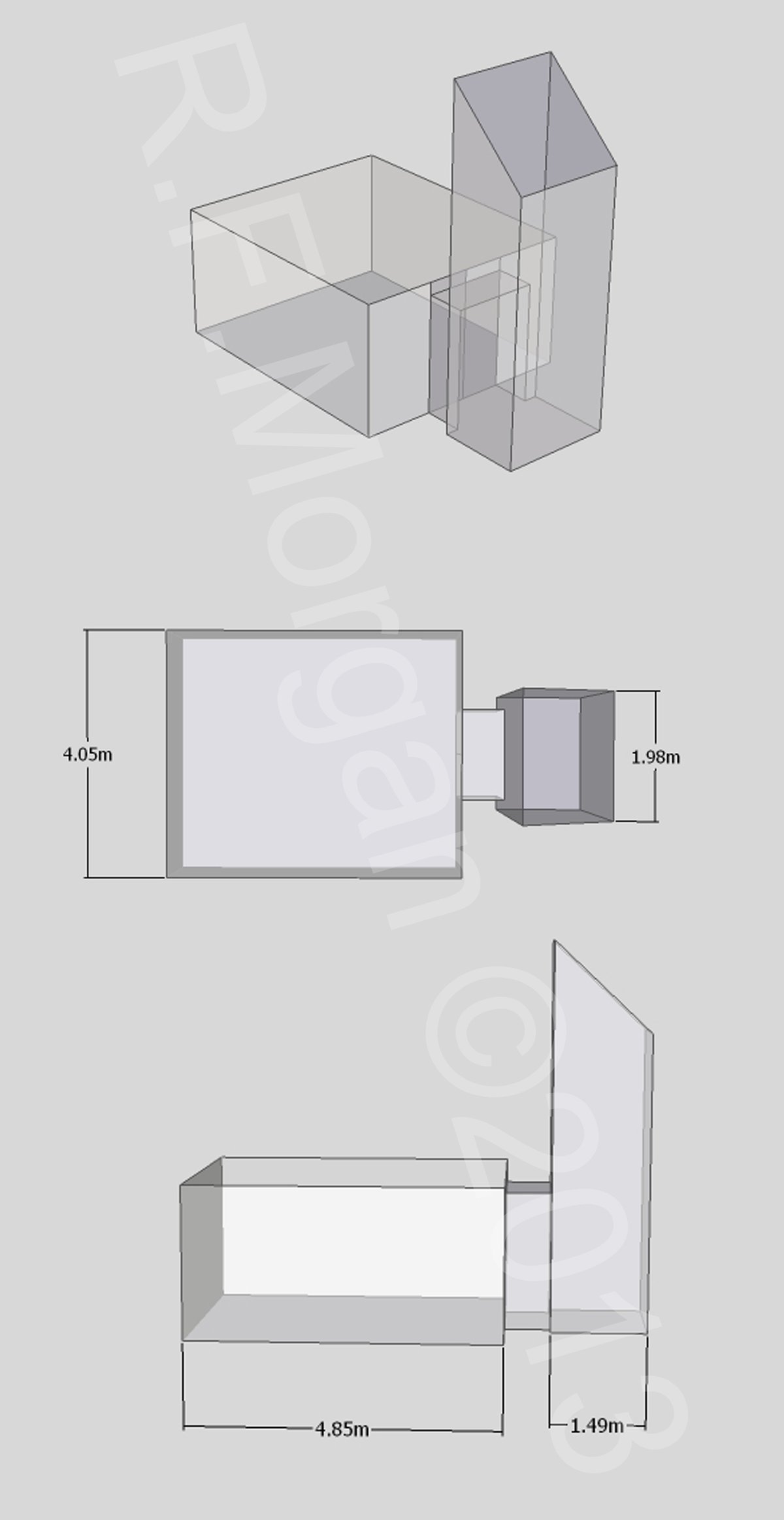
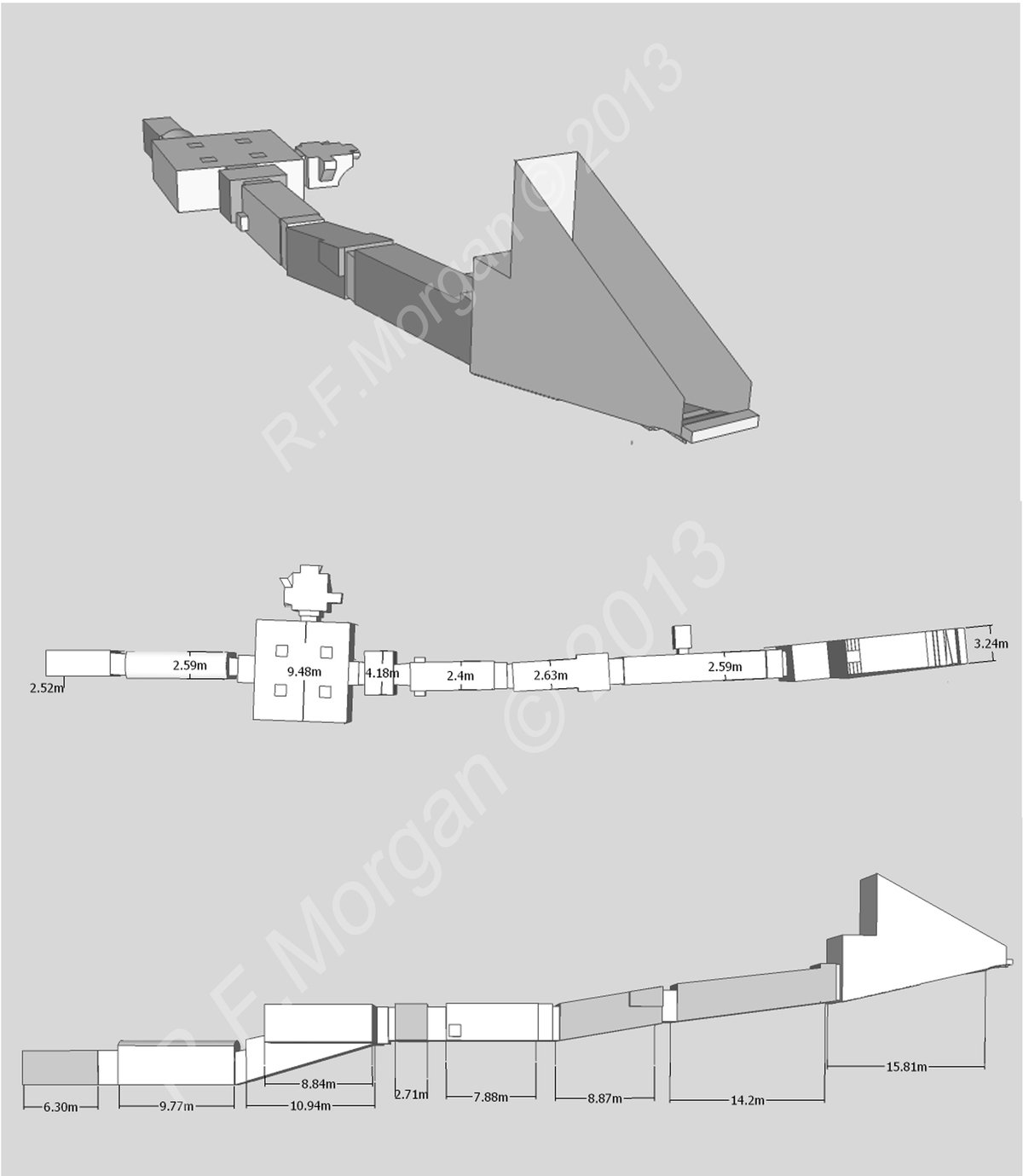
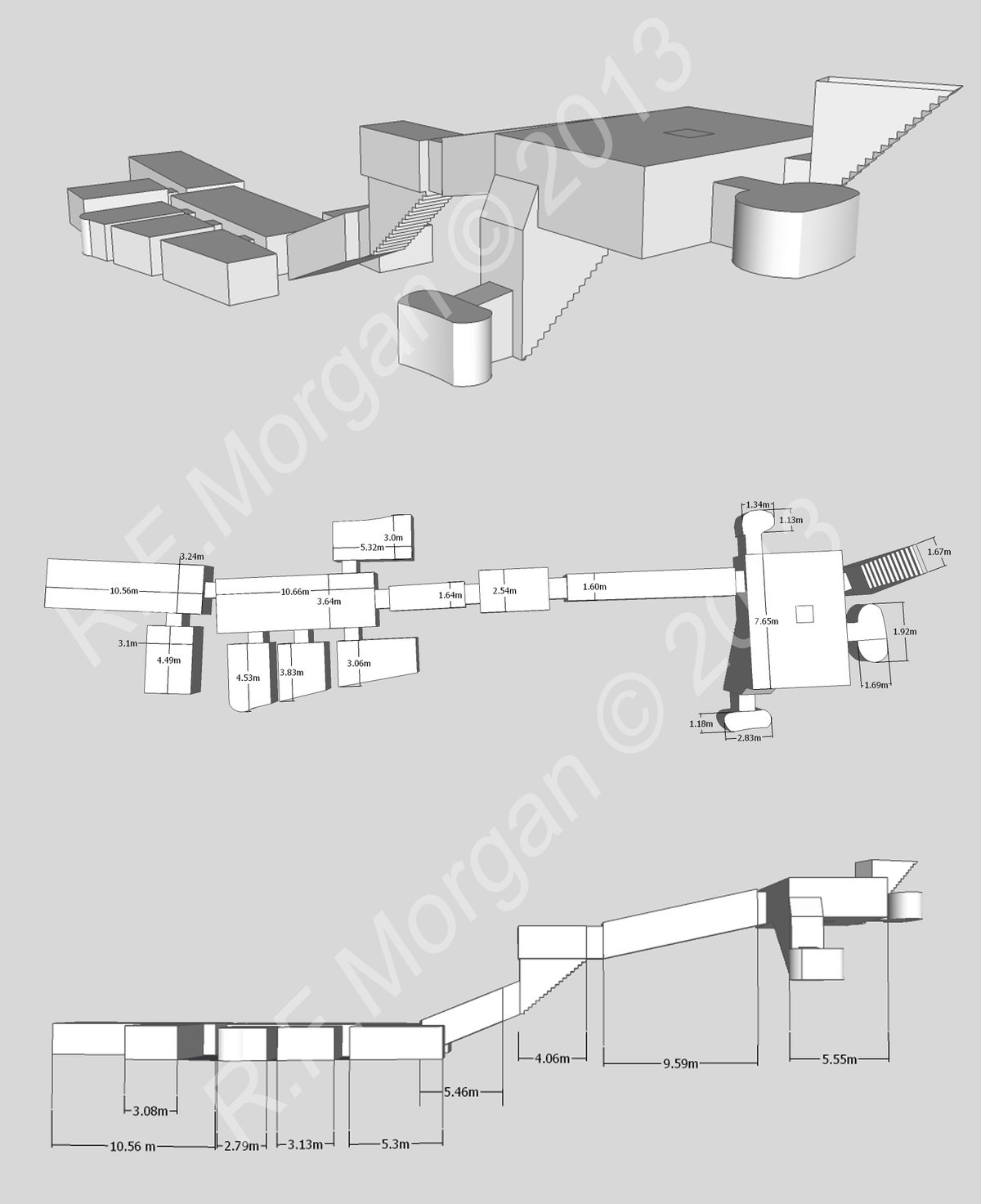
The tomb is of a compact nature, with a passage extending for only 11 metres (36 ft), yet it possesses a vertical shaft of 6 metres (20 ft) in depth, which leads to a corridor culminating in an unfinished chamber. The chamber has a lower ceiling than the rest of the tomb, measuring 1.2 metres (3.9 ft). The tomb was used for at least one burial, as evidenced by pieces of black-coloured Eighteenth Dynasty coffins and fragmentary human remains, including a skull.
Archaeological evidence suggests that the tomb was entered and probably robbed in the Twentieth or Twenty-first Dynasties, but the burials were not reburied elsewhere. Excavations in 2009 revealed mixed-in debris including pieces of ceramics, alabaster jars, faience beads, and inlay. The remain of 16 large pottery jars were found scattered throughout the tomb, dating by style to the reigns of Thutmose III and Amenhotep II. A steel door was installed at the conclusion of the 2009 excavation, and the tomb was accurately mapped in January 2010.
Sources: Wikipedia, OpenStreetMap, Wikidata, Wikimedia Commons
Written by Mutabor
Discuss this with the author and others
No comments yet. Be the first to start the conversation.