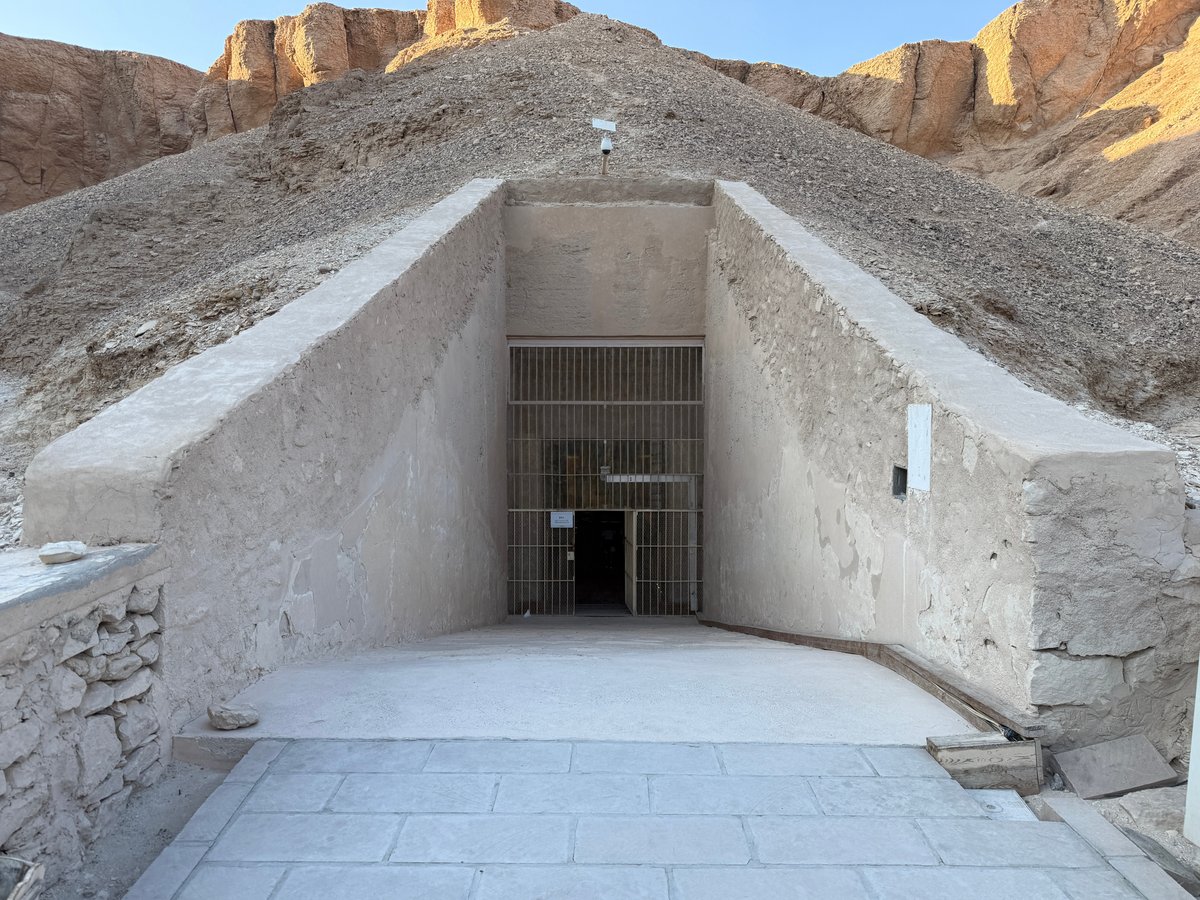

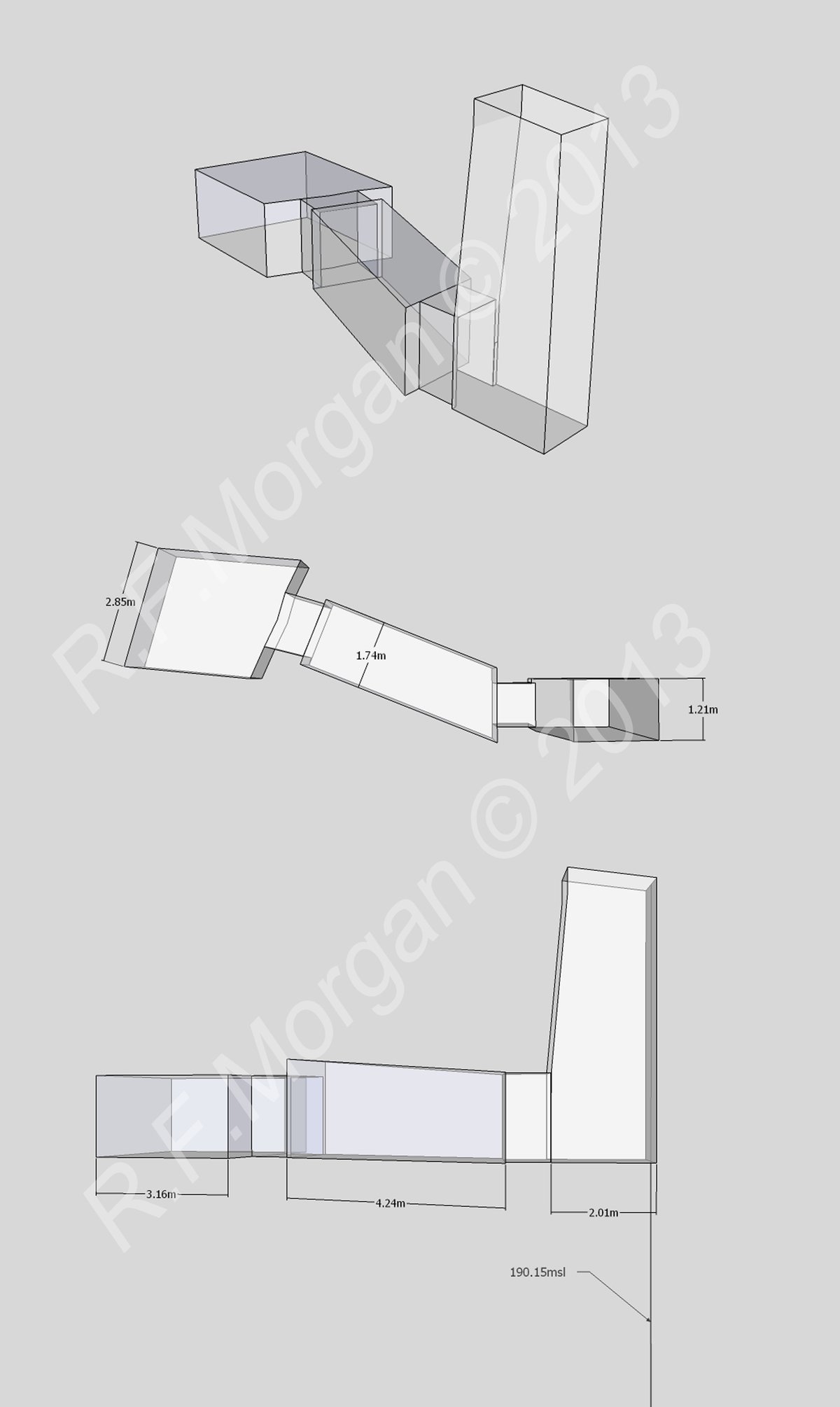
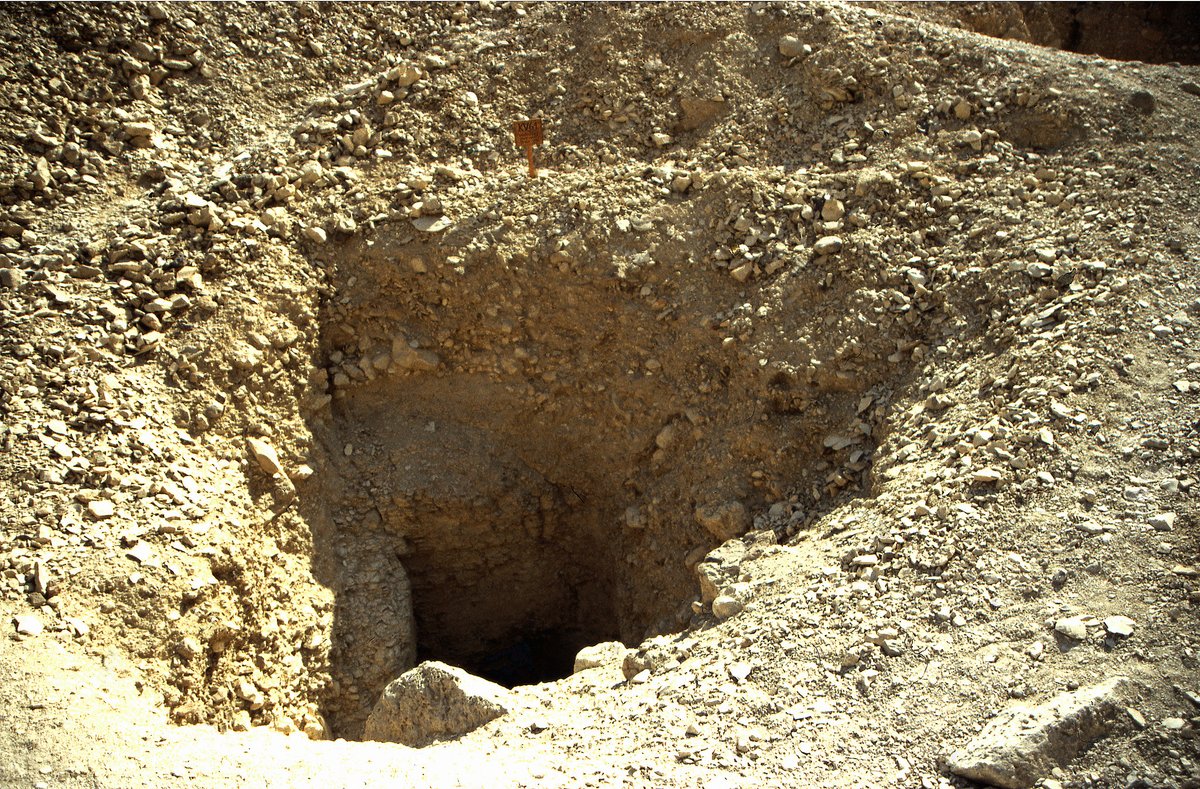
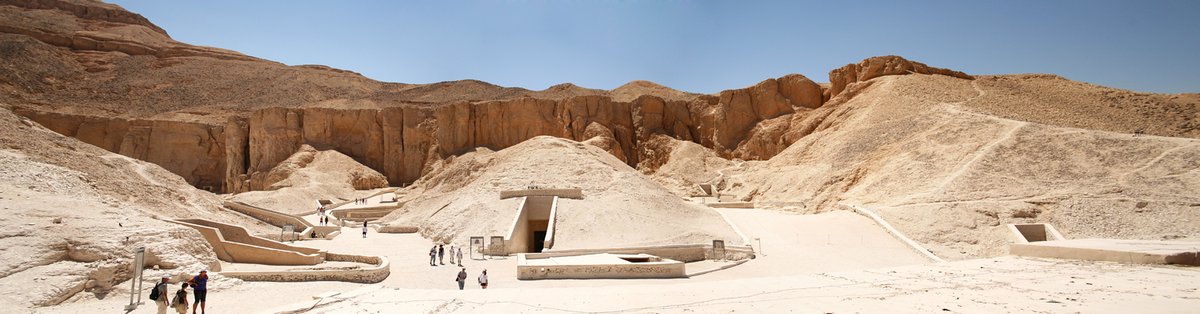
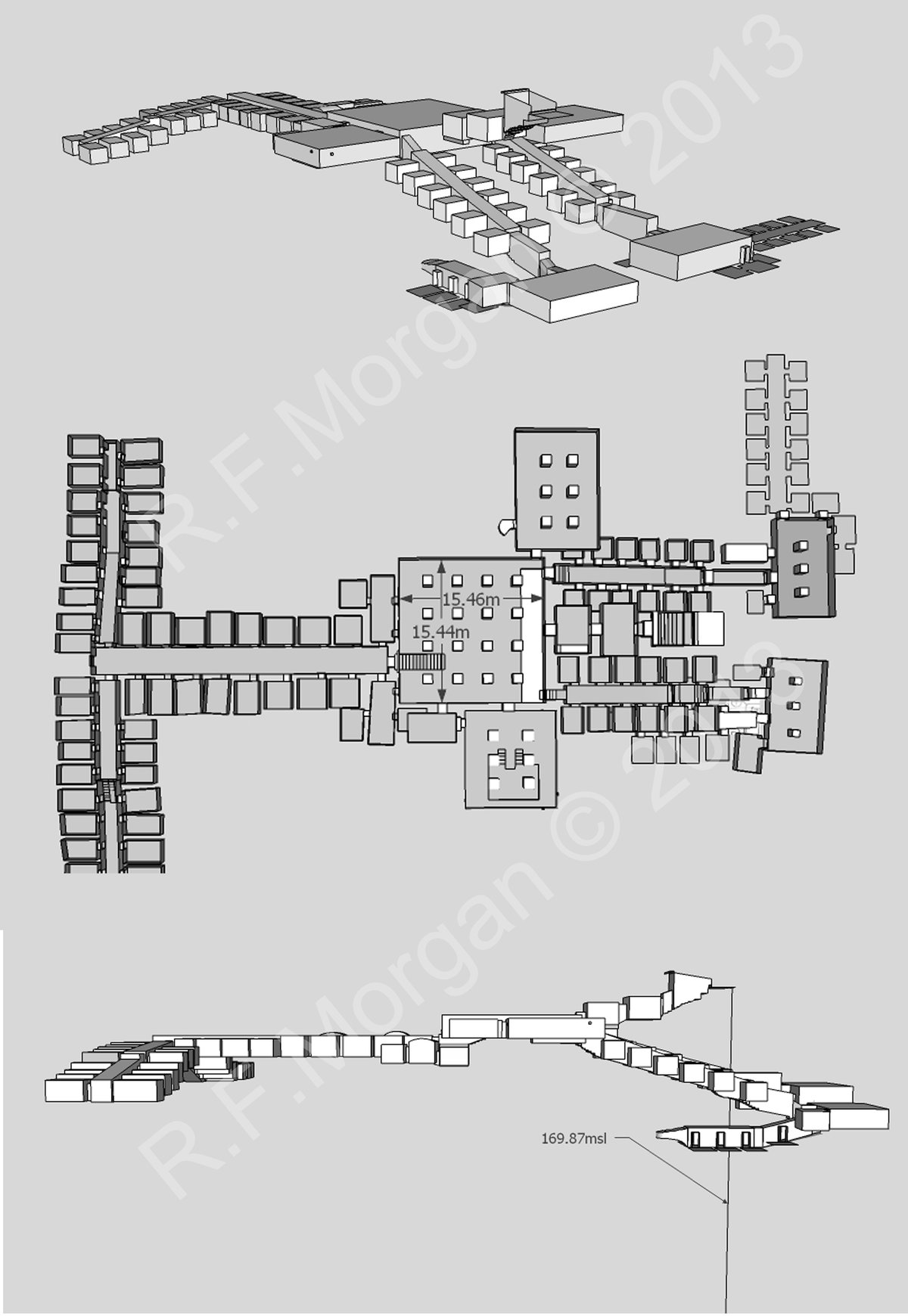
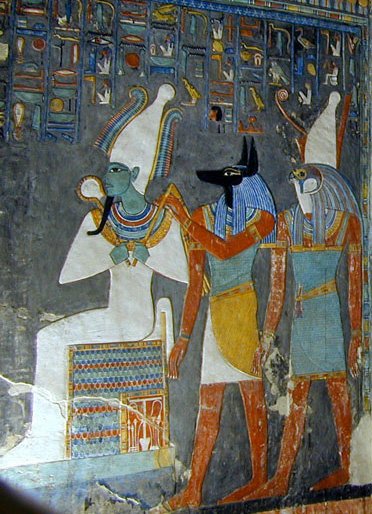
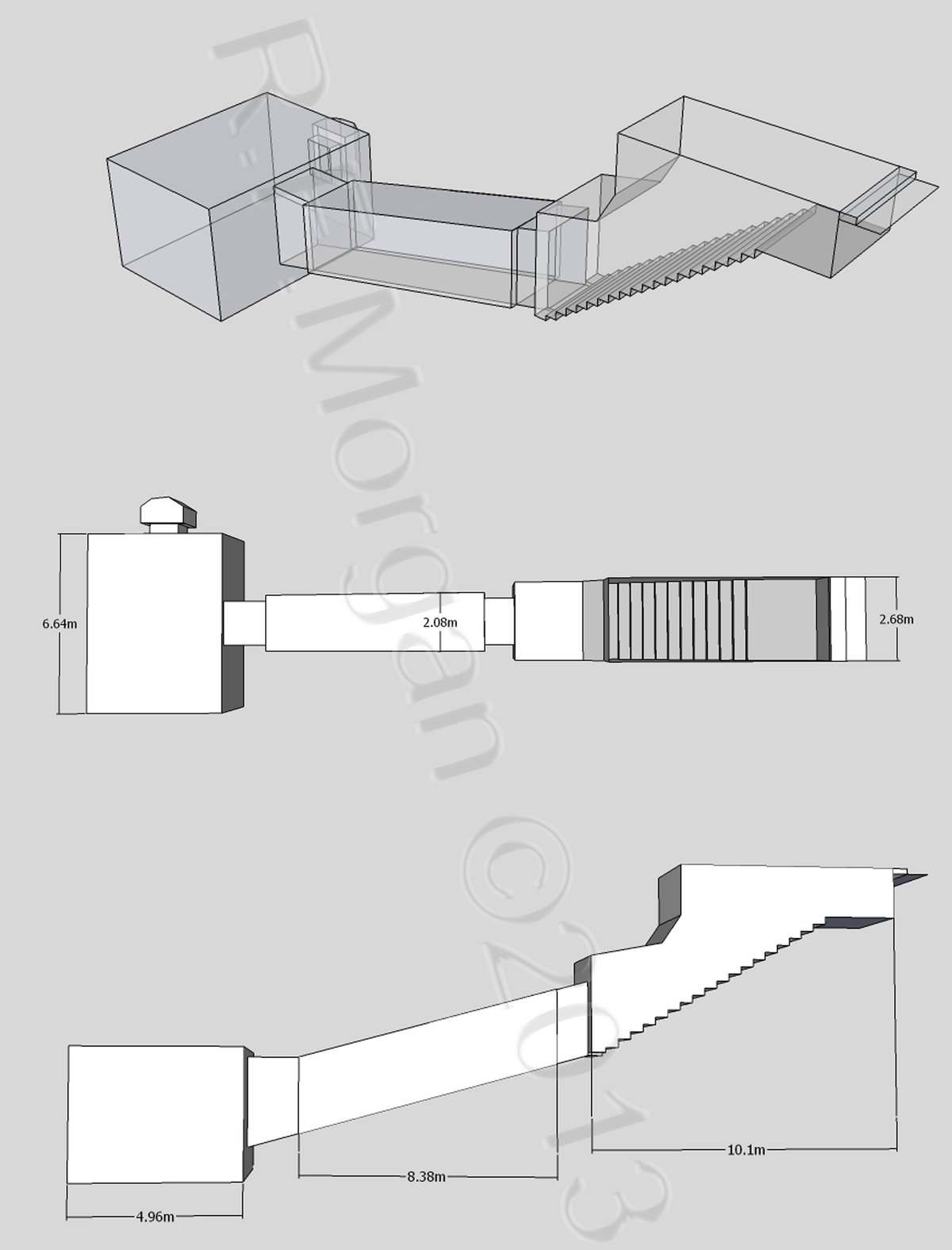
The tomb of Ramesses VII is a single corridor carved in the West Bank of Luxor. Constructed during the Twentieth Dynasty, it follows a pattern of straight axes used by the successors of Ramesses III. The walls of the burial chamber are decorated with extracts from the Book of the Earth, while the ceiling features a double image of the sky goddess Nut - a style reflecting the paintings used by pharaohs of the previous dynasty.
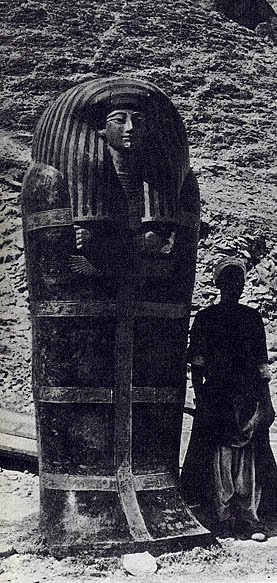
Inside the burial chamber, a depression has been cut into the rock to hold an inverted box of stone shaped roughly like a cartouche. This is the last known example of a sarcophagus placed in a royal tomb in the Valley of the Kings - all subsequent burials consisted of deeper pits covered by a lid. Although the tomb was robbed in antiquity and the mummy was presumably lost, four cups inscribed with the pharaoh's name were found in the royal cache in DB320.
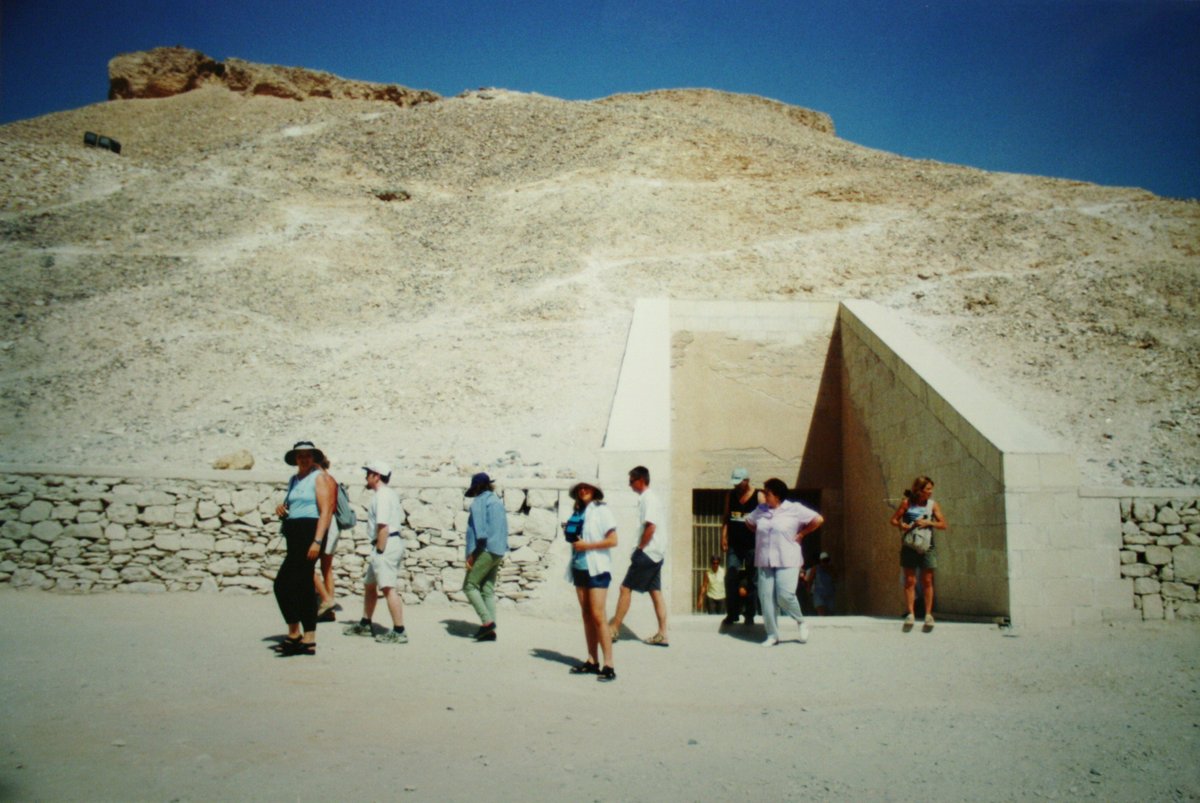
The tomb was not always a secret. Ancient Greeks and Romans left 132 individual pieces of graffiti throughout the corridors, and the site was later used as a dwelling by Coptic monks. Early European travelers also visited, including Richard Pococke in 1743 and the savants accompanying Napoleon's campaign.
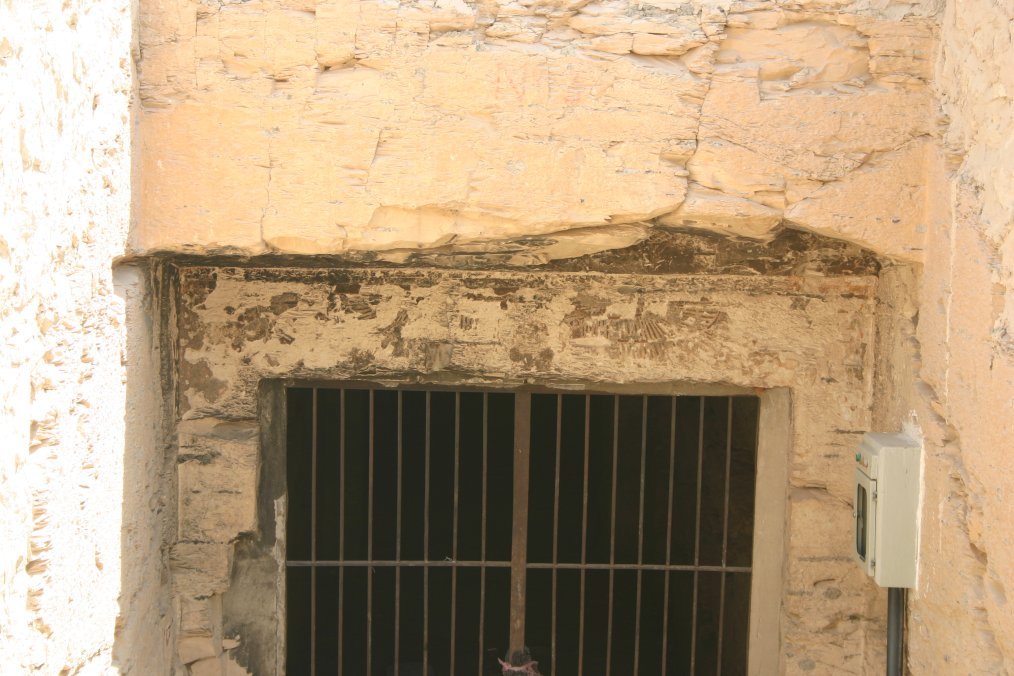
Starting in 1983, Edwin Brock thoroughly excavated the burial chamber floor, followed by a decade of work on the tomb's entrance. In 1994, the Supreme Council of Antiquities cleaned the walls and repaired cracks with plaster. Among Brock's findings were fragments of wood, calcite and faience shabtis, ostraca decorated with sketches by the tomb's artists, a floral garland, and numerous pottery shards.
Sources: Wikipedia, OpenStreetMap, Wikidata, Wikimedia Commons
Written by Mutabor
Discuss this with the author and others
No comments yet. Be the first to start the conversation.