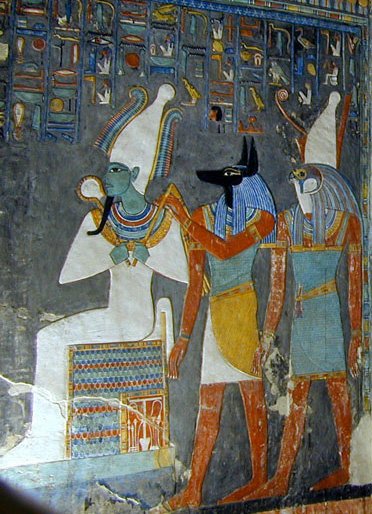

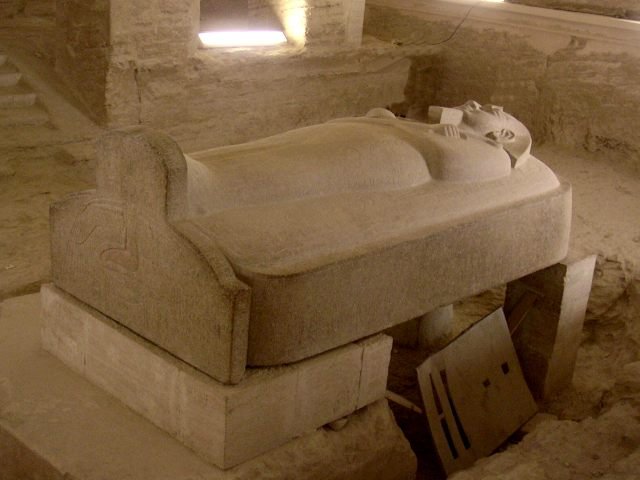
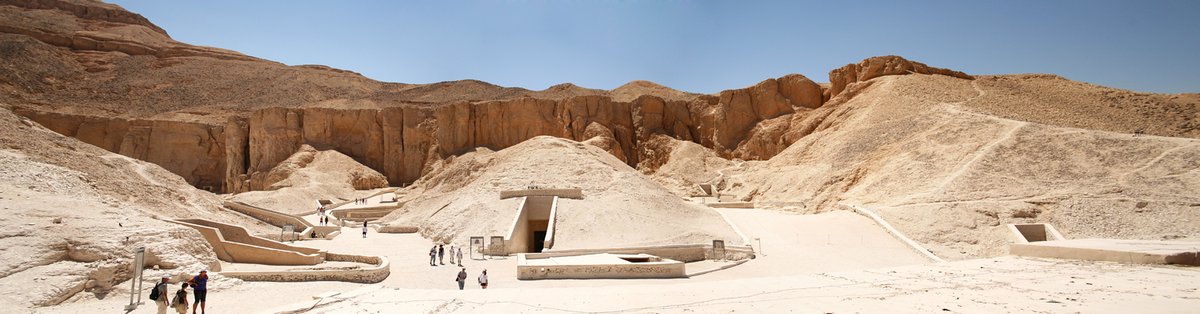
In the Valley of the Kings, secrets remain. Among them lies KV57, the royal tomb of Horemheb, the final pharaoh of the Eighteenth Dynasty. This tomb was discovered in 1908 by Edward Ayrton and contains a red granite sarcophagus, similar to those of Akhenaten, Tutankhamun, and Ay. Each corner is graced by protective goddesses. While the sarcophagus remains intact despite a broken lid, the exact identity of the remains found within the tomb remains a subject of study.
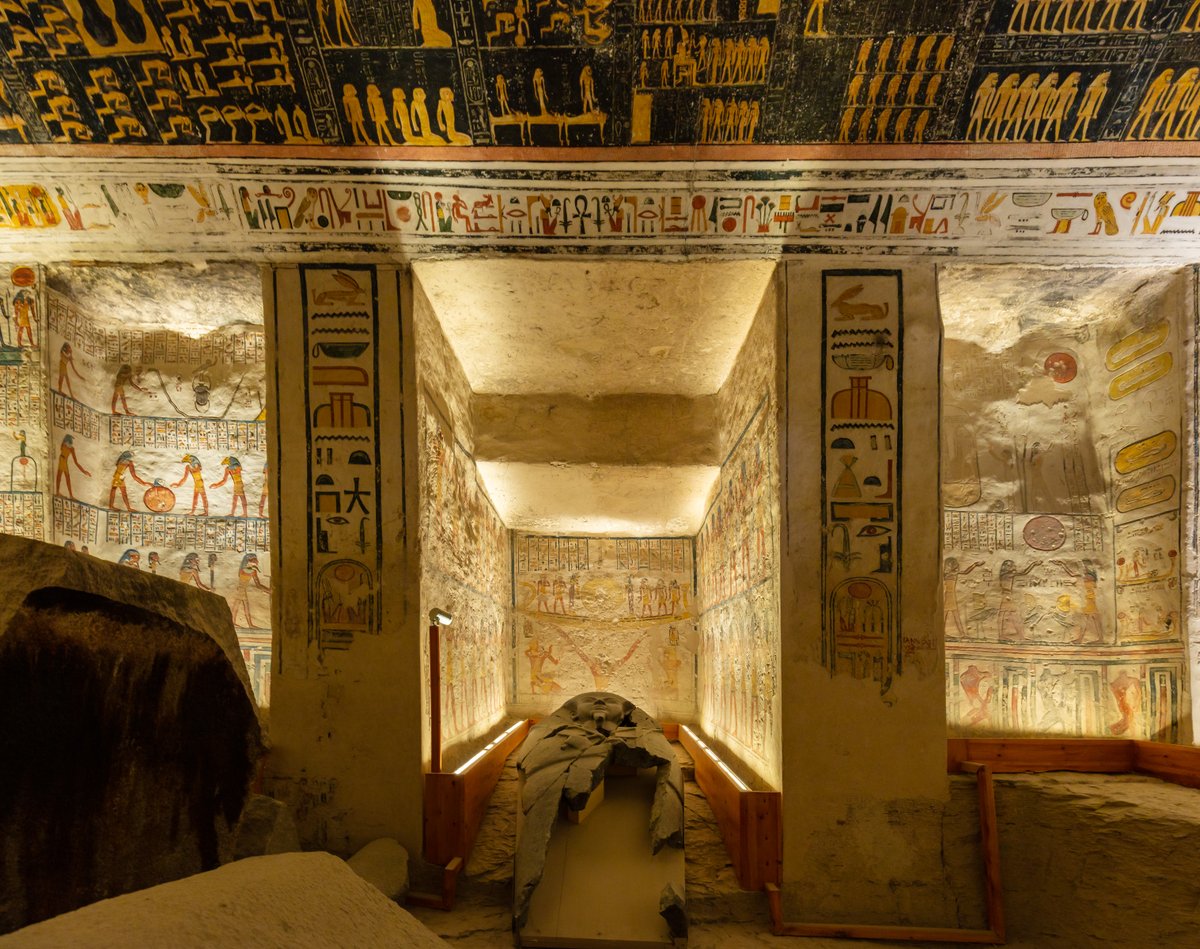
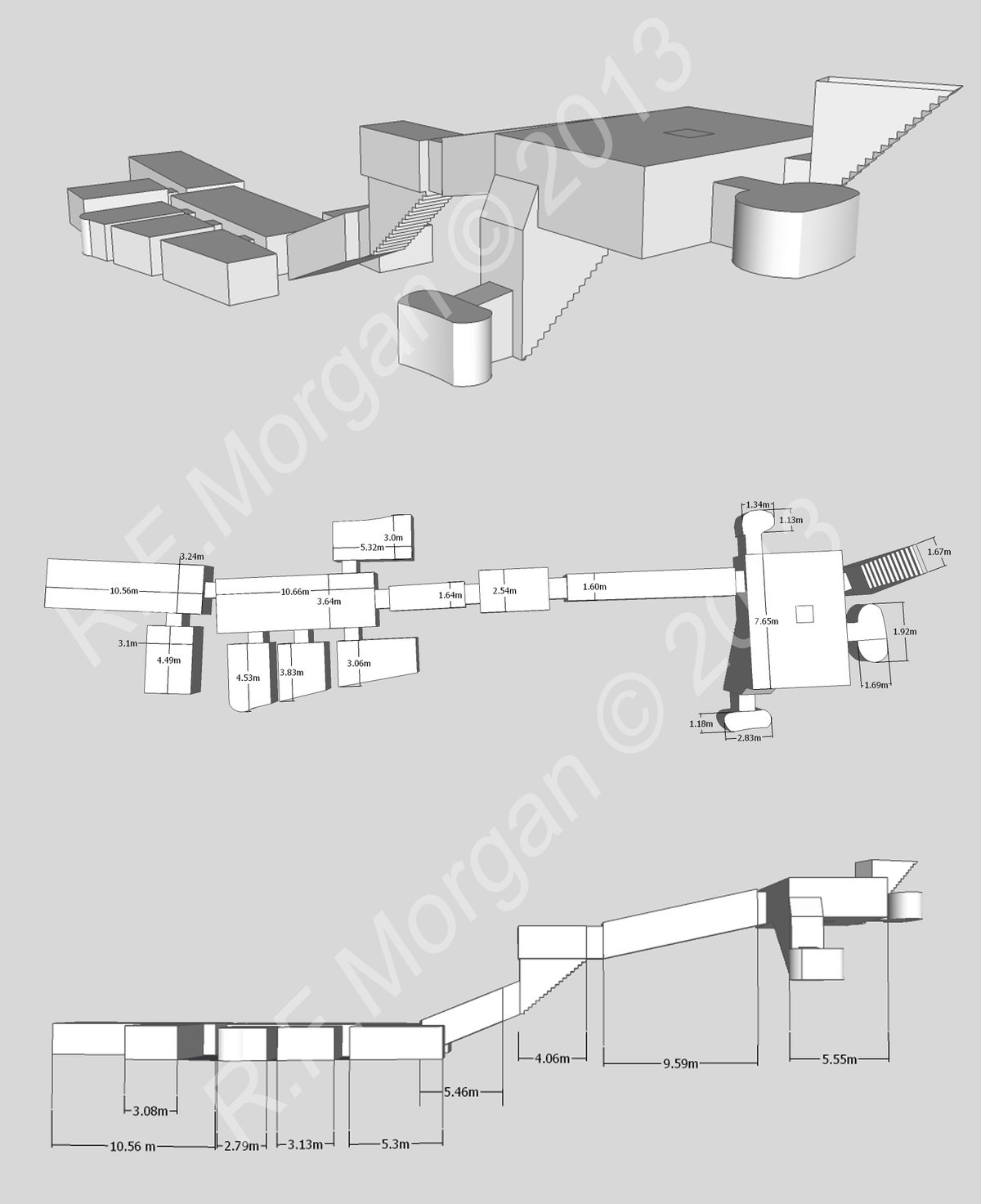
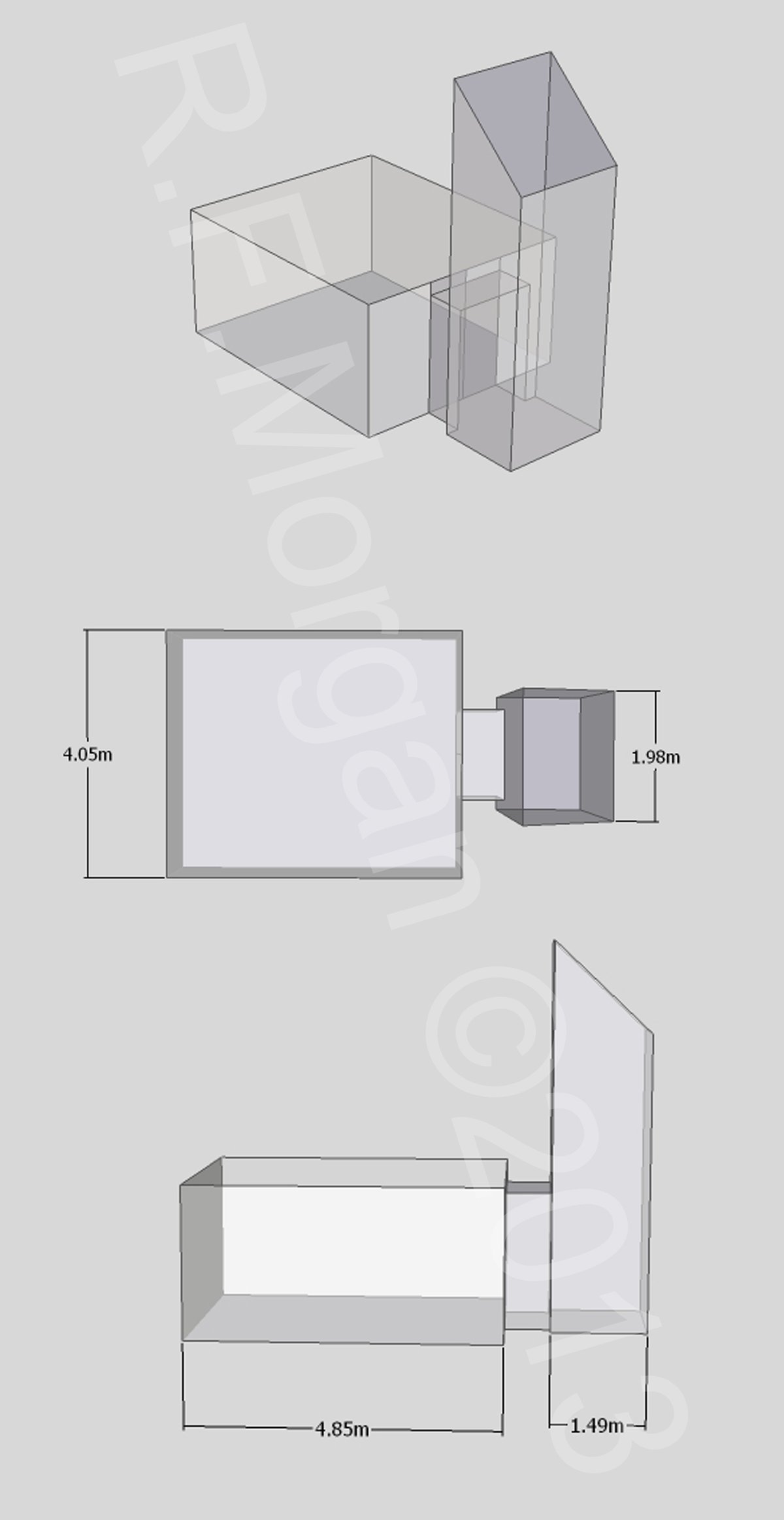
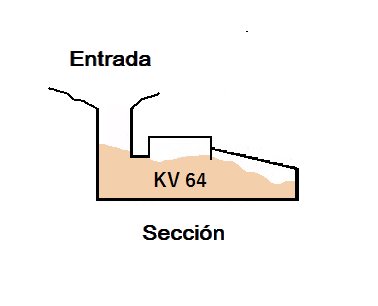
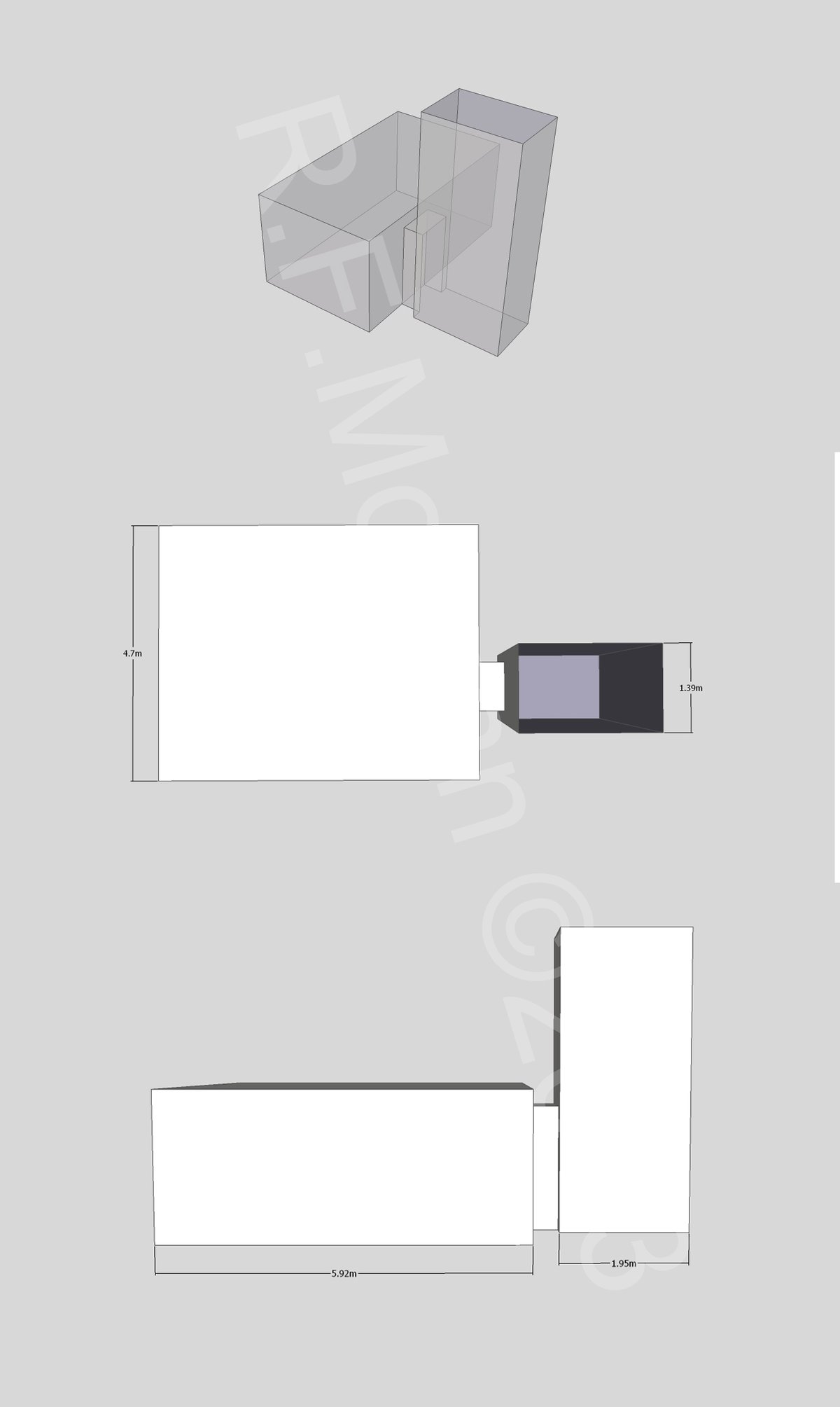
The tomb consists of a descending entrance stair, a sloping passageway leading to another descending stair, and another passageway that ends in a well shaft. Beyond the well chamber is the first pillared hall. Cut into the floor on the left side of the pillared hall is a staircase, originally sealed, leading to another descending passage and, via another flight of steps, the antechamber. Beyond this room is the pillared burial chamber, surrounded by storerooms. The floor at the far end of the burial chamber is lowered to create a crypt.
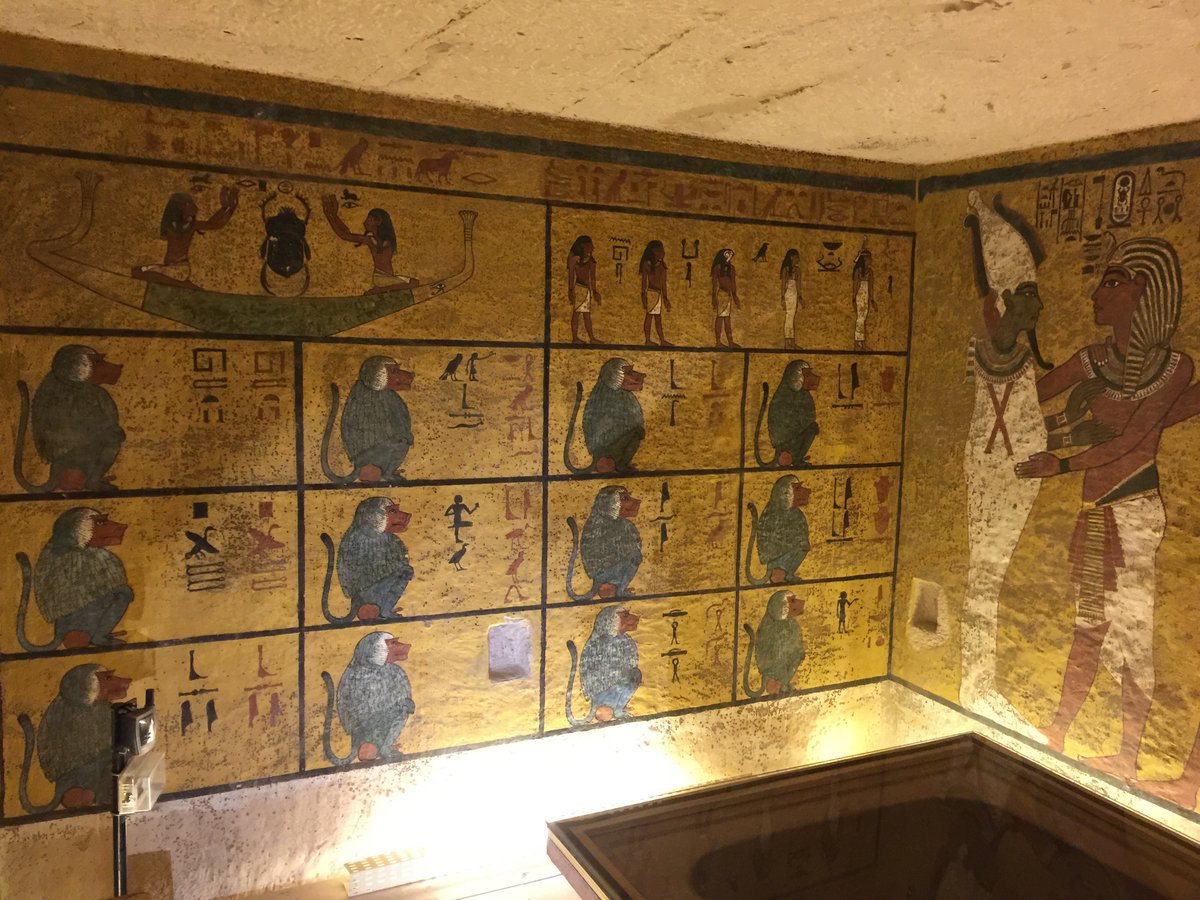
The layout is transitional in form between the 'dog-leg' style of earlier Eighteenth Dynasty tombs and the straight axis tombs of the Nineteenth Dynasty; more precisely this layout is known as a jogged axis. It features exquisite decoration and remarkably fresh colours in the painted decoration. Notably, the burial chamber decoration uses scenes from the Book of Gates instead of the Amduat for the first time.
Sources: Wikipedia, OpenStreetMap, Wikidata, Wikimedia Commons
Written by Mutabor
Discuss this with the author and others
No comments yet. Be the first to start the conversation.