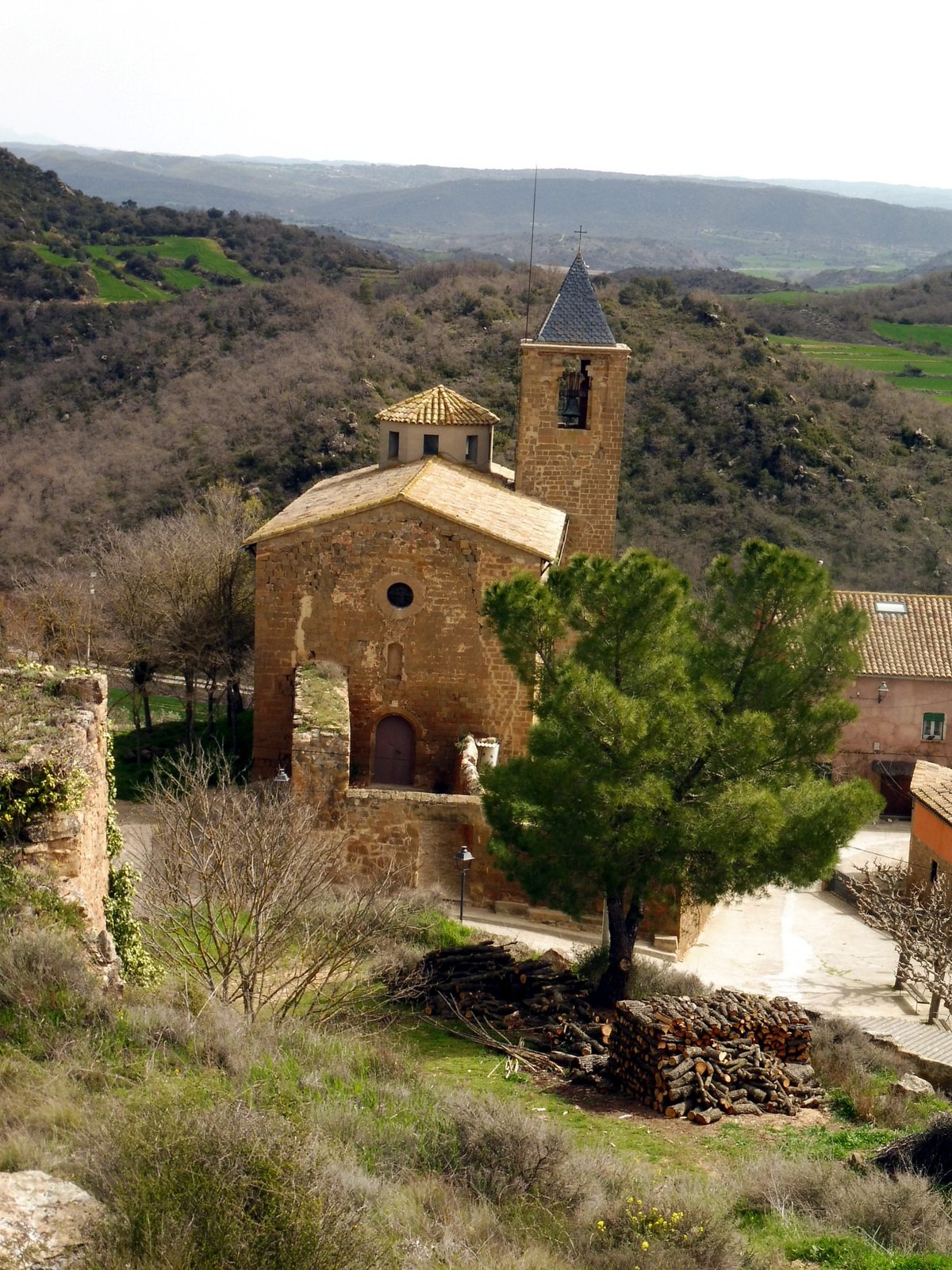

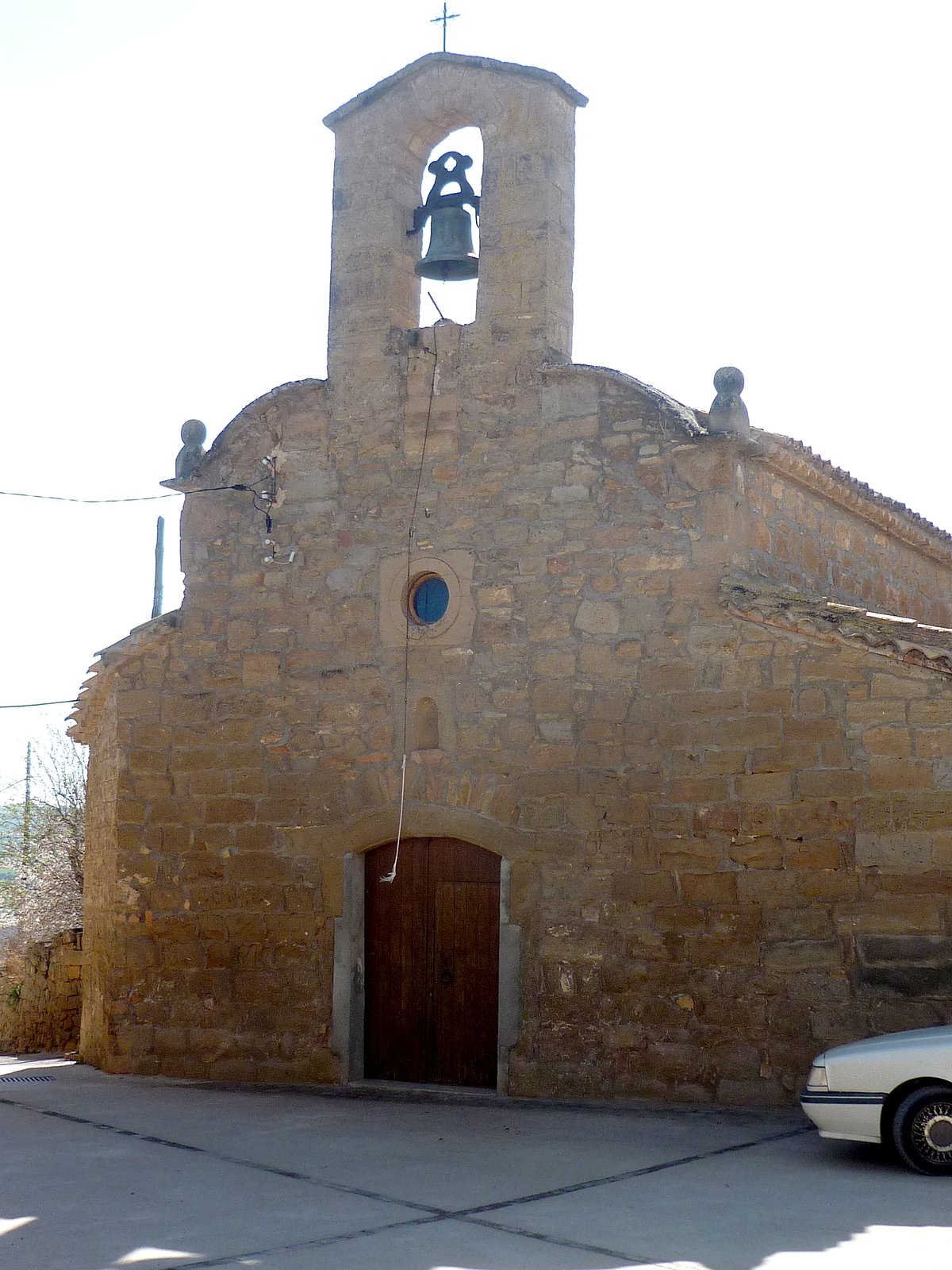
Sant Tirs sits on the first terrace of the hill in Oliola. The first documentary reference to this church dates back to July 7, 1061, in a will by Pere Miró, who gave half of his assets for the work of the church, which was mentioned as a parish. Between 1080 and 1100, other records show donations to 'Sancti Tirsi de Uliola' by Adelaida and others, followed by further mentions in the 12th century and a mention of the rector in 1391.
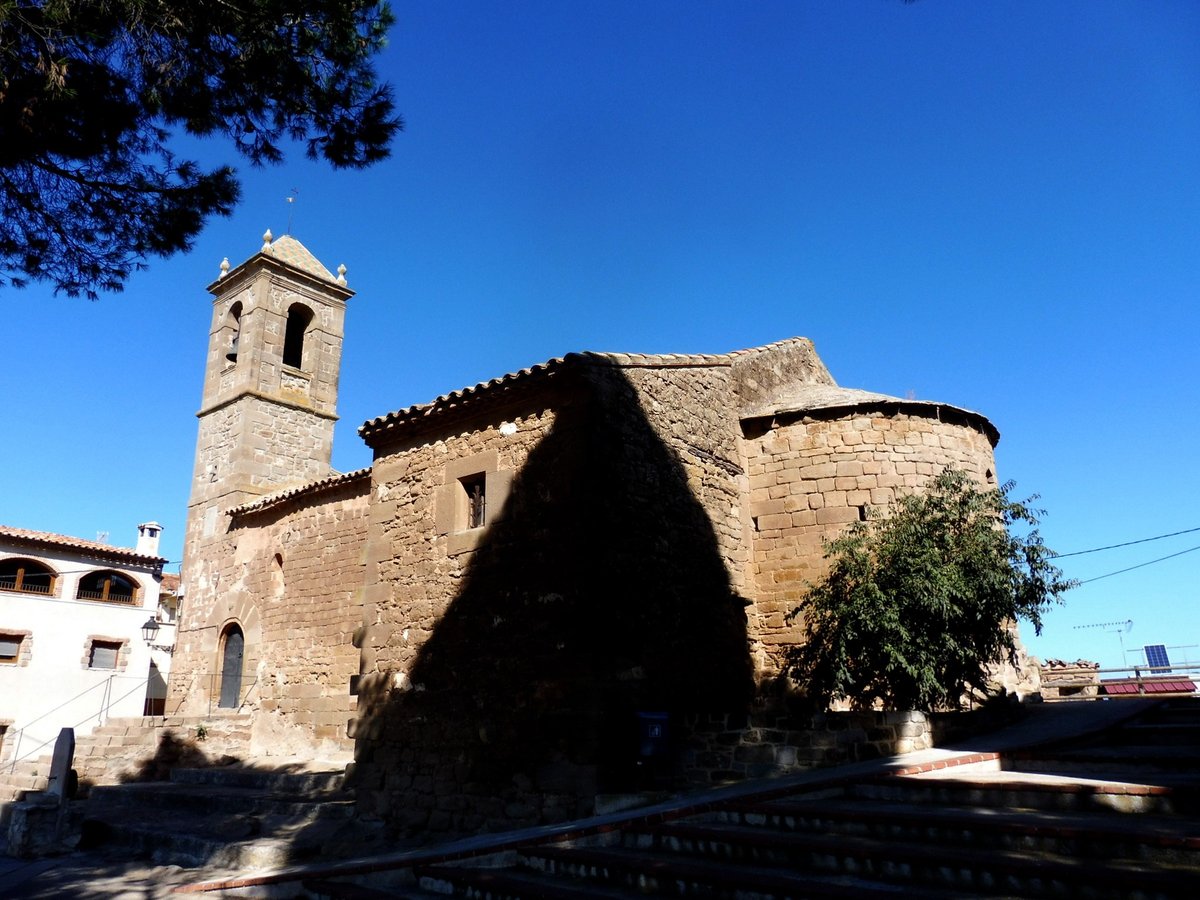
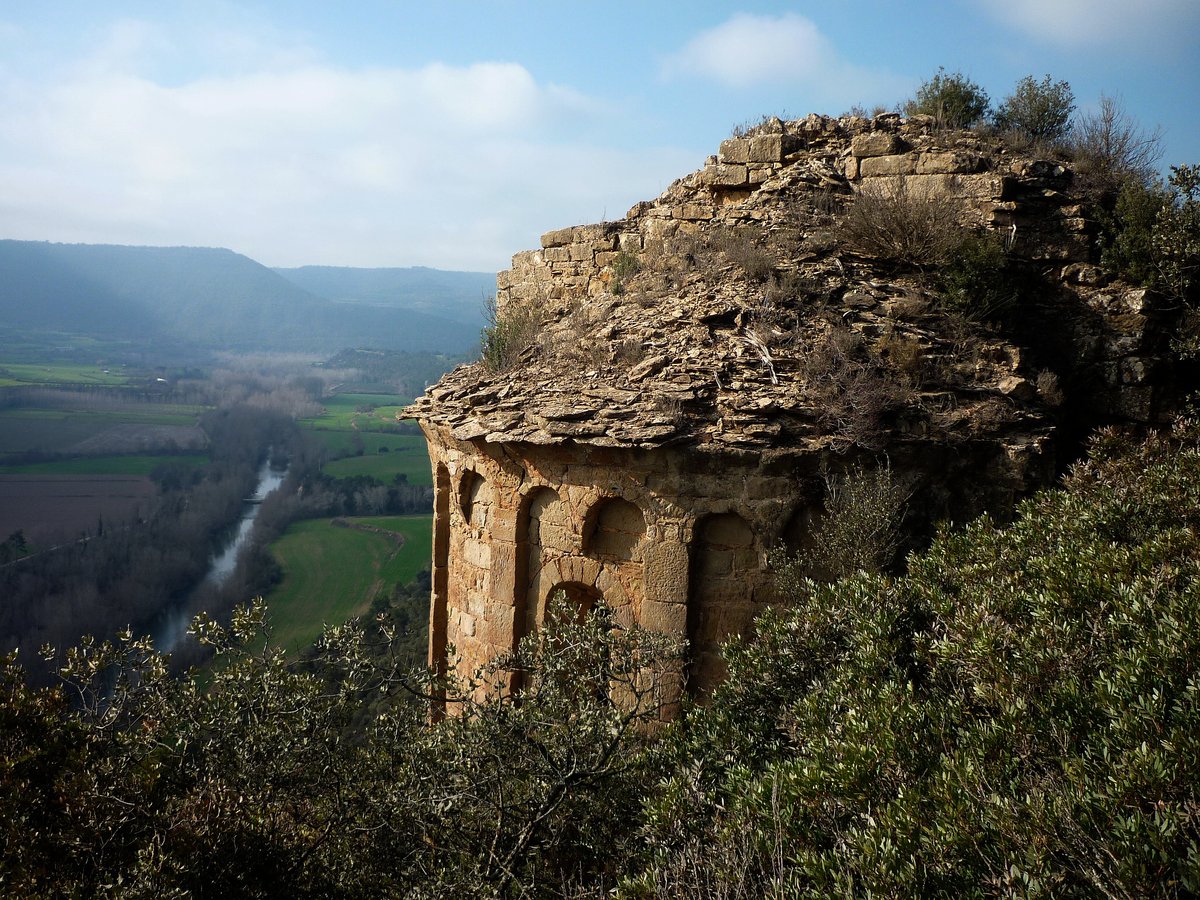
It is a single-nave structure with a semi-circular barrel vault. The building was modified and widened in the century marked by the Roman numeral XVIII. On the apse facade, there is a decoration under the eaves with Lombard motifs of arches in series of two between piers. The walls are made of small pieces of sandstone, which are well-carved and arranged in very orderly rows.
Under the semi-circular apse, there is an ancient crypt. The remains of the crypt roof confirm it was resolved with rib vaults, supported by semi-pillars and two pairs of columns of which the bases and elements of an octagonal shaft are preserved. These elements follow the most common type of structures for medieval Catalan crypts.
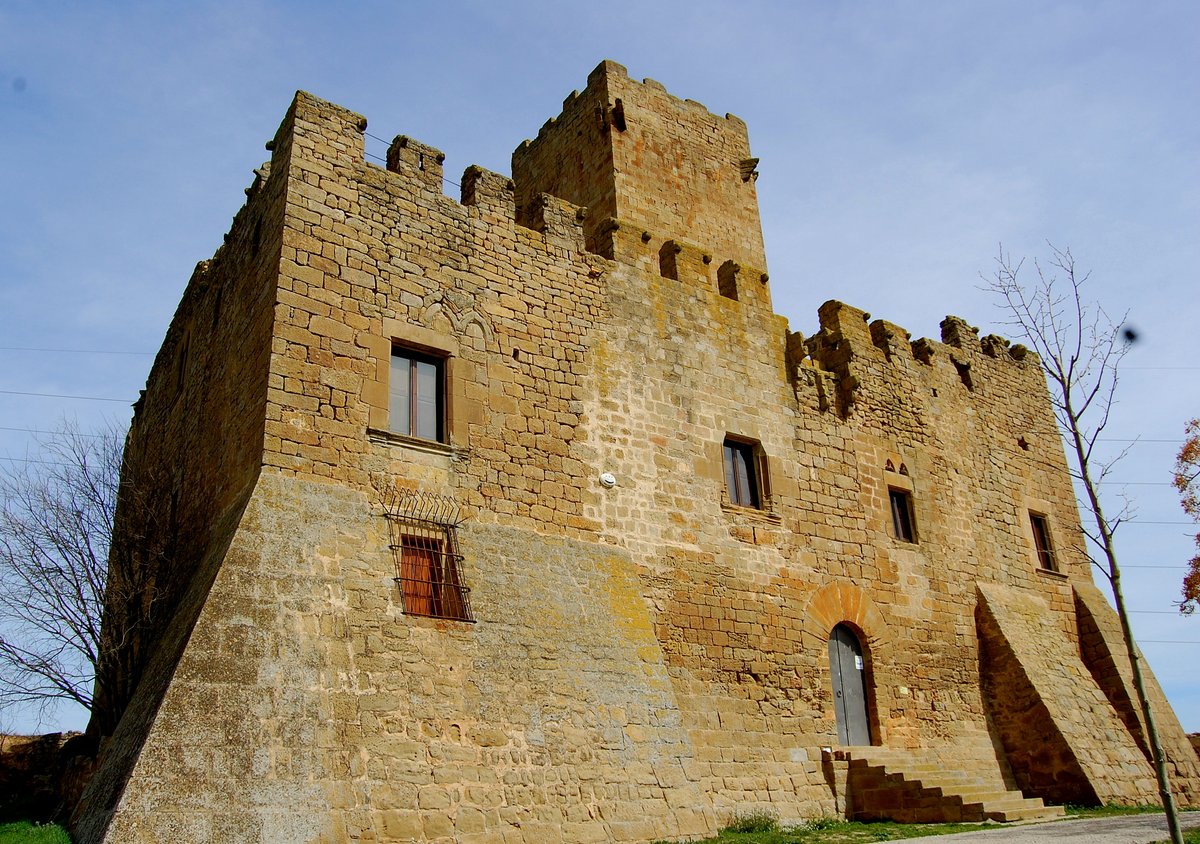
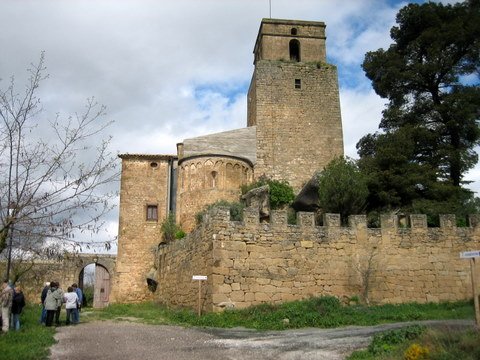
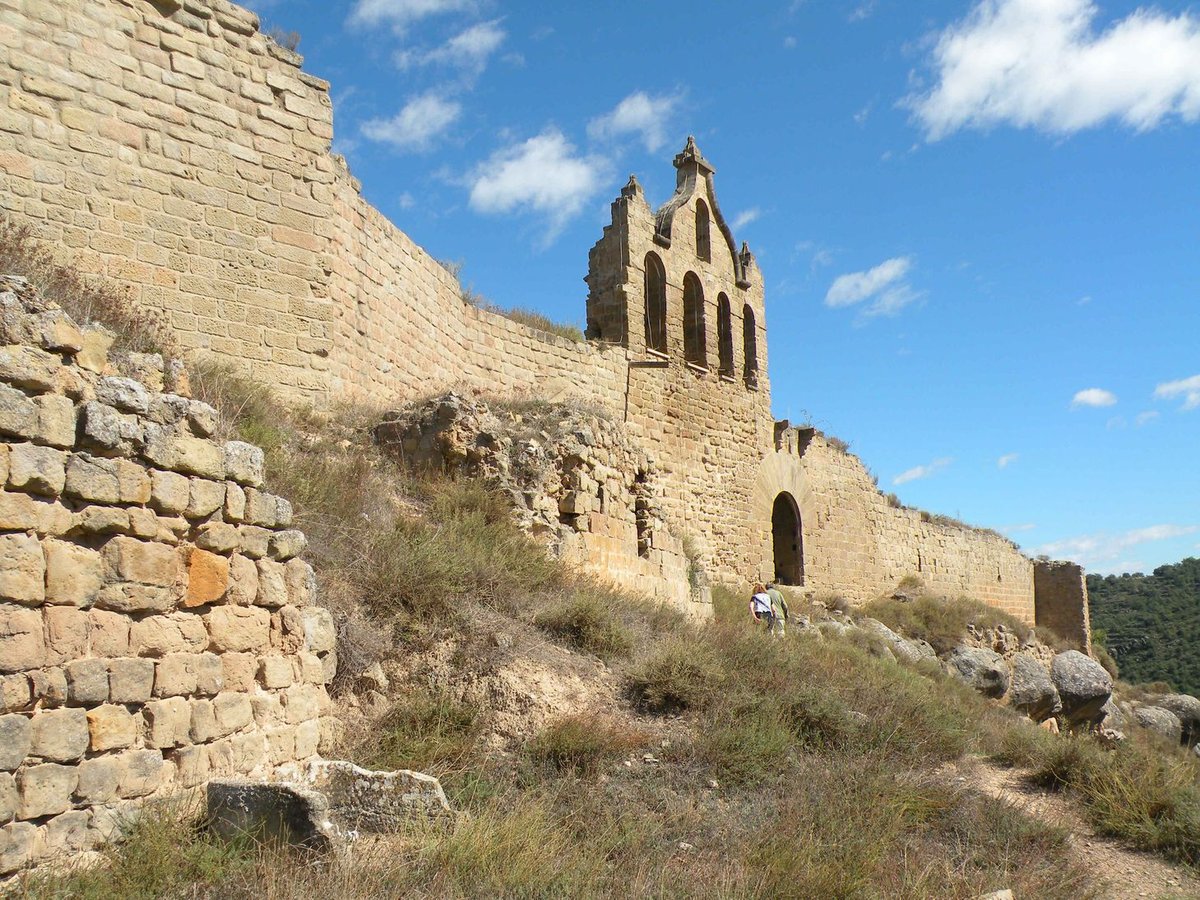
The church is located just a few metres from the ruins of the castle of Oliola. It is included in the Heritage Inventory of Catalonia as a protected site.
Sources: Wikipedia, OpenStreetMap, Wikidata, Wikimedia Commons
Written by Nicolo Ciampini
Discuss this with the author and others
No comments yet. Be the first to start the conversation.