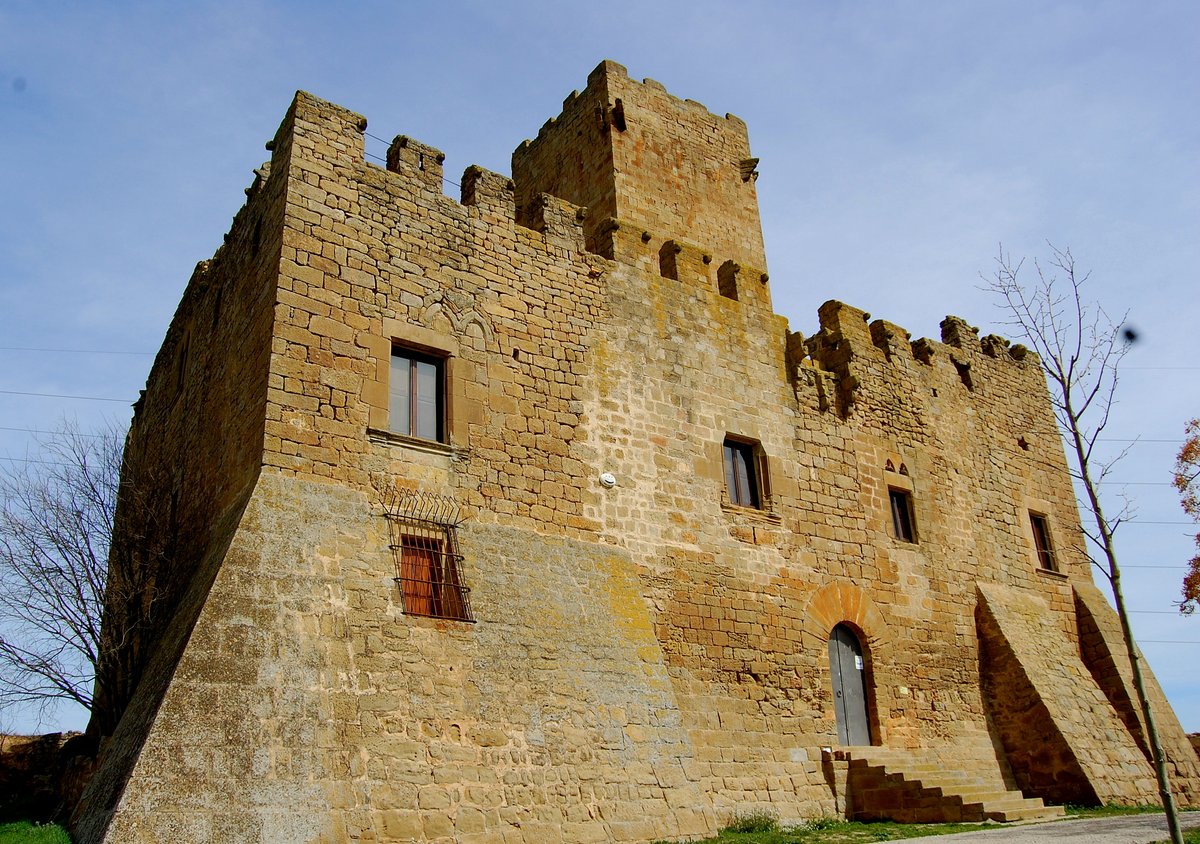

El Castell de les Sitges, located in Torrefeta i Florejacs, Segarra, is a monument declared Bé Cultural d'Interès Nacional. The site of les Sitges is mentioned since 1025, and its strategic position dominating the Llobregós valley made it a focal point during the Middle Ages. The castle was documented as "castrum de Ciges" starting in 1116, the year Pere Ponç bequeathed it to his son Arnau. Its history is largely parallel to the castle of Florejacs, as it passed successively through the hands of the Alemany de Cervelló, lords of Guimerà, at the end of the 13th century.
Since then, it has remained in the hands of the same family line, though under different titles. Families such as the Alemany de Cervelló, the Josa, the Cortit, the Bartomeu, the Agulló de Pinós, and most recently, the Ribera, have held ownership. Although the fortress was confiscated as part of the barony of Florejacs after the War of Succession, it returned to the Ribera family in 1725. By the middle of the 18th century, it belonged to the Marquesses of Gironella, who maintained jurisdictional domain until the end of the period.
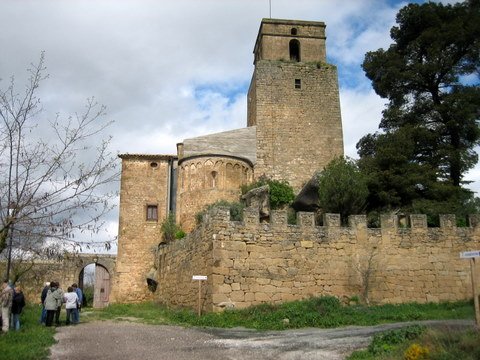
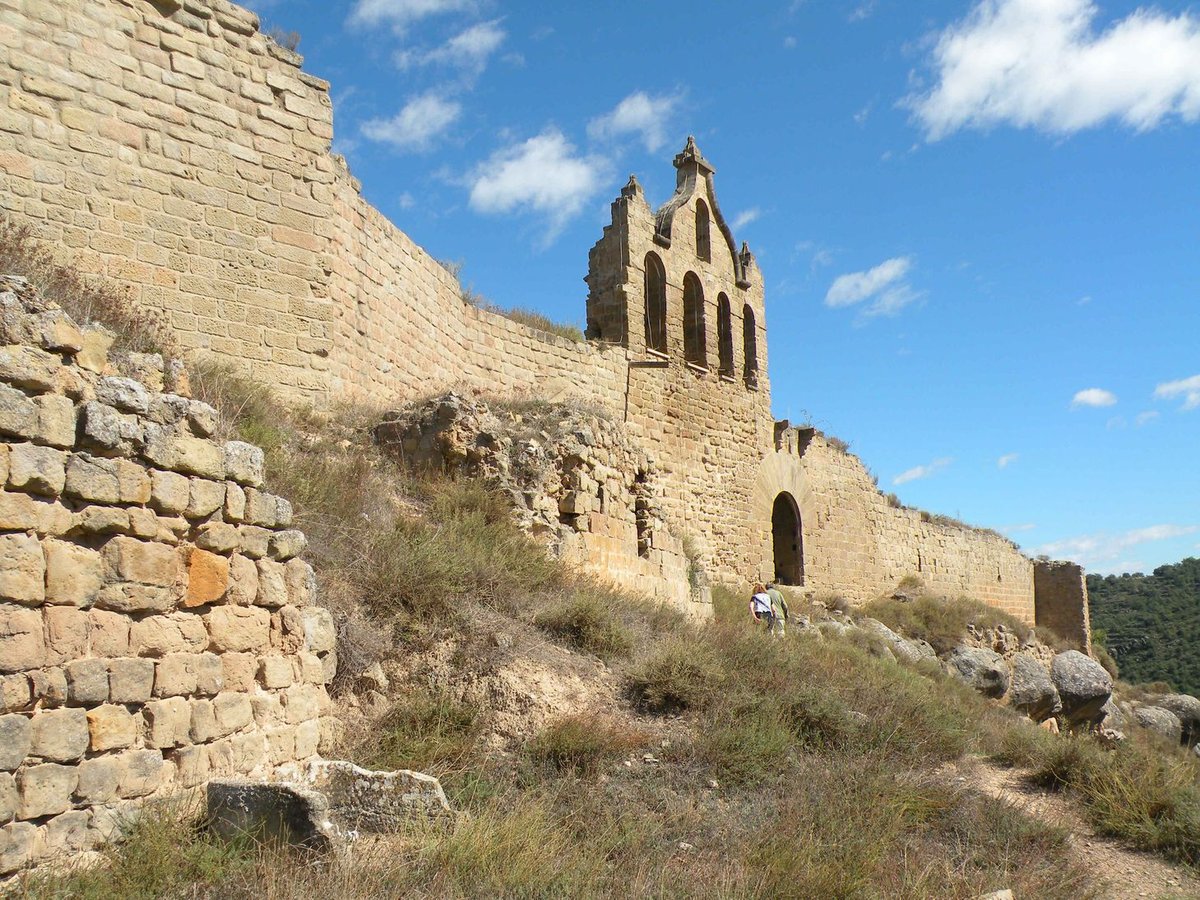
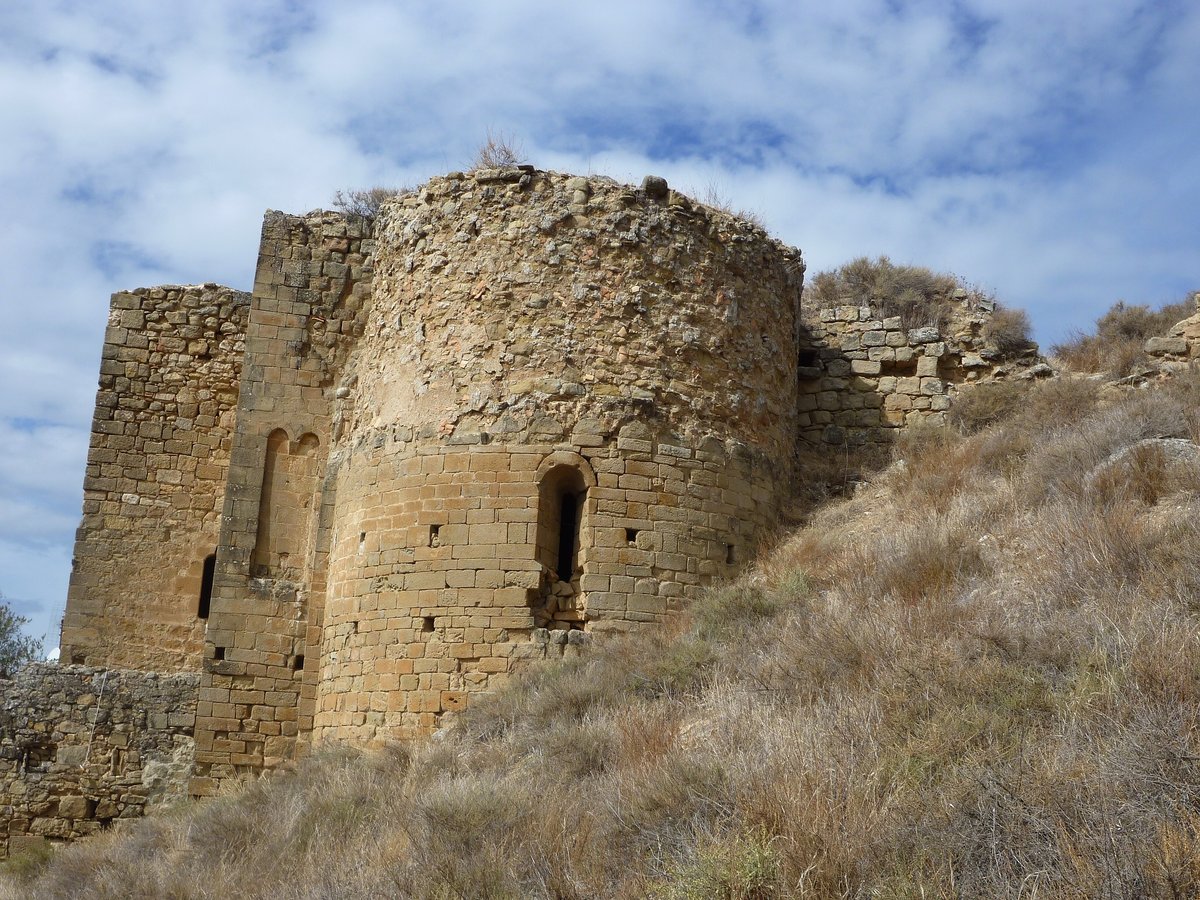
The castle's main gate opens on the south façade and is preceded by modern stairs. The exterior displays a defensive appearance, featuring a magnificent master tower finished with merlons and a battered wall with various corbels. There are two counterforts to the right of the main gate and one on the left with a barred window. The north façade features various small openings, while the east side has a wide counterfort at ground level.
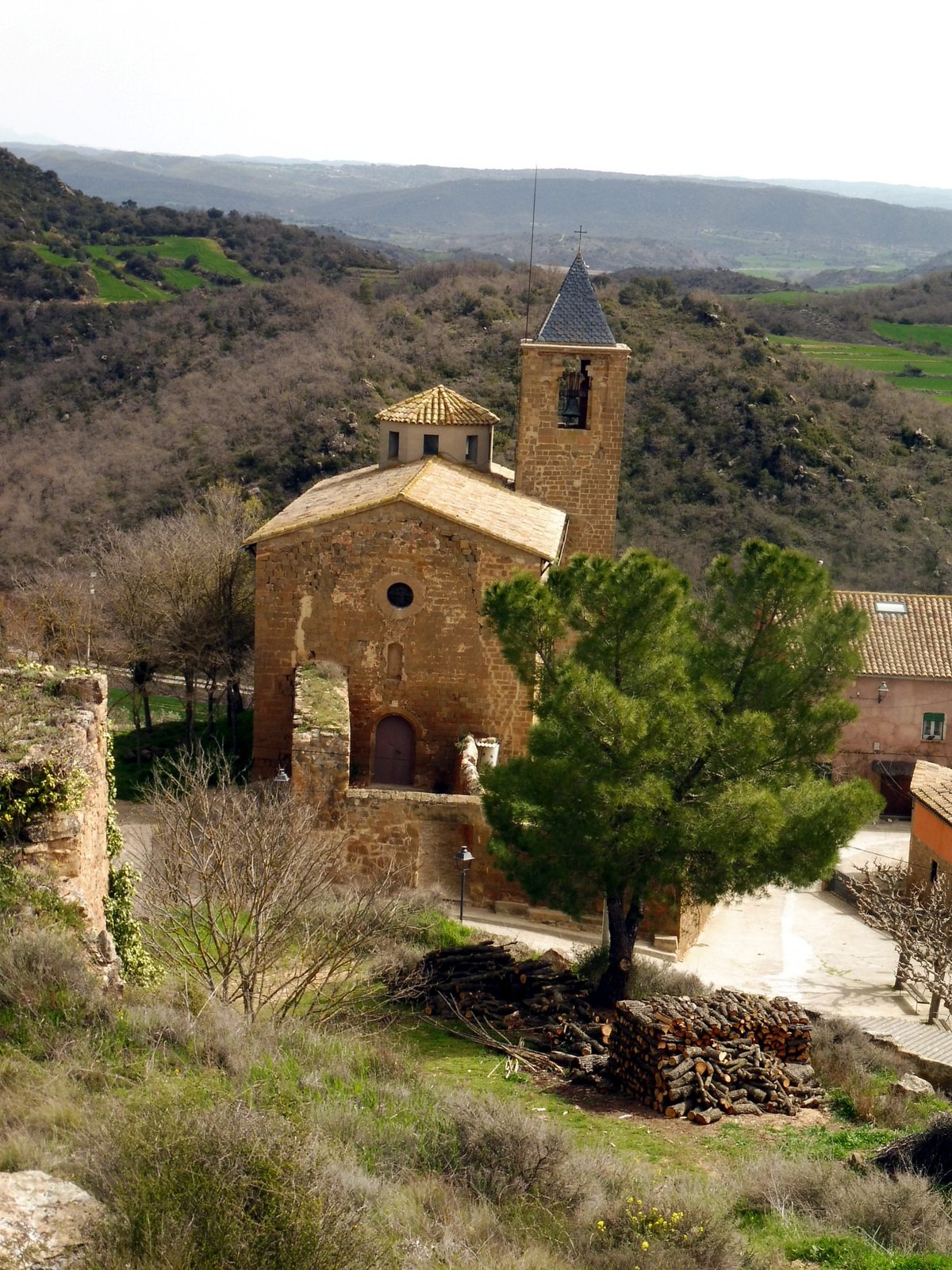
The interior reveals a series of noble spaces typical of a Gothic castle-palace. The ground floor contains the cellars, the dungeon, and spaces for the kitchen and stables. The first floor is occupied by the noble hall, equipped with a large fireplace and Renaissance windows. On the second floor, where the old patrol path once was, there is now an open terrace facing south. Inside, there is a Romanesque door to the tower and a staircase leading to the top, which offers a magnificent view of the Lleida plain. The church of Sant Pere del Castell de les Sitges is located nearby as a protected monument.
Sources: Wikipedia, OpenStreetMap, Wikidata, Wikimedia Commons
Written by Nik Frost
Discuss this with the author and others
No comments yet. Be the first to start the conversation.