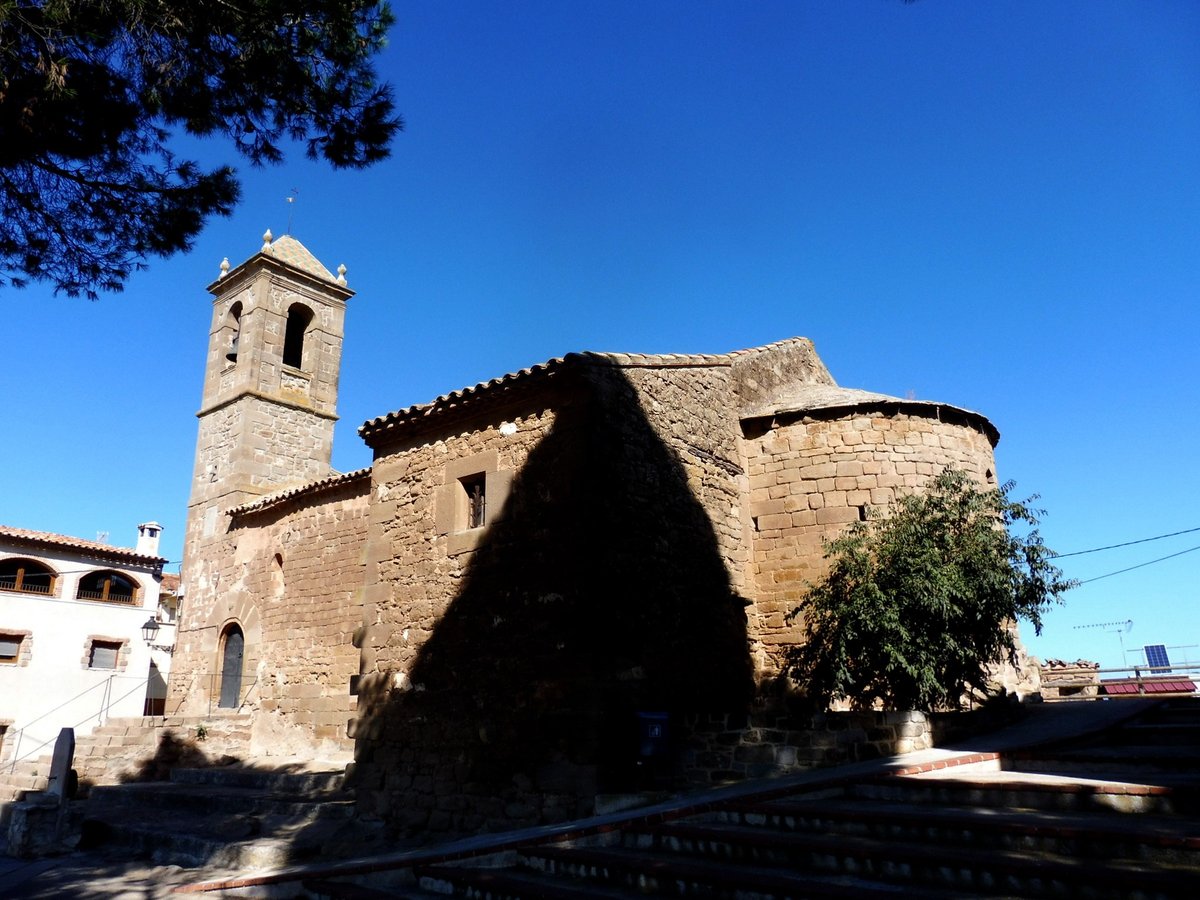

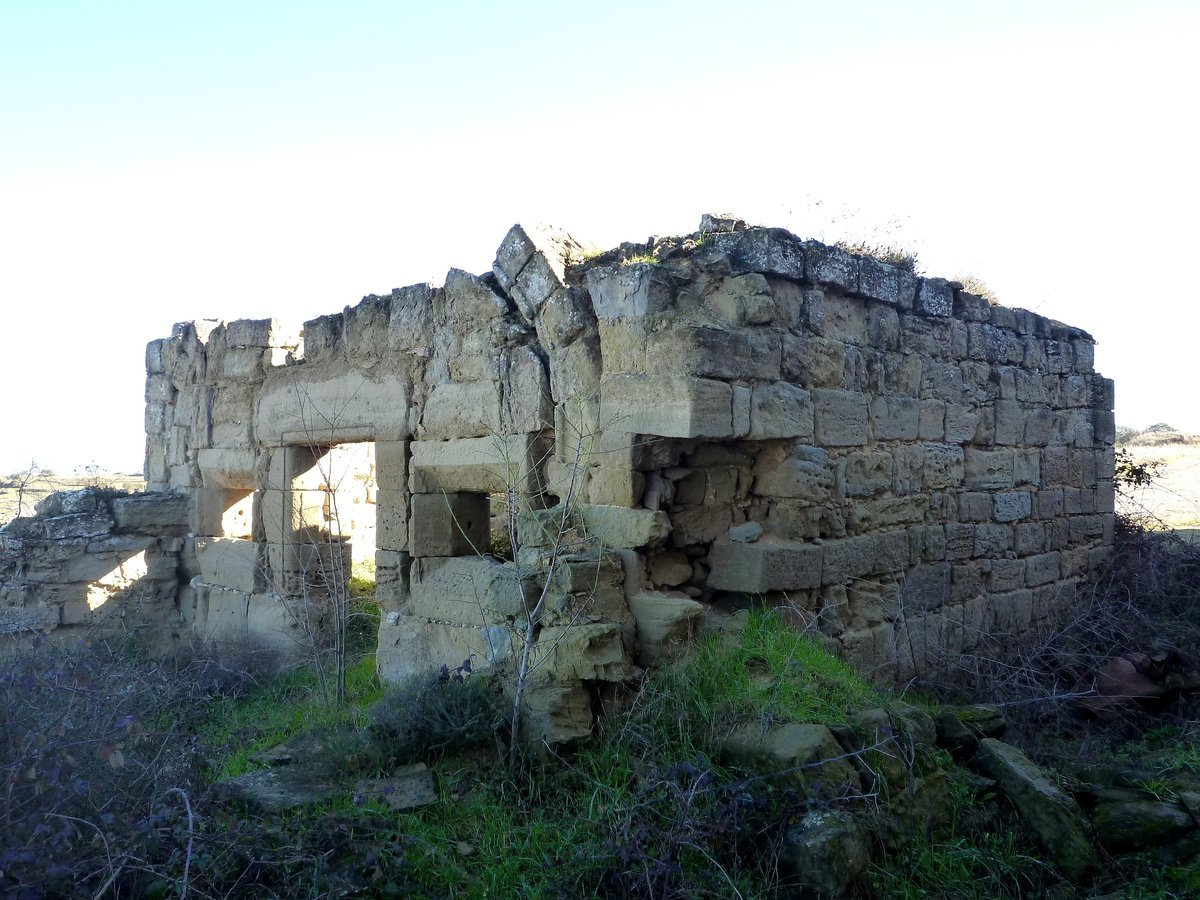
The bottom half of the apse features unpolished blocks and thicker mortar joints, while the upper half consists of a more refined, polished masonry. The sources indicate this is not a chronological difference but a technological change in the construction process during the 12th century.
The church appears in documents as early as 1054 as part of the 'kastrum de Choscolio' and is mentioned in a 1141 testament of Bishop Pere Berenguer d'Urgell. It appears again in records of the 1279 and 1280 tithe collections, and once more in 1391.
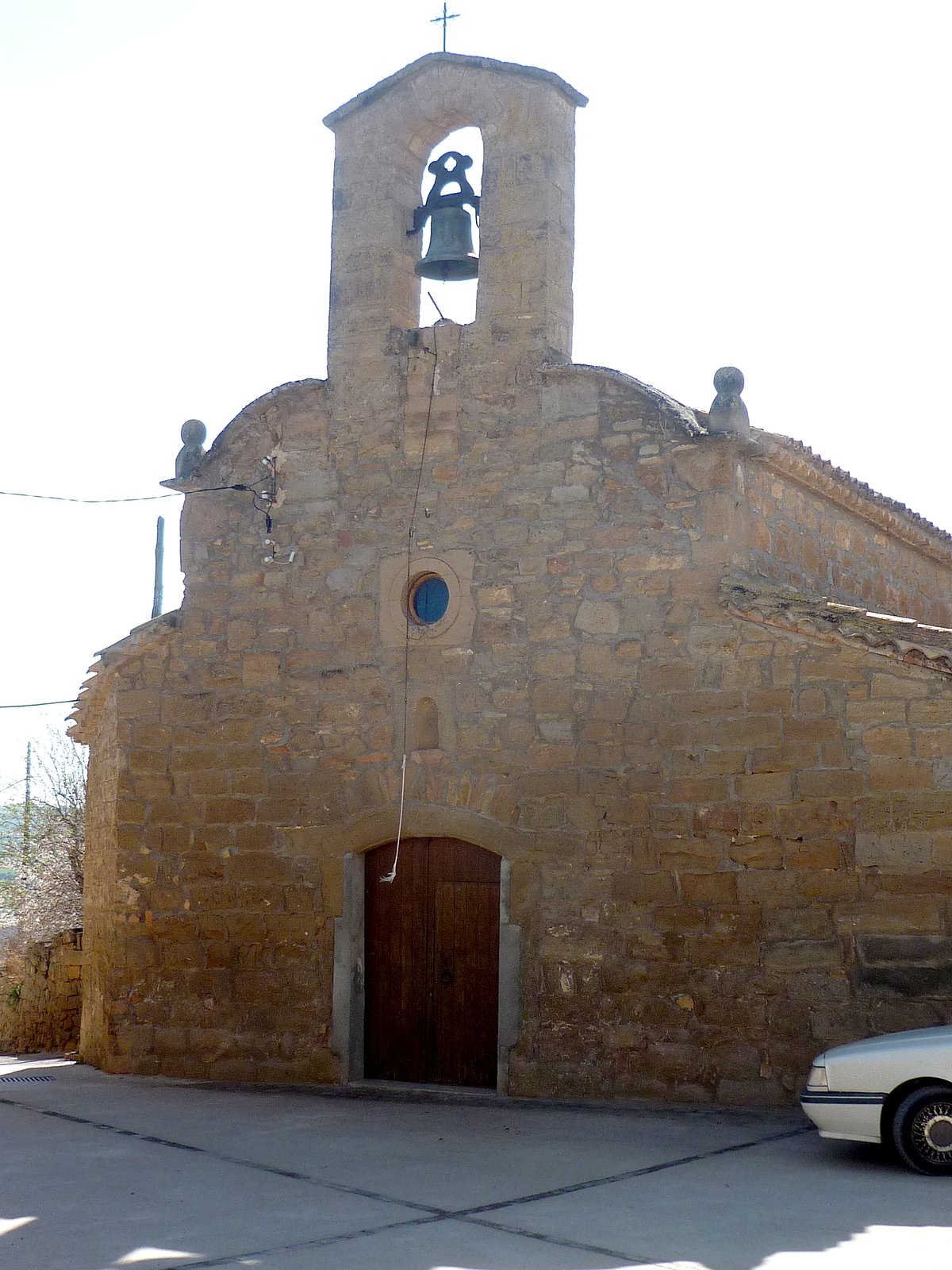
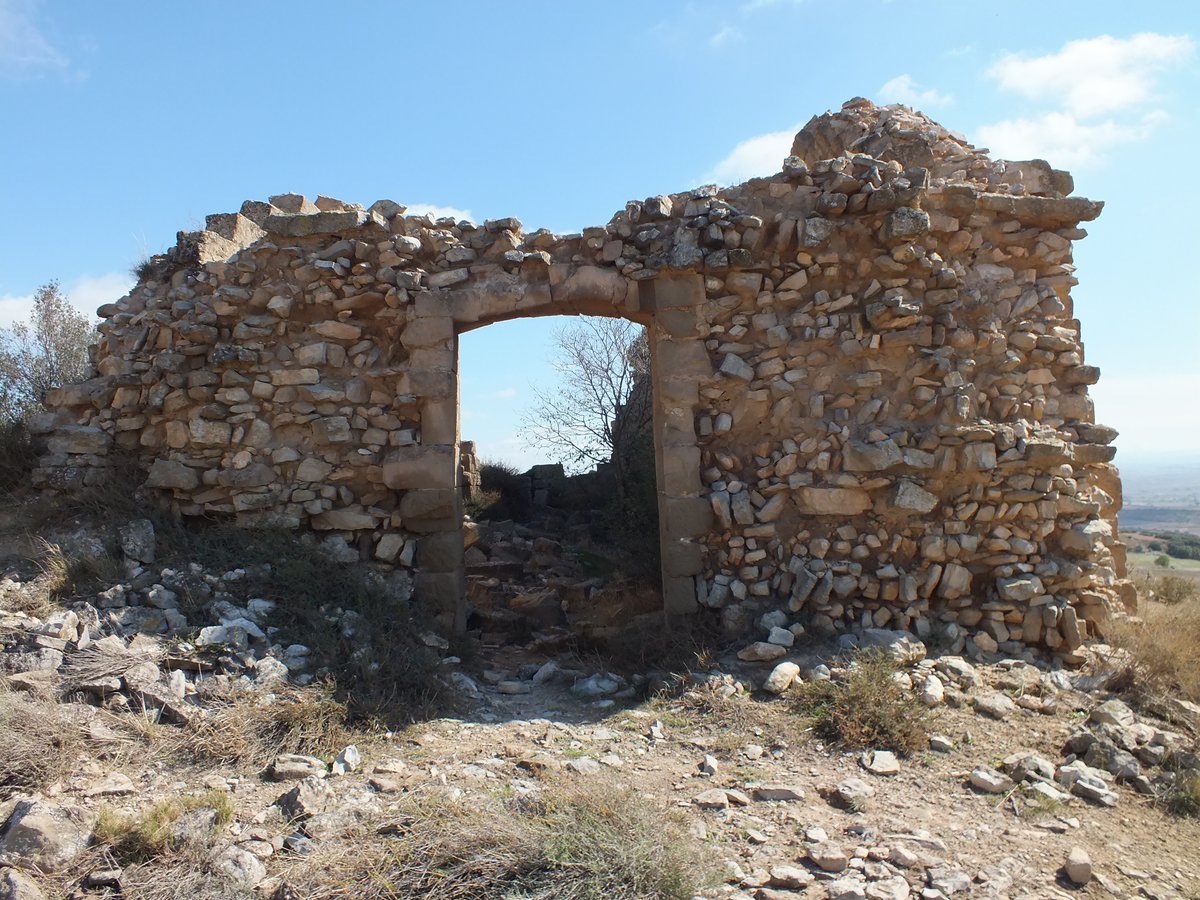
Later centuries added their own layers. In 1588, a new western portal was carved with a prominent keystone. By 1853, a square bell tower joined the southwest corner. Inside, the walls were hollowed out to create small side chapels, and a sacristy was tucked into the southeast corner.
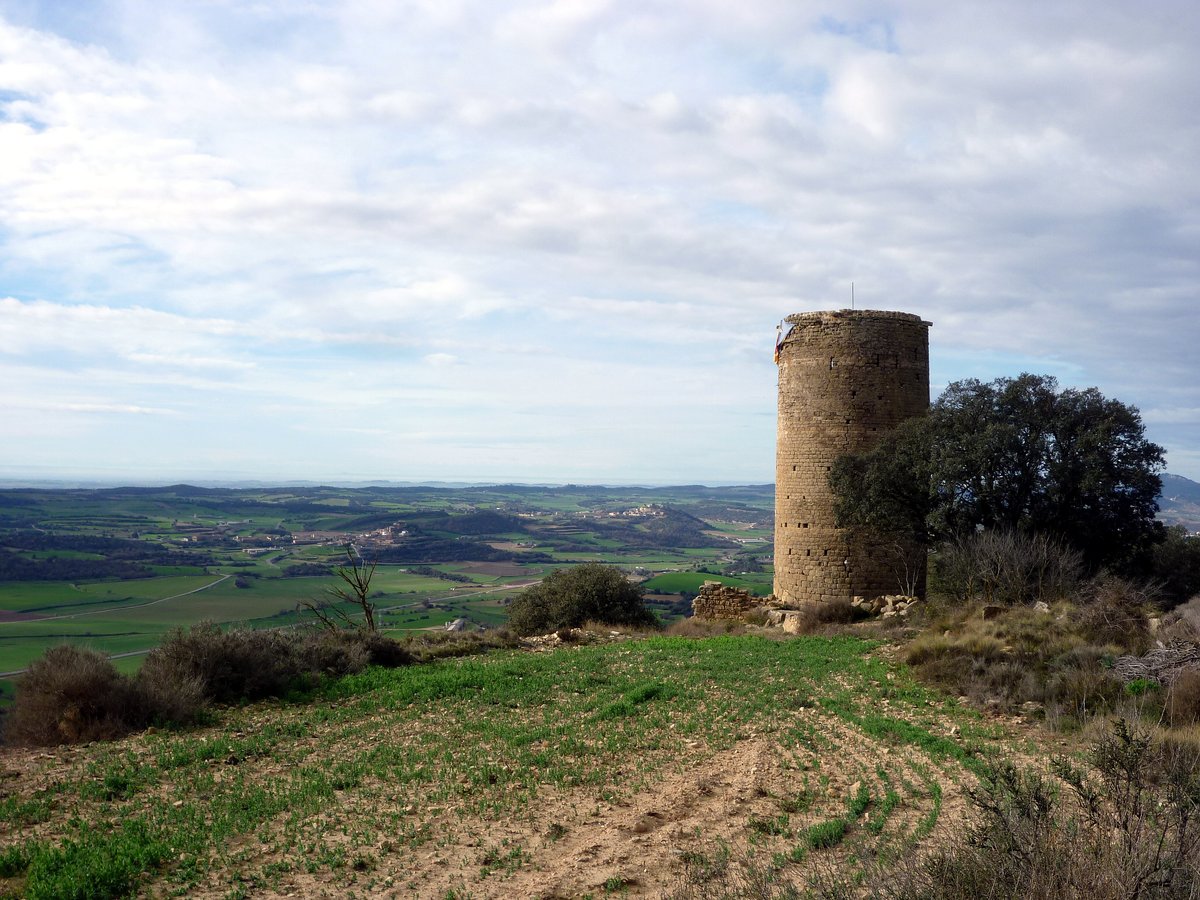
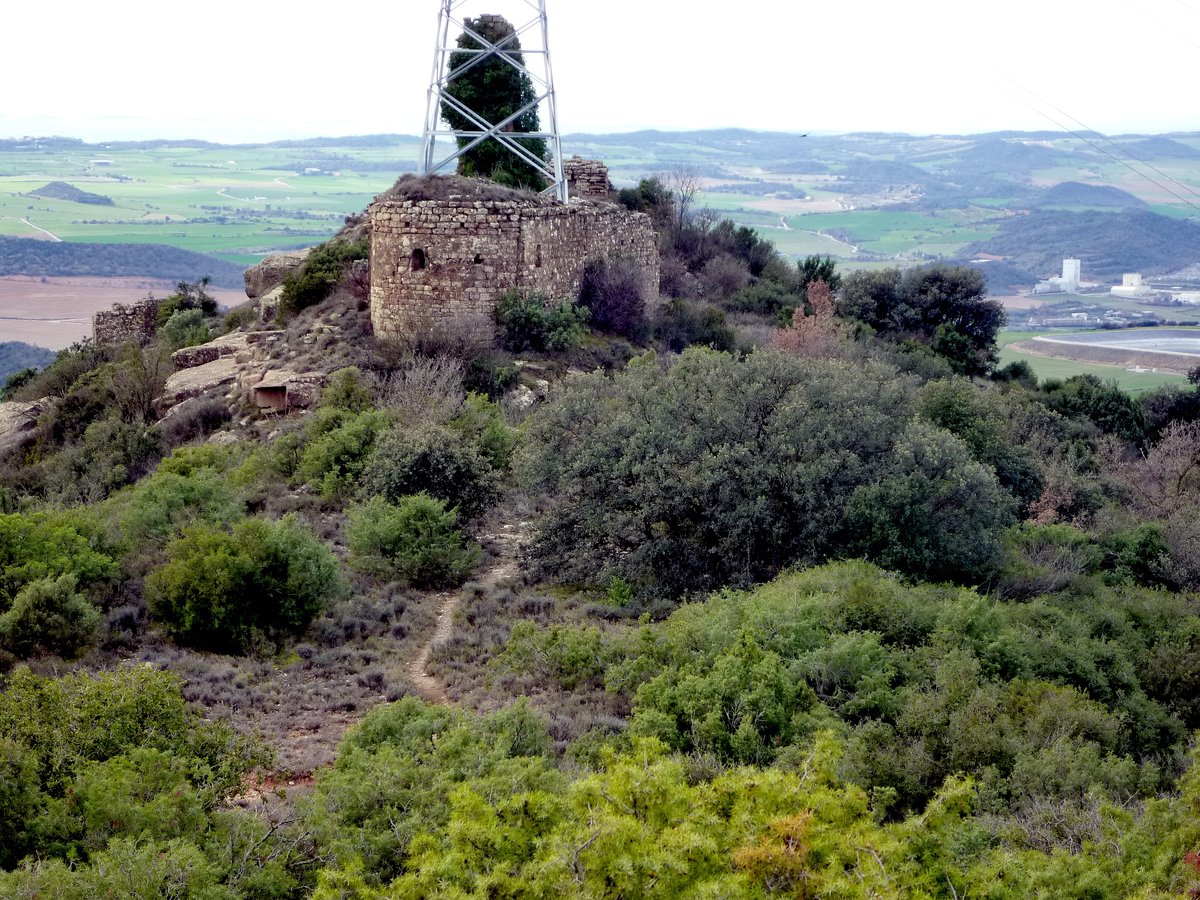
Today, the church sits on the southern slope of the Pitxell mountains. It is a single-nave building with a semicircular vault and a semicircular apse located northeast of the urban center of Coscó.
Sources: Wikipedia, OpenStreetMap, Wikidata, Wikimedia Commons
Written by Nicolo Ciampini
Discuss this with the author and others
No comments yet. Be the first to start the conversation.