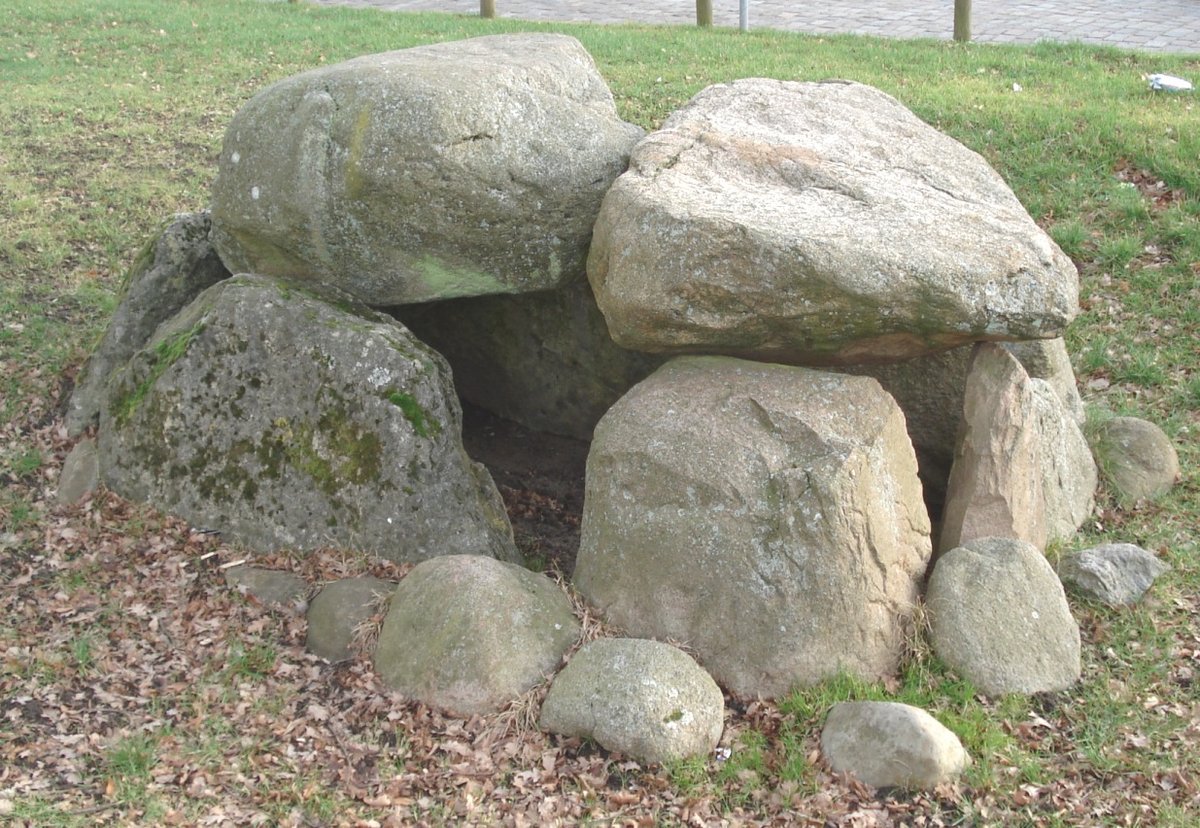
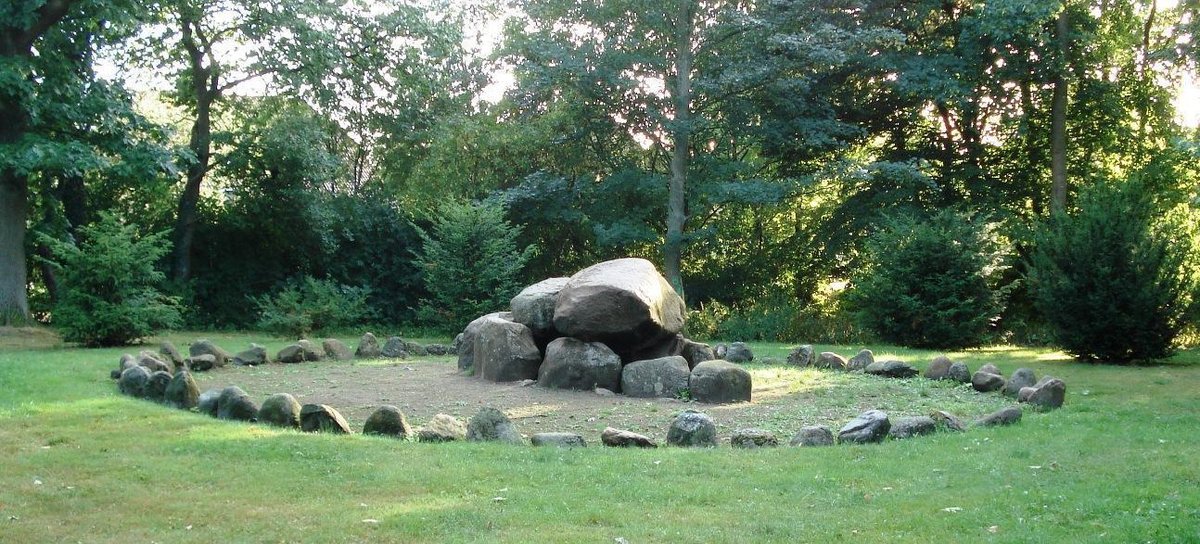
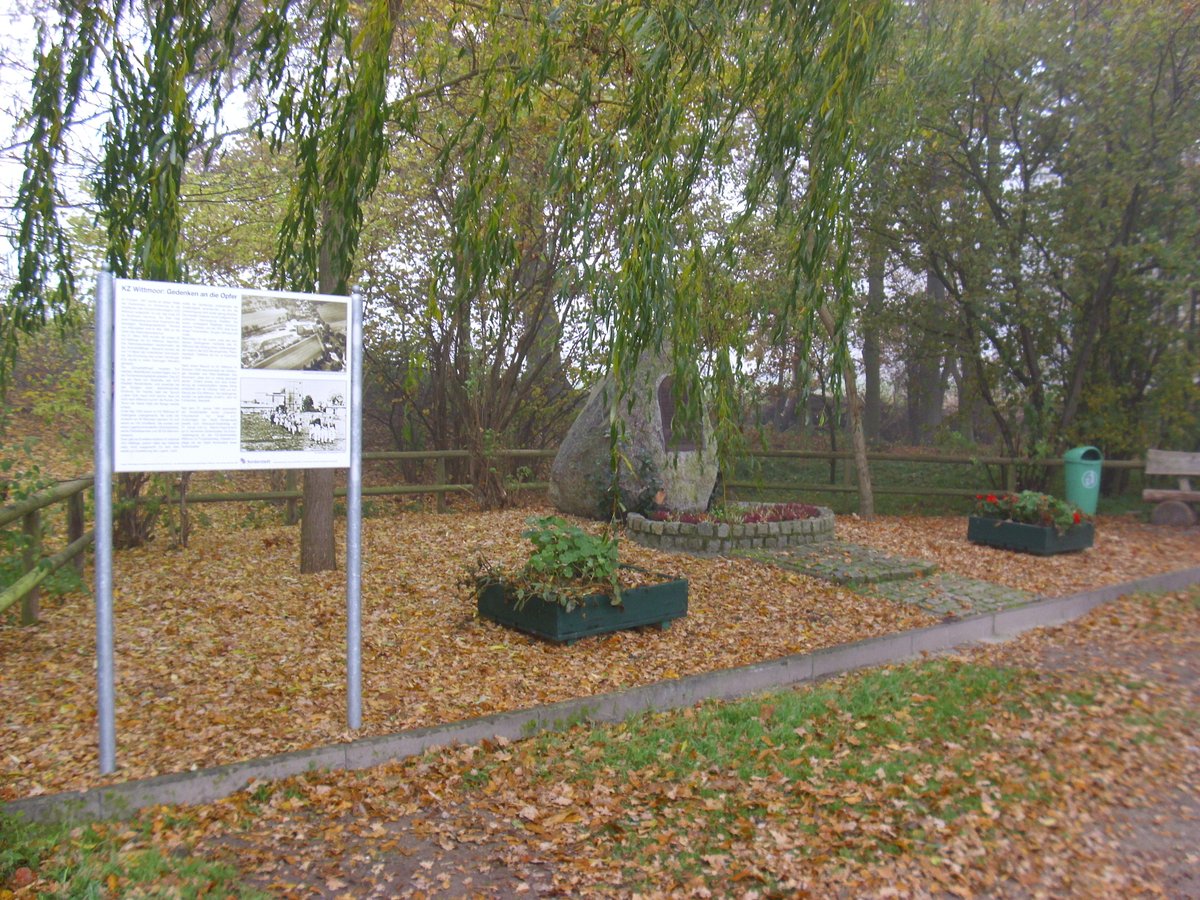
A massive pit, roughly 10.0 by 8.0 meters, was once dug 1.4 meters into the ground in the region of Ratekau. The site was discovered in 1979 in Sereetz, northeast of Lübeck in Schleswig-Holstein. Since 1980, the structure has stood on a lawn in the center of Ratekau, located in the immediate vicinity of the Ratekauer Feldsteinkirche and the Wilhelmseiche.
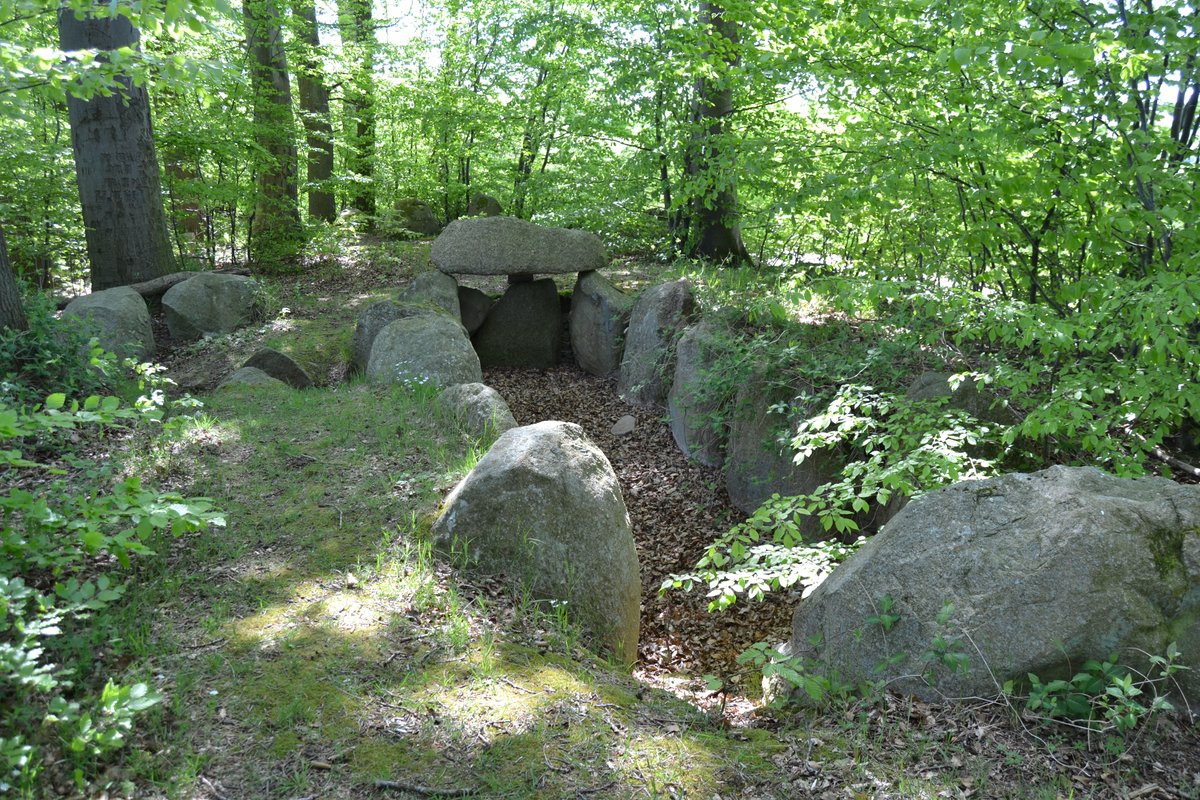
The chamber was formed by four large monoliths forming the north and south sides. The exterior of the structure was lined with fieldstones of different sizes, and the west side was sealed with smaller stones. While the western end stone and both cover stones were removed during previous private actions, the site preserves a small area of the interior floor, measuring about 2.0 by 1.4 meters, which retains the paving of burnt flint.
Archaeologists found human bone remains in the tomb, likely belonging to two men. One man was estimated to have reached the age of 17–25, while the second man was estimated to have reached the age of 35–45. Numerous grave goods were recovered from the site, including shattered ceramics, ground flint axes, arrowheads of various shapes, and a fragment of an amber bead.
This inventory proves that the last buried individuals did not live during the Funnelbeaker culture, which existed from approximately 4,000 to 2,800 BCE. Instead, evidence suggests the sunken stone box was created at the end of the Neolithic period during the presence of the Bell Beaker people. The site is correctly referred to in literature as the Dolmen von Ratekau.
Sources: Wikipedia, OpenStreetMap, Wikidata, Wikimedia Commons
Written by Aurora
Discuss this with the author and others
No comments yet. Be the first to start the conversation.