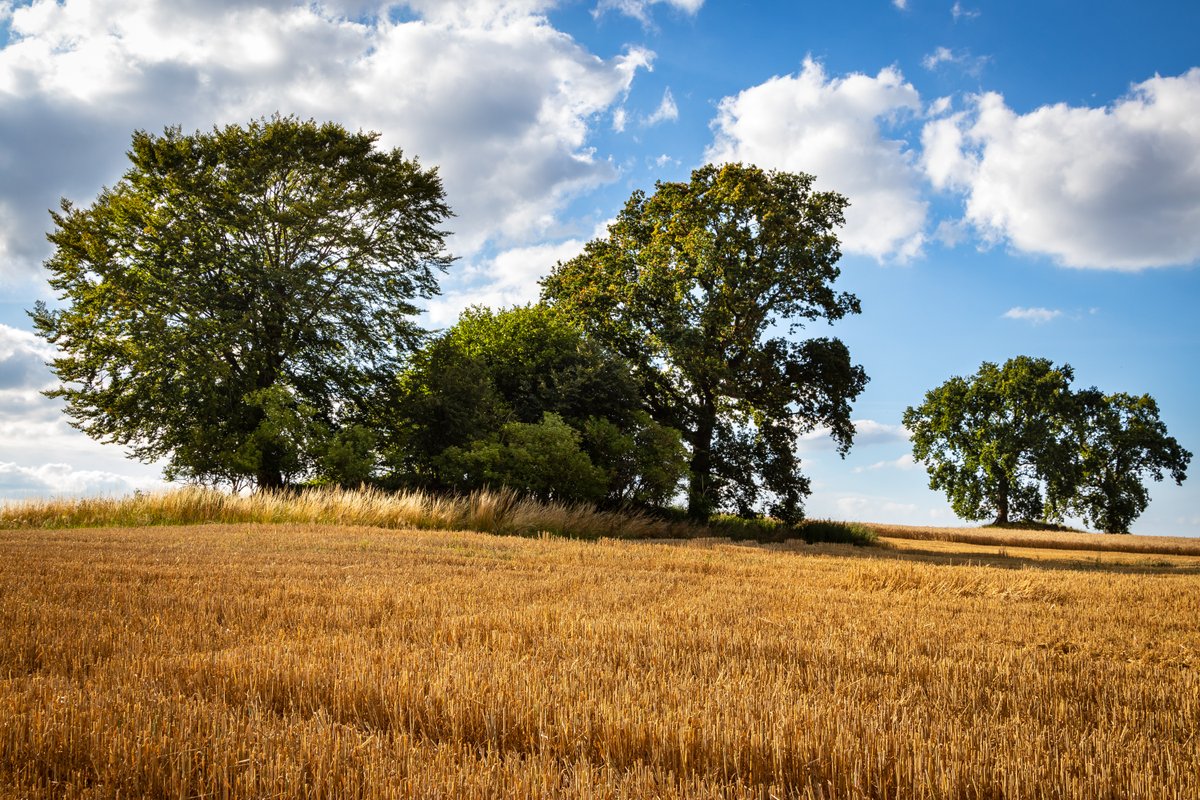
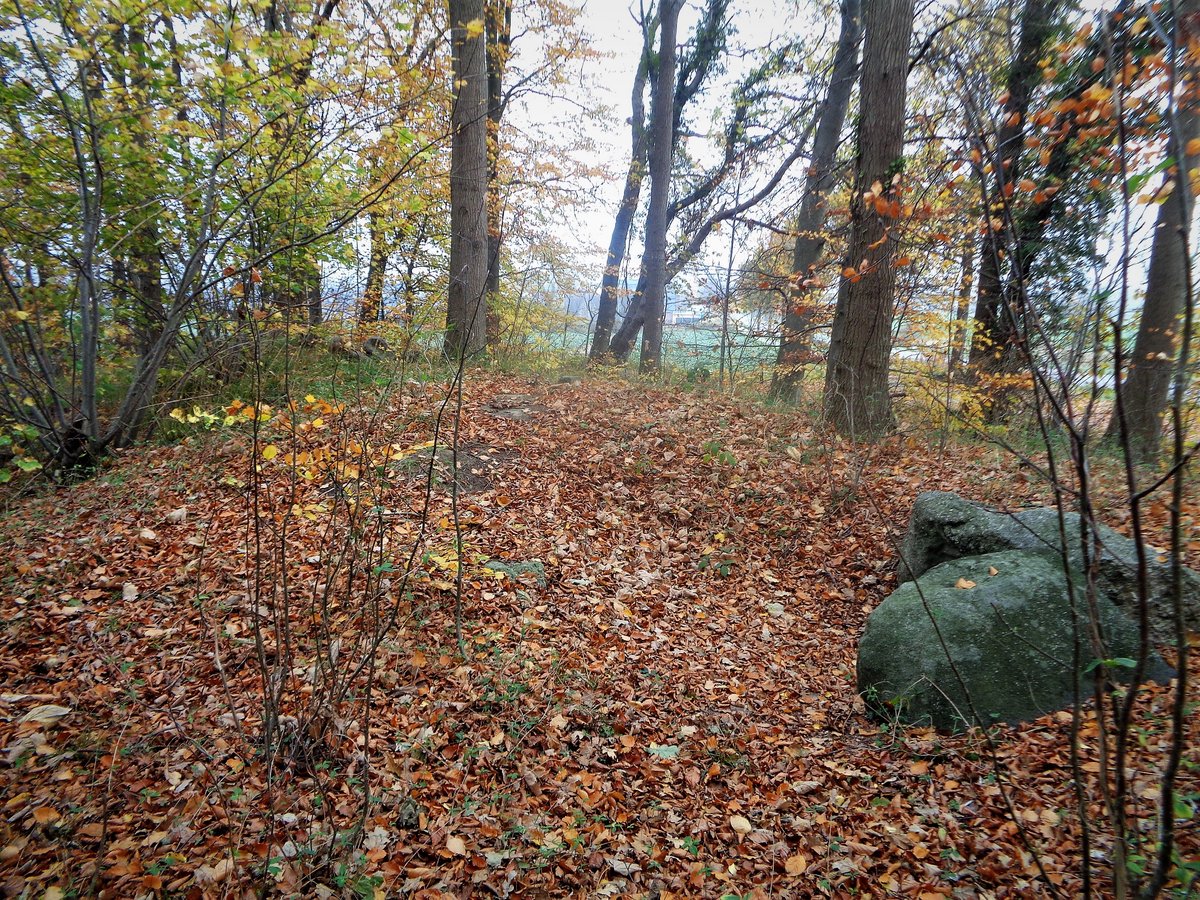
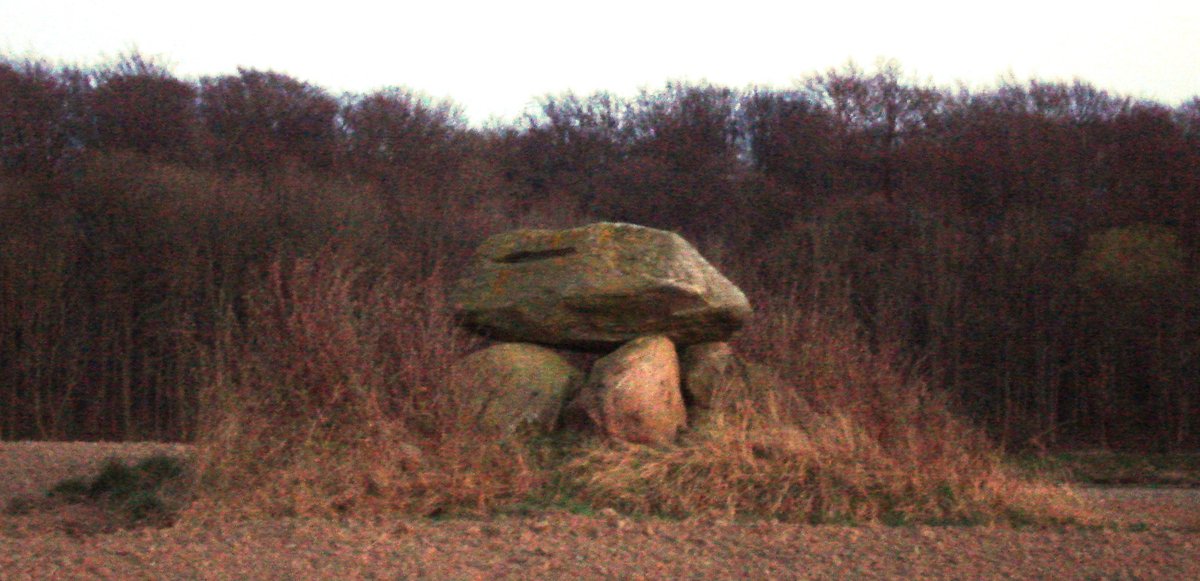
Two megalithic tombs rest in a quiet field north of Neutestorf, where the grass yields to islands of trees and shrubs. These are the Großsteingräber bei Neutestorf, structures born from the Neolithic Funnelbeaker culture. They sit in the landscape like heavy, stony memories, separated by only eighty metres of earth.
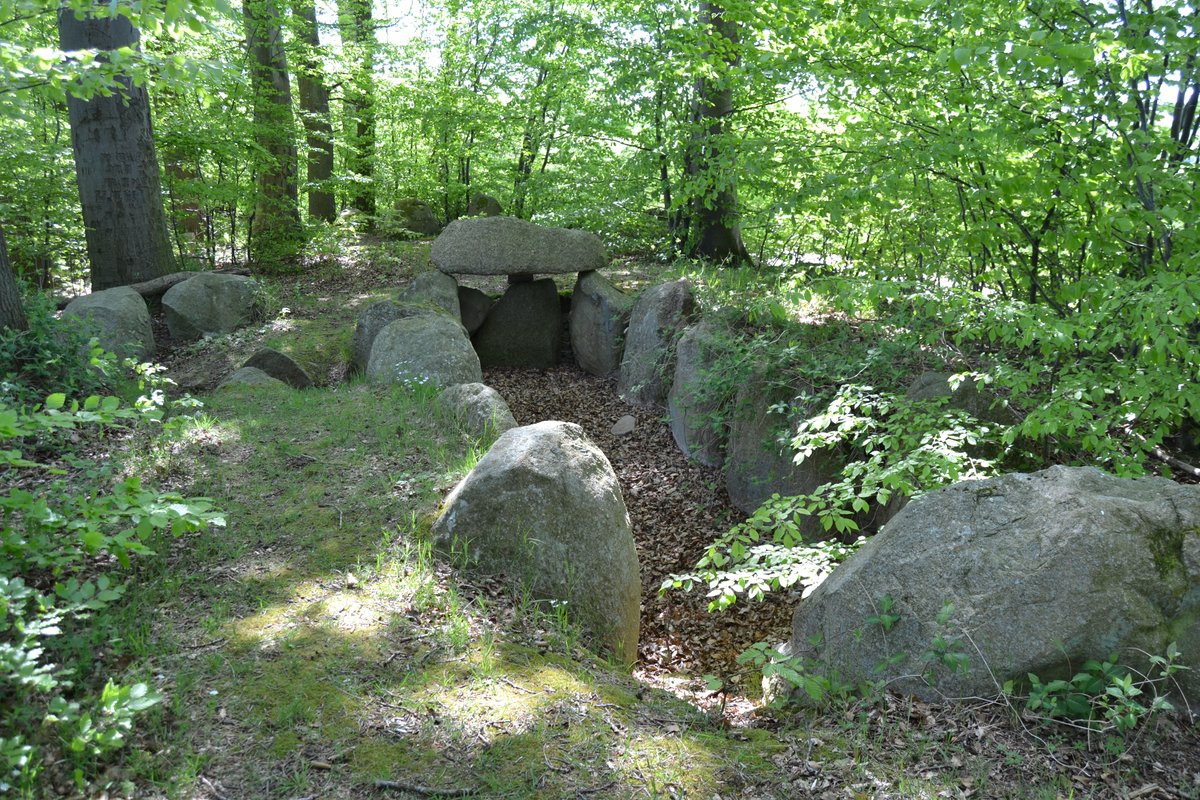
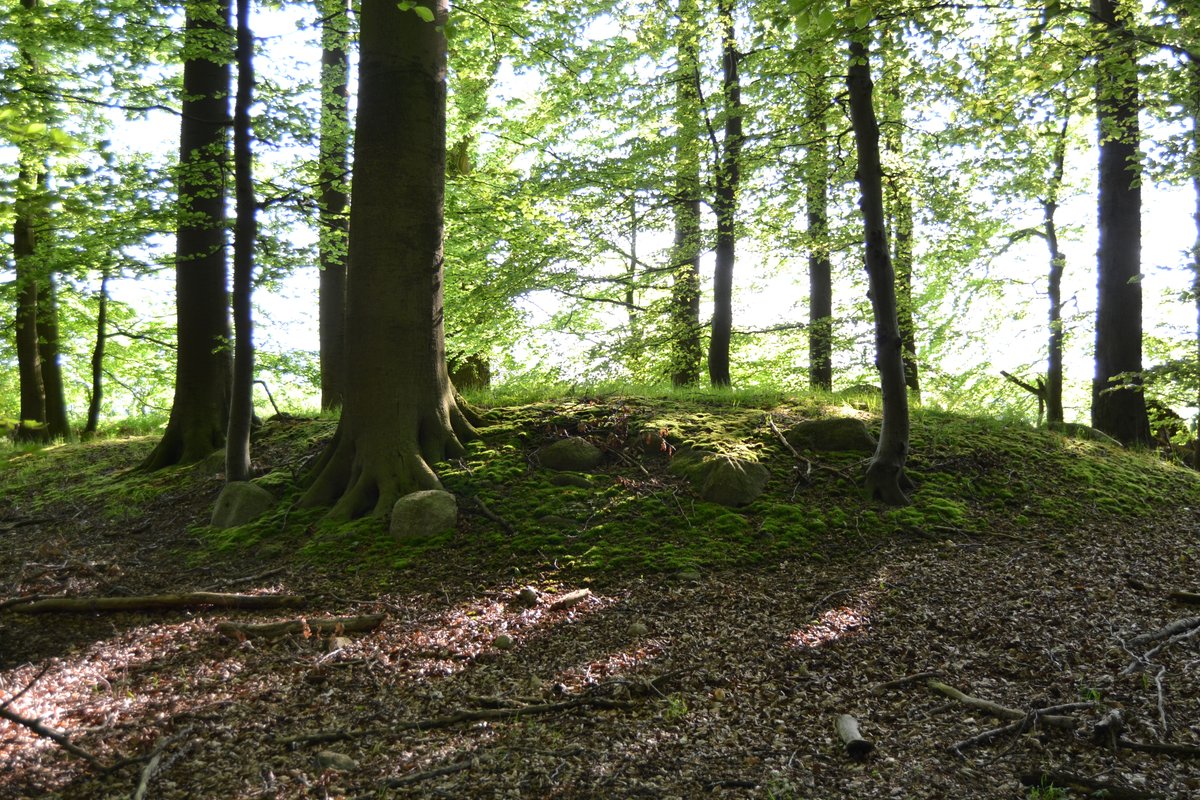
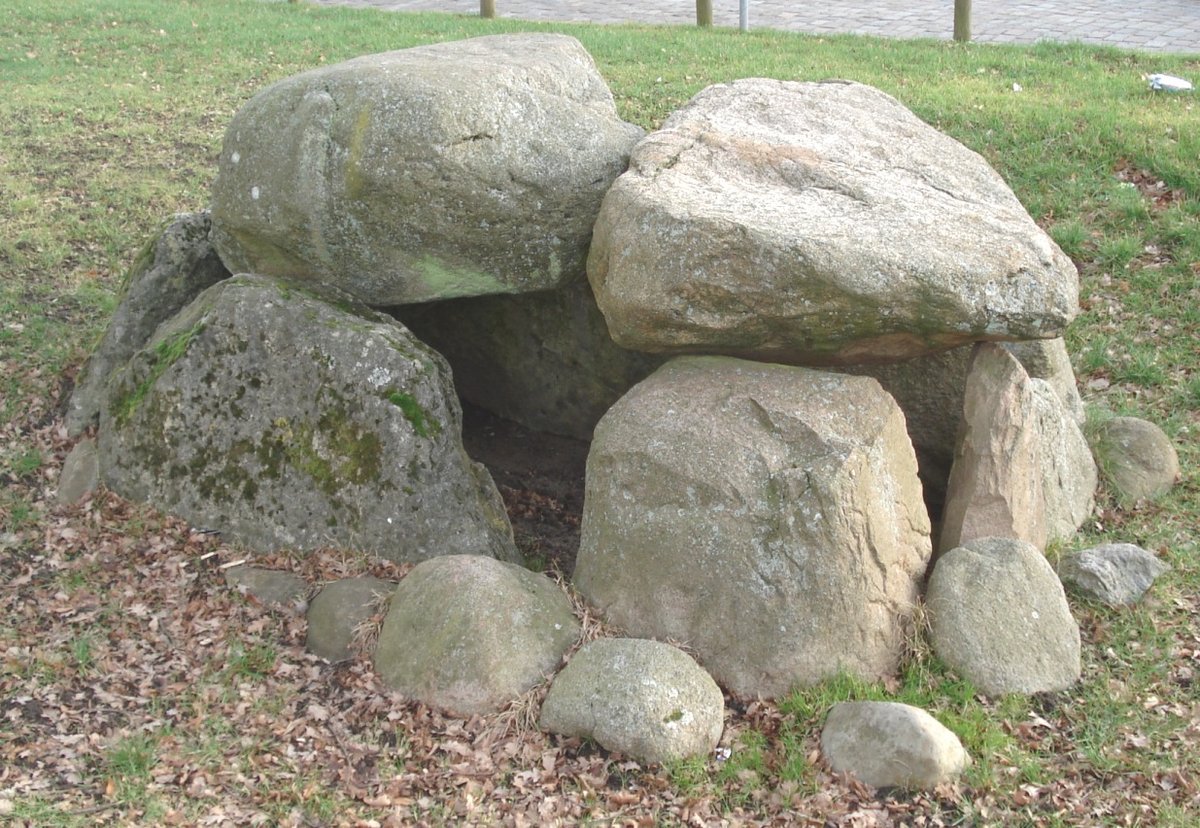
Grab 1 features a northeast-southwest oriented stone chamber, known as a Hünenbett, which was perhaps 16 m long and 7 m wide. The current mound of Grab 1 has drifted to a length of 18 m and a width of 10 m. Most of the surrounding stones are still present but almost all are toppled or moved. The burial chamber itself measures 4 m in length and 1.5 m in width. Only one of the originally four capstones remains, and it has fallen into the interior of the chamber. The entrance is preceded by a passage with a pair of wall stones and a shifted capstone, with a width of 0.5 m.
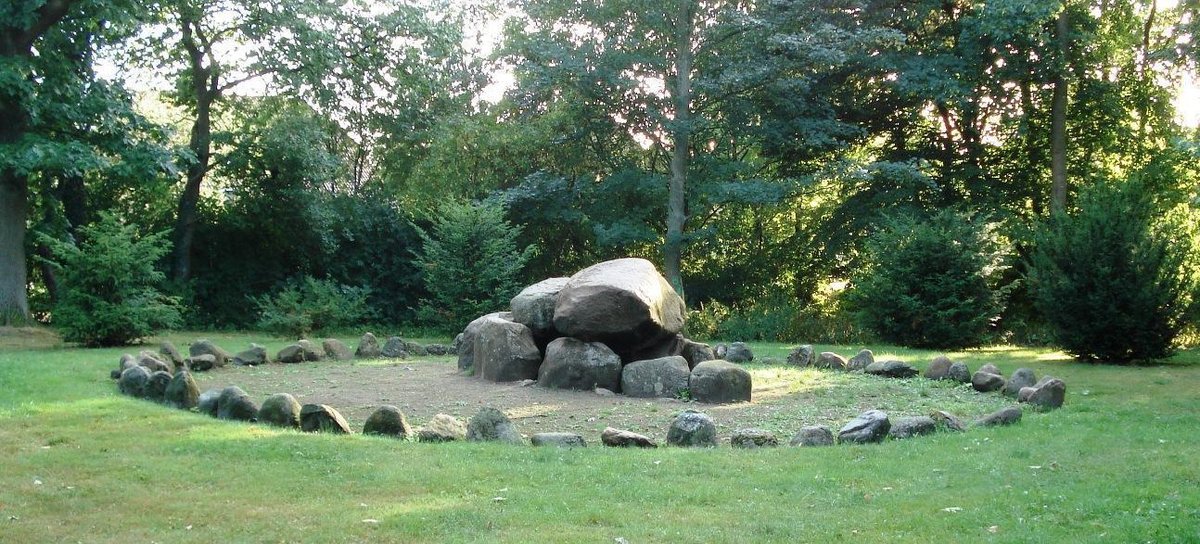
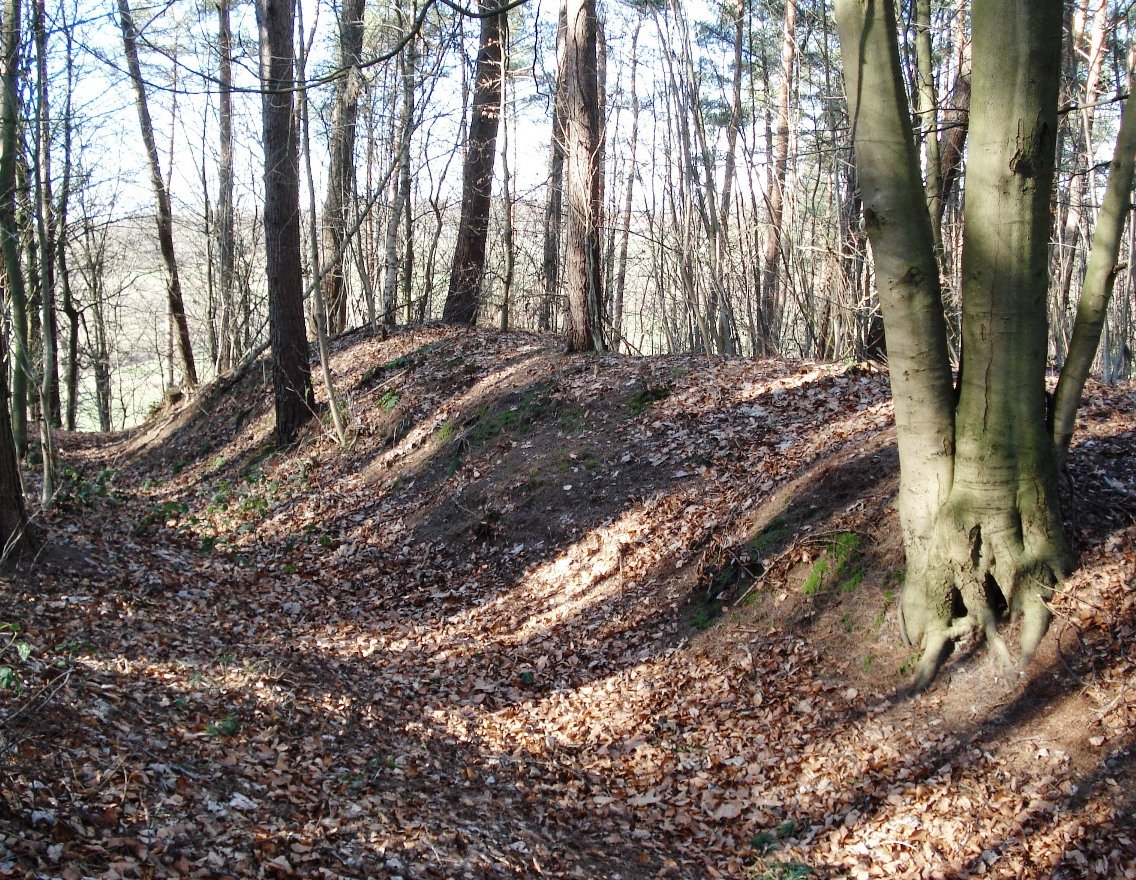
Just to the south lies Grab 2, a larger gallery grave that tells a story of both ancient construction and modern interference. It originally had a length between 18 m and 20 m. Today, modern disturbances caused the mound to spread into an irregular shape 26 m long and 17 m wide. The burial chamber is oriented northwest-southeast and is likely a variant of the Holsteiner Kammer type. The chamber measures approximately 6 m in length and at least 1.5 m in width, with a slightly trapezoidal floor plan that is wider at the southeast end. While many of its stones have been displaced, three remain in situ as wall stones of the northeastern long side.
In 1933, Manfred von Abercron archaeologically investigated Grab 2. Numerous grave goods were discovered in the chamber filling in 1933, including several ceramic shards with deep-engraved decorations. Two narrow chisels were also found in the chamber. These small objects provide a tactile link to a society of builders and makers.
To see these sites today, one must walk off the established paths through the agricultural land. They sit as quiet neighbors to the nearby graves of Hansühn and Testorf, forming a cluster of prehistoric monuments in the Schleswig-Holstein countryside.
Sources: Wikipedia, OpenStreetMap, Wikidata, Wikimedia Commons
Written by Aurora
Discuss this with the author and others
No comments yet. Be the first to start the conversation.