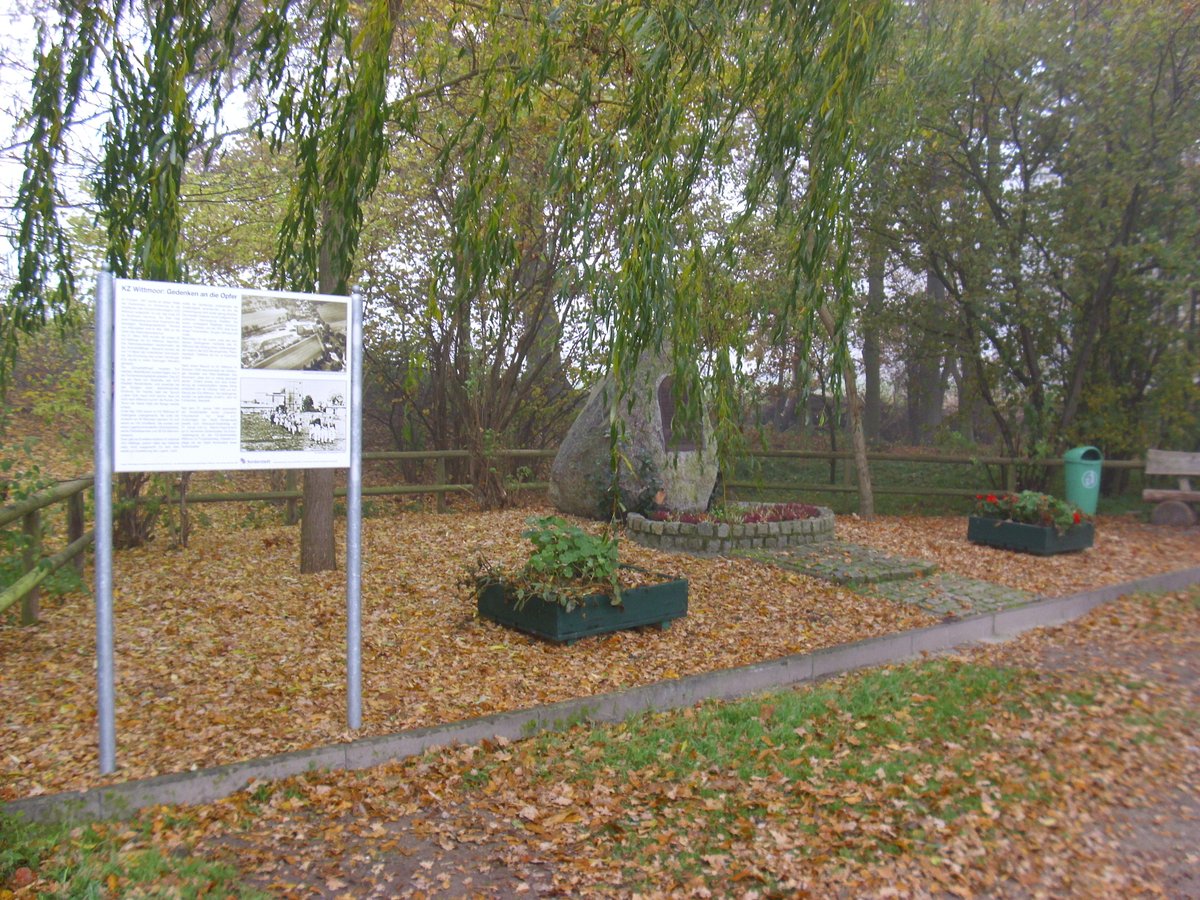
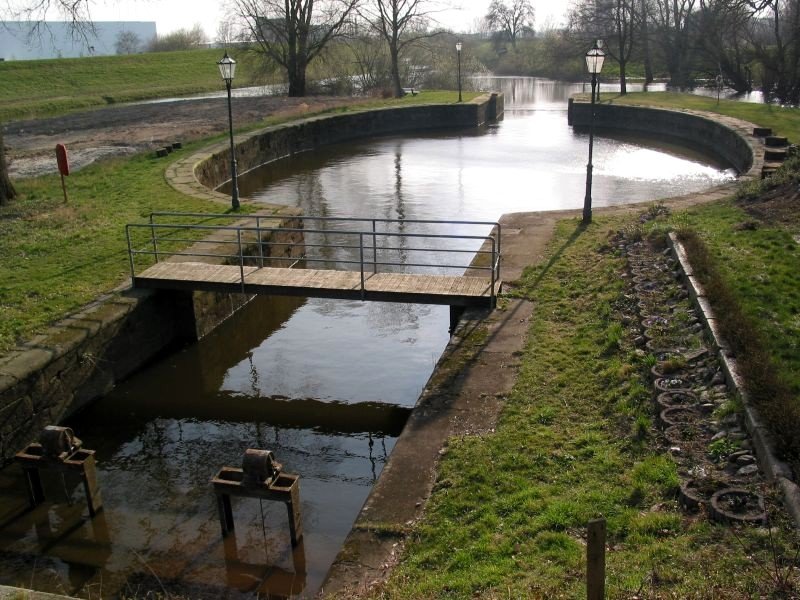
The ground here at the Wittmoor is soft, a former peat processing site where the landscape was once shaped by industry. In March 1933, that same earth was repurposed for a different kind of labor. The Nazi regime ordered the establishment of a concentration camp on this land.
On April 10, 1933, the first twenty prisoners were led behind barbed wire. They were the early captives of a new era of repression: political opponents of National Socialism who were to be "reeducated" through the grueling physical demands of the land. Among them were members of the KPD, including Alfred Levy, a former local assembly member. The ranks also included members of the SPD, the SAPD, and Jehovah's Witnesses. The regime cast a wide net, even including homosexuals and transvestites in this early experiment of detention.
The first task for those twenty people was the repair of dilapidated buildings. As the months progressed, the camp swelled until it reached a capacity of 140 inmates by September 1933. The intended scale was much larger - the authorities had planned to house 800 prisoners here - but the geography of the moor proved too small. The accommodations were poorly suited for the season, lacking any form of winterproofing.
Work became the primary method of control. The prisoners were forced into peat extraction and moor cultivation. While the Hamburg Gauleiter and Reichsstatthalter Karl Kaufmann reportedly complained that the treatment of the inmates was "too lax," the reality was a steady, supervised grind. Police officers and auxiliary police maintained the perimeter, ensuring that while no significant assaults occurred during this period, the presence of the camp remained a heavy weight on the local psyche.
The dread was palpable enough to enter the local folklore. A folk saying circulated among the people: "Lieber Gott, mach mich stumm, dass ich nicht nach Wittmoor kumm!" The site functioned as a precursor to the more notorious systems to come.
By October 1933, the camp's role began to shift as the SS moved to unify the concentration camp system. Justizsenator Curt Rothenberger ordered its closure. On October 17, 1933, the camp was completely cleared. The prisoners were moved to the Hamburg-Fuhlsbüttel camp, known as Kola-Fu.
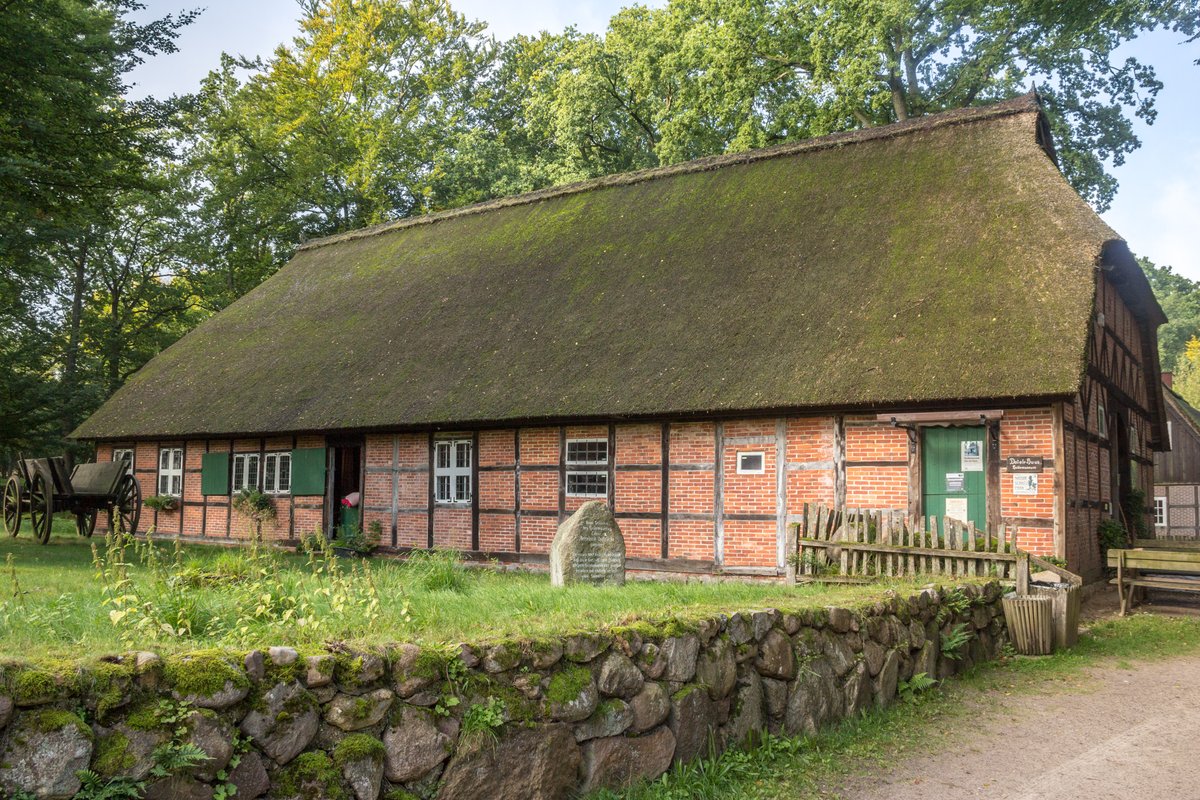
Today, the history of the site is marked by stone and memory. A memorial stone stands at the corner of Bilenbarg and Am Moor. In the nearby village of Glashütte, another memorial stone was erected at Fuchsmoorweg; this stone contains excerpts from a 1985 speech by Richard von Weizsäcker. The memorial plaque at the Fuchsmoorweg site in Glashütte was willfully damaged several times, most recently in 2003. The Chaverim association has maintained the space since 1999, planting trees and flowers to mark the anniversary of Kristallnacht and Holocaust Memorial Day.
Sources: Wikipedia, OpenStreetMap, Wikidata, Wikimedia Commons
Written by Aurora
Discuss this with the author and others
No comments yet. Be the first to start the conversation.