The Rathausmarkt never served as a regular marketplace, with the exception of the Christmas market. It is a name that rests on the tongue without the weight of a working market - a place of ceremony and gathering rather than commerce. Today, the reddish granite from Italy gives it a warm, saturated glow that the local papers once nicknamed the red square. It is a wide, deliberate stage of 130 by 90 meters, framed by the massive walls of the Hamburg Rathaus and the flowing water of the Kleine Alster.
Before the stones were laid, the site held a different kind of weight. Until the 19th century, the medieval Dominican monastery of St. Johannis occupied this ground. It was a sprawling religious complex where a former monastery church served as a city church after the Reformation. The buildings were rearranged for practical use during the French occupation, housing a gymnasium and a warehouse. One street, Hinter dem Breiten Giebel, actually cut through the choir of the church. By 1841, the monastery was demolished to create an open void called Johannis-Platz, which eventually became the square we recognize today.
The design of the current space reflects a sense of architectural harmony, drawing inspiration from Gottfried Semper and the visions of Alexis de Chateauneuf. While it evokes the layout of the Markusplatz in Venice, it has seen the rise and fall of empires - housing a large equestrian statue of Emperor Wilhelm I until 1930, only to be renamed Adolf-Hitler-Platz in 1933. The square has been a palimpsest of politics, reclaiming its original name after 1945 and shifting its role from a tram hub in the 1970s to a pedestrian-friendly center.
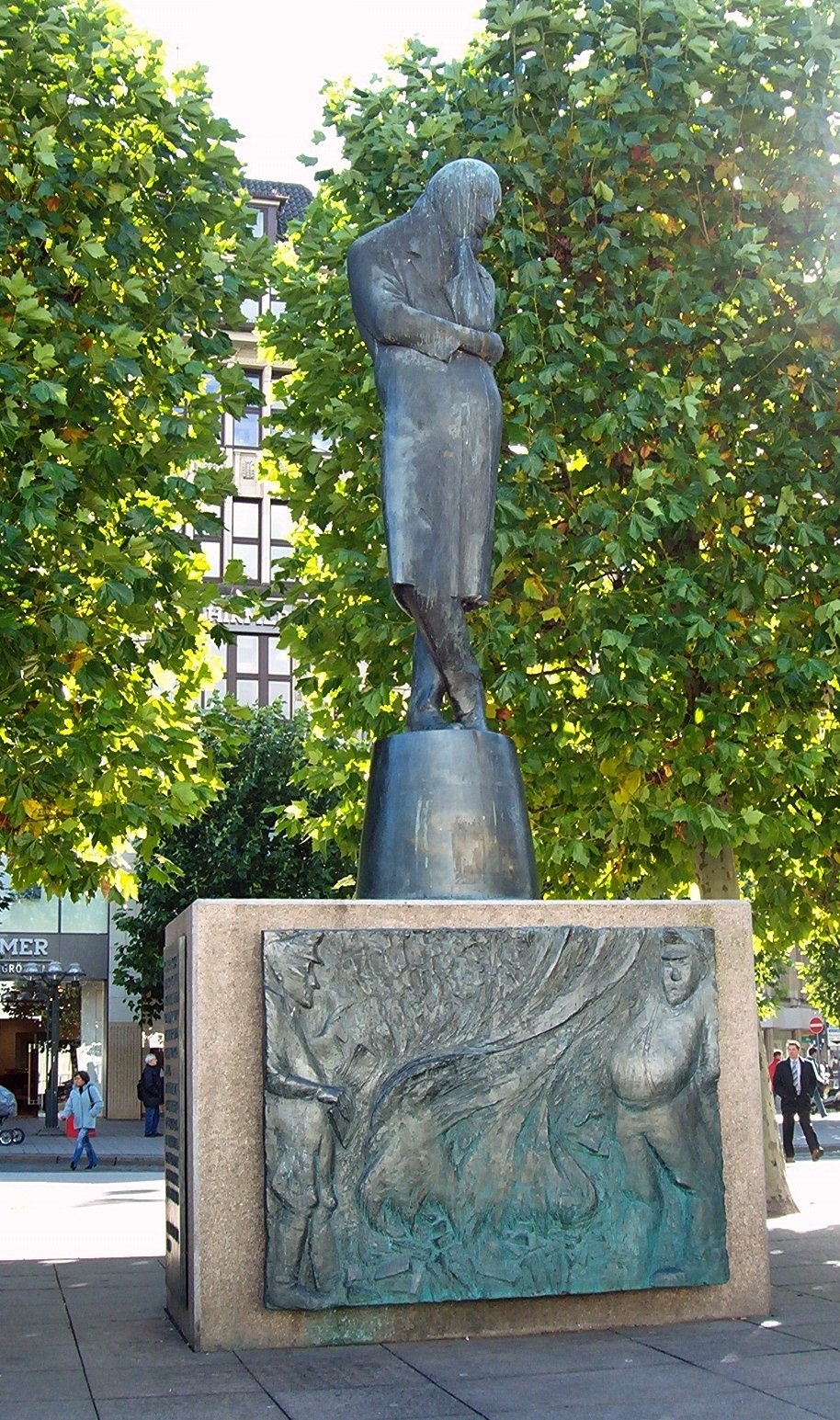
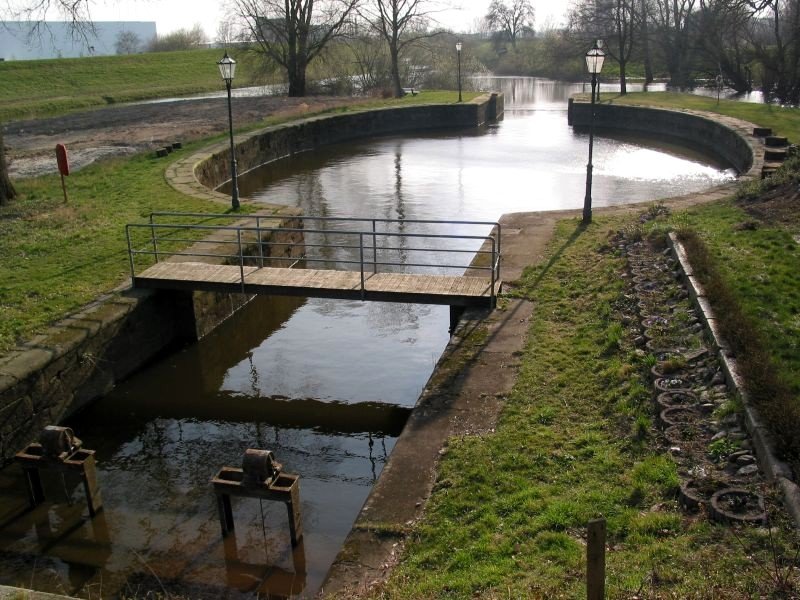
Standing here now, the presence of the past feels layered. You can see the quarter-circle free stairs designed by Johann Hermann Maack that lead down to the water. At the northern end, the Schleusenbrücke bridge holds the Hamburger Ehrenmal, a memorial for the fallen of the two World Wars that has stood since 1932. There is a quiet persistence to the granite - a renovation from summer 1980 to May 1982 to calm traffic, which used reddish granite from Italy and saw costs rise to 38.5 million D-Marks. It remains a place for the public to simply occupy, to stand still, and to watch the water move.
Sources: Wikipedia, OpenStreetMap, Wikidata, Wikimedia Commons
Written by Aurora
Discuss this with the author and others
No comments yet. Be the first to start the conversation.