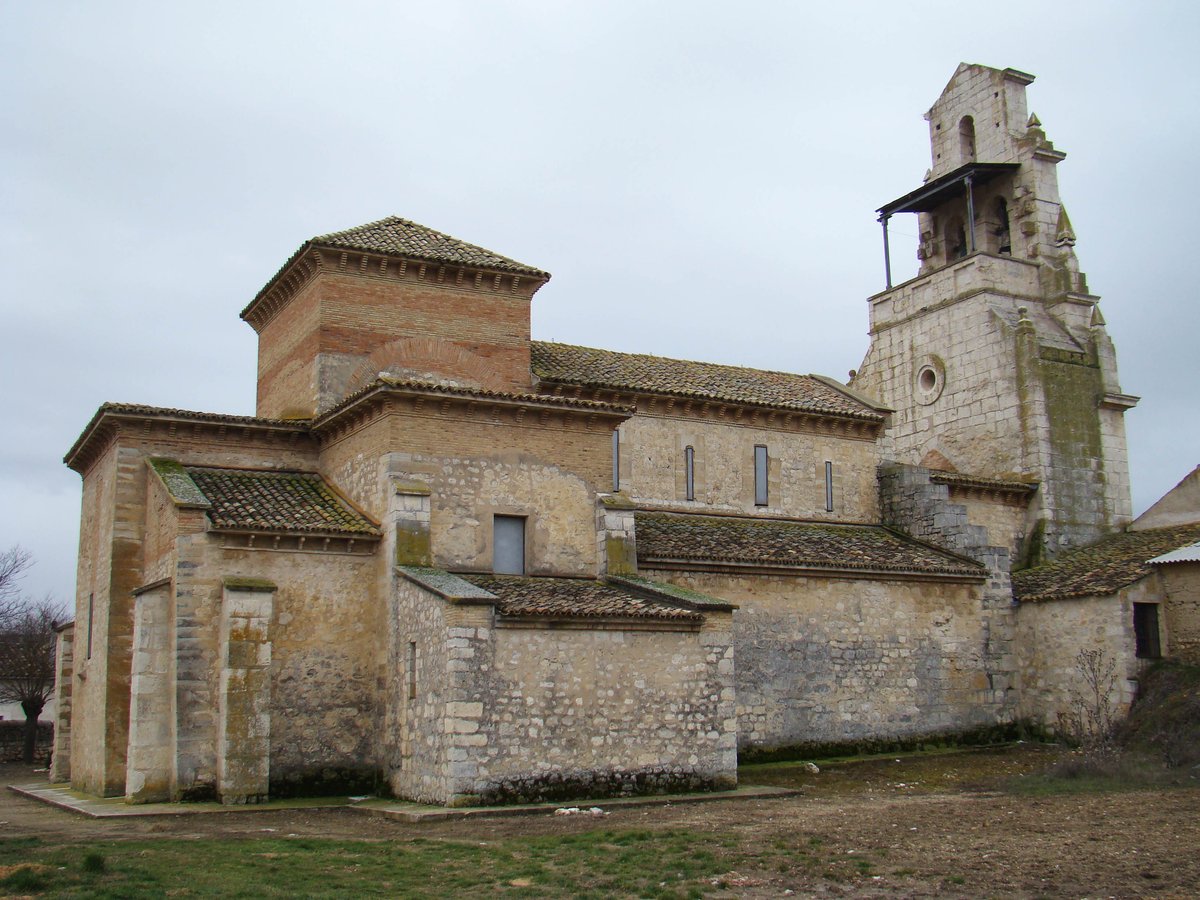

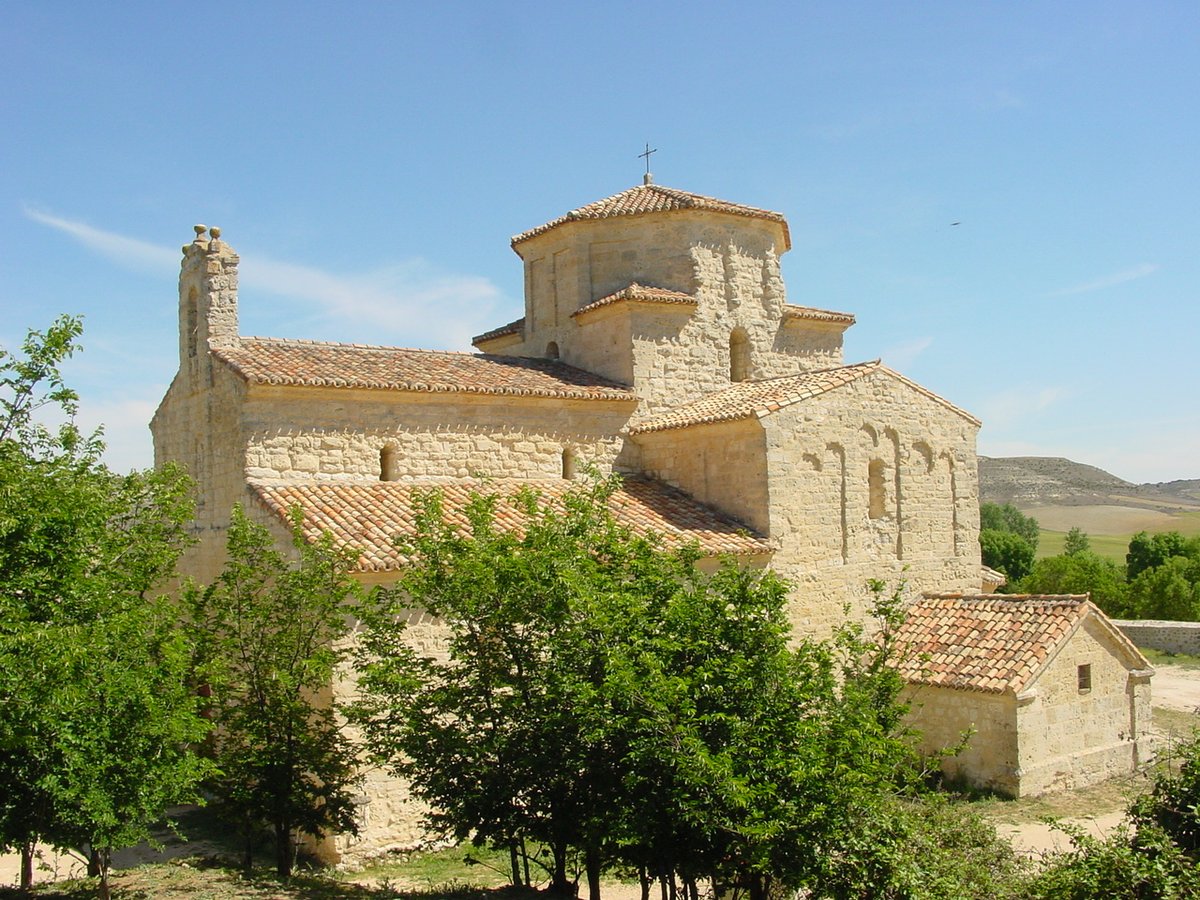
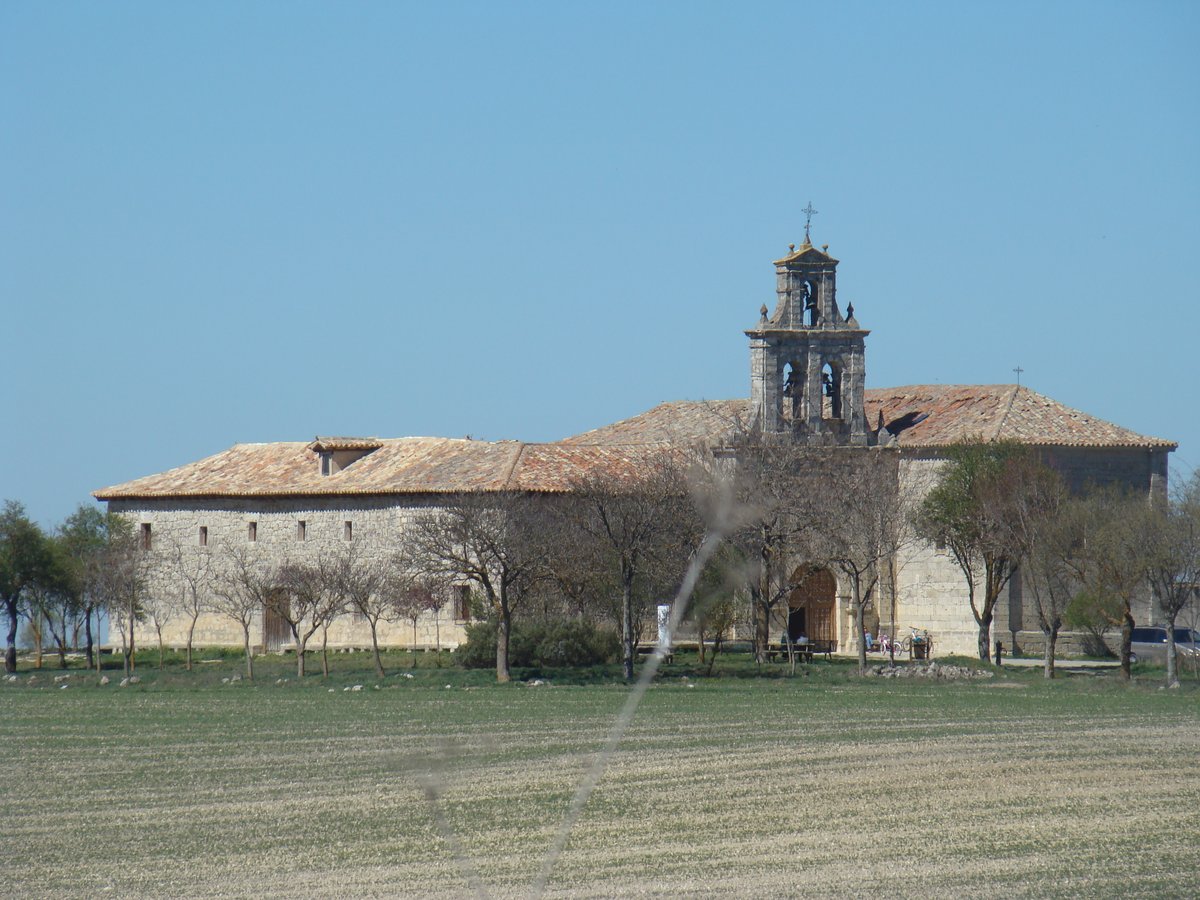
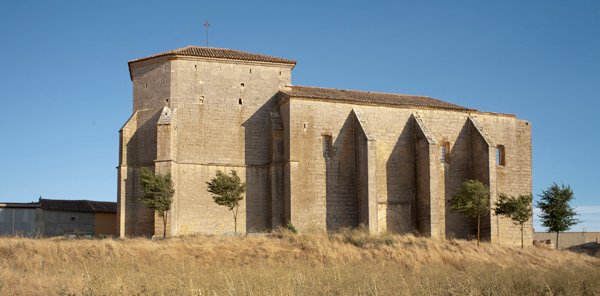
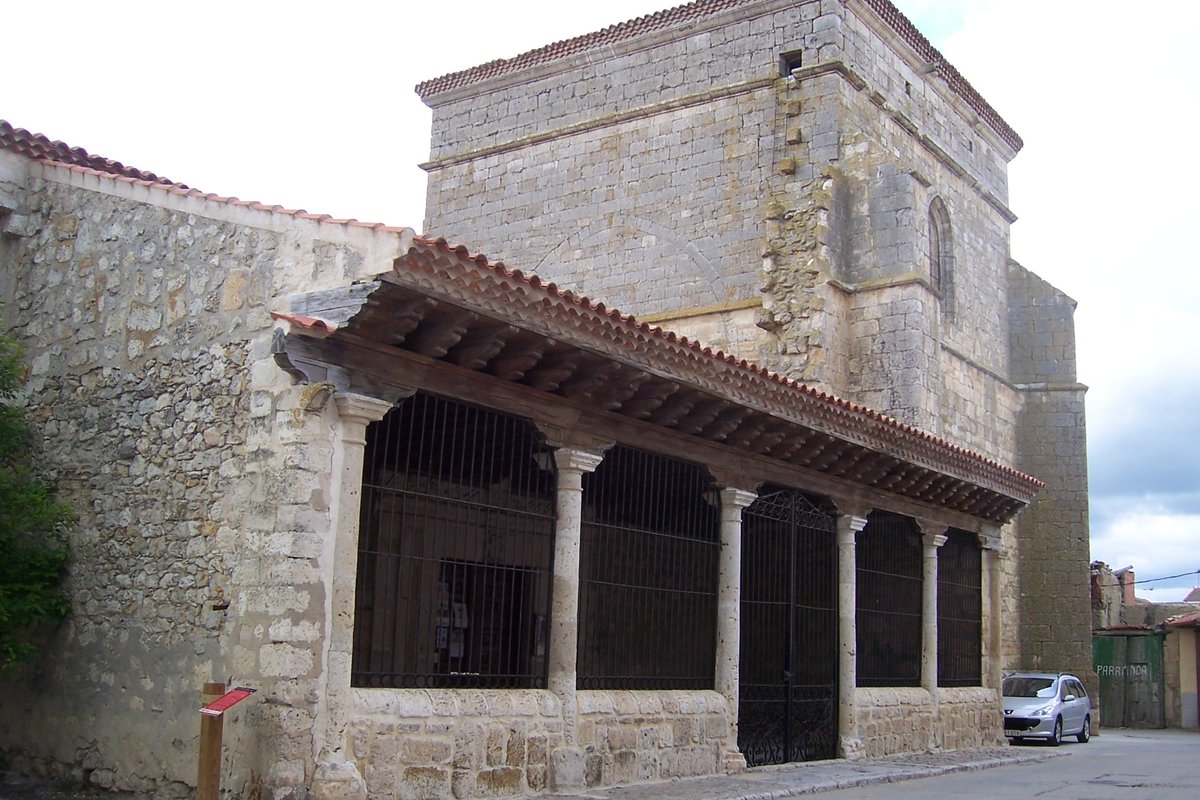
The Iglesia de San Cipriano is a representative example of Mozarabic art. It stands as the largest conserved example of this period from the Kingdom of Leon. The church is linked to a monastic community from Córdoba in Al-Andalus, which settled in the area and helped form the monastery that belonged to the church in the 10th century.
To understand the layout, you have to look at the ground. A Visigothic church stood here in the 7th century, as suggested by the perimeter of the current floor plan. In 916, Mozarabic monks from the monastery of San Martin de Castañeda repopulated the area, building the basilical structure seen today. During this period, San Cebrián de Mazote remained in relative tranquility, even during the campaigns of Almanzor, thanks to its location in an isolated setting.
There is a curious bit of medieval paperwork from 1141. An infanta, sister of Emperor Alfonso VII, was involved in a privilege of exchange involving this monastery. Although the document presents the operation as an exchange between two monasteries, the effective trade affected other properties, and the monastery of San Cebrián de Mazote remained linked to the infanta. Later, in 1230, the town was the first place in the Kingdom of Leon to recognize Fernando III as king.
If you visit today, you can see the horseshoe arches and the transept. The 20th-century restorations by architect Solano left the vaults and the dome unfinished because the final design was unclear. Architects F. Íñiguez and later Salvador Mata worked on the site, with the latter conducting excavations in 1990 that revealed fragments of tuffa in the western circular space.
Sources: Wikipedia, OpenStreetMap, Wikidata, Wikimedia Commons
Written by Nicolo Ciampini
Discuss this with the author and others
No comments yet. Be the first to start the conversation.