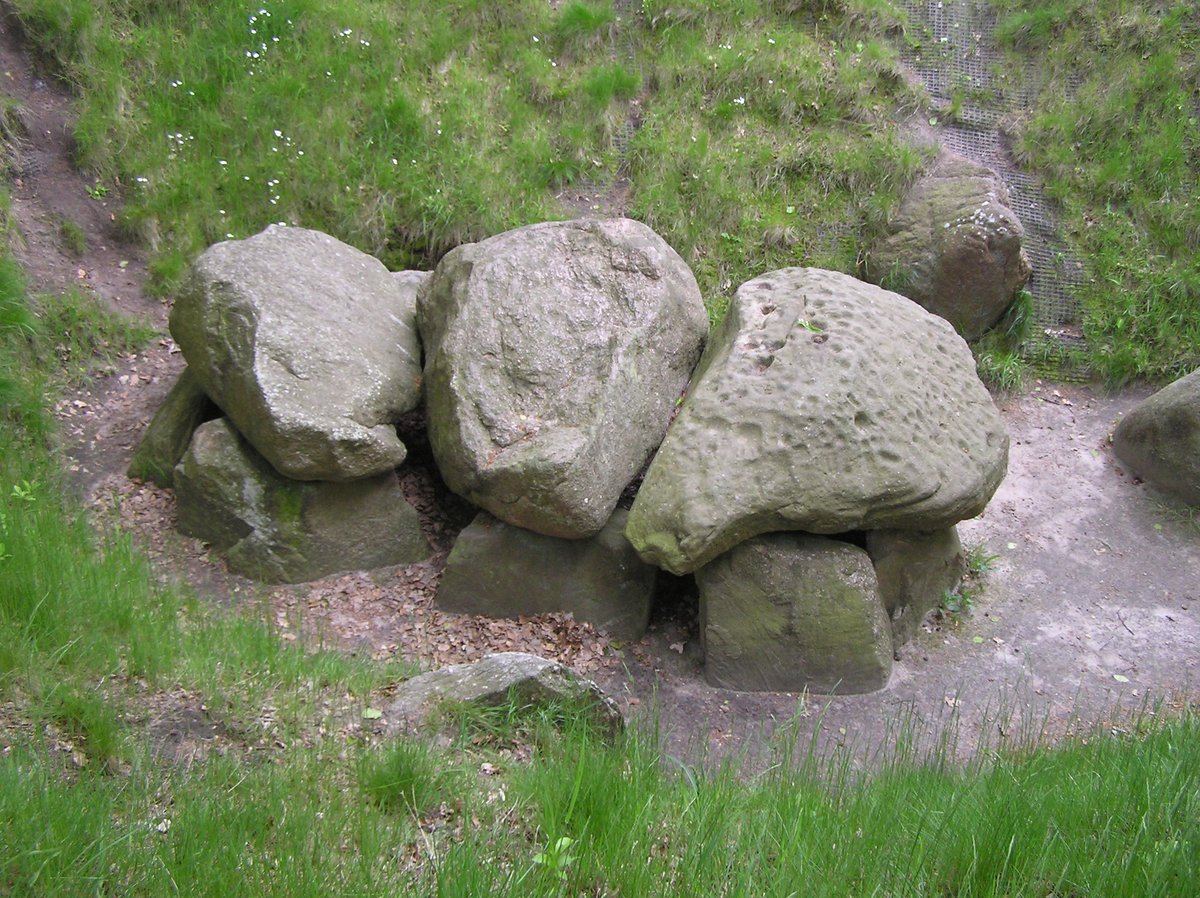
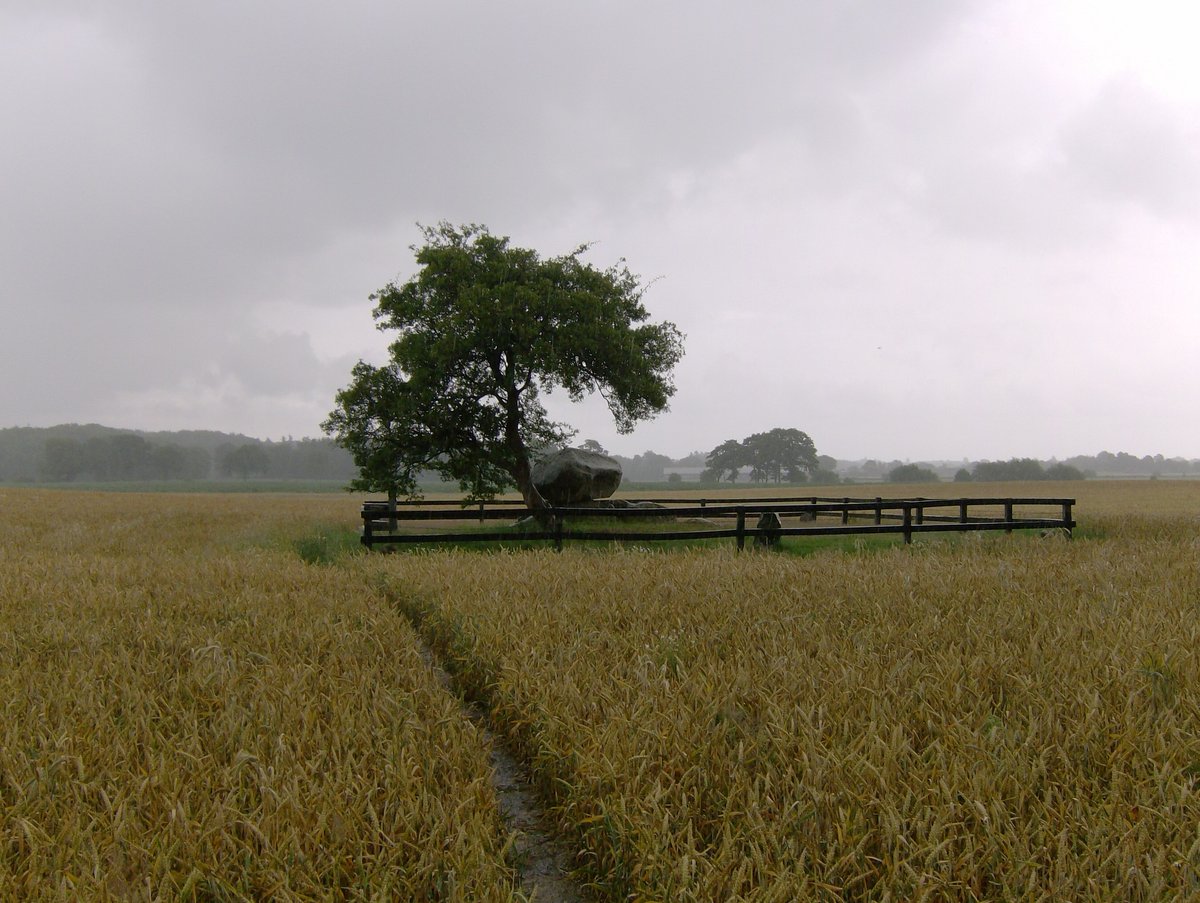
One stone lid holds the weight of a vanished world. It seals a tomb in Bunsoh built between 3500 and 2800 BC by the Funnelbeaker culture. The western cover stone, known as a Schalenstein, features approximately 300 small cups. Beside these, the rock tells a story through engraved lines, a cross, and stylized human hands plus a sole of a foot. Such human figures are rare in Germany and elsewhere.
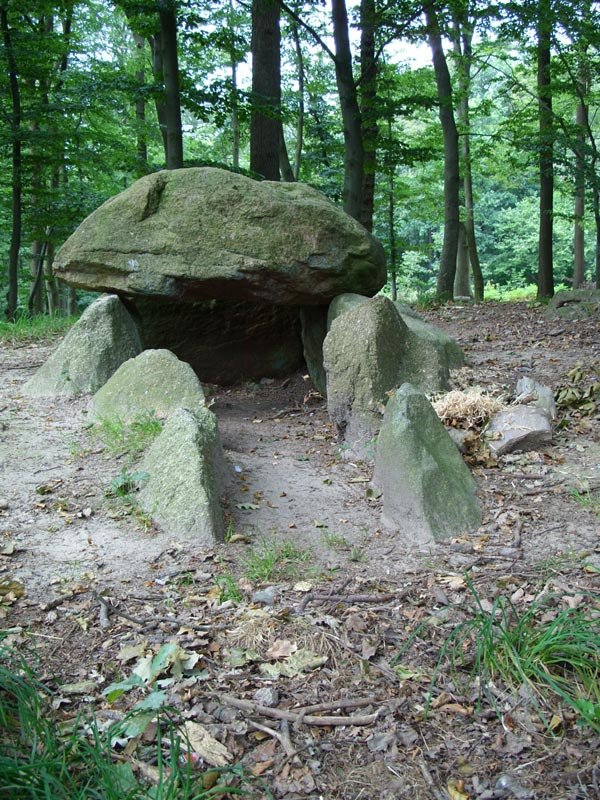
This Holsteiner Kammer grave stands as a sturdy construction of vertical pillars. Eight stones support three cover slabs. The interior chamber measures 3.75 meters long by 1.55 meters wide, facing west to east. Cobbles the size of heads pave the floor while flat slabs fill gaps between pillars to create four compartments. When opened in 1874, it revealed pottery and flint tools. Archaeologists surveyed the masonry again in 1908. Six other Schalensteine were discovered in the surrounding area.
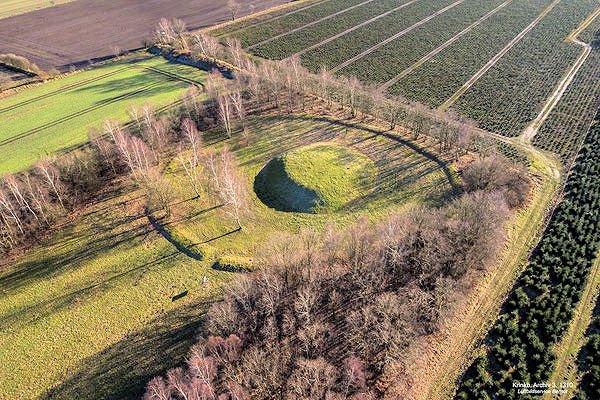
In 1971, a local researcher identified five more stones featuring rings and limbs, though only one small fragment survives in the Museum von Albersdorf. North of the main tomb, a reddish sandstone piece measuring 1.1 x 0.8 x 0.5 meters sits by a large mound. It features five cups in a row, an oval indentation, and a sixth cup with two concentric rings. While the original remains in the tomb, a replica sits in the Museum für Archäologie und Ökologie Dithmarschen.
Sources: Wikipedia, OpenStreetMap, Wikidata, Wikimedia Commons

Written by Aurora
Discuss this with the author and others
No comments yet. Be the first to start the conversation.