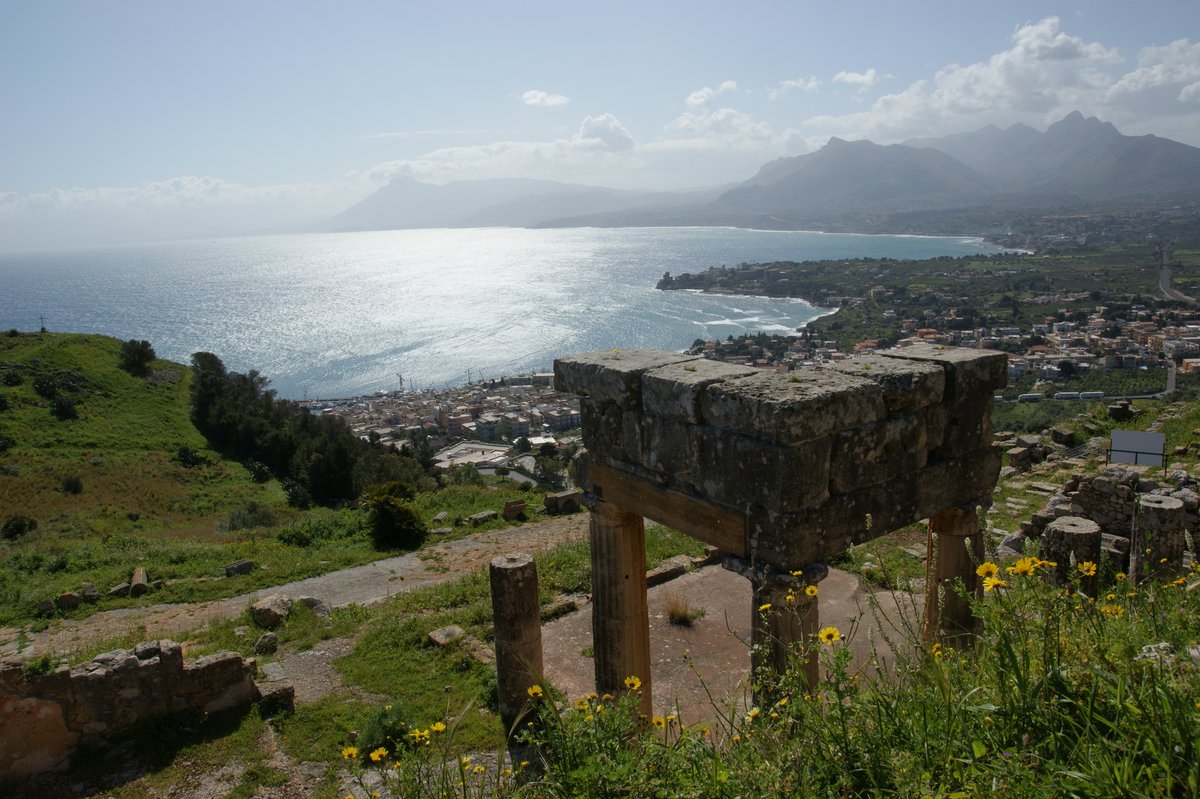

Nestled within the Sicilian landscape, Soluntum -- named after the Phoenician goddess Sol -- was founded in the 6th century Before Christ. Initially believed to be situated in its original site, recent discoveries at Capo Solanto unveiled a Punic necropolis dating back to the 6th and 5th centuries BC, hinting at Soluntum's initial settlement there. This city, however, experienced destruction and relocation to Monte Catalfano. As Greek soldiers made their appearance towards the end of the 4th century BC, Soluntum found itself under Roman rule in the 3rd century BC.
The excavations of Soluntum took place in the 19th and mid-20th centuries, managing to uncover approximately half of the urban area with a remarkable state of preservation. A fragment of Punic, Roman, and Greek society, Soluntum is found perched 183 meters above sea level on Monte Catalfano, around 16 kilometers east of ancient Panormus (modern Palermo), and spans over an area of around 10 hectares, with half of it being excavated, leaving the rest of the city laden with mystery.
Sources: Wikipedia, OpenStreetMap, Wikidata, Wikimedia Commons
Written by Nicolo Ciampini
Discuss this with the author and others
No comments yet. Be the first to start the conversation.