
The Cartuja de Vall de Cristo is a monastery situated in the municipality of the Villa de Altura, in the comarca of the Alto Palancia in the province of Castellón. Founded in 1385 by the infante Don Martín de Aragón, who later reigned as Martín I el Humano, it became one of the most historically significant ecclesiastical centers in the region. During its six centuries of existence, the monastery held control over numerous properties, including villas, factories, farms, and scattered homes across the Kingdom of Valencia.
The monastery's influence is reflected in the prominent figures who stayed there, such as San Ignacio de Loyola and the antipope Benedicto XIII. It served as a meeting place for the conclave of the Compromise of Caspe and was the site of six Capítulos Generales. In 1391, Martín I el Humano donated the Villa de Altura, together with the villa of Alcublas, to the Cartuja de Vall de Crist. In 1409, the monastery purchased the raval of the villa of Altura for three thousand gold florins of Aragon to ensure the sarracena community remained under its jurisdiction.
The community was involved in diverse economic activities, including livestock and transhumance routes connecting the highlands of Teruel with the Palancia and Turia valleys. They also built a series of wine cellars known as Las Veinticuatro, a moruno oven, and a workshop called the Torcedor for manufacturing candles.
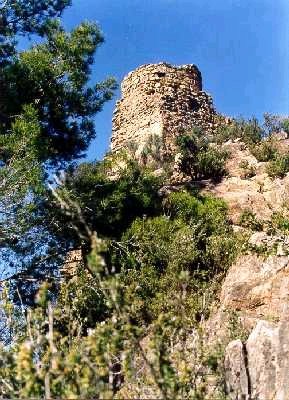
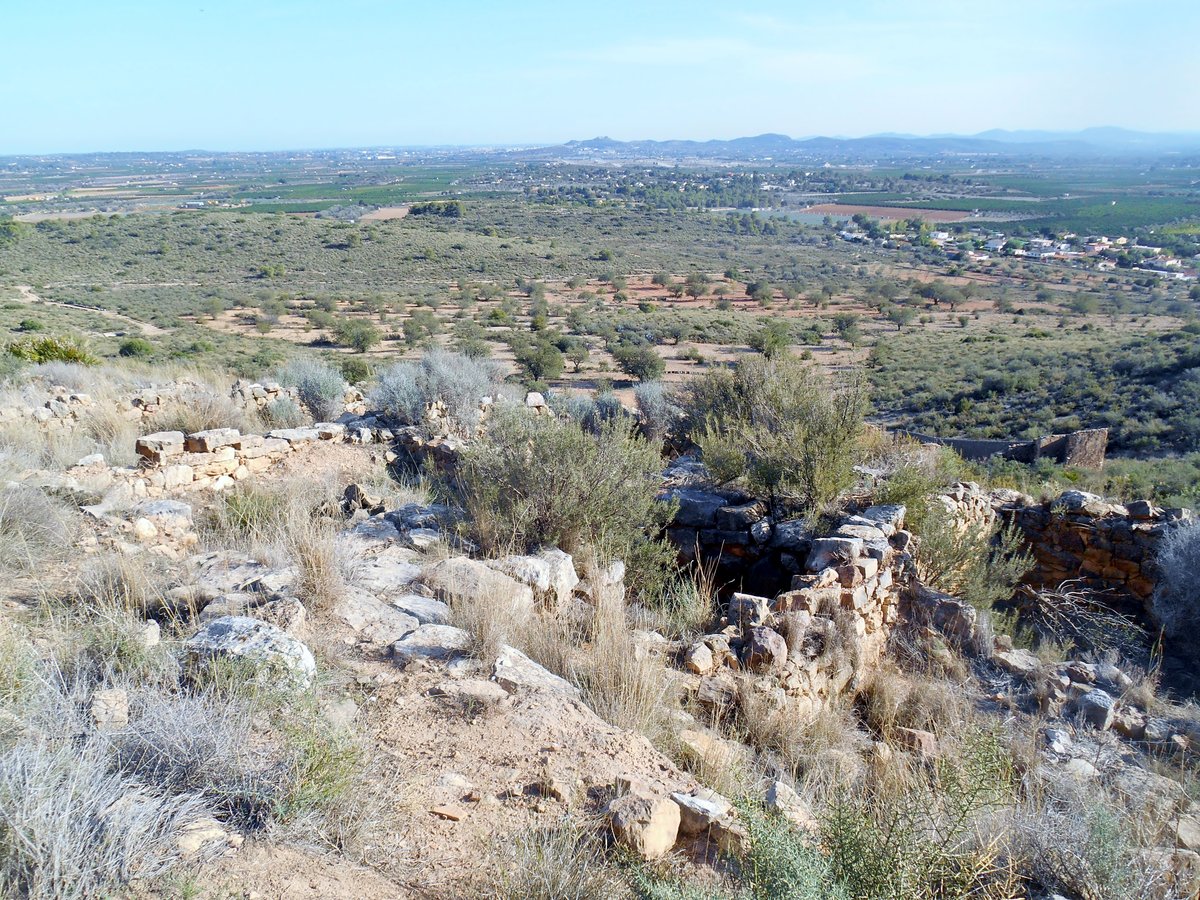
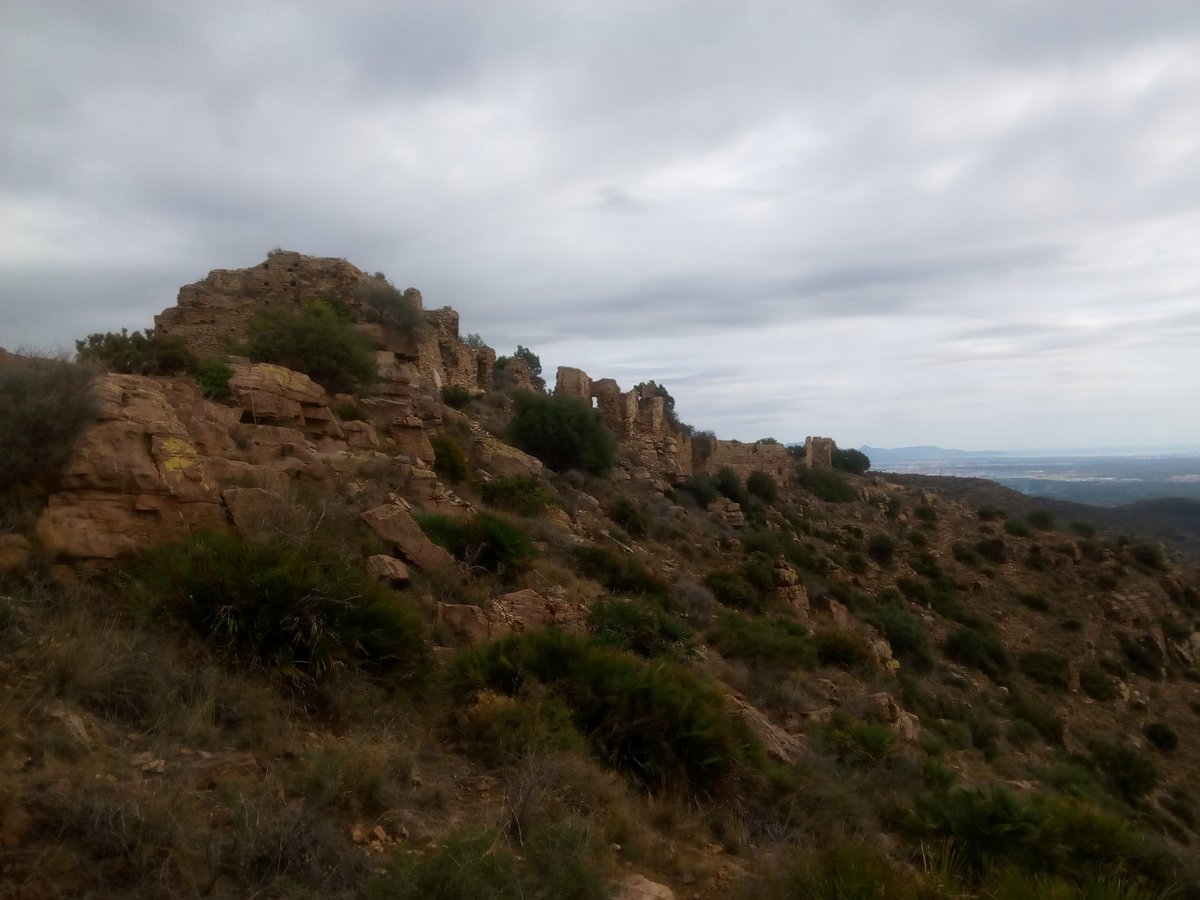
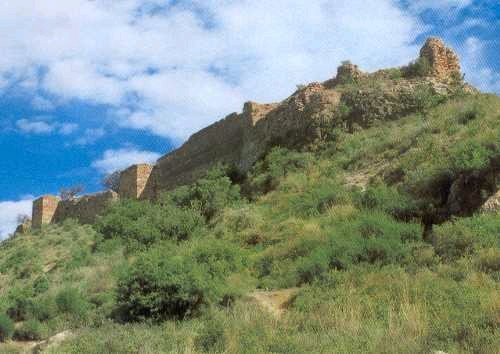
Today, visitors can still see the remains of the monastery, which includes the church of San Martín, where the first stone was laid in 1386, and the iglesia Mayor, which was finished in 1428. These ruins remain a significant historic landmark in the municipality of Altura.
Sources: Wikipedia, OpenStreetMap, Wikidata, Wikimedia Commons
Written by Nik Frost
Discuss this with the author and others
No comments yet. Be the first to start the conversation.