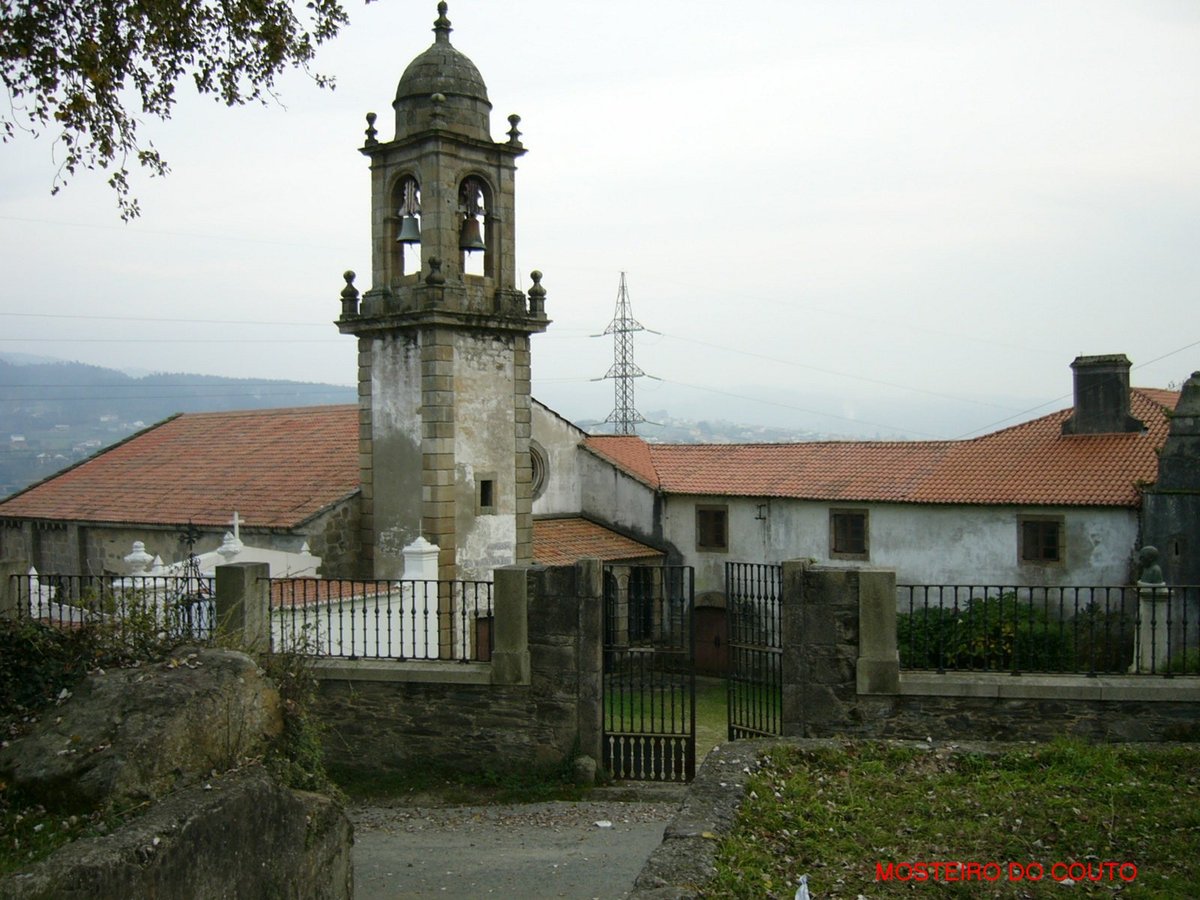

In the heart of Narón, Spain, stands the Monastery of Xuvia, also known as San Martiño de Xuvia. Constructed in the 12th century, this religious monument is located in the city of Narón, showcasing a fascinating blend of different architectural styles. Originally constructed in Romanesque style, the monastery features the Church of O Couto, which dates from the 12th century and has semicircular apses. The portico and tower of the façade were added in the 18th century, giving the church a Baroque touch. Inside the church, there is the Gothic grave of Rodrigo Esquío, a notable Galician knight. The Monastery of Xuvia continues to stand as a testament to the rich history and cultural diversity of Narón.
Sources: Wikipedia, OpenStreetMap, Wikidata, Wikimedia Commons
Written by Nicolo Ciampini
Discuss this with the author and others
No comments yet. Be the first to start the conversation.