
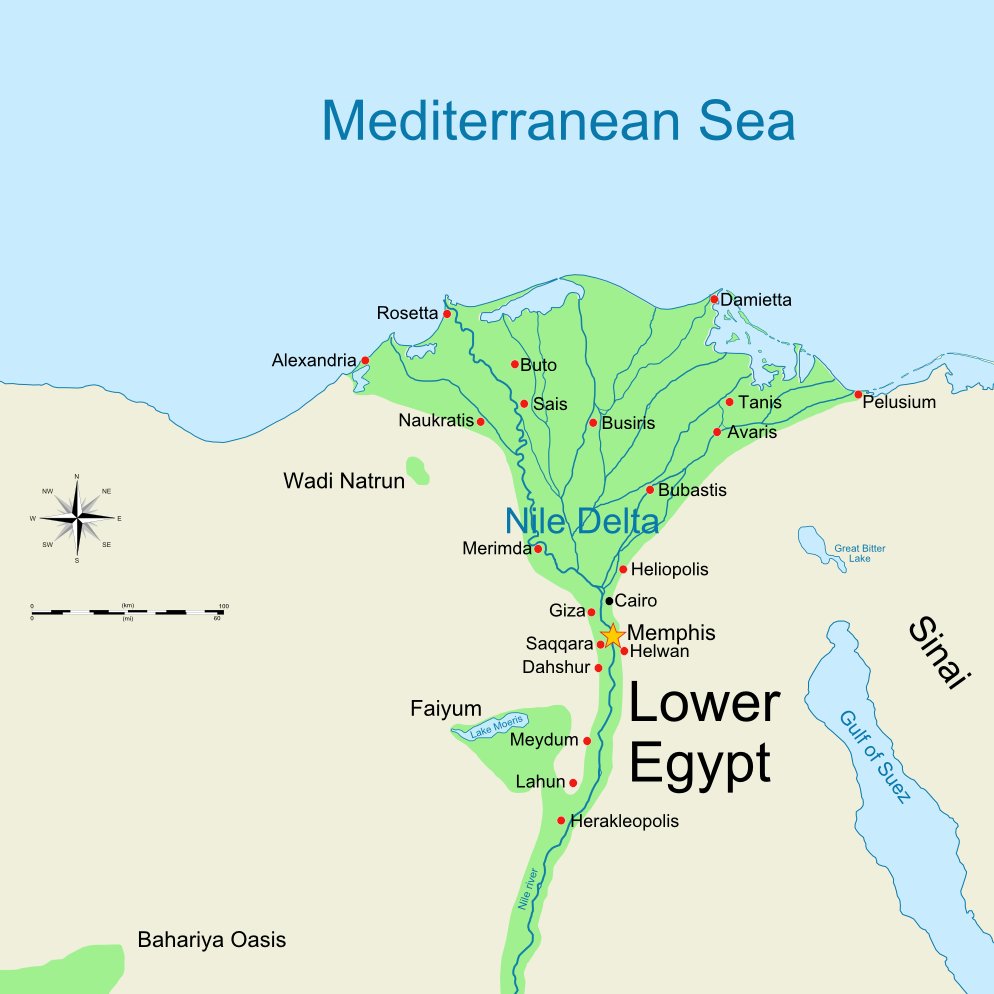
Tell el-Maschuta was a settlement that functioned as a seasonal caravan station for long-distance trade. It was not inhabited year-round, but rather occupied from the beginning of the sowing season in autumn until the end of the summer wheat harvest in spring. During the hot summer months, the site remained uninhabited, and the inhabitants likely settled in the vicinity of Tell er-Retaba.
This land served as a hub for trade, where the dwellings were built closer and closer together. The inhabitants engaged in agriculture, primarily cultivating wheat and barley to supply the residents, while also keeping cattle, sheep, goats, and pigs. The settlement featured curved city walls and circular silos, with burials showing significant differences in status, ranging from warrior graves with Asian-style weaponry to graves containing gold and silver jewelry.
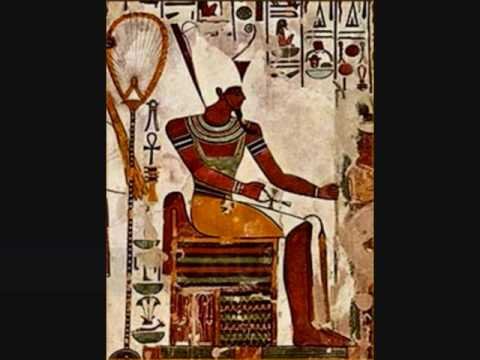
Time twisted the shape of this place through the passing centuries. It was re-founded at the end of the 7th century BC as a trading center and place of worship for the deity Atum. By the beginning of the 2nd century AD, the function of the site changed again, serving as a Roman cemetery. In the 19th century, a monolith of Ramesses II led some to mistakenly identify the site as the biblical Pi-Ramesses, but later research confirmed its identity.
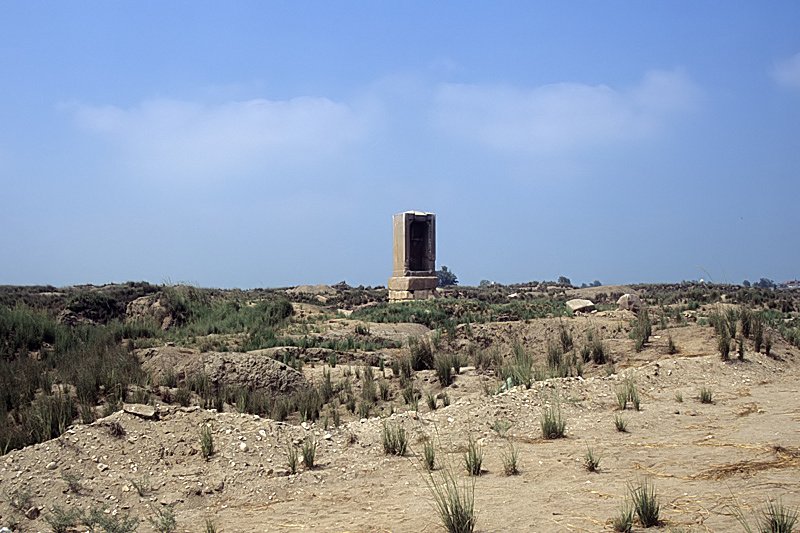
Now, the site remains a mound of ruins. The archaeological remains show the curved walls that once sheltered the people and their grain, along with evidence of the village's role as a vital stop for long-distance travelers.
Sources: Wikipedia, OpenStreetMap, Wikidata, Wikimedia Commons
Written by Mutabor
Discuss this with the author and others
No comments yet. Be the first to start the conversation.